Table of Contents >> Show >> Hide
- 1) Salt Is a Mineral First, a Seasoning Second
- 2) Your Body Runs on Salt (In Small, Very Unsexy Amounts)
- 3) Salt Built Civilizations (And Not Just Because It Made Food Less Gross)
- 4) Salt Makes Food Taste Like It Has a Backbone
- 5) The Great Sodium Plot Twist: Too Much of a Good Mineral
- 6) Iodized Salt: The Quiet Public Health Win
- 7) Choosing Salt Like a Functional Adult
- 8) A Practical Manifesto: 9 Rules for Living Salted (Not Salt-Soaked)
- Conclusion: Salt Is EssentialSo Use It Like You Mean It
- Afterword: of Salty Experiences
- SEO Tags
Salt is the most underrated superstar in your pantry. It’s not trendy like turmeric, not mysterious like saffron,
and it certainly doesn’t have a PR team like “protein.” But salt is the reason your tomatoes taste like tomatoes,
your bread tastes like bread, and your pickles don’t taste like regret.
This is a manifesto for the world’s most essential mineralone that has launched trade routes, preserved empires,
fueled industries, and (let’s be honest) ruined plenty of soups when someone got heavy-handed. We’re going to praise
salt without pretending it’s harmless in unlimited quantities, because adulting means you can love something and
still measure it.
1) Salt Is a Mineral First, a Seasoning Second
Start with the basics: common culinary salt is mostly sodium chloride (NaCl). That’s an ionic compoundsodium and
chloride locked together like two magnets that can’t quit each other. Drop it in water and it breaks apart into
charged ions, because water is polar and loves a little drama: the positive side cozies up to chloride, the negative
side hugs sodium, and the crystal dissolves.
This “mineral” identity matters because it explains why salt behaves the way it does. It pulls water. It moves
through food. It changes texture. It conducts electricity when dissolved. It’s not a sprinkle of fairy dustit’s a
physical, measurable substance that edits your food at the molecular level.
Salt has a day job outside your kitchen
We treat salt like a culinary accessory, but the world treats it like infrastructure. In the United States, massive
quantities of salt go to things like road de-icing and chemical manufacturingsalt is a feedstock for products you
use without thinking, from paper processing to plastics. Your “tiny pinch” is the cute side of a very big mineral
economy.
2) Your Body Runs on Salt (In Small, Very Unsexy Amounts)
Sodium is an electrolyte, which is a fancy way of saying it helps carry electrical signals. Without it, nerves don’t
fire correctly, muscles don’t contract smoothly, and fluid balance gets weird fast. Your body needs sodium to keep
blood volume stable and to help cells do their constant, chaotic work.
Here’s the plot twist: your body needs some sodium, but modern diets tend to deliver a lotoften without
you tasting anything especially salty. That’s because most sodium doesn’t come from the salt shaker. It comes from
packaged foods, restaurant meals, sauces, breads, and “healthy” snacks that are secretly sodium delivery systems
wearing athleisure.
Salt vs. sodium: the label game
Nutrition labels usually talk about sodium, not “salt.” That’s because salt is one major source of sodium,
but not the only one. The U.S. Daily Value for sodium is set at 2,300 mg per day, and many health organizations
encourage staying at or below that level, with some recommending an even lower target for many adults. If you’ve
ever looked at a label and thought, “How did soup get so numbers-heavy?” welcome to the sodium era.
3) Salt Built Civilizations (And Not Just Because It Made Food Less Gross)
Before refrigeration, salt was an insurance policy. Salt preservation made travel possible, trade practical, and
winters survivable. Salted fish, cured meats, brined vegetablesthese weren’t quaint traditions. They were
technology.
Whole economies have hinged on salt: mined from underground deposits, evaporated from seawater, harvested from
springs, carried across deserts, taxed, fought over, smuggled, and celebrated. Salt wasn’t “just seasoning.” It was a
currency-adjacent necessityvaluable enough to spark idioms (“worth your salt”) and moral metaphors (“salt of the
earth”) that still show up in modern speech like fossils embedded in conversation.
Salt’s cultural superpower: it preserves meaning
Across cultures, salt has symbolized purity, hospitality, and protection. A bowl of salt on a table can mean “welcome.”
A pinch in a ritual can mean “cleanse.” Even today, fancy finishing salts are sold like edible jewelry, as if a few
crystals can upgrade your entire personality. (Sometimes… they kind of can.)
4) Salt Makes Food Taste Like It Has a Backbone
Salt doesn’t just make food saltier. It makes food more itself. It sharpens sweetness, rounds bitterness, amplifies
aroma, and makes fat taste richer. That’s why a pinch of salt in cookies isn’t culinary betrayalit’s diplomacy.
The three big kitchen powers of salt
-
Flavor enhancement: Salt boosts overall flavor perception and balance. It can make strawberries taste
brighter, chocolate taste deeper, and coffee taste less like it’s punishing you for waking up. -
Texture engineering: Salt changes how proteins behave. That’s part of why salted meat can hold onto
moisture better, why a dry-brined chicken can end up juicier, and why some vegetables soften or release water when salted. -
Water control: Salt pulls moisture out of some foods (hello, cucumber puddle) and can help
redistribute moisture in others (hello, better-seasoned steak). Water management is half of cooking; salt is your wrench.
Salt types are not interchangeable by volume
Here’s a kitchen truth that saves relationships: a tablespoon of salt is not always a tablespoon of salt. Different
crystals pack differently. Table salt is dense and fine; many kosher salts are larger and lighter. If you measure by
volume, one salt can be dramatically “saltier” than another. The grown-up move is measuring by weight, or at least
staying consistent with one type in your day-to-day cooking.
5) The Great Sodium Plot Twist: Too Much of a Good Mineral
Salt is essential, but American sodium intake is often higher than recommended. The health concern isn’t that salt is
evilit’s that chronic high sodium intake is associated with higher blood pressure, which raises risk for heart
disease and stroke. This is why public health guidance keeps circling back to sodium, like a concerned friend
texting “u up?” at 2 a.m.
The modern challenge is sneaky: you can cook beautifully at home, use normal seasoning, and still end up over
target because sodium is baked into the food environment. Bread, deli meats, pizza, soups, condiments, sauces, snack
foodsmany of the biggest contributors don’t even taste “salty.” They taste “normal,” because your palate has adapted
to a higher baseline.
So should we fear salt?
No. We should respect itlike fire. Fire cooks food and warms houses and also ruins everything if you leave it
unattended. Salt is similar: it’s a tool that makes food delicious and supports basic physiology, but it needs
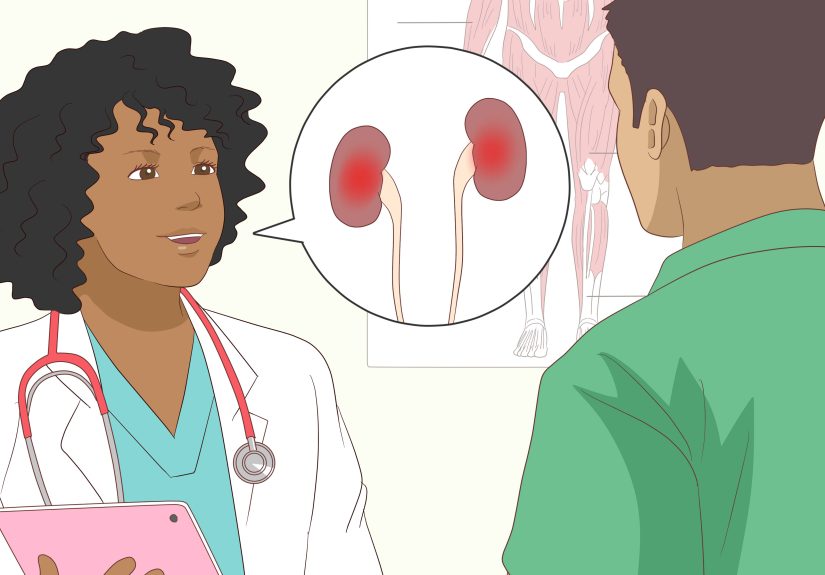
boundaries, especially if you have high blood pressure, kidney disease, or other conditions where sodium matters
more. If you’re unsure what’s right for you, talk with a clinician who can personalize guidance.
6) Iodized Salt: The Quiet Public Health Win
Salt isn’t only about sodium. In the U.S., iodized salt has historically helped prevent iodine deficiency, which can
affect thyroid function and development. Iodine is a mineral your body uses to make thyroid hormonestiny chemical
messengers with big responsibilities.
There’s an irony here: most sodium in the U.S. comes from processed foods, and manufacturers typically use non-iodized
salt. So if you don’t cook much at home and you also don’t eat iodine-rich foods (like certain seafood or dairy),
you can accidentally drift low on iodine even while drifting high on sodium. The fix isn’t “eat more salty chips.”
It’s “think about iodine sources” and, if appropriate for you, use iodized salt at home in modest amounts.
7) Choosing Salt Like a Functional Adult
Salt shopping is weirdly emotional. Everyone has an opinion, and half of them are delivered with the certainty of a
horoscope. Here’s the practical guide.
Table salt
Fine-grained, consistent, and often iodized. Great for baking where precision matters. If it’s iodized, you may
notice a faint “iodine” note in very delicate dishes, but most people never taste it.
Kosher salt
A favorite for cooking because the larger crystals are easier to pinch and sprinkle evenly. But brands vary in
densityso a “tablespoon” can swing wildly depending on what you buy. If your recipes suddenly taste like the ocean,
check your salt swap.
Sea salt
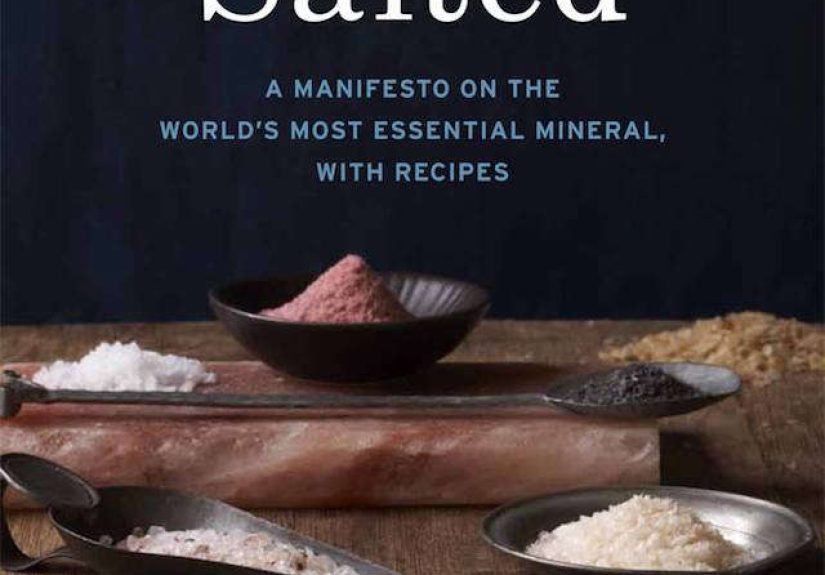
Harvested by evaporating seawater. It can be fine or flaky. Many sea salts are prized for texture more than mineral
content. Trace minerals exist, sure, but don’t expect a meaningful nutritional upgrade. Think “crunch,” not “multivitamin.”
Finishing salts (flakes, smoked salts, fancy crystals)
These are about texture and aroma. Use them at the end for contraston sliced tomatoes, chocolate brownies,
grilled steak, even buttered popcorn. They’re tiny exclamation points, not your daily grammar.
8) A Practical Manifesto: 9 Rules for Living Salted (Not Salt-Soaked)
- Season in layers. Add a little early, taste, adjust near the end.
- Switch from volume to weight when precision matters (baking, brines, spice blends).
- Use finishing salt for texture instead of dumping more salt into the pot.
- Watch “quiet sodium.” Bread, sauces, deli meat, soups, and snacks add up fast.
- Rinse strategically. Canned beans and some pickled items can lose sodium with rinsing (texture permitting).
- Acid is your ally. Lemon, vinegar, and tomatoes can make food taste brighter with less salt.
- Dry-brine big proteins. A day ahead can improve seasoning and texture without wet mess.
- Don’t “salt like the sea” blindly. Aim for tasty, not theatrical; your pasta can be seasoned without cosplay.
- Keep iodized salt in the house unless your clinician says otherwise or you reliably get iodine elsewhere.
Conclusion: Salt Is EssentialSo Use It Like You Mean It
The goal isn’t to banish salt. The goal is to stop being accidentally controlled by it. Salt is a mineral that built
trade, preserved food, powered industry, and still runs quietly through your bloodstream, keeping you alive and
upright. In the kitchen, it’s the difference between “meh” and “more, please.”
So be saltedintentionally. Learn your salt. Respect your sodium. Season with confidence, taste with humility, and
remember: the world doesn’t need less flavor. It needs better decisions.
Afterword: of Salty Experiences
Picture the first time you really noticed saltnot as “something you add,” but as a moment of transformation. Maybe
it was a summer tomato, sliced thick, still warm from the sun, wearing a little olive oil like cologne. You sprinkle
a few flaky crystals on top and suddenly the tomato doesn’t just taste sweet; it tastes louder. The salt snaps, the
juice runs, and you realize you’ve been eating in grayscale.
Or maybe it was popcorn. Not the polite kind that shows up in a bowl at a friend’s house, but movie-theater popcorn:
buttery, salty, and engineered to make you forgive the price of a soda. You reach in, grab a handful, and the salt
hits firstthen the roasted corn flavor blooms underneath. It’s not subtle. It’s not trying to be. It’s a reminder
that salt is a lever: pull it and flavor moves.
Then there’s the “oops” phasewhen you start cooking more and learn that confidence without tasting is just chaos
with a spatula. You salt a soup early, reduce it for an hour, and end up with something that could preserve a shipwreck.
You try to fix it with potatoes (spoiler: they are not magical sodium sponges) and learn the true grown-up lesson:
salt is easiest to add and hardest to take away. Humility tastes like dilution.
Salt shows up outside the kitchen too. Winter roads glitter with it. Your boots crunch over it. It’s not romantic,
but it’s a public serviceone mineral keeping whole cities from sliding into slapstick. You notice the same crystals
that make fries irresistible also keep an ambulance moving. Salt: seasoning and safety, in one gritty package.
And sometimes salt feels like tradition. You pack cucumbers into a jar, add garlic and dill, pour in brine, and wait.
A week later you open it and the kitchen smells alive. The pickles aren’t just “salty”; they’re complextangy,
crunchy, a little funky in the best way. That’s salt doing what it has always done: shaping a tiny ecosystem,
protecting what you want, discouraging what you don’t, and turning time into flavor.
Those moments add up into a philosophy: salt is not the enemy of health or the hero of taste. It’s a tool that
deserves attention. When you start noticing where salt comes from, how it behaves, and how it sneaks into your day,
you stop being surprised by your food. You become the person who can make a simple meal taste intentionaland who can
also read a label and think, “Not today, sodium.”