Table of Contents >> Show >> Hide
- Why This Combo Works (And Why It Doesn’t Taste Like a Compromise)
- The Core Recipe
- Flavor Variations (Because Breakfast Shouldn’t Be a Monologue)
- Technique Tips That Make It Taste “Restaurant Good”
- Food Safety and Storage
- Nutrition Notes (Real Talk, Not Lecture Talk)
- Serving Ideas
- Common Problems (And How to Fix Them)
- FAQs
- Kitchen Notes and “Been-There” Moments (Experience Section)
- Conclusion
If breakfast had a personality, this one would be the friend who shows up on time, brings snacks, and somehow still looks put together.
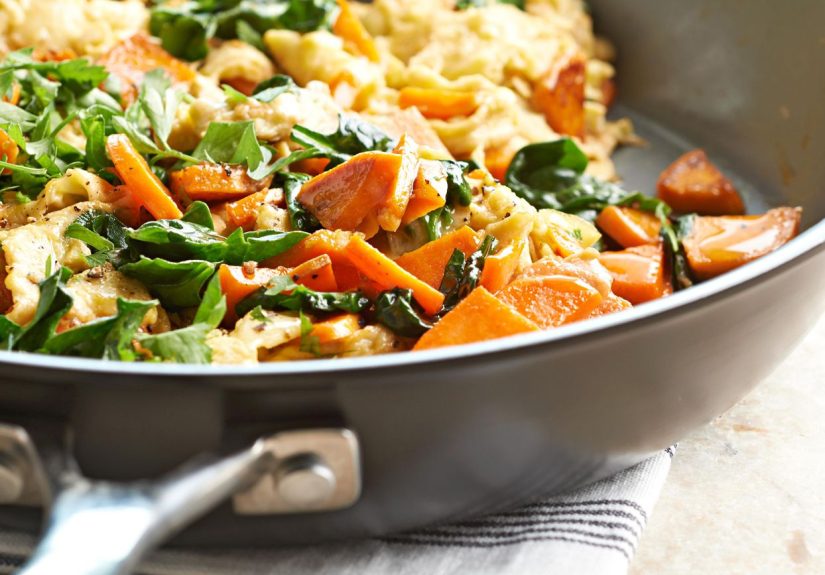
A savory egg and sweet potato scramble is the kind of meal that feels cozy and hearty, but it’s also sneaky-smart: you get protein from eggs,
satisfying carbs from sweet potatoes, and plenty of room for vegetables, herbs, and “whatever’s in the fridge” creativity.
This article goes beyond a basic recipe. You’ll get the “why” behind the ingredients, the small technique tweaks that make it taste like you tried
harder than you did, and easy variations for different diets and moods. (Because some mornings you’re a spinach-and-feta person, and some mornings
you’re a hot-sauce-and-please-don’t-talk-to-me person.)
Why This Combo Works (And Why It Doesn’t Taste Like a Compromise)
Sweet potatoes: the overachiever in your produce drawer
Sweet potatoes bring natural sweetness, a creamy interior, and edges that caramelize beautifully when they hit a hot pan. They also play well with savory
flavorsthink smoked paprika, cumin, garlic, onions, and pepper. Nutritionally, they’re known for fiber and beta-carotene (which the body can convert to
vitamin A), plus potassium and other micronutrients. Translation: they’re not just “breakfast carbs,” they’re “breakfast carbs with a résumé.”
Eggs: fast, filling, and endlessly flexible
Eggs scramble quickly, carry flavors like a champ, and add a satisfying protein backbone. They also bring nutrients like choline, and they’re a convenient
way to make breakfast feel substantial without turning your kitchen into a full-time job.
Together: balanced, craveable, and customizable
Pairing sweet potatoes with eggs helps balance the plate: carbs + protein + optional veggies and healthy fats. It’s also friendly to meal prep:
cook the sweet potatoes ahead, then scramble fresh eggs in minutes for a weekday win.
The Core Recipe
Servings and timing
- Makes: 2 generous servings (or 3 lighter servings)
- Total time: ~25 minutes (or ~15 minutes if you pre-cook the sweet potatoes)
Ingredients (simple, but not boring)
- 1 medium sweet potato (about 10–12 oz), peeled or scrubbed, diced small (about 1/2-inch cubes)
- 4 large eggs
- 1/2 small onion, finely chopped
- 1 clove garlic, minced (or 1/2 teaspoon garlic powder in a pinch)
- 1 packed cup spinach (or kale, chopped small)
- 1 tablespoon olive oil (or avocado oil)
- 1/2 teaspoon smoked paprika
- 1/4 teaspoon ground cumin (optional, but highly recommended)
- Salt and black pepper, to taste
- Optional finishes: sliced scallions, crumbled feta, grated cheddar, diced avocado, salsa, hot sauce, fresh cilantro
Step-by-step instructions
-
Pre-cook the sweet potatoes (recommended for best texture and speed).
Bring a small pot of salted water to a boil. Add the diced sweet potato and simmer for 4–6 minutesjust until the outside is tender and the center
is still slightly firm. Drain well and let the steam escape for a minute so they don’t stay wet.Shortcut option: Microwave the diced sweet potato with a splash of water in a covered microwave-safe bowl until just tender (timing depends on
cube size and microwave power). Drain any excess water before it hits the skillet. -
Start the flavor base.
Heat a large skillet over medium heat. Add the oil, then the onion. Cook for 2–3 minutes until softened. Add garlic and cook 30 seconds more, just until
fragrant (the moment before it goes from “amazing” to “why does my kitchen smell like regret?”). -
Crisp the sweet potatoes.
Add the pre-cooked sweet potato cubes. Season with smoked paprika, cumin, salt, and pepper. Spread them out so they get direct contact with the pan.
Cook for 6–8 minutes, stirring occasionally, until you see golden edges and little crispy corners. -
Add the greens.
Stir in spinach and cook 30–60 seconds until wilted. If your skillet looks dry, add a teaspoon of oil or a splash of water to keep everything moving. -
Scramble the eggs (two good methods).
Method A (fluffiest control): Push the sweet potato mixture to one side of the skillet. Crack eggs into a bowl, whisk with a pinch of salt, then
pour into the empty side. Stir gently with a spatula until softly set, then fold into the sweet potatoes.Method B (lazy genius): Reduce heat slightly, pour whisked eggs right over everything, and gently stir until cooked to your preference.
This creates a more “scramble meets hash” vibestill delicious, just less separated. -
Finish and serve.
Taste and adjust seasoning. Top with scallions, feta, salsa, avocado, or hot sauce. Serve as-is, or with toast, a tortilla, or fruit on the side.
Flavor Variations (Because Breakfast Shouldn’t Be a Monologue)
Southwest scramble
- Add: diced bell pepper with the onion, plus chili powder
- Finish with: salsa, cilantro, and a squeeze of lime
- Optional upgrade: black beans for extra fiber and staying power
Mediterranean-inspired
- Add: chopped cherry tomatoes and oregano
- Finish with: feta, olives, and parsley
- Optional upgrade: a spoonful of pesto (yes, breakfast pesto is allowed)
Breakfast sausage (or plant-based) power-up
- Brown sausage first, then cook onions in the drippings (or use a little oil if plant-based)
- Add extra black pepper and smoked paprika for that diner-style comfort
Egg-white or mixed-egg option
Prefer egg whites? Go for it. You’ll get a lighter scramble. If you want the best of both worlds, use 2 whole eggs + 2 egg whites:
you keep richness and still bump protein without making it heavy.
Technique Tips That Make It Taste “Restaurant Good”
Dice size matters more than you think
Small, even cubes cook faster and brown better. If your cubes are big and random, you’ll get the “one piece is crunchy, one piece is raw” experience.
Not ideal unless you’re conducting a science experiment called “How Patience Leaves the Human Body.”
Par-cooking is the secret sauce (without actual sauce)
Sweet potatoes can take a while to fully soften in a skillet. Briefly boiling (or microwaving) them first helps you get tender centers plus crispy edges
without camping in front of your stove for half your life.
Don’t over-stir if you want browning
Give the sweet potatoes time to sit against the pan. Stirring constantly is basically telling them, “Please don’t crisp. Please stay pale.”
Low and slow for eggs; hot and steady for potatoes
Browning the potatoes likes medium heat. Eggs prefer gentler heat so they stay tender. If you notice eggs cooking too fast, reduce the heat before you add them.
Food Safety and Storage
Cook eggs thoroughly
For safety, scrambled eggs should be cooked until thickened and no visible liquid egg remains. If you use a thermometer, egg dishes are commonly recommended
to reach 160°F.
Refrigeration basics
Keep eggs refrigerated (a steady cold temperature helps maintain quality and safety). For leftovers, cool the scramble promptly and store in an airtight
container. Reheat until steaming hot.
Meal prep strategy that actually works
If you want this on repeat, cook and crisp the sweet potato mixture ahead of time (sweet potato + onions + spices). Store it in the fridge. In the morning,
reheat that mixture in a skillet and scramble eggs fresh. You get the best texture and avoid reheated-egg sadness.
Nutrition Notes (Real Talk, Not Lecture Talk)
A savory egg and sweet potato scramble can be a balanced breakfast: sweet potatoes contribute fiber and carbs for energy, while eggs add protein for satiety.
If blood sugar steadiness is a priority, pairing the sweet potato with protein and healthy fats (like eggs and avocado) can help slow digestion.
You can also increase non-starchy veggies (spinach, peppers, mushrooms) to make the meal more volume-rich without feeling heavy.
Watching saturated fat? Use olive oil, skip heavy butter, and choose a leaner cheese (or keep the cheese as a sprinkle, not a blanket).
Trying to boost fiber? Add black beans, sautéed peppers, or serve with a side of berries or an apple.
Serving Ideas
- Simple: Bowl it up, top with hot sauce, and call it a day.
- Brunch mode: Serve with toast, sliced avocado, and fruit.
- Taco breakfast: Spoon into warm tortillas with salsa and cilantro.
- Extra fancy: Add a dollop of Greek yogurt and a sprinkle of smoked paprika for a creamy, tangy finish.
Common Problems (And How to Fix Them)
“My sweet potatoes are taking forever.”
Pre-cook them briefly (boil or microwave), then crisp in the skillet. Also, cut smaller cubes next time.
“My eggs turned dry.”
Turn down the heat before adding eggs. Pull the pan off the burner when the eggs are slightly underdone; residual heat finishes the job.
“It tastes flat.”
Salt helps, but so does acid. A squeeze of lime, a spoon of salsa, or a splash of hot sauce can brighten everything instantly.
Fresh herbs (cilantro, parsley, chives) also make it pop.
FAQs
Can I make this dairy-free?
Absolutely. Use oil instead of butter, skip cheese, and finish with avocado or salsa for richness.
Can I use frozen sweet potatoes?
You can, especially if they’re already diced. Pat them dry and expect a little less crisping than fresh. Pre-cooking still helps.
Is this good for meal prep?
Yesespecially if you prep the sweet potato mixture ahead and scramble eggs fresh. If you do store it fully cooked, reheat gently and expect the eggs to be
a bit firmer (still tasty, just less fluffy).
What other veggies work well?
Mushrooms, bell peppers, zucchini, kale, broccoli florets (small), or even shredded Brussels sprouts. Keep the pieces small so everything cooks evenly.
Kitchen Notes and “Been-There” Moments (Experience Section)
Here’s what most people discover after making a savory egg and sweet potato scramble more than once: this recipe teaches you how to cook by feel.
Not in a mystical “listen to the onions whisper your destiny” waymore like the practical realization that texture and timing matter, but they’re not scary.
The first time, it’s common to be a little impatient with sweet potatoes. They look like they should cook as quickly as regular potatoes, but they can be
stubborn if the cubes are large or the pan is crowded. The moment you try the quick par-cook trick, everything changes. You stop babysitting the skillet and
start actually enjoying the process. Suddenly, you’re getting tender centers and browned edges in the same batch, which feels like you unlocked a tiny
breakfast achievement badge.
Another real-life lesson: seasoning in layers is your best friend. When the sweet potatoes hit the pan, spices bloom in the oil and stick to the edges.
Smoked paprika turns those browned corners into something that tastes lightly smoky and almost bacon-adjacent (without needing bacon). Cumin adds warmth that
makes the whole scramble taste more “intentional,” like it came from a brunch menu with a font choice you can’t pronounce.
People also tend to discover their personal egg “sweet spot.” Some like eggs barely set and silky; others want a firmer scramble. The trick is turning down
the heat when eggs go in. If you keep the skillet too hot, eggs cook fast and can go from tender to dry while you’re still thinking about coffee.
On the other hand, gentle heat gives you more control, and you can fold the eggs into the sweet potatoes at just the right moment.
This scramble is also a reliable way to turn “leftovers” into “planned.” If you have a lonely half onion, a handful of spinach, or a stray bell pepper,
they suddenly have a purpose. You’ll start tossing in whatever needs to be used up, and the scramble rarely punishes you for it.
A few mushrooms? Great. Extra greens? Even better. A spoonful of salsa that’s been living in the fridge door? Congratulations, you just made a sauce.
And then there’s the topping discovery phase, which is basically where this recipe becomes your personality for a week. Some days it’s feta and scallions.
Some days it’s avocado and hot sauce. Some days it’s “I forgot to buy anything, so here’s black pepper and determination.” The base stays steady, and the
finish keeps it exciting. This is why the scramble doesn’t get old: it’s a framework, not a strict script.
Finally, this dish has a funny way of changing how mornings feel. It’s warm, hearty, and satisfying, so it can make even a rushed weekday breakfast feel like
a small act of self-care. You don’t need fancy ingredients or perfect knife skillsjust a pan, a little patience for browning, and the willingness to let
breakfast be both practical and genuinely delicious.
Conclusion
A savory egg and sweet potato scramble is a go-to breakfast that checks all the boxes: flavorful, filling, flexible, and realistically doable on a weekday.
Pre-cook the sweet potatoes for speed, crisp them for texture, then scramble eggs gently so they stay tender. From there, customize with veggies, herbs,
cheese, salsa, or whatever makes you excited to eat breakfast (or at least willing to be awake for it).