Table of Contents >> Show >> Hide
- What Makes Muscadine (and Scuppernong) Jelly Different?
- Recipe at a Glance
- Equipment You’ll Want (and Why)
- How to Make Muscadine or Scuppernong Juice
- Traditional Muscadine or Scuppernong Jelly (No Added Pectin)
- Quick-Set Muscadine Jelly (With Added Pectin)
- Boiling-Water Canning Basics (So You Don’t Cry Later)
- Troubleshooting: Common Jelly Problems (and Fixes)
- Flavor Ideas That Still Taste Like Grapes
- How to Use Muscadine/Scuppernong Jelly (Besides Spoon-to-Mouth)
- FAQ
- Conclusion
- Kitchen Stories & Experiences Around Muscadine (and Scuppernong) Jelly
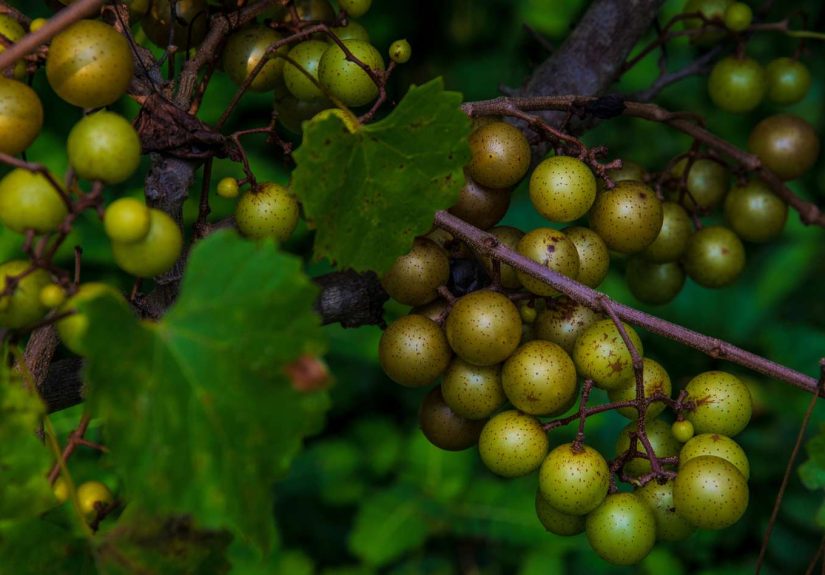
Muscadines are the grapes that don’t politely “grape.” They show up thick-skinned, seed-packed, and proudly muskylike they
just left a Southern summer party and forgot to tone it down for company. Scuppernongs are simply a bronze-colored muscadine
variety, so when someone says “scuppernong jelly,” you can mentally translate it as “muscadine jelly, but wearing a golden
tuxedo.”
The good news: that bold flavor is exactly why they make legendary jelly. The trick is doing it in a way that actually sets,
tastes like fruit (not a sugar cube with ambitions), and stays safe on the shelf. Below you’ll get a classic, no-pectin
recipe (old-school, deeply grapey), plus a faster pectin option (reliably set, weeknight-friendly). I’ll also walk you through
gel tests, canning basics, altitude notes, and the most common “why is this syrup?” heartbreakers.
What Makes Muscadine (and Scuppernong) Jelly Different?
Compared with thin-skinned table grapes, muscadines have tougher skins and bigger seeds, and their flavor is more intensesweet,
floral, and “wild grape” in the best possible way. That’s why most jelly methods start by turning whole grapes into juice first,
then straining well. Think of it as extracting the good stuff and leaving the chewy drama behind.
Why your jelly sets (or doesn’t)
Jelly is basically tasty kitchen chemistry: fruit juice + sugar + acid + (sometimes) pectin. With no added pectin, you boil the
mixture until enough water evaporates and the natural pectin can form a gel. With added pectin, you follow a stricter ingredient
ratio and a shorter “hard boil” window for a dependable set.
Recipe at a Glance
- Flavor: bold grape, floral, slightly musky (in a good way)
- Batch size: about 3–4 half-pint jars (no-pectin version)
- Best for: biscuits, toast, peanut butter sandwiches, glazing pork or chicken, and impressing relatives
- Choose your path: Traditional (no pectin) or Quick-Set (with pectin)
Equipment You’ll Want (and Why)
- Large pot for cooking grapes and juice
- Jelly bag / cheesecloth-lined strainer for clear juice (don’t squeezemore on that soon)
- Wide saucepan or preserving pan for boiling jelly (more surface area = faster evaporation)
- Candy/jelly thermometer (helpful, especially for no-pectin batches)
- Jar funnel + ladle for neat filling
- Boiling-water canner (or a deep stockpot with rack) for shelf-stable storage
How to Make Muscadine or Scuppernong Juice
This is the foundation. Make great juice and your jelly will taste like a vineyard vacation instead of “generic purple.”
Step 1: Prep the grapes
- Pick grapes that are just ripe (overripe fruit can taste flat and may set unpredictably).
- Rinse well and remove stems.
- Crush grapes. (A potato masher works. So does clean determination.)
Step 2: Cook to release the juice
- Put crushed grapes in a pot.
- No-pectin method: Do not add water. Bring to a boil, then simmer about 10 minutes, stirring often.
- Press or drain to collect the hot juice.
Step 3: Chill and strain (the “don’t squeeze” rule)
Pour juice into a glass or food-safe container and refrigerate overnight. The next day, strain through a cloth jelly bag or
cheesecloth. Do not squeeze the bag. Squeezing pushes fine pulp through and can make your jelly cloudy.
(Cloudy jelly still tastes great, but if you’re going for that jewel-like shine, hands off the bag.)
Traditional Muscadine or Scuppernong Jelly (No Added Pectin)
This is the classic approach: fewer ingredients, more boiling, maximum fruit character. If you love the idea of jelly that tastes
like actual grapes (imagine that!), start here.
Ingredients
- 4 cups muscadine or scuppernong juice
- 3 cups granulated sugar
Instructions
- Prepare jars: If your processing time will be under 10 minutes, use sterilized jars (keep them hot until filling).
- In a wide saucepan, bring 4 cups juice to a boil.
- Add 3 cups sugar. Stir until dissolved.
- Boil rapidly over high heat until the mixture reaches gel stage. Use one (or two) of the tests below.
- Remove from heat. Skim foam quickly.
- Ladle hot jelly into hot jars, leaving 1/4-inch headspace. Wipe rims, apply lids, and finger-tighten bands.
- Process in a boiling-water canner, adjusting time for altitude. Let jars rest 12–24 hours before checking seals.
How to Know When It’s Ready: Gel Tests That Actually Work
- Temperature test: Gel point is about 8°F above the boiling point of water where you live. (Altitude changes this.)
-
Spoon/sheet test: Dip a cool metal spoon into the boiling mixture and lift it out of the steam.
Early on, it drips in thin drops. As it nears gel stage, the drops “sheet” together and slide off as one thicker curtain. -
Cold plate/freezer test: Put a small spoonful on a cold plate, chill briefly, then push it with your finger.
If it wrinkles and holds its shape, you’re there.
Quick-Set Muscadine Jelly (With Added Pectin)
If you want a reliable set with less guesswork, pectin is your friend. The tradeoff is you must follow the measurements closely.
Jelly makers who “freestyle” ingredient ratios often end up with either syrup or grape-flavored rubber.
Ingredients (typical liquid-pectin style batch)
- 4 cups prepared muscadine/scuppernong juice
- 7 cups granulated sugar (measure exactly; don’t reduce unless using a low-sugar pectin designed for it)
- 1 pouch liquid fruit pectin (commonly 3 oz; follow the pectin package directions you’re using)
- Optional: 1/2 tsp butter to reduce foam (some long-storage batches may develop off-flavor, so optional means optional)
Instructions
- Prepare jars and canner. Keep jars hot.
- In a large pot, combine juice and sugar. Bring to a full rolling boil, stirring constantly.
- Add liquid pectin, return to a full rolling boil, and boil hard for exactly 1 minute (or the time specified by your pectin).
- Remove from heat, skim foam, and fill jars leaving 1/4-inch headspace.
- Process in a boiling-water canner, adjusting for altitude.
Powdered pectin note
Powdered pectin usually gets added before sugar (and the order matters). Always follow the specific pectin directions you have.
“Pectin is pectin” is how jelly gets its villain origin story.
Boiling-Water Canning Basics (So You Don’t Cry Later)
- Use a rack: Jars should not sit directly on the pot bottom.
- Water coverage: Keep jars covered by at least 1–2 inches of water while boiling.
- Timing starts at a boil: Start your processing time when the water returns to a full boil.
- Altitude matters: Higher elevations need longer processing times.
- Cool undisturbed: Let jars cool 12–24 hours. Don’t re-tighten bands. Don’t poke the lids like they owe you money.
Even with high sugar, molds can grow on improperly stored spreads. A boiling-water process is the standard route for safe, shelf-stable jars.
If any jar doesn’t seal, refrigerate it and use first.
Troubleshooting: Common Jelly Problems (and Fixes)
1) “My jelly didn’t set.”
- Likely cause: Under-cooked (no-pectin) or incorrect ratio/old pectin (pectin batch).
- Fix: For no-pectin jelly, re-cook and use a thermometer + sheet test. For pectin jelly, remake following the pectin directions exactly.
- Prevention: Use fresh pectin each season and measure ingredients precisely.
2) “It’s too firm.”
- Likely cause: Overcooked (no-pectin) or too much pectin.
- Fix: Serve it as a cheese-board “paste” and pretend you meant to do that. (Or warm it gently and use as glaze.)
3) “It’s cloudy.”
- Likely cause: Squeezed the jelly bag or over-pressed the pulp.
- Fix: Enjoy it anyway. Cloudy jelly is still deliciousjust less sparkly in the jar.
4) “There’s foam on top.”
- Fix: Skim quickly after boiling. Foam won’t hurt safety; it’s just not as pretty.
Flavor Ideas That Still Taste Like Grapes
- Vanilla-kissed: Stir in 1 tsp vanilla at the very end (off heat).
- Citrus lift: Add a little lemon zest while boiling (avoid big chunks).
- Spiced: A small cinnamon stick while boiling, removed before filling jars.
- Hot-sweet: Turn some into a pepper jelly-style spread (use a tested pepper-jelly method for safe ratios).
How to Use Muscadine/Scuppernong Jelly (Besides Spoon-to-Mouth)
- Warm and brush on roasted chicken, pork tenderloin, or ham in the last 10 minutes.
- Swirl into plain yogurt with toasted pecans.
- Spread on biscuits, cornbread, or peanut butter toast.
- Serve with sharp cheddar or creamy brie and crackers.
- Stir a spoonful into barbecue sauce for a fruity backbone.
FAQ
Is scuppernong jelly different from muscadine jelly?
Not fundamentally. Scuppernongs are a muscadine type (bronze). Expect a lighter color and a slightly different aroma, but the method is the same.
Can I reduce the sugar?
For pectin recipes: not unless you’re using a low-sugar/no-sugar pectin designed for that purpose. For no-pectin jelly: sugar affects both set and preservation,
so changing it will change results.
Do I have to can it?
If you want shelf-stable jars, yesuse a boiling-water process. If you’d rather skip canning, make a smaller batch and refrigerate, or use a freezer-jelly method.
Conclusion
Muscadine (and scuppernong) jelly is one of those kitchen projects that feels old-fashioned in the best way: a pot bubbling, the whole house smelling like grapes,
and jars cooling on the counter like edible trophies. Choose the traditional no-pectin route for deep, bold fruit flavoror the pectin route for speed and certainty.
Either way, measure carefully, use reliable gel tests, and treat safe canning steps like the non-negotiable plot armor they are. Your future self will thank you
every time a biscuit meets a glossy, sunset-colored smear of homemade jelly.
Kitchen Stories & Experiences Around Muscadine (and Scuppernong) Jelly
In many households, muscadine jelly isn’t just a recipeit’s a seasonal event. The grapes don’t ripen all at once, which means “harvest day” can feel like a
leisurely scavenger hunt: a few picked today, a few tomorrow, and suddenly you’ve got a bowl big enough to justify hauling out the canning pot. If you’ve ever
watched someone pluck muscadines, you’ve probably seen the signature move: a gentle squeeze that pops the slippery pulp out of the thick skin like a tiny grape
water balloon. Kids love that part. Adults love it too, but they pretend they’re “checking ripeness.”
The first-time jelly experience often comes with one universal surprise: muscadines are messy in a charming, unapologetic way. Dark varieties can stain fingers
a dramatic shade of purple, and the juice can splatter like it’s auditioning for an abstract art show. That’s why longtime jelly makers tend to have “canning
clothes”the outfit you don’t mind sacrificing to the fruit gods. It’s also why people swear by stirring steadily while simmering the crushed grapes. A watched
pot may not boil, but an unstirred pot will absolutely scorch, and scorched muscadine is a smell you remember.
Then comes the jelly-bag moment, which is basically a patience test disguised as cookery. New jelly makers often want to squeeze the bag to hurry things along.
Seasoned folks will gently move your hands away like you’re about to touch a hot pan. “Let it drip,” they’ll saybecause clear juice makes clear jelly, and clear
jelly looks like something you’d buy at a fancy farm shop for an amount of money you’d rather spend on cheese. The funny part? Even when it turns out a little
cloudy, everyone still eats it. The jar just becomes “the home jar,” the one that gets opened first.
Gel stage is where stories really multiply. Some people trust the thermometer like it’s a life coach. Others trust the spoon test like it’s an inherited family
superpower. Many do both, because nothing motivates scientific rigor like the fear of ending up with grape syrup. If the batch doesn’t set, it’s rarely a tragedy
it becomes pancake topping, cocktail sweetener, yogurt swirl, or “muscadine glaze” for pork. And if it sets too firmly, it magically becomes a “fruit board paste”
that pairs suspiciously well with sharp cheese. In other words, the kitchen adapts.
The best experience, though, is the quiet victory the next morning: jars sealed, counters cleaned, and that first taste on toast. Muscadine jelly has a way of
tasting like late summer even in winter. It’s a small, sweet time capsuleone that tends to get shared, traded, and occasionally guarded. (If you’ve never hidden
a jar from house guests “for later,” you are either very generous or have never made muscadine jelly.)