Table of Contents >> Show >> Hide
- Skyla vs. Mirena at a glance
- 1) Effectiveness: both are “set it and forget it” level
- 2) Duration: 3 years vs. 8 years is a lifestyle decision
- 3) Hormone dose: same ingredient, different “strength”
- 4) Size and insertion: small differences, real comfort implications
- 5) Period changes: this is where people feel the difference most
- 6) Heavy menstrual bleeding: Mirena has a specific FDA indication
- 7) Side effects and risks: what’s common vs. what’s “call the clinic now”
- 8) Fertility after removal: typically quick return
- 9) Practical “day-to-day” questions people actually ask
- So… Skyla or Mirena? A decision guide that won’t lecture you
- Real-world experiences (an extra ): what people commonly report
- Conclusion
- SEO tags (JSON)
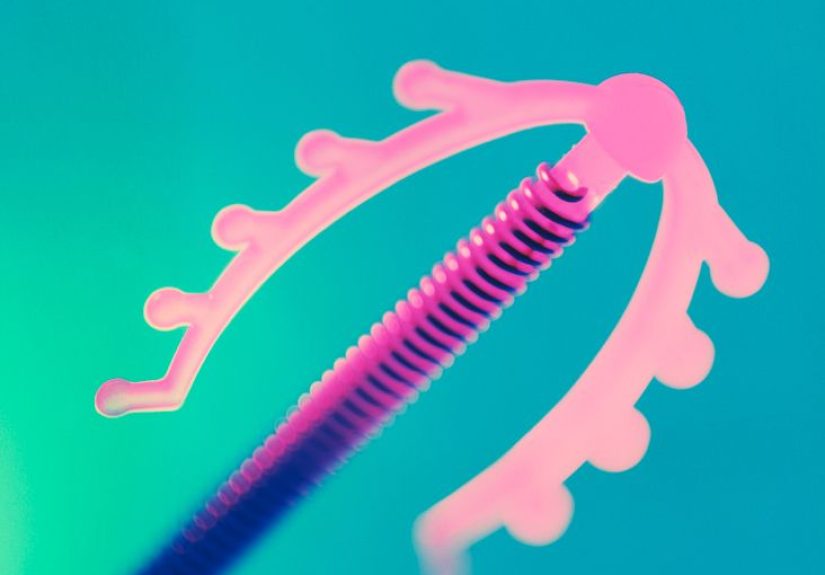
Choosing an IUD can feel like picking a tiny, long-term roommate for your uterus: you want someone reliable, low-drama, and ideally the kind who pays rent in “set-it-and-forget-it” convenience. Two popular hormonal IUDs in the U.S. are Skyla and Mirena. They’re both levonorgestrel-releasing intrauterine systems (LNG IUDs), meaning they use a progestin hormone to prevent pregnancymainly by thickening cervical mucus, affecting sperm movement/survival, and thinning the uterine lining.
But they’re not twins. Think of them as cousins: same family, different personalities. Below is a practical, in-depth comparisonduration, hormone dose, size, bleeding changes, side effects, and the real-world “what does this feel like?” part that people actually care about.
Medical note: This article is for education, not a substitute for personalized medical advice. Your clinician can help match an option to your health history, uterus shape, bleeding goals, and comfort preferences.
Skyla vs. Mirena at a glance
| Feature | Skyla | Mirena |
|---|---|---|
| What it is | Hormonal IUD (levonorgestrel-releasing intrauterine system) | Hormonal IUD (levonorgestrel-releasing intrauterine system) |
| How long it prevents pregnancy | Up to 3 years | Up to 8 years |
| Total hormone in device | 13.5 mg levonorgestrel | 52 mg levonorgestrel |
| Hormone release (early on) | Higher initially, then declines over time (lower-dose overall) | Higher initially, then declines over time (higher-dose overall) |
| Device/inserter size | Smaller device; insertion tube about 3.8 mm diameter | Device is 32 mm × 32 mm; insertion tube about 4.4 mm diameter |
| FDA-approved non-contraceptive benefit | Contraception only | Also approved to treat heavy menstrual bleeding (in people using it for contraception) |
| Period changes (typical) | Irregular spotting early; often lighter periods over time; some people stop periods | Irregular spotting early; often lighter periods over time; higher chance of no periods (amenorrhea) |
| Best for | People who want a shorter commitment, lower-dose option, or a smaller inserter | People who want the longest duration, strongest period-lightening potential, or heavy-bleeding treatment |
1) Effectiveness: both are “set it and forget it” level
In everyday terms, both Skyla and Mirena are among the most effective reversible birth control options available. Once placed correctly, you don’t have to remember a daily pill, time anything with sex, or negotiate with your future self. That’s not just convenienceit’s also why real-world effectiveness stays extremely high.
The main “human error” risks with IUDs aren’t missed doses (because there aren’t any). Instead, the issues tend to be: expulsion (the IUD partially or fully slipping out), rare malposition, or rare perforation during insertion. These events are uncommon, but they matter because they can reduce pregnancy protection.
2) Duration: 3 years vs. 8 years is a lifestyle decision
Here’s the biggest day-to-day difference: Skyla lasts up to 3 years for contraception, while Mirena lasts up to 8 years. That’s not just a numberit’s how long you can “not think about birth control” before you need a swap.
Who tends to love Skyla’s 3-year window?
- Shorter planning horizon: You may want pregnancy sooner, or just prefer a shorter commitment.
- First-time IUD users: Some people like starting with a lower-dose option to see how their body responds.
- “Try it without marrying it” energy: The vibe is: committed, but with an exit strategy.
Who tends to love Mirena’s 8-year runway?
- Maximum convenience: If “future you” is busy, Mirena is a gift to that person.
- Period management goals: Mirena is often chosen when the goal includes lighter periods or treating heavy bleeding.
- Value over time: One insertion can cover most of a decade, which is hard to beat.
3) Hormone dose: same ingredient, different “strength”
Both devices use levonorgestrel (a progestin). The key differences are the amount in the device and how much is released daily, especially early on. Skyla contains 13.5 mg total levonorgestrel; Mirena contains 52 mg. Both release more hormone in the beginning and gradually release less over time.
Important nuance: the hormone is delivered mostly locally in the uterus. That’s why many people tolerate hormonal IUDs well even if they didn’t love systemic hormones in pills. Still, some users do notice hormone-related side effects (more on that below).
4) Size and insertion: small differences, real comfort implications
IUD size isn’t the whole story (your cervix doesn’t read product labels), but it can matter for comfortespecially at insertion. Mirena’s device is 32 mm × 32 mm and its insertion tube is about 4.4 mm in diameter. Skyla’s insertion tube is about 3.8 mm in diameter, and the device is generally considered smaller.
What this means in real life: some peopleespecially those who’ve never been pregnantfind smaller inserters more comfortable. Others feel no difference at all. The provider’s technique, your anatomy, timing, anxiety level, and pain management plan can matter just as much as a fraction of a millimeter.
Pro comfort tip: talk pain management early
If you’re worried about pain, you’re not being dramaticyou’re being practical. Ask what your clinic offers: options may include taking an NSAID beforehand, a numbing approach (like a cervical block), anxiety-reducing strategies, or scheduling when your cervix may be naturally more open. You deserve a plan, not a pep talk.
5) Period changes: this is where people feel the difference most
If you remember nothing else: irregular bleeding and spotting are common in the first 3–6 months with both IUDs. After that, most people see fewer bleeding/spotting daysthough patterns can remain irregular for some.
Mirena and amenorrhea (“no periods”)
Mirena can significantly lighten bleeding, and some people stop periods altogether. In prescribing data, amenorrhea develops in about 20% of Mirena users by one year. That number can be higher with longer use.
Skyla and amenorrhea
Skyla also can reduce bleeding over time, but the odds of complete period-stopping tend to be lower than with Mirena. In clinical trial data, amenorrhea was about 6% by the end of year one and about 12% by the end of year three.
If your #1 goal is “make my period chill”
Many clinicians lean toward Mirena when the priority is stronger period reduction or heavy-flow treatment. If your goal is more modest (lighter periods, fewer cramps) and you prefer a lower-dose device, Skyla may fit.
6) Heavy menstrual bleeding: Mirena has a specific FDA indication
Mirena isn’t just a contraceptive in the FDA labelingit’s also approved for treatment of heavy menstrual bleeding for up to 5 years in people who choose intrauterine contraception. If heavy bleeding is affecting your quality of life, this single factor can tilt the decision strongly toward Mirena.
Practical note: heavy bleeding has many causes (fibroids, polyps, thyroid issues, bleeding disorders, and more). A good clinic will evaluate persistent or unusual bleeding changesespecially if the pattern shifts after you’ve been stable for a while.
7) Side effects and risks: what’s common vs. what’s “call the clinic now”
Common, usually improves
- Cramping and backache for a few days after insertion
- Spotting/irregular bleeding for the first few months
- Headache, acne, breast tenderness, mood changes (varies by person)
- Ovarian cysts can occur; many are benign and resolve on their own
Less common, but important
- Expulsion: the IUD can partially or fully come out, especially in certain postpartum windows.
- Perforation: a rare complication where the IUD passes into/through the uterine wallrisk is higher in some breastfeeding/postpartum situations.
- Infection risk: rare, but urgent if you develop fever/chills or severe pelvic painespecially soon after insertion.
- Ectopic pregnancy: pregnancy is rare with an IUD, but if it happens, ectopic risk is a concern that requires prompt evaluation.
And the classic reminder: neither Skyla nor Mirena protects against STIs. If STI protection matters, condoms are still the MVP teammate (even if they don’t get the same fan mail as IUDs).
8) Fertility after removal: typically quick return
One of the most reassuring points: IUDs are reversible. If you remove the device, many people can conceive within the next year if there are no other fertility factors. In published prescribing data, the probability of conceiving within 12 months after Mirena removal was about 80%. Skyla’s patient information similarly describes pregnancy in the first year after removal for many users who are trying.
9) Practical “day-to-day” questions people actually ask
Can my partner feel it?
Usually, no. The strings can sometimes be felt, especially early on before they soften and curl. If strings are bothering you or a partner, your clinician can often trim them.
Can I use tampons or menstrual cups?
Generally yes. The practical caution is to remove cups/tampons carefully so you don’t tug on strings. If you ever suspect the IUD moved, use backup contraception and contact your clinician.
Do I need to “check the strings” all the time?
You don’t need to turn this into a new hobby. Some people check monthly, others rarely. If you can’t feel strings when you used to, or feel the hard plastic of the IUD, or develop unusual pain/bleeding, it’s worth getting checked.
So… Skyla or Mirena? A decision guide that won’t lecture you
If you’re choosing between Skyla and Mirena, the most helpful question isn’t “Which one is best?” It’s: Which one is best for my goals, my body, and my timeline?
Mirena tends to be a great fit if you want:
- The longest duration (up to 8 years)
- Maximum period-lightening potential
- FDA-approved treatment for heavy menstrual bleeding
- Fewer “replacement appointments” over the next decade
Skyla tends to be a great fit if you want:
- A shorter commitment (up to 3 years)
- A lower-dose device compared with Mirena
- A smaller insertion tube, which may matter for comfort in some people
- A “starter IUD” feeleffective, reversible, and not a long contract
Final thought: the “best” IUD is the one you’ll happily keep in place. Your body doesn’t need a perfect choiceit needs a workable one.
Real-world experiences (an extra ): what people commonly report
Let’s talk about the part that doesn’t fit neatly into a comparison table: the lived experience of having a hormonal IUD. These are common themes reported by patients in clinics and discussed in patient education resources. Your mileage can vary (uteruses are nothing if not opinionated), but patterns do show up.
The first week: “Why is my uterus doing CrossFit?”
Many people describe insertion day as intense-but-short, followed by cramping that feels like a strong period for a day or two. Some have mild discomfort; others need a heating pad and a quiet evening with their favorite comfort show. A common pro move is planning insertion when you can take it easy afterwardbecause scheduling cramps between meetings is a bold choice that rarely pays off.
Months 1–3: spotting roulette
The early adjustment phase is where a lot of the “Is this normal?” anxiety lives. Spotting can be frequent and unpredictable. People often say it’s not heavyjust annoying. Like a leaky faucet: not flooding your house, but still making you question your life decisions. This phase is usually temporary. Knowing that ahead of time can help you stock the right supplies (liners, period underwear, and a sense of humor).
Months 3–6: the plot starts making sense
For many users, bleeding becomes lighter and more predictable by this point. Some Mirena users notice their periods shrinking from “multi-day production” to “two-day cameo.” Skyla users often report lighter bleeding too, but with a higher chance of still having regular-ish periods compared with Mirena.
Year 1 and beyond: two different vibes
Long-term, Mirena is frequently described as the “period minimizer.” People who started with heavy flow sometimes describe a dramatic drop in bleeding, and a subset stop bleeding altogether. For them, it’s not just convenienceit can be life-changing: fewer missed workouts, fewer “emergency pants,” and less planning life around a cycle.
Skyla long-term tends to be described as “lighter, not necessarily gone.” Many users like that balance: less bleeding and cramping, but still a monthly signal that feels familiar. Others wish they’d picked the option with a higher chance of amenorrhea. The takeaway: your preference about having a period is a valid design requirement, not a small detail.
Side effects: the spectrum is wide
Some people feel basically nothing beyond cycle changes. Others report acne flares, breast tenderness, headaches, or mood shifts especially in the first months. A common experience is that side effects, if they show up, are most noticeable early and fade as the body adjusts. If side effects persist or feel severe, people often do best when they bring specifics to the clinician (“headaches twice a week,” “acne on jawline,” “bleeding daily for 8 weeks”) rather than trying to power through silently.
The emotional experience: relief is a real outcome
A lot of users describe an unexpected benefit: mental load reduction. Not having to remember contraception every day can feel like removing a background tab that’s been draining your battery for years. Whether you choose Skyla or Mirena, that “set it and forget it” calm is often the main reason people say, “Why didn’t I do this sooner?”
Conclusion
Skyla and Mirena are both highly effective hormonal IUDs, but they’re designed for different priorities. If you want the longest duration and the strongest period-lightening potential (plus an FDA-approved option for heavy menstrual bleeding), Mirena is often the logical pick. If you want a shorter timeline, a lower-dose device, and a smaller insertion tube that may feel easier for some people, Skyla can be a smart, flexible choice.
The best next step is a short, direct conversation with a clinician about your goals: pregnancy timeline, period preferences, pain management, and any medical history that affects IUD eligibility. Bring your questions. Bring your preferences. Your uterus is not a group project.