Table of Contents >> Show >> Hide
- Start Here: The 15-Minute Closet Reality Check
- Small Closet Ideas: 21 Ways to Maximize Every Inch
- 1) Add a second hanging rod (double your hanging space)
- 2) Switch to slim, matching hangers
- 3) Use cascading hangers (but don’t overdo it)
- 4) Install a closet track system for flexible shelving
- 5) Take storage up to the ceiling (yes, the ceiling)
- 6) Put the back wall to work with hooks
- 7) Use the inside of the door (the “bonus wall”)
- 8) Add shelf dividers to stop “folded pile collapse”
- 9) Use clear or labeled bins for small categories
- 10) Replace one deep shelf with pull-out baskets or drawers
- 11) Use under-shelf hanging baskets for instant extra storage
- 12) Store shoes vertically (or at least off the floor)
- 13) Try a tension rod for scarves, bags, or “outfit staging”
- 14) Use specialty hangers for belts, ties, and bras
- 15) Add lighting (because guessing colors is a trap)
- 16) Rotate seasonally (stop storing July in January)
- 17) Create “zones” like a tiny retail store
- 18) Use a narrow rolling cart for awkward corners (or overflow)
- 19) Add a standing wardrobe or garment rack as a “pressure release valve”
- 20) Use vertical pants hangers (especially for tight rod space)
- 21) Maintain with a simple weekly reset (the secret to staying organized)
- Mini Layout Playbook: What Works for Common Small Closets
- Common Mistakes That Make Small Closets Feel Smaller
- of Real-World Experiences: What Small Closet Upgrades Actually Feel Like
- Conclusion
Small closets have big personalities. They’re the kind of space that can look perfectly fine at 9:00 PM and somehow explode into a sweater avalanche by 9:07. If your closet is tiny, you don’t need a miracleyou need a plan. The good news: most “small closet problems” aren’t actually about size. They’re about layout, visibility, and systems (plus a few hangers that behave like space-hogging linebackers).
This guide breaks down 21 practical, real-world ways to make better use of a small closetmixing DIY tricks, pro organizer logic, and a few “why didn’t I do that years ago?” upgrades. Whether you’re working with a reach-in closet, a rental-friendly setup, or a closet that’s basically a narrow mood swing with a door, these ideas will help you store more, find things faster, and keep the floor clear enough to actually… you know… have a floor.
Start Here: The 15-Minute Closet Reality Check
Before you add a single bin, do this quick reset:
- Pull out anything you haven’t worn in a year (exceptions: formalwear and truly seasonal gear). If you forgot it existed, your closet has already donated it emotionally.
- Sort by category (tops, pants, dresses, outerwear, shoes, accessories). This reveals your real storage needs.
- Measure your space (width, depth, rod height, and that awkward top shelf nobody can reach without a chair and a prayer).
Now you’re ready for improvements that actually match your closet and your life.
Small Closet Ideas: 21 Ways to Maximize Every Inch
1) Add a second hanging rod (double your hanging space)
If most of your wardrobe is short-hang (shirts, skirts, folded-over pants), a second rod is the fastest way to increase capacity. Use the upper rod for shirts and jackets, and the lower rod for pants/skirts. The closet immediately stops acting like it’s doing you a favor.
2) Switch to slim, matching hangers
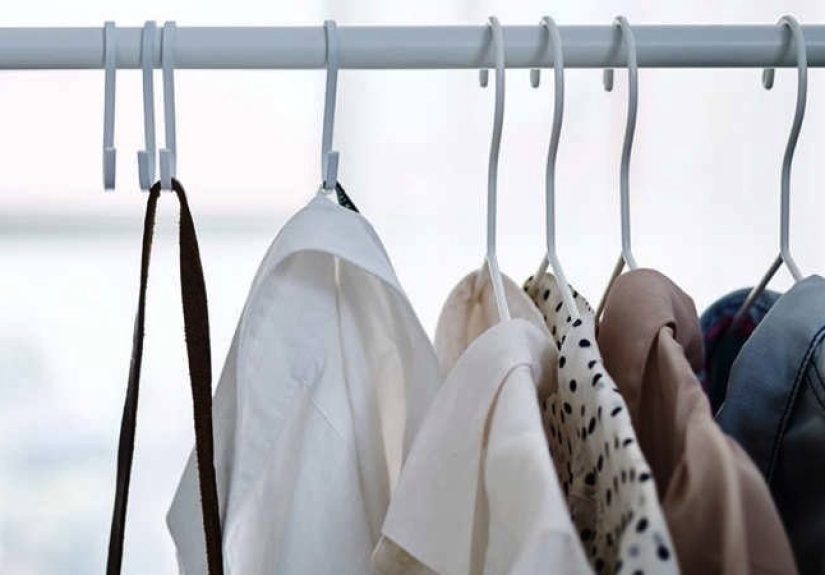
Bulky mismatched hangers waste rod space and cause clothes to slide and bunch. Slim velvet or uniform plastic hangers create a tighter “hanger footprint,” improve visibility, and make your closet look calmereven if your life isn’t.
3) Use cascading hangers (but don’t overdo it)
Cascading hooks let you hang multiple items vertically, great for tanks, camis, bras, or lightweight tops. The trick is moderation: too much cascading can create a dense clump that’s hard to browse (and hard to rehang when you’re late).
4) Install a closet track system for flexible shelving
Adjustable track systems let you move shelves and rods as your needs changemore hanging space today, more shelving later. This is especially helpful if your closet has one lonely rod and a single top shelf pretending that’s enough.
5) Take storage up to the ceiling (yes, the ceiling)
That “air” above your top shelf? It’s unused real estate. Add an extra shelf higher up for seasonal bins, luggage, and occasional-use items. Store light, bulky things up therethink comforters, not dumbbells.
6) Put the back wall to work with hooks
Hooks are small closet MVPs. Add hooks for bags, hats, belts, and tomorrow’s outfit. Hooks keep frequently used items accessible without eating shelf space.
7) Use the inside of the door (the “bonus wall”)
Over-the-door organizers are perfect for shoes, accessories, hair tools, or small items that otherwise become drawer chaos. Choose a low-profile style so the door still closes without a dramatic shove.
8) Add shelf dividers to stop “folded pile collapse”
If you’ve ever pulled one shirt and watched the entire stack lean like it’s fainting, shelf dividers are your fix. They keep piles separated by category (jeans vs. leggings, sweaters vs. tees) and make your shelves usable instead of decorative.
9) Use clear or labeled bins for small categories
Bins prevent tiny items from migrating into a messy ecosystem. Use them for gym gear, swimwear, scarves, or seasonal accessories. Labels aren’t just for aestheticsthey reduce decision fatigue and keep your system consistent.
10) Replace one deep shelf with pull-out baskets or drawers
Deep shelves turn into “stuff caves” where items disappear. Pull-out baskets and drawers make everything visible and reachable. If you can’t see it, you won’t wear itand it will live rent-free in your closet forever.
11) Use under-shelf hanging baskets for instant extra storage
Under-shelf baskets slide onto existing shelves and add a new “layer” for tees, accessories, or clutches. It’s like adding a drawer without committing to a full renovation.
12) Store shoes vertically (or at least off the floor)
Shoes on the floor steal walk space and create clutter fast. Use a hanging shoe organizer, a slim rack, or stacked bins. The goal: shoes have a home that isn’t “wherever they landed.”
13) Try a tension rod for scarves, bags, or “outfit staging”
Tension rods are renter-friendly and surprisingly useful. Add one for scarves on hangers, a small row of handbags, or even to stage outfits for the week. It’s a small change with big “morning you” benefits.
14) Use specialty hangers for belts, ties, and bras
Accessories take up more room than you thinkmostly because they’re never stored in a way that makes sense. A dedicated belt ring, tie rack, or bra hanger keeps them accessible and prevents the “accessory drawer octopus.”
15) Add lighting (because guessing colors is a trap)
Closets are notorious for dim lighting, and dim lighting makes it harder to find things (and easier to buy duplicates). Battery-operated LED puck lights or motion-activated strips can transform how usable a small closet feels.
16) Rotate seasonally (stop storing July in January)
If your closet is small, it can’t host all four seasons at once. Move out-of-season clothing to labeled bins on the top shelf, under the bed, or in a secondary storage area. You’ll instantly free space and reduce daily clutter.
17) Create “zones” like a tiny retail store
Good closets are zoned: everyday items at eye level, occasional items higher, and seldom-used items up top. Group by type and frequency. Your closet should function like a well-run shop, not a storage unit with hangers.
18) Use a narrow rolling cart for awkward corners (or overflow)
If you have a corner, dead space, or a closet-adjacent nook, a slim rolling cart can store accessories, folded tees, or laundry supplies. Bonus: it moves when you need it to, like a helpful little storage sidekick.
19) Add a standing wardrobe or garment rack as a “pressure release valve”
If your closet is truly maxed out, it may need help. A compact wardrobe or rolling garment rack can hold overflow, workwear, or seasonal coats. Think of it as giving your closet a supportive friend, not admitting defeat.
20) Use vertical pants hangers (especially for tight rod space)
Vertical pants hangers or multi-tier hangers can reduce bulk and keep pants from sliding into a wrinkled heap. They also make it easier to see what you own, which helps you wear more of it.
21) Maintain with a simple weekly reset (the secret to staying organized)
The best closet systems aren’t the fanciestthey’re the easiest to maintain. Once a week, do a two-minute reset: rehang strays, return accessories to their homes, and move laundry out. Organization isn’t a one-time event. It’s a small habit that keeps your closet from going feral.
Mini Layout Playbook: What Works for Common Small Closets
Reach-in closet (standard bedroom closet)
- Best upgrades: double rod + shelf dividers + door organizer
- Pro move: bins up top for seasonal items, shoes off the floor
One-rod-and-a-shelf closet (builder basic)
- Best upgrades: track system or add-on shelf + under-shelf baskets
- Pro move: lighting and zoningmake it easy to keep tidy
Rental closet (no drilling, minimal fuss)
- Best upgrades: tension rods + slim hangers + rolling cart
- Pro move: fabric hanging shelves and labeled bins
Common Mistakes That Make Small Closets Feel Smaller
- Storing “maybe someday” clothes in prime real estate: if it doesn’t fit or you don’t love it, it’s not helping.
- Ignoring vertical space: the top third of many closets is underused.
- Letting the floor become a catch-all: once the floor is messy, everything feels messy.
- Buying organizers before decluttering: you’ll just create a more organized version of “too much stuff.”
of Real-World Experiences: What Small Closet Upgrades Actually Feel Like
People often expect a small closet makeover to feel like a dramatic “before-and-after” TV momentmusic swelling, sunlight streaming, your socks magically folding themselves. In reality, the biggest change is quieter: your mornings get easier. That’s the real win. When you add a second rod or switch to slim hangers, you don’t just gain inchesyou gain time. Suddenly you’re not wrestling a crowded clothing rack like it owes you money. You can slide hangers without snagging sleeves, and you stop yanking one shirt only to pull three others into a tangled group hug.
One common “aha” moment happens when someone zones their closet for the first time. They’ll put daily clothes at eye level, special-occasion items higher up, and off-season pieces in labeled bins on the top shelf. The next day, they open the door and immediately see what they actually wear. It feels a little like upgrading your closet from “storage” to “menu.” You’re not digging for optionsyou’re choosing them. And when you can see your options, you start wearing more of what you own instead of repeating the same three outfits because they’re the easiest to reach.
Another surprisingly emotional upgrade is lighting. People underestimate how much dim closets sabotage decisions. With a simple motion-activated light, the space becomes more functional instantly. Colors look accurate, you notice what needs mending, and you stop buying accidental duplicates of “the same black top” (spoiler: you already own five). Good lighting also makes a small closet feel less cramped because shadows aren’t swallowing the back corners.
Shoe storage is where small closets often turn the corner from chaos to calm. When shoes live on the floor, the closet feels like a traffic jam. But once shoes move into a hanging organizer or a slim rack, you get walking space backand walking space changes everything. The closet stops feeling like a narrow obstacle course and starts feeling like a usable area. Even if you’re not physically stepping inside, having a clear floor makes the whole closet look and feel more organized.
Finally, the most realistic “experience-based” truth: maintenance matters more than perfection. The closets that stay organized are the ones with simple rules: hooks for bags, a bin for workout gear, a divider for jeans, and a weekly two-minute reset. People who succeed don’t have superhuman disciplinethey have fewer decisions to make. If every category has a home, putting things away is almost automatic. And when your closet is small, automatic beats ambitious every single time.
Conclusion
A small closet doesn’t need to be a daily frustration. With smarter hanging space, better vertical storage, and a few visibility upgrades (hello, lighting), you can make your closet easier to use and easier to keep tidy. Start with decluttering, choose upgrades that match your closet type, and build a system you can maintain without turning it into a weekend-long event. Your closet can be small and functional. It just needs to stop working against you.