Table of Contents >> Show >> Hide
- What is a soft food diet?
- Who might need a soft food diet?
- Types of soft food diets
- Soft foods you can eat
- Foods to avoid on a soft food diet
- 1-day sample soft food menu
- Tips for success on a soft food diet
- When to call your healthcare provider
- Real-life experiences and practical tips with a soft food diet
- Experience 1: “Day 3, and I never want to see another mashed potato again.”
- Experience 2: “Eating out or with friends feels awkward.”
- Experience 3: “I thought soft food would be easy… but I’m exhausted.”
- Experience 4: “I’m worried I’m not eating ‘healthy enough.’”
- Experience 5: “I’m scared to eat after a choking or pain episode.”
- Bottom line
If your doctor just told you to follow a soft food diet, you might be thinking,
“So… am I basically living on mashed potatoes and pudding now?” Good news: a soft diet can be
way more varied (and tasty) than that. With the right ideas, you can still get enough protein,
vitamins, and even some fun treatswithout making your mouth, throat, or digestive system hate you.
This guide walks you through what a soft food diet is, who needs it, what you can eat, what you
should avoid, and how to make it all work in real life. Think of it as your roadmap for staying
nourished and comfortable while your body heals.
What is a soft food diet?
A soft food diet is a way of eating that focuses on foods that are easy to chew, swallow, and digest.
The foods are usually:
- Soft in texture (think “fork-tender” or “mashed potato” consistency)
- Moist rather than dry or crumbly
- Low in tough fibers, skins, and seeds
- Gentle on a healing or sensitive digestive tract
Unlike a full liquid diet, which is mostly liquids and foods that melt to liquid at room
temperature, a soft diet can still include “real” foodsjust in softer, easier-to-handle forms.
Who might need a soft food diet?
A soft diet is usually prescribed or recommended by a healthcare professional.
Common reasons include:
- Recovery after dental procedures (like wisdom tooth extraction, implants, or jaw surgery)
- Oral or throat surgery that makes chewing or swallowing painful
- Difficulty swallowing (dysphagia) due to neurological or muscular conditions
- Flares of gastrointestinal conditions such as diverticulitis, Crohn’s disease, or ulcerative colitis
- Irritation of the esophagus or stomach, such as severe reflux or ulcers
- General weakness or illness that makes hard chewing exhausting
Always follow the specific instructions from your care team. A “soft diet” in one situation
may be slightly different in another.
Types of soft food diets
Not all soft diets are exactly the same. Your provider may use a specific term such as
“mechanical soft,” “puréed,” or “soft, bland diet.” Here’s how they differ in everyday language.
Mechanical soft diet
A mechanical soft diet includes foods that are naturally soft or can be made soft by
chopping, mashing, grinding, or moistening. You’re still eating recognizable foodsjust modified
so they require less chewing. Examples:
- Ground or finely chopped meats in gravy or sauce
- Soft-cooked vegetables, chopped or mashed
- Soft fruits without skins, seeds, or tough membranes
- Well-cooked pasta, rice, or noodles
This type of diet is often used for people who can chew a bit but need foods that break down easily.
Puréed diet
A puréed diet takes things one step further. Foods are blended to a smooth, pudding-like
consistency with no lumps. It’s commonly used when swallowing safety is a concern. You can purée:
- Cooked meats with broth or gravy
- Vegetables and starches with a bit of liquid (water, broth, milk)
- Fruits without tough skins, blended until smooth
The goal is a completely smooth texture that doesn’t require chewing at all.
Soft, bland diet
A soft, bland diet is designed more for digestive comfort than chewing difficulty.
Foods are both soft and mildmeaning:
- Lightly seasoned (not spicy)
- Not very fatty, greasy, or fried
- Low in acid (for example, no citrus or tomato-heavy dishes if they bother you)
This approach is common for people with stomach or intestinal irritation who still want gentle,
easy-to-digest foods.
Full and clear liquid diets (often used before soft diets)
You might step through a clear liquid diet (broth, clear juice, gelatin) and a
full liquid diet (creamy soups, milk, yogurt, pudding, shakes) before graduating
to a soft diet. These are usually short-term phases around surgery or medical procedures.
Soft foods you can eat
Here’s the fun part: what you can eat. The exact list will depend on the type
of soft diet you’re on, but these categories cover the usual “safe” options.
Protein foods
Protein helps your body heal, maintain muscle, and stay satisfied. Soft, protein-rich options include:
- Scrambled eggs, soft boiled eggs, or omelets
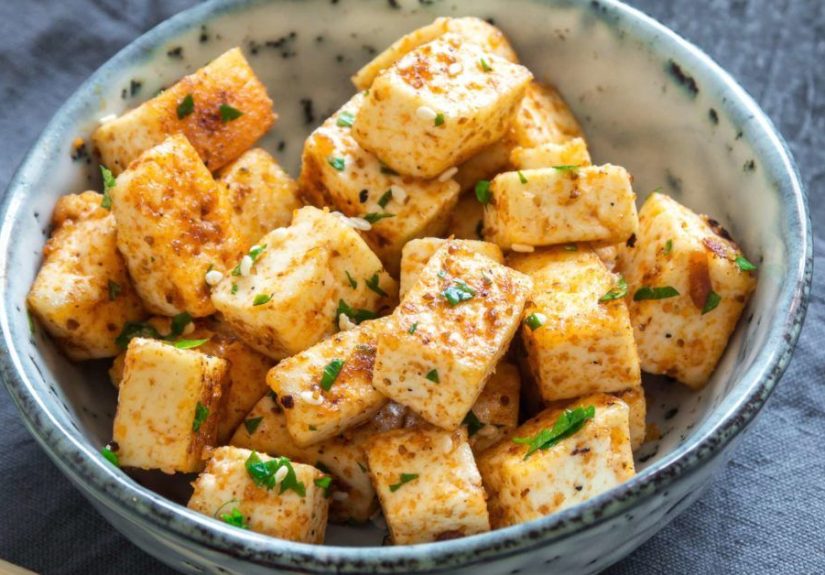
- Soft tofu or silken tofu (great in soups and smoothies)
- Fish that flakes easily, such as salmon, cod, or tilapia (baked, poached, or steamed)
- Ground meats cooked until tender and served with sauce or gravy
- Soft beans or lentils, mashed or well-cooked (if your gut tolerates them)
- Smooth nut butters (peanut, almond, cashew) thinned with yogurt, milk, or water
- Greek yogurt, cottage cheese, ricotta cheese
If chewing is very limited, you can blend these into soups, purées, or smoothies to keep your protein intake up.
Grains and starches
Carbs provide energy, and many are naturally soft when cooked well:
- Oatmeal, cream of wheat, grits, or other hot cereals cooked until smooth
- Well-cooked pasta or noodles with a soft texture (avoid al dente)
- Very soft white rice or well-cooked quinoa
- Mashed potatoes or mashed sweet potatoes with butter, oil, or gravy
- Soft pancakes or French toast soaked in syrup or milk
- Soft bread without seeds or crusty edges (if allowed in your plan)
If you’re on a low-fiber soft diet for a gut flare, your team may steer you toward refined grains
(white bread, white rice) rather than whole grains until your symptoms improve.
Fruits and vegetables
You can still get vitamins and antioxidantsjust in a softer form:
- Ripe bananas, mashed with a fork
- Applesauce or other fruit sauces (peach, pear, apricot)
- Canned fruits in juice (without skins, membranes, or seeds)
- Very ripe avocado, mashed or spread
- Well-cooked carrots, squash, pumpkin, or sweet potato, mashed or puréed
- Cooked spinach or other tender greens, finely chopped and drained
- Blended vegetable soups (like butternut squash or carrot soup) without large chunks
Raw, crunchy vegetables and fruits with thick skins or lots of seeds (like raw apples, popcorn,
raw carrots, or seedy berries) usually need to wait until you’re cleared by your provider.
Dairy and dairy alternatives
Many dairy products naturally fit into a soft food diet:
- Yogurt (plain, Greek, or flavored, without nuts or granola mixed in)
- Pudding or custard
- Soft cheeses like cottage cheese, ricotta, or cream cheese
- Milk and lactose-free milk, as tolerated
- Fortified soy, oat, or almond milk if you’re dairy-free
- Ice cream or frozen yogurt (let it soften; choose versions without nuts or hard mix-ins)
If dairy tends to upset your stomach, lactose-free or plant-based options can work just as well.
Snacks, sweets, and treats
Healing doesn’t mean your snack life is over. Soft snack ideas include:
- Gelatin cups
- Popsicles (great after oral surgery, as long as they’re not too icy or sharp)
- Smoothies made with soft fruits, yogurt, and milk or milk alternatives
- Soft muffins without nuts or seeds, if allowed in your specific plan
- Rice pudding or tapioca pudding (if you tolerate the texture)
Just watch out for added nuts, seeds, coconut flakes, or crunchy toppings that can sneak into
desserts and turn them into dental or digestive landmines.
Foods to avoid on a soft food diet
The “do not eat” list will vary depending on why you’re on the diet, but in general you should
avoid foods that are:
- Hard and crunchy: nuts, chips, crusty bread, crackers, popcorn
- Very chewy or sticky: tough steak, jerky, chewy candy, caramels, taffy, gum
- Stringy or fibrous: raw celery, raw cabbage, pineapple core, tough meat fibers
- Full of seeds or hard bits: seeded bread, whole seeds, granola, seedy berries, corn
- Very spicy or acidic if your stomach or mouth is irritated
- Very hot in temperature, which can irritate a healing mouth or throat
- Carbonated or alcoholic drinks if your provider has told you to avoid them
If you’re recovering from oral surgery, you’ll often be told to skip drinking through a straw
at first because the suction can disturb healing. If your issue is swallowing, you may also need
special guidance on thickened liquids.
1-day sample soft food menu
Use this as inspiration and adjust to your own medical plan, cravings, and cultural preferences.
Breakfast
- Soft scrambled eggs cooked with a little cheese
- Cream of wheat made with milk, thinned to your preferred consistency
- Half a ripe banana, mashed into the cereal
Mid-morning snack
- Greek yogurt with a spoonful of applesauce stirred in
Lunch
- Blended vegetable soup (for example, carrot and potato with broth)
- Soft white bread lightly buttered, or mashed potatoes if bread is not advised
- Puréed peaches or canned peaches in juice
Afternoon snack
- Smoothie made with milk, soft banana, and peanut butter (no seeds, no straw)
Dinner
- Baked salmon, flaked and mixed with a little mayo or yogurt to keep it moist
- Mashed potatoes or soft polenta
- Well-cooked carrots, mashed with a bit of butter or oil
Evening treat
- Pudding cup or a small bowl of softened ice cream
This menu gives you protein at every meal, a mix of carbs and fats, and a variety of soft textures
so you don’t get bored on day two.
Tips for success on a soft food diet
1. Think “moist and mashable”
Whatever you’re eating, ask yourself: can I easily mash this with a fork or my tongue against
the roof of my mouth? If the answer is no, it probably needs more cooking time, more liquid,
or a different choice altogether.
2. Chew more than you think you need to
Even soft foods benefit from extra chewing. It helps your digestion and reduces the risk of
choking or discomfort, especially if you’re dealing with swallowing issues.
3. Don’t forget protein and calories
It’s surprisingly easy to under-eat when every meal requires effort. To keep your energy and
healing on track:
- Add powdered milk or protein powder to soups, hot cereals, and smoothies.
- Use healthy fats (olive oil, avocado oil, butter) to enrich mashed potatoes, purées, and soups.
- Include yogurt, eggs, tofu, or soft meats at most meals and snacks.
4. Watch for constipation
Soft does not automatically mean high fiber. If your provider allows it, you can gradually
include soft fruits, cooked vegetables, and whole-grain hot cereals. Drink enough fluids
(unless you’re on a fluid restriction) to keep things moving.
5. Season smart
A soft food diet does not have to be bland unless your stomach says so. If you’re allowed:
- Use mild herbs and spices like basil, parsley, dill, or a little garlic.
- Try small amounts of cheese, lemon zest (if acid is OK), or mild sauces.
- Avoid very spicy, acidic, or heavily fried toppings if they cause discomfort.
6. Check in with your healthcare team
If you’re losing weight without trying, feeling weak, or struggling to get enough food down,
speak with your provider or a registered dietitian. They can tweak your meal plan or suggest
medical nutrition shakes and supplements.
When to call your healthcare provider
A soft food diet is usually temporary. Call your provider if you notice:
- New or worsening pain when swallowing
- Coughing, choking, or food “going down the wrong way”
- Unintentional weight loss, dizziness, or fatigue
- Ongoing nausea, vomiting, or severe diarrhea/constipation
- Signs of infection after surgery, such as fever or increased swelling
Don’t wait for things to get “really bad” before asking for help. Early adjustments can
prevent bigger problems later.
Real-life experiences and practical tips with a soft food diet
Reading rules is one thing; living on a soft food diet day after day is another story.
Here are some common experiences people reportand the tricks that make life easier.
Experience 1: “Day 3, and I never want to see another mashed potato again.”
This is the classic soft-diet complaint: boredom. The first 24 hours feel kind of cozy,
like you’re at a sleepover with endless pudding. By day three, you’d trade a small fortune
for something crunchy. The fix? Variety in texture and flavor, even within soft foods.
Try rotating between:
- Silky (smooth soups, yogurt, purées)
- Fluffy (scrambled eggs, whipped potatoes)
- Creamy with tiny soft bits (cottage cheese, very tender noodles)
Switching between savory and sweet also helps. Have a savory breakfast bowl of soft eggs
and avocado one day, and a sweet bowl of oatmeal with mashed banana the next. The more
variety you build in, the less you’ll feel like you’re stuck in an all-pudding universe.
Experience 2: “Eating out or with friends feels awkward.”
Social situations can feel strange when you’re the only one not crunching on chips or
biting into a burger. One helpful strategy is to plan ahead. If you’re going to
a restaurant, check the menu online and look for:
- Soups that can be blended or are naturally smooth
- Mashed potatoes or soft polenta
- Soft fish dishes or well-cooked pasta
Don’t be shy about asking for modifications: sauce on the side, extra gravy, or foods to
be chopped finely. Most restaurants are used to working around medical needs. With friends
or family, you can bring a soft dish you know you can eatlike a creamy casserole or a
blended soupand quietly enjoy your portion without making your diet the main topic of the night.
Experience 3: “I thought soft food would be easy… but I’m exhausted.”
It sounds counterintuitive, but a soft food diet can be more work than a regular one.
You might be cooking longer to soften foods, doing more blending, and eating more frequently
because soft meals can feel less filling. Many people feel tired, not just from their
illness or surgery, but from the effort of planning and preparing every bite.
A few survival tips:
- Batch cook and freeze soft-friendly meals in small containers (soups, puréed stews, mashed vegetables).
- Stock “grab-and-go” options like yogurt, pudding, cottage cheese, and ready-to-drink nutrition shakes.
- Use kitchen tools: an immersion blender, food processor, or even a simple potato masher can save time and arm strength.
When your energy is low, having ready-made soft options can make the difference between
“I ate something decent” and “I gave up and had ice cream for dinner again.”
Experience 4: “I’m worried I’m not eating ‘healthy enough.’”
Many people imagine “healthy eating” as giant salads and crunchy applesso a soft diet can
feel like the opposite of what they’ve been told to do. It helps to remember: a soft food
diet is usually temporary and therapeutic. In this season, the priorities are:
- Getting enough calories to heal
- Getting enough protein to protect muscle and tissue
- Avoiding foods that cause pain, irritation, or safety risks
You can still build in nutrition by choosing:
- Soft fruits and vegetables (ripe bananas, applesauce, puréed carrots, pumpkin, or squash)
- Protein-rich soft foods (eggs, yogurt, soft fish, tofu, beans if tolerated)
- Fortified milks and cereals
Once you’re cleared to transition back to a regular diet, you can gradually reintroduce
crunchy salads, raw veggies, and whole grains. For now, giving your body the texture it
needs is a form of taking care of your health.
Experience 5: “I’m scared to eat after a choking or pain episode.”
If you’ve had a scary swallowing episode or severe pain while eating, it’s normal to feel
anxious about your next meal. A soft food diet can actually be a bridge back to confidence.
Start with the easiest foods for you personallymaybe smooth yogurt, pudding,
or blended soupand build from there.
Eating slowly, taking small bites, and sitting fully upright can help you feel more in control.
If fear or anxiety about eating is strong, tell your care team; speech-language pathologists
and dietitians specialize in helping people eat safely and comfortably again.
Bottom line
A soft food diet doesn’t have to mean boring, undernourishing, or miserable.
With a bit of planning, you can still enjoy comforting, flavorful meals that are gentle on
your mouth and digestive system while your body heals. Keep your focus on protein, enough
calories, and safe textures, and lean on your healthcare team for personalized guidance.
This isn’t foreverit’s just one chapter in your recovery.