Table of Contents >> Show >> Hide
- Why Solid Color Decorative Pails Work So Well
- What Counts as a Decorative Pail?
- Best Materials for Solid Color Decorative Pails
- How to Choose the Right Solid Color Decorative Pail
- Decorating Ideas for Every Room
- Using Solid Color Decorative Pails for Seasonal Styling
- Decorative Pails as Centerpieces and Party Accessories
- Can You Use Decorative Pails for Plants?
- Common Mistakes to Avoid
- How to Keep Decorative Pails Looking Good
- Are Solid Color Decorative Pails Worth It?
- Experiences with Solid Color Decorative Pails
- Conclusion
- SEO Tags
Some home accessories try way too hard. They sparkle, shout, and practically demand a standing ovation from your coffee table. A solid color decorative pail, on the other hand, is refreshingly chill. It does not need sequins to be useful. It does not need a motivational quote painted across the front to earn its keep. It simply shows up, looks polished, and holds your stuff like a stylish little overachiever.
That quiet versatility is exactly why solid color decorative pails have become such a smart choice in home decor. They can serve as storage, seasonal styling pieces, planters, utensil holders, tabletop accents, gift containers, party stations, and catchalls for the small items that otherwise roam your home like unsupervised toddlers. Whether you prefer crisp white, matte black, sage green, navy blue, terracotta, or soft cream, a decorative pail in a single color brings order without visual chaos.
In this guide, we will break down what makes solid color decorative pails so useful, how to style them beautifully, where they work best, which materials to choose, and how to keep them looking good instead of looking like they lost a bar fight with the weather.
Why Solid Color Decorative Pails Work So Well
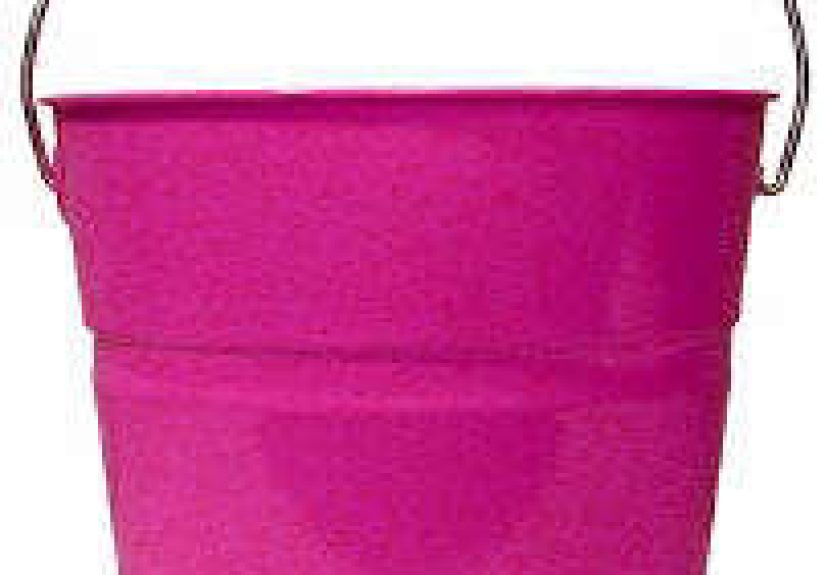
The magic of a solid color decorative pail is simple: it blends in and stands out at the same time. Because the design is not busy, the shape and color do all the work. A clean, monochrome finish feels intentional, tidy, and easy to coordinate with almost any decorating style.
That makes these pails especially useful in homes where you want storage to feel decorative instead of accidental. In a farmhouse space, a creamy white or muted galvanized-look pail adds rustic charm. In a modern room, black or charcoal pails feel sleek and graphic. In coastal or cottage interiors, soft blue, seafoam, or sandy beige pails create a breezy effect. In a playful family room, brighter solids such as coral, yellow, or aqua can add personality without turning the room into a circus.
There is also a practical advantage. Patterns can compete with the rest of your decor, but a solid color acts like a visual pause. It helps your eye rest. It keeps the room from feeling cluttered even when the pail is doing the noble work of hiding charging cords, pet toys, napkins, seed packets, or spare hand towels.
What Counts as a Decorative Pail?
A decorative pail is usually a small to medium bucket-style container designed for display as well as storage. It may be made from metal, tin, galvanized steel, painted steel, enamel-coated metal, ceramic, or sturdy plastic meant to mimic a more elevated finish. Some include handles, labels, wooden grips, embossed details, or nesting sets.
With solid color decorative pails, the finish matters more than fussy decoration. The best ones usually have one dominant tone and a clean silhouette. Think of them as the home decor equivalent of a good plain white sneaker: useful, attractive, and far more versatile than they first appear.
Best Materials for Solid Color Decorative Pails
Painted Metal
This is the classic choice. Painted metal pails feel durable, slightly vintage, and easy to style. They are especially good for entryways, kitchens, patios, and seasonal displays. Matte finishes feel more modern, while glossy finishes can lean retro or cottage-inspired.
Galvanized or Zinc-Finish Metal
If you like farmhouse, industrial, or garden-inspired decor, galvanized styles are incredibly popular. They are practical and charming, especially for floral displays, porch decor, and casual storage. Just remember that decorative use and plant use are not always the same thing. If you are using one for a live plant, drainage and liners matter.
Enamel-Coated Metal
Enamel versions usually look a bit cleaner and more polished. They work nicely in kitchens, bathrooms, and laundry rooms where you want the pail to feel crisp rather than rustic.
Ceramic or Composite Options
These can mimic the pail shape while offering a more refined appearance. They are ideal for tabletops, shelves, or mantels where you want the pail look without the more casual hardware-store vibe.
How to Choose the Right Solid Color Decorative Pail
Before buying one, ask a few useful questions.
What is it actually going to hold?
A pail for faux flowers has different needs than a pail for bar tools, rolled washcloths, or mail. Small pails are perfect for utensils, pens, craft supplies, and party favors. Medium ones work well for towels, cleaning supplies, or tabletop arrangements. Larger pails are ideal for beverage stations, blankets, or porch styling.
Where will it live?
If the pail will sit on open shelving, color coordination matters more. If it is going on a covered porch or near a sink, durability matters more. If it will hold a plant, look for drainage or plan to use it as a cachepot with a nursery pot inside.
Is the finish working with your room?
A soft matte sage pail can calm down a busy kitchen. A glossy red pail can add cheerful energy to a breakfast nook. A black pail can sharpen up a neutral entry table. The best color is the one that either supports your palette or creates one deliberate contrast. Random is rarely chic.
Decorating Ideas for Every Room
Entryway
A decorative pail by the front door can hold umbrellas, dog leashes, gloves, or grab-and-go accessories. Smaller solid color pails on a console table can corral keys, sunglasses, and mail. This is one of the easiest ways to make an entry feel organized without making it look like a supply closet.
Living Room
Use a medium pail beside a chair to hold a throw blanket, magazines, or knitting supplies. A pair of matching pails on a bookshelf can hide remotes, chargers, or kids’ small toys. If you choose a color already found in your rug or pillows, the setup will feel designed rather than improvised.
Kitchen
Solid color decorative pails are excellent for wooden spoons, wrapped utensils for gatherings, napkins, herb pots, snack packets, and coffee station accessories. White, navy, black, or soft green work especially well in kitchens because they feel clean and timeless.
Bathroom
Small pails can hold cotton rounds, brushes, bath salts, rolled washcloths, or spare toilet paper. They are a smart alternative to generic plastic bins because they bring texture and personality while still keeping the room neat. Bathrooms are also where a coordinated set really shines.
Laundry Room
Pails are perfect for clothespins, dryer sheets, stain tools, lint rollers, and lost socks waiting for their dramatic reunion. A row of solid color pails on a shelf can make a hardworking laundry zone feel surprisingly pulled together.
Patio or Porch
Decorative pails can hold faux stems, potted herbs, gardening gloves, citronella candles, or rolled outdoor hand towels. For a porch display, group pails in different heights but keep the finish consistent. That gives the arrangement charm instead of clutter.
Using Solid Color Decorative Pails for Seasonal Styling
This is where these little containers really earn their applause.
In spring, fill them with tulips, faux moss, pastel eggs, or seed packets. In summer, use them for picnic utensils, drink bottles, striped paper straws, or mini potted herbs. In fall, they look great with wheat stems, mini pumpkins, pinecones, or mums. In winter, add evergreen clippings, ornaments, fairy lights, or rolled napkins for holiday tables.
Because the pail itself is a solid color, it gives the seasonal pieces room to shine. You do not need a new container every season. You just restyle the one you already have. Your wallet may actually smile for once.
Decorative Pails as Centerpieces and Party Accessories
A solid color decorative pail can also work beautifully when entertaining. Use one as a floral centerpiece, a casual beverage tub, a holder for wrapped flatware, or a container for party favors. For outdoor parties, they are practical because they are sturdy and easy to move.
When using a pail for flowers, place a clean liner or vase inside if needed. That makes arranging easier and helps protect the finish. Keep the arrangement low enough for conversation if it will sit at the dining table. For a self-serve drink station, group bottles, cups, napkins, and garnishes nearby so the pail is part of a tidy zone rather than a lonely bucket full of melting ice.
Can You Use Decorative Pails for Plants?
Yes, but with a few smart precautions. If the pail has drainage holes, it can work as a true planter. If it does not, it is often better to use it as a cachepot, meaning you place a smaller nursery pot inside it. That protects roots from sitting in water and makes maintenance easier.
Metal containers can also heat up in strong sun, so placement matters. On a porch or patio, a decorative pail may be better for herbs, annuals, or temporary displays than for plants that hate temperature swings. Indoors, the pail shape is great for plant styling as long as you manage moisture properly.
Common Mistakes to Avoid
Overstuffing
If the container is bulging with random stuff, it stops being decorative and starts auditioning for a decluttering intervention. Give contents breathing room.
Ignoring Scale
A tiny pail on a huge farmhouse table looks lost. A giant one on a narrow vanity looks ridiculous. Match the pail size to the furniture and the amount of stuff it needs to hold.
Choosing the Wrong Finish
A distressed pail may look wonderful in a rustic mudroom and all wrong in a polished contemporary kitchen. Color is only half the equation; sheen and texture matter too.
Using Live Plants Without a Plan
No drainage plus too much water equals unhappy roots. Decorative does not mean magical.
How to Keep Decorative Pails Looking Good
Dust them regularly and wipe with a soft damp cloth as needed. Dry metal finishes well after cleaning. If you use one for fresh flowers, empty and clean the liner or interior promptly. If it sits outdoors, protect it from prolonged standing water unless the product is designed for exterior use. For painted finishes, avoid harsh scrubbers that can chip or dull the surface.
If a metal pail develops light rust and you still love the look, that is not always a disaster aesthetically. Some people want the patina. But if you want a cleaner appearance, address the rust early and consider using liners for future floral or plant arrangements.
Are Solid Color Decorative Pails Worth It?
Absolutely. They are one of those rare decor items that manage to be affordable, flexible, and genuinely useful. They can make a room feel more organized, add color without chaos, help with entertaining, and transition across seasons with very little effort.
In other words, solid color decorative pails are not flashy divas. They are the dependable supporting actors of home decor, and honestly, the supporting actors are usually the reason the whole production works.
Experiences with Solid Color Decorative Pails
One of the reasons people keep coming back to solid color decorative pails is that they are easy to live with. They do not require a complete room makeover, and they do not demand a designer budget. You can add one to a shelf, a counter, or a porch step and immediately notice that the space looks more finished. That kind of low-drama decorating win is rare.
In real homes, decorative pails often become the item that gets repurposed the most. A white pail that starts life on the kitchen counter holding wooden spoons may end up on a spring table with tulips, then move to the bathroom for rolled washcloths, then head outside in summer to hold packets of cutlery for a barbecue. The experience is less about one fixed use and more about flexibility. That is what makes the purchase feel smart instead of trendy.
They are also surprisingly helpful for people who want their homes to feel organized but not sterile. Plastic bins may be practical, but they rarely make anyone feel excited about a bookshelf or guest bathroom. A solid color pail adds shape, a little texture, and enough personality to make storage feel decorative. Even a small one on a desk can make paper clips, pens, and sticky notes look intentional instead of chaotic.
Another common experience is how well pails work for seasonal decorating without creating a huge storage problem. Many seasonal accessories are one-hit wonders. They look cute for three weeks and then spend eleven months taking up closet space. Decorative pails are different. A navy or cream pail can work all year long, and the seasonal look comes from what you put inside it. Faux lemons in summer, pine sprigs in winter, mini pumpkins in fall, and fresh flowers in spring all create a new mood without forcing you to buy a new base every time the calendar changes.
People also tend to appreciate how forgiving these pieces are. If a shelf looks a little empty, add a pail. If a corner looks awkward, add a pail with a plant. If a party table looks flat, add a pail with utensils, flowers, or drinks. It is not exactly rocket science, but that is part of the appeal. Decorative pails solve visual problems quickly.
Of course, experience teaches a few lessons too. Very cheap versions may chip easily. Outdoor use can age finishes faster than expected. And not every pail should be used directly with water or soil. Many people learn that using a liner, insert, or smaller inner pot makes life much easier. Once you figure that out, the pail becomes much more versatile and much less likely to leave you scrubbing rust rings off a tabletop while questioning your design choices.
The overall experience of decorating with solid color decorative pails is refreshingly practical. They are simple to style, easy to move, adaptable across rooms, and helpful in every season. Most of all, they make homes feel lived in, organized, and a little more thoughtful. For such a humble object, that is a pretty impressive résumé.
Conclusion
Solid color decorative pails prove that good decor does not need to be complicated. With the right color, scale, and placement, these simple containers can organize daily clutter, support seasonal decorating, elevate entertaining, and add charm to nearly any room. Whether you use them for flowers, towels, utensils, or small household essentials, they offer an easy way to blend style and function without overthinking the process.