Table of Contents >> Show >> Hide
- What are spam trigger words (and why they still matter)?
- Inbox providers don’t just read your wordsthey read your “sender vibe”
- The real “trigger” is usually a pattern, not a single word
- High-risk categories of spam trigger words (with safer alternatives)
- Subject lines that stay out of spam (without being boring)
- Content and formatting mistakes that get you flagged (even with perfect words)
- The inbox-safe checklist (practical steps you can do this week)
- A “smart list” of common spam trigger words (use with context)
- Field notes: of real-world deliverability “experience”
- Conclusion
You wrote a beautiful email. Your subject line sparkles. Your call-to-action is persuasive but not pushy.
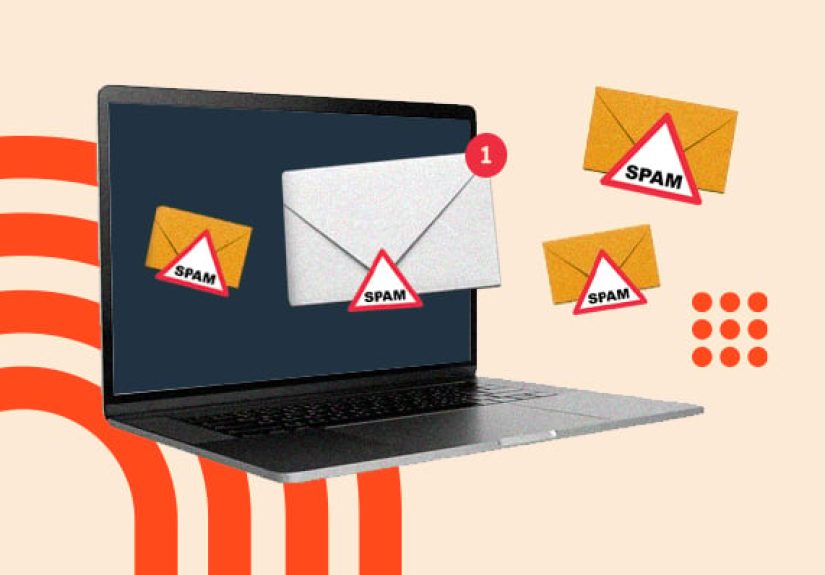
You hit send… and your message immediately takes a sharp left into the spam folder like it’s avoiding an ex at the mall.
Here’s the good news: “spam trigger words” are real-ish, but they’re rarely the only reason you get filtered.
Modern inbox providers judge your email the way humans judge a first impression: Who are you? Can I trust you? Do people actually want to hear from you?
The words matter… but so do your technical setup, your sending behavior, and your subscriber experience.
What are spam trigger words (and why they still matter)?
Spam trigger words are terms and phrases that have historically shown up in junk mailespecially the shouty, sketchy, “too good to be true” kind.
Think: “FREE!!!”, “Buy now”, “Act immediately”, “Guaranteed”, and “Winner!”
Filters used to rely heavily on language alone, so these words got a bad reputation. Today, filters are smarter, but “spammy language” can still be the final pebble that tips your email from inbox to junk if other signals look shaky.
Translation: a single word probably won’t doom you. A subject line like “Free shipping on orders over $50” can be totally fine.
But if that “free” comes with ALL CAPS, 11 exclamation points, a suspicious short link, and no unsubscribe option?
Congratulationsyou’ve created a spam smoothie.
Inbox providers don’t just read your wordsthey read your “sender vibe”
If you want to stay out of spam, your first priority is proving you’re a legitimate sender.
Big inbox providers increasingly expect three things:
- Authentication (SPF, DKIM, and DMARC) to verify you are who you claim to be.
- Low spam complaint rates (people not smashing “Report spam” on your emails).
- Easy unsubscribing (because trapping people on your list is a shortcut to spam complaints).
For example, Gmail’s sender guidelines emphasize authentication and keeping spam rates low, and require one-click unsubscribe for higher-volume promotional sending.
Microsoft has also announced stricter authentication expectations for high-volume sending to Outlook.com addresses.
These standards don’t replace good copythey make sure your good copy gets a chance to be seen.
The real “trigger” is usually a pattern, not a single word
Spam filters tend to react to clusters of signals that look scammy, misleading, or low-quality. In practice, you’ll get flagged more often for combinations like:
- Pushy urgency + exaggerated promise (“FINAL NOTICE: Guaranteed approval in 5 minutes!”)
- Money talk + mystery (“Earn cash fast with this secret system”)
- Deceptive framing (“Re: Your invoice” when there is no invoice)
- Formatting screams (ALL CAPS, lots of symbols, aggressive punctuation)
- Low trust mechanics (no unsubscribe, mismatched From domains, broken HTML)
High-risk categories of spam trigger words (with safer alternatives)
You don’t need to write like a robot to avoid spam filters. You just need to avoid sounding like a cartoon villain selling a “limited-time miracle.”
Here are common spammy categories and cleaner ways to say what you mean.
1) Overhyped freebies and bargains
- Risky: “FREE!!!”, “100% free”, “Best price”, “Lowest price”, “Save big”
- Safer: “Included at no extra cost”, “Complimentary”, “Special pricing”, “Seasonal savings”
2) Urgency that feels manipulative
- Risky: “Act now”, “Hurry”, “Final notice”, “Expires today”, “Urgent”
- Safer: “Ends Friday”, “Last day to register”, “Offer available until 5 PM ET”
3) Big promises and guarantees
- Risky: “Guaranteed”, “No risk”, “Risk-free”, “No catch”, “Promise you”
- Safer: “Try it for 14 days”, “Cancel anytime”, “Backed by our refund policy”
4) Money-making and “get rich quick” energy
- Risky: “Earn $$$”, “Fast cash”, “Financial freedom”, “Be your own boss”
- Safer: “Increase revenue over time”, “Ways to reduce costs”, “A framework to improve conversions”
5) Shady account or security language (easy to confuse with phishing)
- Risky: “Verify your account”, “Password”, “Confirm identity”, “Your bill” (especially in promos)
- Safer: “Update your preferences”, “Review your settings”, “Security reminder” (only when truly applicable)
The goal isn’t to ban certain words forever. It’s to avoid spammy intentespecially in the subject line and first sentence,
where filters and humans form an opinion quickly.
Subject lines that stay out of spam (without being boring)
Your subject line is the bouncer at the club. If it looks sketchy, nobody gets innot even your brilliant email content.
Here’s a practical playbook that keeps your subject lines clear and inbox-friendly.
Do this
- Be specific: “December shipping cutoff dates (and a bonus tip)”
- Use natural urgency: “Last day to RSVP for Thursday’s webinar”
- Lead with value: “3 quick fixes to improve your email clicks”
- Keep punctuation calm: One exclamation mark is plenty. Two is a cry for help.
Not this
- “READ THIS NOW!!!!!”
- “Congratulationsyou’ve been selected” (unless you enjoy living dangerously)
- “Re: Your order” when it’s not a real reply (also risky from a policy standpoint)
- “This isn’t spam” (ironically, that’s exactly what spam says)
Quick rewrite examples
- Spammy: “FREE GIFT!!! Claim now” → Cleaner: “A thank-you gift with your next order”
- Spammy: “Urgent: Act immediately” → Cleaner: “Action needed by Friday to keep your access”
- Spammy: “Guaranteed results in 24 hours” → Cleaner: “What results look like after 24 hours (real examples)”
Content and formatting mistakes that get you flagged (even with perfect words)
Spam filters also judge structure, code, and “email hygiene.” These issues are common culprits:
1) All-image emails (or image-heavy layouts)
If your email is basically one big image with a “click here” button baked into it, filters may get suspicious.
Use real text, not just graphics, and include a plain-text version. Aim for balance: readable copy, a couple of supporting images, and clean spacing.
2) ALL CAPS, weird symbols, and excessive punctuation
Some marketers treat the subject line like a siren: “🔥🔥LIMITED TIME!!!🔥🔥”
Filters often treat that like a siren toojust not the good kind.
Write like you’re talking to a smart friend, not trying to win a loudness contest.
3) Too many links (especially suspicious ones)
A normal marketing email might have a few links (main CTA, learn more, unsubscribe).
But if you’re cramming in a dozen links, mixing domains, and using URL shorteners, it can look risky.
Keep your links consistent, branded, and relevant.
4) Deceptive headers or “fake reply” tactics
Tricks like starting subjects with “Re:” or “Fwd:” when it’s not a real reply can backfire.
Beyond deliverability, it can violate expectations and reduce trust. Be transparent.
5) Hidden text and messy HTML
Invisible text, tiny fonts, white-on-white tricks, or broken HTML can trigger filtering.
Clean code, accessible formatting, and honest content win long-term.
The inbox-safe checklist (practical steps you can do this week)
Step 1: Authenticate your domain (SPF, DKIM, DMARC)
Authentication is the foundation. If you send from a branded domain, make sure SPF and DKIM are in place, and add DMARCespecially for higher-volume sending.
DMARC alignment matters: the domain used for authentication should match the domain in your visible “From” address.
Step 2: Make unsubscribing ridiculously easy
Don’t hide the unsubscribe link like it’s a family secret. Put it in the footer clearly.
For higher-volume promotional email, implement one-click unsubscribe using the proper List-Unsubscribe headers
(your ESP often supports this with a toggle).
Step 3: Keep spam complaints low
Spam complaints are a reputation killer. Reduce them by:
- Sending only to people who opted in (avoid purchased listsever).
- Setting expectations at signup (what you send and how often).
- Segmenting so people receive content they actually care about.
- Removing or suppressing chronically unengaged subscribers.
Step 4: Clean your list like you mean it
List hygiene helps avoid bounces and spam traps. Do the boring stuffit pays:
- Remove hard bounces immediately.
- Use double opt-in for higher-quality subscribers when possible.
- Run periodic re-engagement campaigns, then sunset inactive contacts.
Step 5: Write “human” emails (clear, helpful, and honest)
The best deliverability trick is being the email people want.
Use plain language, make your value obvious quickly, and avoid manipulative vibes.
If you’re running a sale, say sojust don’t pretend it’s a secret government grant.
Step 6: Follow the law (yes, it affects deliverability too)
In the U.S., commercial email must follow CAN-SPAM requirementslike accurate header info, non-deceptive subject lines,
a clear opt-out method, and a valid physical postal address in the email.
Legal compliance won’t automatically guarantee inbox placement, but non-compliance can absolutely contribute to complaints and blocking.
A “smart list” of common spam trigger words (use with context)
This is a short, practical listnot a forbidden dictionary. These words can be fine in the right context,
but become risky when combined with hype, deception, or aggressive formatting:
- Urgency: act now, urgent, limited time, final notice, expires today
- Freebies & discounts: free, 100% free, special promotion, lowest price, discount, save big
- Promises: guaranteed, risk-free, no obligation, no catch
- Money: cash bonus, make money, earn extra cash, financial freedom
- Selection/winner language: congratulations, you’ve been selected, winner
- Clicky commands: click here, click below, access now
If you need a quick rule: avoid stacking multiple items from that list in a single subject line.
“Limited time! FREE! Guaranteed winner!” is basically a spam filter lullaby.
Field notes: of real-world deliverability “experience”
In deliverability audits, one of the most common stories sounds like this: a brand launches a big promotion, the team is proud,
and then opens crater. The culprit is rarely “one bad word.” It’s usually a pile-upno DMARC policy yet, a brand-new sending domain,
a sudden volume spike, and a subject line that reads like a late-night infomercial. The fix tends to be surprisingly unsexy:
authenticate everything (SPF, DKIM, DMARC), slow down the ramp, target only the most engaged segment first, and rewrite the subject to be specific
(“Holiday bundle is livewhat’s inside”) rather than loud (“MEGA SALE!!! FREE BONUS!!!”).
Another frequent scenario: the “re-engagement hail mary.” A list has been sitting for months, and someone decides to email everyone with
“We miss you!!! Claim your FREE gift now!!!” That combocold audience + hype languageoften triggers complaints.
A safer play is to warm the list in smaller batches, lead with clarity (“Still want weekly tips from us?”), and offer a clean preference center:
let people choose frequency or topics. You’ll lose some subscribers. That’s not failurethat’s pruning the tree so it can grow back healthier.
Fewer uninterested recipients usually means fewer spam reports, which helps future campaigns land in the inbox.
Cold outreach has its own trapdoor. Teams sometimes try to “sound personal” by faking a reply thread (“Re: quick question”),
then pack the body with multiple links and a calendar button. Even if the offer is legitimate, the pattern can look phishy.
What tends to work better is a single, honest CTA and a subject line that matches the content (“Question about your onboarding emails”).
If you’re emailing someone who didn’t opt in, transparency matters even more: identify yourself quickly, explain why you’re reaching out,
and make opting out effortless. You’re not just avoiding spam filtersyou’re avoiding being annoying, which is even more powerful.
Finally, holiday season is when good emails go to spam for purely behavioral reasons. Volume spikes, frequency increases, and every brand on Earth
is yelling “LAST CHANCE.” If you want to stand out (and stay delivered), reduce the shouting. Let your subject line do calm specificity:
“Shipping cutoff: order by Tuesday for delivery by Friday.” Keep the design clean, include real text, and don’t bury the unsubscribe link.
Think of deliverability like a reputation at school: one weird rumor spreads fast, but consistent good behavior is hard to ignore.
Earn trust one send at a time, and trigger words stop being a crisis and become… just words.
Conclusion
Spam trigger words aren’t a magical blacklistbut they can amplify other deliverability problems.
If you want to keep your emails out of the spam folder, focus on the full package:
authenticate your domain, keep complaints low, make unsubscribing easy, send to people who actually want your emails,
and write subject lines that sound like a real humannot a panicked carnival barker.