Table of Contents >> Show >> Hide
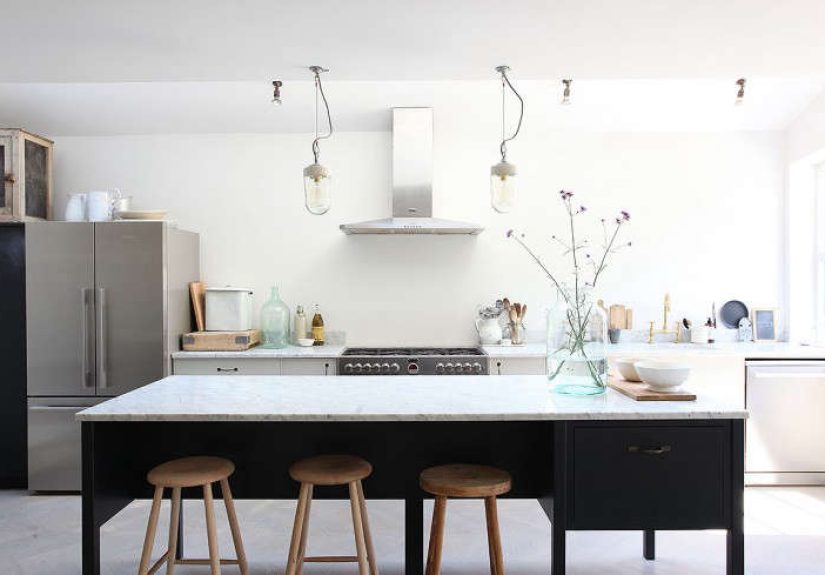
Some kitchens are loud. They arrive wearing three statement pendants, a neon backsplash, and enough trendy hardware to start their own social media account. This South London kitchen takes the opposite route. It is bright but not blinding, elegant but not uptight, and polished without looking like nobody is allowed to fry an egg in it. In other words, it is the kind of room that makes you want to open a window, put on a linen shirt, and suddenly become the sort of person who keeps lemons in a bowl for no practical reason.
The beauty of this look is not that it is extravagant. It is that it feels easy. The palette is restrained, the materials are honest, and the room leans hard on daylight instead of visual noise. At its core, the design is built around a timeless formula: white surfaces that bounce light, pale wood that adds warmth, marble that brings elegance, brass that softens the edges, and furniture that makes the kitchen feel like part workshop, part dining room, part favorite place to loiter with coffee.
If you want to recreate the style at home, the good news is that you do not need a South London address, a moody English sky, or a designer budget with trust-fund energy. You just need to understand what makes the room work. This article breaks down the look, the design logic behind it, and the practical ways to copy the mood without turning your kitchen into a lifeless showroom.
What Makes This South London Kitchen So Irresistible?
The original space is memorable because it feels expansive without trying too hard. There is a large window that pulls in natural light, a soft palette of white, marble, and pale wood, and a mix of lighting that keeps the room useful after sunset. Instead of filling every inch with cabinets, decoration, or “look at me” features, the kitchen lets a few materials do the talking. It is the design equivalent of someone who whispers and still owns the room.
That restrained confidence is exactly why the look travels so well. American homeowners, designers, and shelter magazines have spent years praising the same ingredients: neutral paint, white-and-wood combinations, natural materials, simple cabinet fronts, warm metals, and layered light. The reason is simple. These choices make a kitchen feel larger, calmer, and more enduring. Trendy kitchens date fast. Quiet kitchens age like a well-made oak table.
Daylight Is the Real Star
The first thing to steal is not a faucet or a stool. It is the attitude toward light. In a truly airy kitchen, natural light is treated like a design material. Big windows, fewer visual barriers, reflective finishes, and pale walls all help daylight travel farther. Even if your kitchen is not blessed with a garden-facing picture window, you can still make the room feel sunnier by keeping window treatments minimal, avoiding overly dark upper cabinetry, and choosing finishes that gently reflect light instead of swallowing it whole.
This is why the South London kitchen feels so open. The window does more than brighten the sink area. It visually extends the room beyond its walls. It also makes every other material look better. Marble reads brighter. Brass glows instead of glares. Pale wood feels Scandinavian and serene instead of flat. Daylight is basically the room’s unpaid stylist.
The Palette Is Calm, Not Cold
White kitchens can go wrong in two directions. They can feel sterile, like a laboratory where toast is frowned upon, or they can feel visually messy because the whites do not match and every finish is fighting for attention. This kitchen avoids both traps. Its whites are soft and architectural rather than icy. The pale wood keeps the room from feeling clinical. The marble introduces movement. The brass brings age and warmth. Together, the palette feels edited, not empty.
That balance is worth copying. White works best when it has company. Pair it with light oak, ash, maple, or another natural wood tone. Add stone with subtle veining. Bring in one metal finish and stick with it. Do not invite chrome, brass, black iron, and copper to the same tiny party unless you enjoy visual chaos.
It Blends Utility With Personality
Another reason this kitchen lands so well is that it does not treat function like an afterthought. The range is serious. The dishwasher is integrated. Storage jars are practical. The dining table and island feel useful, not ornamental. Even the industrial-style seating and lighting add grit to an otherwise soft scheme. This is not a fantasy kitchen built for posing next to a baguette. It looks ready for actual cooking, actual mess, and actual people.
The Key Elements to Steal
1. Soft White Paint
Start with a warm, clean white on the walls and cabinetry. Think crisp enough to brighten the room, but not so blue that the kitchen starts feeling frosty. The original space uses a trusted architectural white, and that is part of the secret. A good white is less about drama and more about consistency. It lets the materials around it shine.
When testing whites, look at them in morning light, afternoon light, and evening light. That “perfect white” chip can turn suspiciously gray, yellow, or hospital-adjacent once it is actually on your walls. Paint is humble until it betrays you.
2. Marble or Marble-Look Counters
Marble gives the kitchen that easy sophistication people always call “effortless” even though stone is doing all the work. A pale marble counter, especially with soft gray veining, lightens the room and adds movement to an otherwise quiet palette. If real marble is not practical for your budget or your maintenance tolerance, choose a quartz or quartzite surface with a natural, low-drama pattern. The goal is not fake luxury. The goal is visual softness.
Avoid overly busy veining if you want this particular look. The South London mood is airy and composed, not “my countertop is auditioning for lead role in the kitchen.”
3. Pale Wood That Adds Warmth
Pale wood is what stops the room from drifting into sterile territory. It can show up in the island, stools, table, open shelving, or flooring. White oak is an especially smart choice because it has warmth without becoming orange, and it plays beautifully with white walls and marble surfaces. Ash and maple can also work when you want a similarly light, calm effect.
The trick is keeping the wood natural-looking. Skip heavy red stains and high-gloss finishes. You want grain, softness, and texture. Think more “quiet breakfast in good light” and less “1990s builder-grade cabinet flashback.”
4. Aged Brass or Warm Metal Fixtures
Brass is the jewelry of this kitchen, but it is not the flashy kind. Aged or unlacquered brass adds patina and warmth that feel especially good against white paint and marble. It brings the room down to earth. A faucet in a mellow brass finish, a few matching hardware pieces, or brass-accented lights can add that subtle glow that makes a kitchen feel more collected and less catalog-perfect.
The key is moderation. One warm metal finish carried through the room feels intentional. Five finishes feel like commitment issues.
5. Layered Lighting
The original kitchen uses multiple pendants and a wall light rather than relying on one overhead fixture to do everything. That matters. Great kitchens need layered lighting: task lighting for work, ambient lighting for mood, and accent lighting for depth. During the day, daylight takes the lead. At night, the room should still feel warm and usable rather than flat and overexposed.
Use pendants over an island or table, add sconces where possible, and consider under-cabinet lighting or a soft lamp on a counter if your layout allows it. You are trying to create a room people want to stay in, not a surgical suite where onions are interrogated.
6. Furniture That Makes the Kitchen Feel Lived In
One of the loveliest things about this South London kitchen is that it does not stop at cabinetry. There is a substantial island, a long table, stools, and café-style chairs. That mix makes the room feel social. It suggests a kitchen where dinner prep overlaps with homework, coffee, gossip, emails, and the occasional dramatic cheese board.
To copy the look, choose furniture with simple lines and natural texture. A farmhouse-style table, metal dining chairs, and wood counter stools give the space a lightly industrial edge that keeps the soft palette from becoming sleepy. This contrast is important. Without it, the room could veer into plain. With it, the kitchen feels grounded and memorable.
7. Practical Styling
The accessories in this look are refreshingly useful: storage jars, straightforward hardware, everyday tableware, and pieces that feel earned rather than staged. That is the lesson. Style with items you actually use. Glass jars, wooden boards, linen towels, ceramic bowls, and a few branches or herbs will do more for the room than ten tiny decorative objects collecting grease near the range.
How to Recreate the Look in Your Own Kitchen
Prioritize the Visual Hierarchy
If your budget is limited, spend where the eye lands first. Paint, counters, lighting, and hardware usually deliver the biggest payoff. Cabinets can often be repainted or refaced. An island can be updated with a wood finish or stone top. A single beautiful faucet can change the entire tone of the sink wall.
In other words, do not panic if you cannot duplicate every product in the original room. Most people remember the feeling of a kitchen before they remember its exact drawer pulls.
Keep Upper Areas Light
To get the airy effect, avoid making the upper half of the room too visually heavy. That might mean fewer upper cabinets, glass-front sections, floating shelves, or simply painting cabinetry and walls in a consistent light color. The more uninterrupted brightness you have at eye level, the more open the room will feel.
This is especially helpful in small kitchens, galley kitchens, and older homes where ceiling height is not exactly cathedral-adjacent.
Use Contrast Sparingly
This look is not about high contrast. It is about soft layering. Bring in contrast through texture more than color: honed stone against painted cabinetry, brushed brass against smooth marble, oak against crisp walls, metal chairs against a wooden table. The room should feel composed and dimensional, not dramatic for the sake of it.
Choose One Mood and Stay Loyal to It
The South London kitchen works because everything points in the same direction. The materials, colors, and furnishings all support a calm, bright, lightly rustic-modern mood. If you want this effect, resist the urge to add unrelated trends halfway through. A Tuscan backsplash, ultra-gloss acrylic cabinets, and boho rainbow stools are probably delightful somewhere. They are not invited here.
Common Mistakes That Ruin an Airy Kitchen
Going too stark: Bright white can be beautiful, but without wood, stone, or warm metal, it can feel cold.
Using too many finishes: Too many metals, wood tones, and tile styles break the calm spell.
Ignoring lighting: A bright kitchen still needs layered evening light. Overhead glare is not ambiance.
Overstyling open storage: Open shelves are not an excuse to display every mug you have ever loved.
Choosing the wrong wood tone: Pale wood should feel natural and relaxed, not orange, glossy, or overly yellow.
The Lasting Appeal of This Look
What makes this South London kitchen so compelling is that it feels current without being trendy. It borrows from Scandinavian calm, British restraint, farmhouse practicality, and modern simplicity, then turns those influences into something that feels highly livable. It is stylish, yes, but more importantly, it is useful. It welcomes sunlight, clutter control, casual meals, and long conversations. That is exactly the kind of design that lasts.
And perhaps that is the real lesson to steal. The best kitchens are not the ones shouting for attention. They are the ones people instinctively gather in. They make chopping vegetables feel cinematic and reheating leftovers feel almost respectable. They glow in the morning, soften at night, and somehow make the rest of the house look like it should step up its game.
Living With the Look: of Real-Life Experience and Inspiration
There is something quietly addictive about a kitchen like this once you start living with it. At first, you notice the obvious things: how bright it feels in the morning, how the pale palette makes the room look bigger, how the wood keeps everything from feeling cold. Then, over time, the appeal becomes more emotional. The kitchen starts shaping behavior. You linger longer. You clean as you go because the room makes order feel satisfying instead of punitive. You buy flowers more often. You start decanting dry goods into jars and pretending this is a normal Saturday decision.
That is the magic of an airy, light-filled kitchen. It does not just photograph well. It changes the way the room is used. In darker kitchens, people often hurry. They cook, plate, and leave. In bright kitchens, people drift. They stand by the counter while someone cooks. They sit on a stool with coffee. They open a cookbook and actually read it. The room becomes less of a service zone and more of a daily backdrop for real life.
This is especially true when the design includes a table or island with enough presence to anchor the room. In the South London-inspired version of the look, furniture matters almost as much as cabinetry. A kitchen table softens the space. It says this room is not just for prep; it is for living. Maybe that means a quick lunch, a laptop session, a kid doing spelling homework, or a friend showing up “for one cup of tea” and leaving two hours later. Good kitchen design should make that kind of overlap easy.
Another underrated part of the experience is how forgiving the palette can be when it is built correctly. White and marble sound high-maintenance on paper, but in practice, a kitchen with natural texture and edited styling often looks better with a little life in it. A cutting board left out, a linen towel hanging from the oven, a bowl of pears, a slightly rumpled chair pushed back from the table; these things do not ruin the look. They complete it. The room is not meant to feel sealed in acrylic. It is meant to feel awake.
Seasonal changes also play beautifully in a kitchen like this. In spring and summer, the room feels breezy and fresh. In fall, the wood tones and brass feel warmer. In winter, the glow from sconces and pendants makes the room feel cozy without becoming heavy. That year-round flexibility is part of why the style lasts. It gives you a calm foundation, then lets daily life add the personality.
If you are chasing this look, the best advice is to think beyond the reveal. Do not ask only how the kitchen will look on day one. Ask how it will feel on a Tuesday morning when the dishwasher is running, the light is coming through the window, and someone is slicing toast at the island. Ask whether the materials will still feel good when the room is messy, when the weather is gray, when guests gather, when life is normal. That is where this South London kitchen truly wins. It is beautiful, yes, but it is also believable. And believable rooms are the ones we keep loving.
Conclusion
To steal this look successfully, think in layers: daylight first, then white paint, natural stone, pale wood, warm metal, useful lighting, and furniture that makes the room social. Keep the palette restrained, let texture do the heavy lifting, and style the space with practical pieces that look even better when they are actually used. That is how you get an airy, light-filled kitchen that feels less like a trend and more like a place you will still love years from now.