Table of Contents >> Show >> Hide
- Jump to a Section
- Why Stove-Top Short Ribs Work
- Ingredients
- Equipment
- Stove-Top Short Ribs Recipe (Step-by-Step)
- Step 1: Season like you mean it
- Step 2: Sear the short ribs
- Step 3: Build the flavor base
- Step 4: Deglaze (a.k.a. unlock the browned bits)
- Step 5: Add stock, herbs, and return the ribs
- Step 6: Braise gently on the stove
- Step 7: Check tenderness the right way
- Step 8: Finish the sauce
- Step 9: Serve like you planned this all week
- Chef-Level Tips (Without the Chef Ego)
- Flavor Variations
- What to Serve With Short Ribs
- Make-Ahead, Storage, Reheating
- FAQ
- Real-World Experiences (Extra )
Some dinners whisper. Stove-top short ribs do not. They show up wearing a velvet robe made of beefy aroma, carrying a glossy sauce like it owns the place. And the best part? You don’t need an oven, a slow cooker, or a culinary degree. You need a sturdy pot, a little patience, and the courage to let time do the heavy lifting while you pretend you’re “actively cooking.”
This in-depth guide walks you through a reliable, pot-on-the-burner method for fall-apart tender braised beef short ribsplus the “why” behind every step, troubleshooting, serving ideas, and a 500-word real-life experience section at the end to make your next batch even better.
Why Stove-Top Short Ribs Work
Short ribs are built for braising. They’re rich with connective tissue that starts out stubborn and chewy, then slowly melts into silky tenderness when held at a gentle simmer long enough. That’s the whole trick: low heat + time + moisture.
Three things happen during stove-top braising
- Browning builds flavor: Searing creates deep, roasted notes and leaves browned bits (fond) on the pot. Those bits are basically flavor savings accounts.
- Aromatics perfume the liquid: Onion, carrot, celery, garlic, tomato paste, and herbs turn plain broth into something you’d happily drink from a mug (not recommending it, just saying).
- Collagen transforms: As the ribs gently cook, connective tissue breaks down into gelatin, giving the sauce body and making the meat “fork-tender.”
The stove-top method is perfect if your oven is busy, your kitchen runs hot, or you just like being able to peek under the lid and feel like the boss of dinner.
Ingredients
This recipe is designed for classic bone-in beef short ribs (English-cut). Boneless short ribs work toosee the FAQ for timing tweaks.
Main ingredients
- 4 to 5 pounds bone-in beef short ribs (about 6–8 pieces)
- Kosher salt and black pepper
- 2 to 3 tablespoons neutral oil (or a mix of oil and a small knob of butter)
- 1 large onion, diced
- 2 carrots, diced
- 2 celery stalks, diced
- 4 to 6 cloves garlic, minced
- 2 tablespoons tomato paste
- 1 to 1 1/2 cups dry red wine (optional but excellent)
- 3 to 4 cups beef stock (low-sodium preferred)
- 2 bay leaves
- Fresh thyme (4–6 sprigs) or 1 teaspoon dried thyme
Optional “make it yours” add-ons
- 1 tablespoon soy sauce (adds savory depth without tasting “soy”)
- 1 teaspoon balsamic vinegar (brightens the sauce)
- 1 tablespoon flour (for lightly dusting ribs; helps browning)
- Mushrooms (8 ounces, added after aromatics)
- Chili flakes (for a gentle kick)
No-wine substitution
If you’d rather skip wine, replace it with more beef stock plus 1–2 teaspoons of balsamic vinegar or a squeeze of lemon at the end. You’ll still get a rich, satisfying braise.
Equipment
- Heavy pot with lid (Dutch oven is ideal)
- Tongs (because fingers are not tongs)
- Wooden spoon (for scraping up the good stuff)
- Fine-mesh strainer (optional, for a smoother sauce)
- Instant-read thermometer (optional, for food safety peace of mind)
Stove-Top Short Ribs Recipe (Step-by-Step)
Yield: 6 to 8 servings
Active time: ~30–40 minutes
Braise time: 2.5 to 3.5 hours (varies by thickness)
Total time: ~3 to 4 hours
Step 1: Season like you mean it
Pat the ribs dry with paper towels. Season generously with salt and pepper on all sides. If you like, lightly dust with flour (shake off excess). Dry meat + hot pot = better browning.
Step 2: Sear the short ribs
Heat oil in a Dutch oven over medium-high heat until shimmering. Working in batches (don’t crowd the pot), sear ribs on all sides until deeply brownedabout 3–5 minutes per side. Transfer browned ribs to a plate.
Why this matters: Browning is where the “wow” flavor starts. Pale ribs make a pale sauce. Your sauce deserves better.
Step 3: Build the flavor base
Lower heat to medium. Add onion, carrots, and celery to the pot. Cook 6–8 minutes, stirring, until softened and starting to caramelize. Add garlic and cook 30 seconds more.
Stir in tomato paste and cook 1–2 minutes, letting it darken slightly. That quick “toast” rounds out the sauce and takes the edge off raw tomato flavor.
Step 4: Deglaze (a.k.a. unlock the browned bits)
Pour in the red wine (if using). Bring to a simmer and scrape the bottom of the pot with a wooden spoon to loosen all the browned bits. Simmer 3–5 minutes to reduce slightly.
Step 5: Add stock, herbs, and return the ribs
Add beef stock, bay leaves, thyme, and any optional add-ins (like soy sauce). Return ribs to the pot, along with any juices on the plate. The liquid should come about halfway up the ribsadd a splash more stock if needed, but don’t fully submerge. Braising is not swimming lessons.
Step 6: Braise gently on the stove
Bring the pot to a low simmer. Then reduce heat to maintain a barely-there simmer (think: occasional lazy bubbles, not a rolling boil). Cover with a lid slightly ajar to prevent boil-over and help the sauce reduce gradually.
Braise 2.5 to 3.5 hours, flipping ribs once halfway through if the tops look dry. Add a little more stock if the liquid gets too low.
Step 7: Check tenderness the right way
Short ribs are done when a fork slides in easily and the meat feels tendernot when the clock says so. If they’re still tight or chewy, keep simmering and check every 15–20 minutes.
Step 8: Finish the sauce
Transfer ribs to a platter and tent with foil. Skim excess fat from the surface of the sauce (a spoon works; a fat separator works faster). For a smoother sauce, strain out the vegetables; for a rustic vibe, keep them in.
Simmer the sauce uncovered for 10–20 minutes until glossy and lightly thickened. Taste and adjust salt, pepper, and acidity (a tiny splash of vinegar or lemon can wake everything up).
Step 9: Serve like you planned this all week
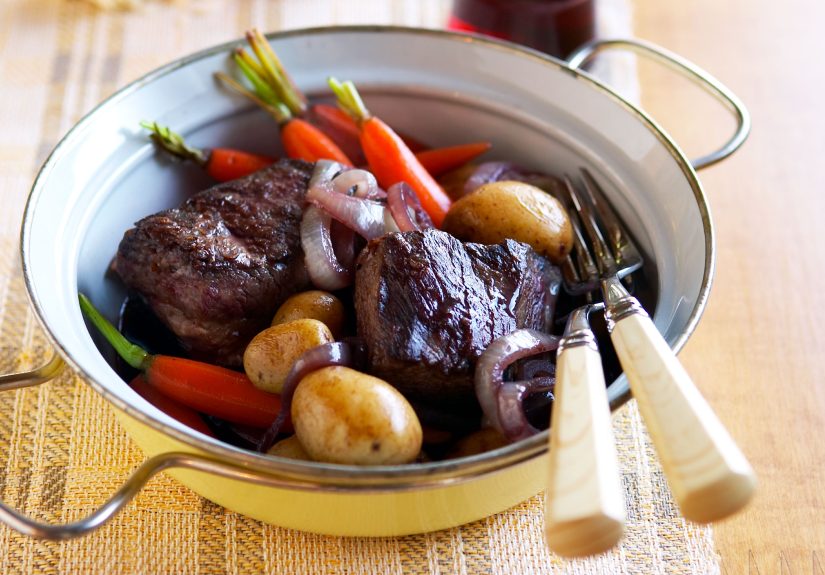
Spoon sauce over the ribs and serve hot. Sprinkle with chopped parsley or chives if you want a pop of freshness and a little “restaurant energy.”
Chef-Level Tips (Without the Chef Ego)
1) Don’t boilbraise
A hard boil can make the meat tough and the sauce greasy. Aim for a gentle simmer. If your stove runs hot, use a smaller burner, a heat diffuser, or keep the lid slightly ajar so you can control the bubbles.
2) Brown in batches
Crowding traps steam, which blocks browning. A deep sear = better flavor. Yes, it takes longer. Yes, it’s worth it.
3) Watch the liquid level
Too much liquid and your sauce tastes diluted; too little and you risk scorching. Keep it around halfway up the ribs, topping off with stock only if needed.
4) Skim fat like a pro
Short ribs are rich. Skimming a little fat makes the sauce taste beefy, not heavy. If you make the dish ahead, chilling it lets the fat solidify on top for easy removal.
5) Make it better than “good” with a final reduction
Reducing the strained braising liquid turns it into a shiny, spoon-coating sauce that clings to meat and side dishes instead of pooling sadly on the plate.
Flavor Variations
Short ribs are a blank canvas that just happens to taste like luxury.
Classic red wine braised short ribs
Follow the recipe as written. Keep the herbs traditional (thyme + bay) and serve with mashed potatoes or polenta.
Beer-braised short ribs
Swap wine for a dark beer (stout or porter). The sauce turns deeper and slightly roastyexcellent with creamy sides.
Asian-inspired stovetop short ribs
Add soy sauce, ginger, orange peel, and a little honey. Finish with scallions and sesame seeds. Serve over rice.
Tomato-forward short rib ragu style
Add crushed tomatoes (about 1 cup) along with the stock, and shred the meat at the end to toss with pappardelle.
What to Serve With Short Ribs
Short ribs bring the drama, so your sides should be good listeners.
- Mashed potatoes: the classic sauce sponge
- Polenta or grits: creamy, cozy, and quietly excellent
- Buttered noodles: low effort, high reward
- Roasted carrots or green beans: bright balance for a rich dish
- Crusty bread: because leaving sauce behind is a sad choice
Make-Ahead, Storage, Reheating
Make-ahead (highly recommended)
Short ribs often taste even better the next day after the flavors mingle. Cool the pot, refrigerate overnight, then lift off the solid fat cap before reheating.
Storage
- Fridge: store in an airtight container up to 3–4 days.
- Freezer: freeze up to 2–3 months (sauce helps protect texture).
Reheating
Reheat gently on the stove over low heat, adding a splash of stock or water if the sauce is too thick. Avoid boilingremember, we’re trying to make dinner tender, not punish it.
FAQ
Can I use boneless short ribs?
Yes. Boneless pieces are often smaller and can finish sooner. Start checking tenderness around the 2-hour mark. The goal is still fork-tender, not “technically cooked.”
How do I know the ribs are done if I’m using a thermometer?
For food safety, whole cuts of beef are considered safe at 145°F with a short rest, but short ribs become tender at higher temperatures over time. Use the thermometer for reassurance, then rely on the fork test for tenderness.
My sauce tastes thin. How do I fix it?
Remove the ribs and simmer the sauce uncovered to reduce. If you want a thicker sauce fast, mash some of the cooked vegetables into it or whisk in a small slurry of cornstarch and water (use sparingly).
My sauce tastes flat. What’s missing?
Usually one of three things: salt, acidity (a splash of vinegar/lemon), or time (more reduction). Adjust in that order.
Why are my ribs tough?
They’re either under-braised or boiled too aggressively. Keep the simmer gentle and give them more time. Short ribs are not a “hurry up” food. They’re a “you can’t rush greatness” food.
Real-World Experiences (Extra )
Let’s talk about what actually happens in real kitchensbecause stove-top short ribs are simple, but they’re also the kind of simple that rewards good habits and exposes shortcuts. Here are common experiences home cooks report (and how to use them to your advantage).
Experience #1: “I turned the heat up to make it faster… and it got worse.”
This is the classic short rib trap: the pot looks calm, you get impatient, and suddenly you’ve got a rolling boil. The meat can tighten up, the sauce can turn greasy, and the liquid level drops too quickly. The fix is surprisingly boring: lower the heat until bubbles are occasional and lazy. If your stove is jumpy, use the smallest burner and let the lid sit slightly ajar so the simmer stays steady. With short ribs, “low and slow” isn’t a sloganit’s the difference between silky and stubborn.
Experience #2: “My sauce tasted good, but it wasn’t glossy.”
Glossy sauce usually comes from reduction and gelatin. If you rushed the finish, you might have a tasty but watery braising liquid. The easy upgrade: pull the ribs out to rest, skim fat, then simmer the sauce uncovered until it lightly coats a spoon. That final 10–20 minutes can make the dish taste like it came from a place with cloth napkins and a server who says “excellent choice.”
Experience #3: “I didn’t brown them much because I was hungry.”
The first time you make short ribs, browning can feel like an annoying delay. The second time, you realize it’s the foundation. A deep sear doesn’t just add flavor to the meatit flavors the entire sauce through the fond that dissolves during deglazing. If you’re short on time, brown fewer ribs well rather than all ribs poorly. Also: keep the meat dry, don’t crowd the pot, and let the oil get hot before the first rib hits the surface.
Experience #4: “The sauce was too salty after reducing.”
Reduction concentrates everything, including salt. This is why many cooks use low-sodium stock and season in layers: a little salt at the start, then final seasoning after reduction. If you overshoot, you can thin the sauce with a splash of stock or water, then reduce again gently. And don’t forget: sides like mashed potatoes can balance a sauce that’s slightly intense.
Experience #5: “It tasted even better the next day.”
This is not your imaginationit’s one of the best things about braises. Overnight chilling helps flavors mingle and lets fat solidify on top so you can lift it off cleanly. Many cooks intentionally make stove-top short ribs a day ahead for this reason. Reheat slowly, and you’ll get a cleaner, deeper sauce with less effort and more bragging rights.
Bottom line: stove-top short ribs don’t demand perfection. They demand patience, gentle heat, and one small act of faith: letting time do the work while you take the credit.