Table of Contents >> Show >> Hide
- What Are Sunspots on the Face?
- Causes and Risk Factors for Sunspots on the Face
- Are Sunspots on the Face a Type of Skin Cancer?
- How Dermatologists Diagnose Sunspots
- Treatment Options for Sunspots on the Face
- Prevention: How to Protect Your Skin from Future Sunspots
- Sunspots and Skin Cancer: How Are They Connected?
- Everyday Lifestyle Tips for More Even-Toned, Healthy Skin
- Real-World Experiences: Living with Sunspots and Taking Action
- Conclusion: Your Face, Your Future
If you’ve suddenly noticed little brown specks on your face that weren’t there last summer, welcome to the “sunspots club.” Don’t panicmost facial sunspots are harmless. But they are loud, tiny reminders that your skin has a history with the sun, and they can be confusing: Are they age spots? Freckles? Melasma? Worse… skin cancer?
This guide breaks down what sunspots on the face really are, why they show up, how dermatologists treat them, and how they connect to your lifetime skin cancer risk. We’ll also cover practical, real-world tips for fading spots, protecting your skin, and knowing when it’s time to call a dermatologist.
What Are Sunspots on the Face?
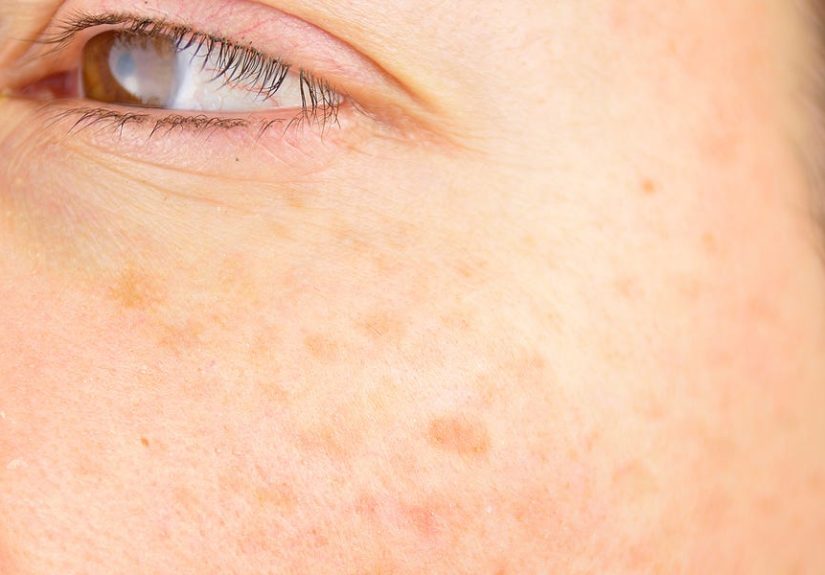
Sunspots on the face are most often what dermatologists call solar lentigines (singular: solar lentigo). You might also hear them called age spots, liver spots, or just plain sun spots. They’re flat, usually tan to dark brown, and tend to show up on areas that get a lot of sun: the face, hands, shoulders, and upper chest.
Sunspots form when melanocytesthe pigment-producing cells in your skinrespond to repeated UV exposure by cranking out extra melanin in certain spots. Over time, that pigment clusters, creating small, darker patches on otherwise normal skin. They’re especially common in people over 40, but with enough unprotected sun (or tanning beds), younger people can develop them too.
Sunspots vs. Freckles vs. Melasma
- Freckles (ephelides) are usually smaller, lighter, and show up in childhood. They darken in summer and fade in winter when sun exposure decreases.
- Sunspots (solar lentigines) are larger, more defined, and don’t fade as easily when summer ends. They tend to stick around unless treated.
- Melasma often appears as larger, patchy brown or gray-brown areas, commonly on the cheeks, forehead, and upper lip. Hormones (pregnancy, birth control, thyroid issues) and sun exposure both play a role.
All three involve pigment, but they’re different conditions with different triggers and treatment strategies.
Causes and Risk Factors for Sunspots on the Face
The main culprit behind facial sunspots is chronic ultraviolet (UV) exposure. Every time your skin gets hit with UV rayswhether from the sun or a tanning bedit’s being quietly “logged” as damage. Over years, that damage adds up.
Key Causes
- Long-term sun exposure: Walking the dog, driving, gardening, beach daysif it’s outdoors, it’s UV time. Even cloudy days contribute.
- History of sunburns: Those “I forgot sunscreen” vacations in your teens and 20s? Your skin remembers.
- Tanning beds: These deliver high-intensity UV and dramatically increase both photoaging and skin cancer risk.
Who’s More Likely to Develop Sunspots?
- People with fair or light skin tones that burn easily
- Anyone with a history of frequent or intense sun exposure
- Outdoor workers and athletes (lifeguards, construction workers, gardeners, runners)
- Adults over 40, when cumulative sun damage really starts to show
- People with a personal or family history of lots of freckles or sun damage
People with darker skin tones can absolutely get sunspots too, though they may look different and may be mixed with other types of hyperpigmentation.
Are Sunspots on the Face a Type of Skin Cancer?
Short answer: sunspots themselves are usually noncancerous. They’re considered benign pigmented lesions. Many people choose to treat them only because they don’t like how they look.
However, there are two important caveats:
- Sunspots are a sign of past sun damage, and that same UV damage increases the risk of skin cancer over your lifetime.
- Some skin cancersincluding certain melanomas and precancerous lesions like actinic keratosescan look like “just another spot” to the untrained eye.
Sunspots vs. Skin Cancer: Warning Signs
If you’re not sure whether a spot is a harmless sunspot or something more serious, look for the classic ABCDEs of melanoma and other red flags:
- A – Asymmetry: One half doesn’t match the other.
- B – Border: Irregular, ragged, notched, or blurred edges.
- C – Color: Multiple colors (tan, brown, black, red, white, blue) instead of a uniform shade.
- D – Diameter: Larger than about 6 mm (the size of a pencil eraser), though some melanomas are smaller.
- E – Evolving: Any change in size, shape, color, elevation, itching, bleeding, or crusting.
Also watch for rough, scaly patches that don’t go away (possible actinic keratoses), nonhealing sores, or new growths that look different from your other spots.
Bottom line: If a spot looks new, odd, changing, itchy, tender, or just makes you uneasy, get it checked by a dermatologist. It’s always better to be the person who “overreacted” than the person who waited too long.
How Dermatologists Diagnose Sunspots
Most of the time, a dermatologist can identify sunspots with a visual exam and a tool called a dermatoscope, which lets them see structures under the skin’s surface more clearly.
In some cases, if a spot looks suspicious or doesn’t behave like a typical sunspot, they may:
- Take a biopsy (a tiny sample of skin) to rule out skin cancer
- Photograph the area and track changes over time
- Map moles and spots for people with many lesions or a history of skin cancer
This article is for general education and is not a substitute for an in-person medical evaluation. When in doubt, let a pro look at your skin.
Treatment Options for Sunspots on the Face
If your dermatologist confirms that your spots are benign sunspots, you have two parallel goals:
- Prevent new spots (and protect against skin cancer).
- Fade or remove existing spots if they bother you cosmetically.
At-Home and Over-the-Counter Treatments
Before reaching for lasers and peels, most dermatologists emphasize a solid, consistent routine:
- Daily broad-spectrum sunscreen (SPF 30 or higher): This is nonnegotiable. Without UV protection, no fading treatment will work well and new spots will keep forming.
- Topical retinoids (like retinol): These increase cell turnover, helping fade pigmentation gradually and improving texture and fine lines over time. Start slowly to limit irritation.
- Brightening ingredients: Look for products containing vitamin C, niacinamide, azelaic acid, kojic acid, licorice extract, or tranexamic acid. These can help reduce excess pigment over weeks to months.
- Gentle exfoliation: Chemical exfoliants such as low-strength AHAs (like glycolic or lactic acid) can help remove pigmented surface cells. Avoid harsh scrubs that can inflame the skin and potentially worsen dark spots.
Results with at-home treatments are typically gradual. Think in terms of months, not daysand remember that stopping sunscreen can undo progress very quickly.
Prescription Topicals
For more stubborn sunspots, dermatologists may prescribe targeted creams, for example:
- Hydroquinone: A pigment-lightening ingredient that reduces melanin production. It’s usually used short term under medical supervision because overuse can cause irritation or paradoxical darkening in some people.
- Prescription retinoids: Such as tretinoin, which speeds up cell turnover more efficiently than OTC retinol.
- Combination creams: Some formulas combine hydroquinone, tretinoin, and a mild steroid for enhanced effect on hyperpigmentation.
These treatments should be used exactly as directed, especially in people with medium or deep skin tones, where aggressive bleaching or peeling can create new discoloration.
In-Office Dermatologic Procedures
If you want faster or more dramatic results, in-office options can significantly fade or remove sunspots:
- Chemical peels: Peels using glycolic, salicylic, or trichloroacetic acid remove the top layers of skin, taking some of the excess pigment along with them. They range from light (minimal downtime) to medium (more peeling and recovery).
- Laser therapy: Pigment-targeting lasers or intense pulsed light (IPL) devices break up melanin so the body can gradually clear it away. Multiple sessions are often needed, and they work best for certain skin types.
- Cryotherapy: For isolated spots, a quick freeze with liquid nitrogen can destroy excess pigment. The treated area may crust, then heal with lighter color.
- Microneedling with topicals: Tiny controlled injuries encourage collagen production and can help certain brightening agents penetrate more deeply.
Each of these has pros, cons, costs, and downtime. The “best” option depends on your skin type, the number and depth of spots, your budget, and how quickly you want results. A board-certified dermatologist can tailor a plan around your goals and your skin’s tolerance.
Prevention: How to Protect Your Skin from Future Sunspots
Think of sunspot treatment as cleaning up the past and prevention as protecting your future. If you only treat spots without changing your daily habits, more will show up.
Build a Sun-Smart Routine
- Sunscreen every single day: Choose a broad-spectrum SPF 30 or higher. Apply to all exposed skin, including the face, ears, neck, and the back of the hands. Reapply every two hours if you’re outdoors, and after swimming or heavy sweating.
- Time your outdoor activities: When possible, avoid direct sun between 10 a.m. and 4 p.m., when UV radiation is most intense.
- Wear protective clothing: Wide-brimmed hats, UV-blocking sunglasses, and tightly woven or UPF-rated clothing can dramatically cut UV exposure.
- Skip tanning beds: They don’t give you a “healthy tan”they give you concentrated UV damage.
- Check your meds: Some medications (like certain antibiotics, blood pressure drugs, and acne treatments) make skin more sun-sensitive. Ask your healthcare provider or pharmacist if you’re unsure.
And remember: sun protection matters for all skin tones. Darker skin offers some natural protection but is not immune to sunspots or skin cancer.
Sunspots and Skin Cancer: How Are They Connected?
Sunspots themselves are typically harmless, but they don’t appear out of nowherethey’re a visible marker of cumulative UV damage. Research suggests that people who have more signs of sun damage, like freckles and solar lentigines, also tend to have a higher risk of developing actinic keratoses (precancerous lesions) and nonmelanoma skin cancers over time.
That doesn’t mean every sunspot will “turn into” cancerit usually doesn’t. Instead, it means your skin has been through enough UV exposure that you should take prevention and screening seriously.
Smart Skin Cancer Prevention Habits
- Do regular skin self-checks: Once a month, look over your skin from head to toe. Use a mirror (and maybe a helpful friend or partner) to check your back and scalp.
- Know your “normal”: Pay attention to which spots you’ve had for years and which are new or changing.
- Schedule professional skin exams: If you have many spots, a history of blistering sunburns, a personal or family history of skin cancer, or very fair skin, ask your dermatologist how often you should be checked.
- Don’t ignore warning signs: Any changing, bleeding, crusting, or nonhealing lesion deserves a prompt evaluation.
Early detection of skin cancer can be lifesavingand combining smart screening with daily sun protection helps reduce your long-term risk.
Everyday Lifestyle Tips for More Even-Toned, Healthy Skin
Beyond sunscreen and procedures, your day-to-day habits matter too.
- Use gentle skincare: Harsh scrubs, strong fragrances, and aggressive DIY treatments can irritate the skin and worsen hyperpigmentation.
- Moisturize consistently: A healthy skin barrier is better at handling environmental stressors and irritation.
- Support your skin from within: A balanced diet rich in fruits, vegetables, healthy fats, and adequate protein supports skin repair.
- Don’t smoke: Smoking accelerates aging, slows healing, and worsens overall skin quality.
- Manage stress and sleep: Chronic stress and poor sleep can show up on your face in the form of dullness, breakouts, and slower healing.
None of these will erase sunspots by themselves, but together they support healthier, more resilient skin that responds better to whatever treatments you and your dermatologist choose.
Real-World Experiences: Living with Sunspots and Taking Action
Sunspots are more than just a dermatology diagnosis; they’re also an emotional and confidence issue for a lot of people. Imagine waking up one day, catching your reflection in bright daylight, and thinking, “When did my face get this speckled?” It’s a very common experience, especially in your 30s, 40s, and beyond.
Many people describe a similar journey:
- First comes surprise – noticing the spots in a candid photo or under harsh bathroom lights.
- Then Googling – typing “brown spots on face” at midnight and spiraling through worst-case scenarios.
- Next, a phase of DIY experimenting – buying a random brightening serum, maybe a scrub that’s way too harsh, and trying to “scrub off” the spots (spoiler: this usually backfires).
- Finally, a move toward real information and professional help – talking with a dermatologist, learning what the spots actually are, and building a sensible routine.
People who successfully improve their sunspots nearly always have one thing in common: they commit to consistent sun protection. You’ll often hear them say things like, “Once I started using sunscreen every morning and reapplying, the new spots slowed way down.” Some add in a vitamin C serum in the morning and a retinol at night, then gradually notice a more even tone over several months.
For others, especially those with darker or more numerous spots, professional treatments become part of the story. Someone might save up for a series of IPL sessions or chemical peels after talking through options with their dermatologist. A common reaction after a well-planned treatment series is, “I had no idea my skin could look this clear again.” But almost every dermatologist gives the same warning: without ongoing sun protection, spots can return or new ones can develop.
There’s also a psychological shift that often happens. What starts out as “I just want these spots gone” sometimes becomes “I want to protect my skin better overall.” People become more selective about their sunscreen, start checking their skin for suspicious lesions, and schedule annual skin exams. Sunspots become a turning pointa visible reminder to take skin health seriously, not just for aesthetics, but for long-term cancer prevention.
If you’re feeling self-conscious, it might help to remember three things:
- You’re not alone: Sunspots are incredibly common. You probably notice them more on your own face than anyone else does.
- You have options: From sunscreen and serums to lasers and peels, there’s a wide range of tools to help improve their appearance.
- You can change the story going forward: You can’t undo every minute of past sun exposure, but you can absolutely change what happens from today on.
Many people find that once they have a clear plandaily sunscreen, a couple of well-chosen products, and maybe a consultation with a dermatologisttheir anxiety drops. The spots become less of a scary mystery and more of a manageable skin concern. And even if they never fully disappear, taking good care of your skin now pays off with fewer new spots, healthier texture, and a lower risk of future problems.
Conclusion: Your Face, Your Future
Sunspots on your face are usually harmless, but they speak volumes about your history with the sun. Understanding what they areand what they’re notcan help you take smarter steps to care for your skin.
With the right combination of daily sun protection, thoughtful skincare, and professional guidance when needed, you can:
- Reduce the appearance of existing sunspots
- Slow down the formation of new spots
- Lower your lifetime risk of skin cancer
If you’re unsure whether a spot is a simple sunspot or something more serious, don’t guess. A quick visit to a board-certified dermatologist can give you peace of mindand, if needed, a personalized plan to protect both your appearance and your health.
meta_title: Sunspots on Face: Causes, Treatments, Prevention & Cancer
meta_description: Learn what facial sunspots are, how to treat and prevent them, and when they may signal a higher skin cancer risk.
sapo: Sunspots on your face can feel like they showed up overnight, but they’re really the result of years of UV exposure and hidden skin damage. In this in-depth guide, you’ll learn exactly what sunspots are, how they differ from freckles, melasma, and skin cancer, and why they matter for your long-term skin health. Discover dermatologist-approved treatmentsfrom brightening serums and prescription creams to peels and lasersplus proven prevention habits that protect your skin and help keep new spots from forming.
keywords: sunspots on face, solar lentigines, age spots treatment, sunspot removal, sunspots and skin cancer, facial hyperpigmentation, sun damage prevention