Table of Contents >> Show >> Hide
- Why fruit can help with weight loss (without making you miserable)
- The 11 best fruits for weight loss (and how to use them)
- Whole fruit vs. juice: the plot twist nobody asked for
- How to actually use fruit for weight loss (without living on fruit)
- Common “fruit mistakes” that can stall progress
- of real-life experiences: what people notice when fruit becomes a “strategy”
- Conclusion
Fruit has been blamed for everything from “mysterious weight gain” to “ruining keto vibes” to “making jeans shrink in the dryer” (okay, that last one is definitely the dryer). In real life, whole fruit is one of the easiest, most sustainable tools for healthy weight management: it’s naturally sweet, packed with water and fiber, and usually takes longer to eat than, say, a handful of chips that disappears like a magic trick.
Quick note (especially if you’re a teen): changing weight on purpose can be complicated because your body is still growing. If weight loss is a goal for health reasons, it’s smart to involve a parent/guardian and a clinician or registered dietitian. Either way, the fruit ideas below are about building healthier habitsnot chasing extremes.
Why fruit can help with weight loss (without making you miserable)
The “best” weight-loss fruit isn’t a secret superhero berry discovered on a mountaintop. It’s usually just the fruit you’ll happily eat consistently. Still, some fruits have qualities that tend to support a calorie deficit naturallywithout obsessive tracking.
1) Low energy density = more volume, fewer calories
Many fruits are high in water and fiber, which adds “bulk” to your snack or meal without piling on lots of calories. That can help you feel satisfied on fewer caloriesan idea sometimes described as eating lower energy-density foods.
2) Fiber slows the snack stampede
Fiber helps slow digestion and can support steadier blood sugar. Translation: you’re less likely to go from “fine” to “I would eat a couch” thirty minutes after snacking.
3) Chewing matters
Whole fruit takes time to eat. That simple fact can give your body a chance to notice it’s getting fullsomething liquids and ultra-soft foods aren’t great at doing.
4) Fruit helps you upgrade, not “quit” sweets
You don’t have to stop liking sweet flavors to manage weight. Fruit lets you keep sweetness in your life while also getting vitamins, minerals, and plant compounds that candy can’t exactly brag about.
The 11 best fruits for weight loss (and how to use them)
There’s no single “perfect” fruit. Think of this list like a team roster: different players shine in different situations. For each fruit, you’ll get the “why,” the “best way to eat it,” and the “easy win” idea.
1) Apples
Apples are a classic for a reason: they’re portable, crunchy, and fiber-friendlyespecially if you eat the peel. Crunch + fiber tends to be a powerful satiety combo.
- Best way to eat: Whole, sliced, or baked (skip the sugar avalanche).
- Easy win: Apple slices + a tablespoon of peanut butter or a cheese stick for staying power.
2) Pears
Pears are quietly elite. Many people find them more filling than they expect, thanks to their fiber content and juicy texture.
- Best way to eat: Whole, or chopped into Greek yogurt.
- Easy win: Pear + cinnamon + a handful of nuts for a snack that doesn’t feel like “diet food.”
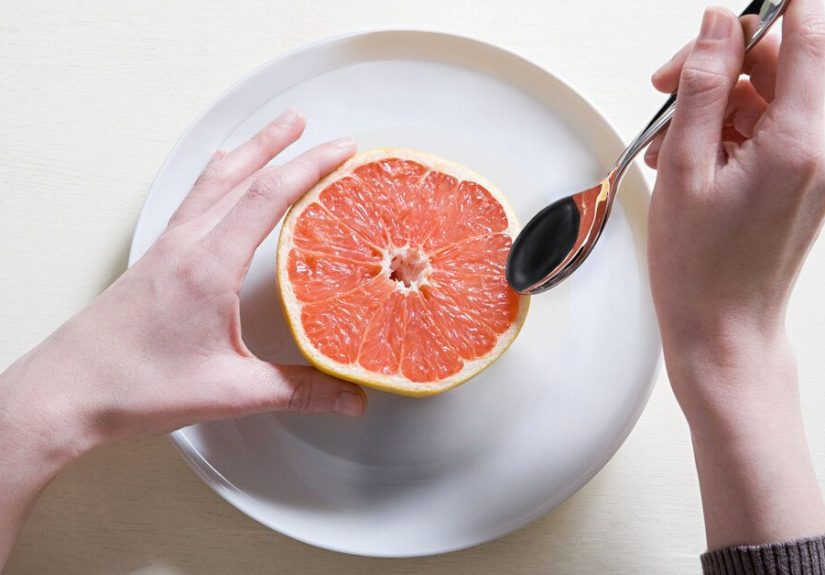
3) Grapefruit
Grapefruit is high in water and has a bold flavor that can make a snack feel more “complete.” It’s also a great example of low energy density: big volume, relatively modest calories.
- Best way to eat: Fresh segments, or tossed into a salad.
- Easy win: Half a grapefruit with breakfast, or as a refreshing afternoon snack.
Important: Grapefruit can interact with some medications. If you’re on meds, check with a clinician or pharmacist before making it a daily habit.
4) Oranges (and other citrus)
Oranges are naturally portioned, sweet, and hydrating. Bonus: peeling them forces you to slow down, which is surprisingly helpful when you’re hungry.
- Best way to eat: Whole fruit (not just juice) to keep the fiber.
- Easy win: Orange slices with a handful of roasted almonds.
5) Strawberries
Strawberries are a “big bowl, light calorie” kind of fruitsweet, juicy, and easy to pile on. They’re also great for people who want dessert vibes without dessert consequences.
- Best way to eat: Fresh or frozen.
- Easy win: Frozen strawberries blended with plain yogurt for a thick, ice-cream-adjacent treat.
6) Blueberries
Blueberries are small but mighty. They’re easy to add to breakfast, snacks, and even saladsand they bring natural sweetness without needing much.
- Best way to eat: Fresh or frozen (frozen often costs less and lasts longer).
- Easy win: Blueberries stirred into oatmeal or cottage cheese.
7) Raspberries
Raspberries are one of the best “fiber-per-bite” fruits. They’re also intensely flavored, which can make a snack feel more satisfying.
- Best way to eat: Fresh, frozen, or as a topping.
- Easy win: Raspberries on a bowl of Greek yogurt with a sprinkle of granola (just enough for crunch).
8) Watermelon
Watermelon is basically hydration you can chew. It’s especially helpful when “I’m hungry” is actually “I’m thirsty and slightly bored.” Its high water content makes it a great volume snack.
- Best way to eat: Chilled cubes, wedges, or tossed with mint and lime.
- Easy win: Keep a container of cut watermelon in the fridge so it’s the first thing you see.
9) Kiwi
Kiwi is underrated: sweet-tart, rich in nutrients, and easy to pair with protein. If you’re trying to avoid mindless snacking, kiwi’s bold flavor can feel “complete” faster than bland snacks.
- Best way to eat: Sliced; some people even eat the skin (wash well first).
- Easy win: Kiwi + a hard-boiled egg or yogurt for a snack that lasts.
10) Avocado
Yes, avocado is a fruitand yes, it’s higher in calories than berries. But it earns its spot because it’s loaded with fiber and healthy fats, which can increase satisfaction and help prevent snack spirals later.
- Best way to eat: As part of a meal (not as a “free add-on” to everything).
- Easy win: Half an avocado on whole-grain toast with salt, pepper, and lemon.
11) Pomegranate
Pomegranate arils are juicy, crunchy, and slow to eatwhich is secretly a superpower for weight management. They also make “healthy food” feel fancy.
- Best way to eat: Sprinkle arils on salads, yogurt, or overnight oats.
- Easy win: Pomegranate + pistachios feels like a snack board, not a diet.
Whole fruit vs. juice: the plot twist nobody asked for
If you only remember one thing: whole fruit is usually better for weight loss than fruit juice. Juice concentrates sugar and calories and removes most of the fiber that helps you feel full. Even 100% juice can make it easier to overdo calories quickly because drinking is faster than chewing.
That doesn’t mean juice is “bad” or forbidden. It just means it’s not the best tool if your goal is fullness and fewer calories. If you drink juice, keep it small, treat it as a beverage (not a fruit replacement), and don’t let it crowd out whole fruit.
How to actually use fruit for weight loss (without living on fruit)
Pair fruit with protein or healthy fat
Fruit alone can be satisfying, but pairing it often works better. Try fruit + yogurt, fruit + nuts, fruit + cheese, or fruit + eggs. The combo helps you stay full longer and reduces the odds of a snack rebound.
Use fruit to replace “gap calories,” not real meals
Fruit is great as a snack, a dessert swap, or a meal booster (oatmeal topping, salad addition). But if you’re consistently replacing meals with fruit only, you might end up too hungry later and overeating at night. Think: “add fruit,” not “only fruit.”
Choose convenient forms that still count
- Frozen fruit: budget-friendly, lasts longer, perfect for smoothies (see the smoothie note below).
- Canned fruit: choose fruit packed in water or 100% juice to avoid added sugar syrup.
- Dried fruit: useful, but easy to overeatkeep portions small and pair with protein.
If you’re a teen: aim for balanced patterns
Many teens do well with a routine like: fruit at breakfast, fruit or veggies at lunch, and fruit as a snack a few times per week. Your exact needs depend on growth, activity, and health. If weight is a concern, working with a clinician can help you focus on strength, energy, and healthy habitsnot just a number.
Common “fruit mistakes” that can stall progress
1) Turning fruit into a sugar drink
Smoothies and juices can be nutritious, but they’re easier to drink fast and harder to portion. If smoothies are your thing, keep them thick, include protein, and watch the add-ons (honey, juice, sweetened yogurt).
2) “Fruit-flavored” doesn’t mean fruit
Fruit snacks, fruit gummies, fruit drinks, and “fruit punch” often have little real fruit and lots of added sugar. If it doesn’t look like something that once grew on a tree (or a vine, or a bush), double-check the label.
3) Dried fruit portions that quietly become a whole bag
Dried fruit is concentrated. A small handful can be greatespecially with nutsbut it’s easy to eat several servings without noticing. Portion it into a bowl instead of eating from the bag like it’s popcorn at a movie.
of real-life experiences: what people notice when fruit becomes a “strategy”
When people start using fruit intentionally for weight loss, the biggest surprise is usually how much it changes snack behaviorwithout feeling like punishment. A common experience is the “sweet tooth re-route.” Instead of trying to delete dessert cravings (good luck), people channel them. Strawberries with yogurt, a pear with cinnamon, or blueberries in oatmeal can scratch the sweet itch while still feeling like real food. The result isn’t “I never want cookies again.” It’s more like: “I still want cookies sometimes, but I don’t feel like I need six of them.”
Another pattern people report is that crunchy fruit becomes a lifesaver at that weird time between lunch and dinner when hunger shows up wearing a dramatic cape. Apples and pears shine here because they take longer to eat. That “time to chew” gives your brain a moment to catch up, and suddenly you’re satisfied with a snack instead of raiding the pantry for anything that crunches.
People also tend to learn quickly that fruit works best with a buddy. Fruit alone can feel great, but pairing fruit with protein or healthy fat is where many people notice the difference between “nice snack” and “snack that prevents a 9 p.m. kitchen heist.” The classic combos show up again and again: apple + peanut butter, berries + Greek yogurt, orange + nuts, kiwi + yogurt, or watermelon + a handful of roasted peanuts. It’s not fancyjust effective.
There’s also the “prep wins” experience. Folks who wash and cut fruit ahead of time are way more likely to eat it. A container of sliced fruit becomes the first thing you see when you open the fridge, which is basically the only nutrition hack that works on everyone. Watermelon chunks, orange segments, and berries ready to go can quietly replace calorie-dense snacks because convenience usually beats willpower.
Finally, people often discover a personal fruit “hierarchy.” Maybe berries feel satisfying but expensive, so frozen becomes the go-to. Maybe grapefruit feels amazing in the morning but too intense at night. Maybe avocado makes lunch feel complete, but adding it to everything turns into accidental calorie creep. The real success story is rarely “I found the perfect fruit.” It’s “I built a fruit routine I can actually live with.”
If you take one lesson from these experiences, it’s this: fruit doesn’t cause weight loss by magic. Fruit helps weight loss because it makes the healthier choice easier, tastier, and more fillingso you don’t feel like you’re constantly fighting yourself.
Conclusion
The best fruits for weight loss are the ones that help you feel satisfied, keep your snacks steady, and fit your life: apples and pears for crunch and fiber, berries for high flavor with low fuss, citrus and grapefruit for water-rich volume, kiwi for variety, watermelon for hydration, avocado for meal satisfaction, and pomegranate for slow, mindful snacking.
Use fruit as a smart swap (dessert, chips, sugary snacks), pair it with protein or healthy fat, and prioritize whole fruit over juice most of the time. That’s the sustainable laneno drama, no “detox,” and no pretending you don’t like sweet things.