Table of Contents >> Show >> Hide
- How We Picked the Best Mini Split Brands for 2025
- The 5 Best Mini Split Brands of 2025
- 1) Mitsubishi Electric: Best Overall for Reliability + Cold-Climate Performance
- 2) Daikin: Best for Smart Efficiency + Strong All-Around Performance
- 3) Fujitsu: Best for Cold-Weather Heat + Practical Indoor-Unit Options
- 4) LG: Best for Feature-Rich Comfort + Multi-Zone Flexibility
- 5) GREE: Best Value for High Efficiency + Budget-Friendly Ductless Options
- What Matters More Than the Logo: Sizing, Design, and Installation
- Mini Split Buying Checklist for 2025
- Cost, Rebates, and the 2025 Tax-Credit Angle
- 2025 Refrigerant Transition: What It Means for Mini Splits
- Maintenance That Keeps Mini Splits Happy (and Quiet)
- So…Which Brand Should You Choose?
- Real-World Experiences: What People Learn After Living With Mini Splits (About )
If your house has ever pulled the classic move of “the bedroom is an icebox, the kitchen is a sauna,”
you already understand why ductless mini-splits have a fan club. Mini-split heat pumps don’t need
ductwork, can heat and cool efficiently, and let you control comfort room by roomaka “zoning,” but
with fewer arguments about the thermostat.
The tricky part isn’t deciding whether to get a ductless mini-split. It’s figuring out which brand
is actually worth your money in 2025when efficiency ratings have new names, tax credits have specific
requirements, and “cheap online mini-split” can mean anything from “solid value” to “mystery box with
Wi-Fi.”
Below are the five mini-split brands that consistently show up in expert recommendations for U.S.
homeownersespecially when you factor in performance, cold-climate options, support networks, and the
boring (but important) reality of warranties and certified ratings.
How We Picked the Best Mini Split Brands for 2025
To choose these brands, we synthesized guidance from U.S.-focused sources that experts and homeowners
commonly rely on: federal and industry efficiency standards, certification databases, tax-credit
rules, and practical buying guidance from major home-improvement publishers and retailersplus
manufacturer documentation for real-world performance claims.
The “Expert” Criteria That Actually Matter
- Verified performance: Models that are commonly AHRI-rated/certified and easy to verify.
- Efficiency in 2025 terms: Strong SEER2 (cooling) and HSPF2 (heating) optionsnot just legacy SEER/HSPF marketing.
- Cold-climate credibility: Brands with dedicated cold-weather lines, not just “it can try.”
- Installer ecosystem: Dealer networks, parts availability, and tech support that don’t vanish after checkout.
- Warranty reality: Clear registration requirements and terms that match how people actually buy and install systems.
- Product depth: Good single-zone and multi-zone options, plus indoor unit styles beyond the basic wall mount.
One important note before we rank anything: the “best” mini-split brand in the world can still perform
poorly if it’s sized wrong, installed poorly, or matched with the wrong indoor unit layout. Think of
this like buying a high-end espresso machine and then brewing with ketchup packets. Brand mattersbut
design and installation matter more.
The 5 Best Mini Split Brands of 2025
1) Mitsubishi Electric: Best Overall for Reliability + Cold-Climate Performance
Mitsubishi Electric is the brand many HVAC pros mention first when the conversation turns to
“I want this to work for the next decade, not just until the return window closes.” Their reputation
is built on consistent performance, strong inverter technology, and deep product optionsfrom
single-room installs to more complex multi-zone setups.
The big draw in 2025 is Mitsubishi’s cold-weather capability through its Hyper-Heating (H2i)
technology. If you live somewhere that treats winter like a competitive sport (hello, Upper Midwest
and Northeast), the right Mitsubishi cold-climate configuration can keep delivering meaningful heat
when many systems start losing capacity.
Best for: Cold climates, homeowners who prioritize long-term reliability, and projects where quiet operation matters (bedrooms, nurseries, offices).
Watch-outs: Higher upfront cost and you’ll want an experienced installerpremium equipment deserves premium commissioning.
Specific example: A finished attic or bonus room that never matched the rest of the houseMitsubishi systems are often used for these “impossible comfort” zones.
2) Daikin: Best for Smart Efficiency + Strong All-Around Performance
Daikin is a major global HVAC manufacturer with a strong U.S. presence, and it consistently lands in
“top brand” conversations because it blends efficiency, product breadth, and support infrastructure.
In 2025, Daikin’s ductless line is especially compelling if you want a balance of energy efficiency,
comfort control, and a brand that isn’t a niche import with a parts scavenger-hunt vibe.
For cold-weather households, Daikin’s Aurora-branded ductless options are frequently cited for
maintaining heating output at lower outdoor temperaturesan important detail if you’re planning to
use the mini-split as a primary heat source, not just a shoulder-season helper.
Best for: Homeowners who want an efficient, mainstream brand with strong ductless + heat pump credentials.
Watch-outs: Product availability and the “best” model line can vary by regionask your installer what they can actually support locally.
Specific example: A main-floor living space where you want steady comfort without loud cyclingvariable-speed inverter systems shine here.
3) Fujitsu: Best for Cold-Weather Heat + Practical Indoor-Unit Options
Fujitsu has long been a serious player in ductless mini-splits, especially for heat-pump setups that
need to keep performing when outdoor temperatures drop. If you hear an HVAC pro say “Fujitsu” in the
same tone as “reliable,” that’s not an accidentmany installers like the brand’s track record and
system options.
In 2025, Fujitsu stands out for homeowners who need flexibility in indoor unit styleslike
ducted air handlers, multi-position configurations, or specialized setups for rooms that can’t fit
a standard wall head. That matters more than people think: the “best brand” isn’t best if the indoor
unit placement is awkward, noisy, or constantly blasting air where you don’t want it.
Best for: Cold-climate households, retrofits, and projects where indoor-unit type flexibility matters.
Watch-outs: Many Fujitsu systems are intended for authorized, certified installationDIY may void coverage or not be supported.
Specific example: A small home with mixed room needswall units in bedrooms, a ducted air handler for a hallway or open area.
4) LG: Best for Feature-Rich Comfort + Multi-Zone Flexibility
LG isn’t just a consumer electronics nameits HVAC division has invested heavily in inverter heat-pump
technology, multi-zone solutions, and modern comfort features that homeowners actually notice.
If you want strong zoning flexibility, modern controls, and a brand that’s pushing efficiency and
refrigerant updates, LG belongs on your shortlist.
LG’s ductless ecosystem is especially interesting if you’re planning a multi-zone setuplike a
primary suite, a home office, and a living room all on one outdoor unit. LG’s “LGRED” heat technology
is often positioned for cold-weather performance in certain product families, which can matter if
your winter is more “snow shovel” than “light cardigan.”
Best for: Multi-zone projects, homeowners who like modern controls/features, and upgrades where efficiency and footprint matter.
Watch-outs: Warranty terms can depend on registration and qualified installationread the fine print (or have your installer explain it like you’re a human, not a legal department).
Specific example: A multi-family or remodel scenario where ductwork changes are expensiveductless zoning can solve comfort issues without major demolition.
5) GREE: Best Value for High Efficiency + Budget-Friendly Ductless Options
GREE is a major manufacturer in the ductless world and has become a go-to value brand in the U.S.
marketespecially if you want impressive efficiency numbers, solid feature sets, and a broader range
of price points than the premium-first brands.
In 2025, GREE stands out because its lineup includes models marketed around very high efficiency
and newer refrigerant directions (including R-32 options in some product lines). It’s also a brand
you’ll see carried through mainstream retail channels, which can make pricing and availability more
straightforward.
Best for: Homeowners who want strong efficiency on a more budget-conscious plan, garages/workshops, and single-zone comfort upgrades.
Watch-outs: Value brands can be great, but support depends heavily on the dealer/installer channel and warranty registration rules.
Specific example: A garage gym, workshop, or detached space where you want quiet heating/cooling without paying “premium bedroom” prices.
What Matters More Than the Logo: Sizing, Design, and Installation
Mini-splits are powerful, but they’re not magical. If your system is oversized, you may get short
cycling, clammy humidity control, and a unit that never seems “settled.” If it’s undersized, you’ll
get a system that runs constantly and still can’t keep up on peak days.
Three practical realities experts repeat
- Load calculation beats guessing: Proper sizing should be based on your home’s heat gain/loss, not “my neighbor bought 12,000 BTU.”
- Indoor unit placement matters: Airflow that’s blocked, misdirected, or constantly blasting a couch will make you hate even the best brand.
- Commissioning is not optional: Even a small mistake during install can create noise, performance loss, or premature failure.
Also: if you’re tempted by the siren song of “DIY mini-split,” know that many manufacturers and
warranty programs require professional installation and/or timely registration to maintain coverage.
If you’re hiring a contractor anyway, pick a brand they can supportand that you can verify via
certification listings.
Mini Split Buying Checklist for 2025
1) Efficiency ratings: SEER2 and HSPF2 (not the old numbers)
In the U.S., efficiency metrics shifted to SEER2 and HSPF2 to reflect updated testing procedures.
When you compare systems in 2025, make sure you’re comparing apples to applesSEER2 to SEER2, HSPF2
to HSPF2.
2) Verify ratings with AHRI
Look for AHRI performance certification and confirm the matched system ratings (outdoor unit + indoor
unit combination). This matters because the performance of a mini-split isn’t just one boxit’s a
matched set.
3) If you heat with it, check cold-climate performance
Don’t buy a heat pump mini-split based only on cooling. If you plan to use it for heating in a
colder region, you want a system designed to keep capacity in lower temps (often sold as a cold
climate / hyper-heating / low-ambient line).
4) Noise: don’t ignore the decibel ratings
Mini-splits can be whisper-quietor surprisingly noticeabledepending on the model, fan settings,
installation location, and vibration control. Bedrooms and offices deserve extra caution here.
5) Warranty terms + registration rules
Many brands offer extended warranties if systems are installed by qualified contractors and registered
within a specific window. Build that into your plan: a “great deal” isn’t great if you lose coverage
because paperwork didn’t happen.
Cost, Rebates, and the 2025 Tax-Credit Angle
Mini-split costs vary widely depending on zones, installation complexity, and electrical upgrades.
Single-zone installs are often dramatically cheaper than whole-home multi-zone setups, but the real
number comes down to your home’s layout and what it takes to run lines and power safely.
The 2025 federal tax-credit landscape can also influence your brand and model choice. Starting in
2025, eligibility rules tighten for air-source heat pumpsmany qualifying products must meet the
ENERGY STAR “Most Efficient” designation, including a pathway aimed at heating-dominated (cold climate)
use cases.
Practical tip: if you’re planning an install in 2025, confirm eligibility before purchase, keep
invoices and certification paperwork, and don’t assume “heat pump” automatically equals “tax credit.”
2025 Refrigerant Transition: What It Means for Mini Splits
You’ll see more mini-splits marketed around lower-global-warming-potential refrigerants as the U.S.
continues phasing down HFCs under federal rules. In plain English: many manufacturers are moving away
from older high-GWP refrigerants and toward options like R-32 and R-454B in various product lines.
What should homeowners do with that information? Mostly, don’t panic. Ask two questions:
- What refrigerant does this specific model use? (Because “brand” does not equal “refrigerant.”)
- Will my installer be able to service it long-term? (Tools, training, and parts availability matter.)
Maintenance That Keeps Mini Splits Happy (and Quiet)
Mini-splits are relatively low-maintenance, but they’re not “no maintenance.” The biggest wins are
simple:
- Clean filters regularly: Clogged filters reduce airflow and efficiency.
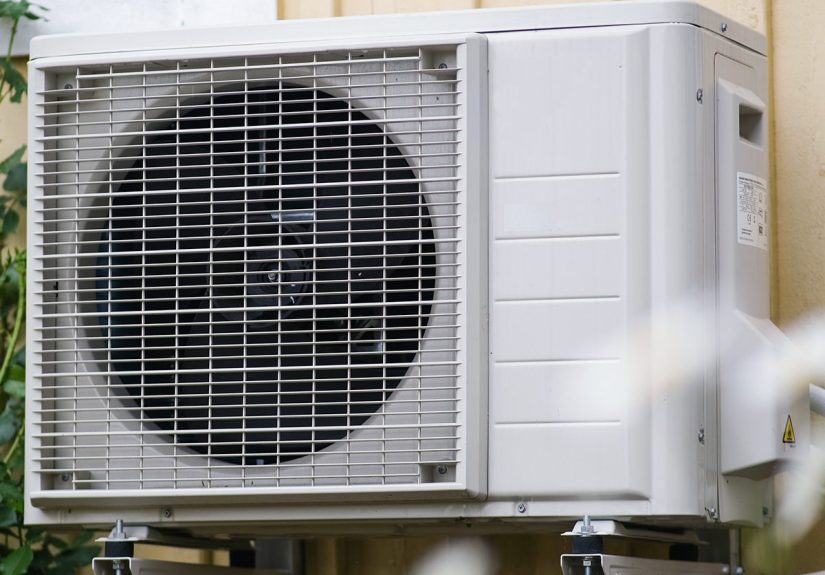
- Keep the outdoor unit clear: Leaves, snow, and debris can choke performance.
- Use sensible setpoints: Constantly swinging from 68° to 78° is a comfort rollercoaster that can stress performance.
- Schedule periodic professional checkups: Especially if you rely on the system for primary heat.
So…Which Brand Should You Choose?
If you want the safest “expert pick” for long-term performance, Mitsubishi Electric is hard to beat.
If you want a strong all-around brand with efficient, modern ductless options, Daikin is an excellent
contender. Fujitsu is a standout for cold-weather reliability and flexible system configurations.
LG is compelling for multi-zone, feature-forward comfort solutions. And if you want strong efficiency
and value, GREE is a smart brand to compareespecially for single-zone upgrades and budget-conscious
installs.
The best move in 2025 is to pick a brand your installer knows well, confirm AHRI-rated matched
performance, and choose a system that fits your climate and layoutnot just your wishlist.
Real-World Experiences: What People Learn After Living With Mini Splits (About )
Talk to enough homeowners and you’ll notice a pattern: people rarely regret having mini-splits.
They regret the small decisions they didn’t think would matter. Like putting a wall unit where it’s
easy to install instead of where it’s best for airflow. Or choosing a system sized by “rule of thumb”
because the old furnace was the same tonnage (spoiler: that’s not how building loads work).
One common “aha” moment happens in the first humid summer. Mini-splits can be excellent at comfort,
but humidity control depends on sizing, runtime, and fan behavior. Homeowners often report that an
oversized unit cools fast but leaves the room feeling a bit clammybecause it doesn’t run long enough
to pull out moisture. The fix is usually not a new brand; it’s right-sizing and dialing in settings.
That’s why pros push load calculations and proper commissioning: comfort is a system outcome, not a
logo outcome.
Another frequent story: the “quiet surprise.” Many buyers expect mini-splits to be silent angels.
In reality, they’re usually quietbut placement and vibration control matter. A bedroom head unit
mounted on a wall that shares studs with a headboard can turn tiny vibrations into a nightly soundtrack.
People who love their systems often mention thoughtful placement: away from beds, aimed for even air
mixing, and installed with attention to mounts and line routing.
Winter teaches its own lessons. Homeowners in colder regions often say the biggest improvement isn’t
just warmthit’s consistent warmth. Inverter-driven mini-splits can maintain temperature with fewer
big swings than older on/off systems. But cold-climate performance isn’t automatic; it’s tied to the
specific model line. People who choose a cold-climate series tend to be happier using the system as
primary heat, while those who buy a cooling-first unit sometimes end up relying more on backup heat
during cold snaps.
There’s also the “support matters” realization. When something goes wrong (even minor), homeowners
appreciate brands with strong parts availability and responsive dealer networks. This is where
premium brands earn their reputation: not because other systems can’t cool a room, but because the
ownership experiencedocumentation, warranty processing, tech supportcan be smoother. On the value
side, homeowners who have great experiences often credit their installer: the right contractor can
make a value brand feel premium by installing it correctly and supporting it well.
Finally, many mini-split owners become accidental zoning evangelists. They start with “just one room”
(a sunroom, a garage, a home office), then realize how nice it is to condition the space they’re
actually usingwithout paying to over-condition the entire house. If you’ve ever argued with someone
about the thermostat, a mini-split might be the closest thing to peace talks you can mount on a wall.