Table of Contents >> Show >> Hide
- Quick Picks: The Top Smart Bulbs of 2024
- How We Chose the Best Smart Bulbs of 2024
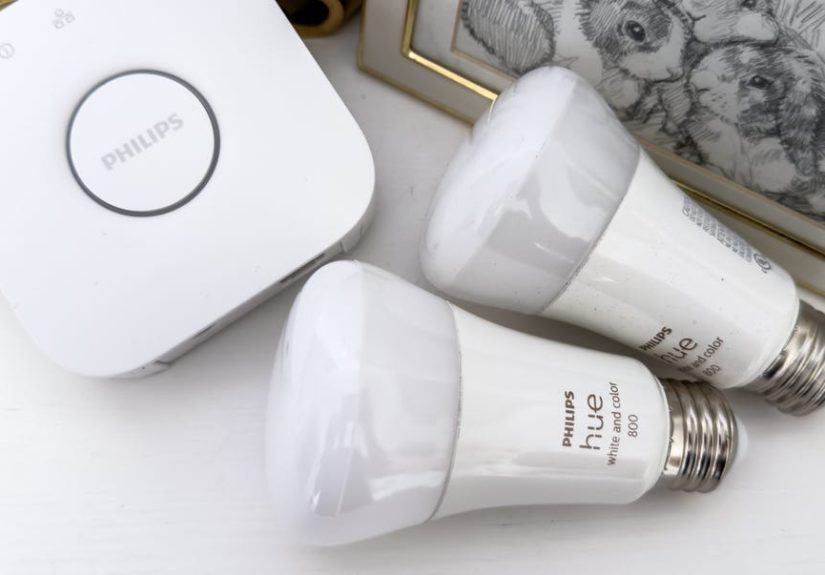
- 1) Philips Hue White & Color Ambiance (A19): Best Overall Smart Bulb
- 2) LIFX Color (A19): Best for Bold Color and Brightness (No Hub)
- 3) WiZ Color (A19): Best Budget Smart Bulb for Most People
- 4) Wyze Bulb Color (A19): Best Cheap Color Bulb with Fun Features
- 5) TP-Link Kasa Smart Bulb KL125: Best Smart Bulb for Energy Monitoring
- Buying Guide: How to Choose the Best Smart Bulb for Your Home in 2024
- Common Mistakes to Avoid (So Your Lights Don’t Become “Mood Swings”)
- Real-World Experiences: Living With Smart Bulbs in 2024 (The Part You’ll Actually Feel)
- Final Thoughts
Smart bulbs used to be a “fun party trick” purchasesomething you grabbed to make your living room glow purple for exactly one weekend. In 2024, they’re
closer to an everyday upgrade: easier setup, better apps, brighter output, and far more cross-platform compatibility (hello, Matter).
The result? You don’t need a computer science degreeor a secret lairto automate your lights.
But the smart-bulb aisle is still a little chaotic. Some bulbs need a hub. Some insist on Wi-Fi. Some promise “16 million colors” (as if you were about to
audition for The Great Neon Bake-Off). And some are fantastic… until your router has a bad day and your kitchen lights decide it’s “mysterious mood time.”
This guide cuts through the noise with five picks that stood out in 2024 for reliability, light quality, features, and overall value.
Quick Picks: The Top Smart Bulbs of 2024
| Pick | Best For | Why It Wins | Trade-Off |
|---|---|---|---|
| Philips Hue White & Color Ambiance (A19) | Best overall smart bulb ecosystem | Rock-solid performance, excellent scenes, huge accessory lineup | Best experience requires a Hue Bridge (extra cost) |
| LIFX Color (A19) | Bright, bold colorno hub | Vivid colors, strong brightness, great for statement lighting | Wi-Fi bulbs can be pickier about router quality |
| WiZ Color (A19) | Best budget-friendly all-rounder | Easy setup, great features for the price, broad compatibility | App polish and advanced extras aren’t as “luxury” as Hue |
| Wyze Bulb Color (A19) | Best cheap color bulb with strong automation | Very bright, fun effects, useful scheduling and routines | Apple Home support isn’t the main focus |
| TP-Link Kasa Smart Bulb KL125 | Best for tracking energy use | Color + tunable white with energy monitoring tools | Not the best “wow” effects compared with premium brands |
How We Chose the Best Smart Bulbs of 2024
“Best” depends on what you want your lights to do. For this list, we focused on five criteria that matter in real homes (not just in marketing copy):
- Reliability: A smart bulb should respond quickly and stay connected without daily pep talks.
- Light quality: Smooth dimming, pleasant whites, strong colors, and consistent output.
- Smart home compatibility: Alexa, Google Home, Apple Homeplus growing support for Matter in 2024.
- App + automation: Scheduling, scenes, grouping, and easy control for non-techy household members.
- Value: The experience you get for the price (including whether you need a hub).
1) Philips Hue White & Color Ambiance (A19): Best Overall Smart Bulb
If smart lighting had an honor-roll student, it would wear a Philips Hue letter jacket. Hue earned its reputation by being consistent: smooth dimming,
rich color, dependable schedules, and an ecosystem that keeps expanding (bulbs, light strips, switches, sensors, and more).
Why it’s a top pick in 2024
- Stability first: Hue is known for “it just works” performance when paired with the Hue Bridge.
- Excellent scenes: Great for cozy warm whites, energizing daylight, or color ambiance without harsh transitions.
- Flexible control: Many Hue bulbs support Bluetooth for quick start, but the Bridge unlocks the best features.
- Room to grow: You can start with a couple bulbs and scale into a full-house setup.
What to watch out for
Hue can cost more than budget bulbs, and the best experience typically includes the Hue Bridge. Think of it like buying a really good pan: you might pay more,
but you’ll complain less (which is priceless).
Best places to use it
Living rooms, bedrooms, and anywhere you want reliable scenesespecially if you’ll add motion sensors or smart switches later.
2) LIFX Color (A19): Best for Bold Color and Brightness (No Hub)
LIFX has long been the brand you buy when you want your lights to look like they mean business. The LIFX Color A19 is built for vivid color,
strong brightness, and a wide range of whiteswithout needing a dedicated hub.
Why it’s a top pick in 2024
- No hub required: Great for apartments, dorms, rentals, or anyone who wants fewer boxes in life.
- Punchy color: Excellent for accent lamps, gaming rooms, creative studios, or “I need dopamine lighting” corners.
- Strong white range: Useful from warm nighttime lighting to crisp task-friendly whites.
What to watch out for
Any Wi-Fi smart bulb can be sensitive to router quality and crowded networks. If your Wi-Fi struggles, a hub-based system (like Hue) can feel calmer.
If your Wi-Fi is solid, LIFX can feel like a “premium without the hub tax.”
Best places to use it
Desk lamps, bedside lamps, and spotlight areas where color quality really showslike a reading nook or an accent fixture.
3) WiZ Color (A19): Best Budget Smart Bulb for Most People
WiZ is the friend who shows up to the party with snacks and remembers your birthday. In 2024, WiZ continued to stand out for offering a lot of smart
features at a wallet-friendly priceespecially for people who want app control, schedules, and voice assistant integration without paying premium-brand pricing.
Why it’s a top pick in 2024
- Great value: You get color, tunable whites, scenes, and scheduling at a budget price point.
- Easy setup: Generally quick to install and pair, making it a good “first smart bulb.”
- Modern compatibility: Many WiZ products in recent years support Matter, which helps with cross-platform use.
What to watch out for
WiZ is excellent for everyday smart lighting, but the very top-tier polishultra-refined scene design, deep accessory ecosystem, “everything talks to everything”
vibesstill tends to be stronger with Hue.
Best places to use it
Kitchens (for tunable whites), hallways (for schedules), and anywhere you want a big upgrade without a big bill.
4) Wyze Bulb Color (A19): Best Cheap Color Bulb with Fun Features
Wyze’s superpower is making smart home gear that’s affordable but still surprisingly useful. Wyze Bulb Color is a standout for bright output,
broad color options, and automations that are genuinely practicallike routines that support bedtime and wake-up schedules.
Why it’s a top pick in 2024
- Very bright for the money: Great when you want a color bulb that doesn’t feel dim and sad.
- Tunable whites + color: Use warm whites at night and brighter whites for daytime tasks.
- Automation-friendly: Scheduling, routines, and “vacation mode” style behaviors are easy to set up.
What to watch out for
If your home is heavily invested in Apple Home, you’ll want to double-check ecosystem fit before going all-in on Wyze. For Alexa/Google households,
it’s often a smoother match.
Best places to use it
Kids’ rooms (fun colors), living rooms (scene lighting), and anywhere you want a colorful vibe without premium pricing.
5) TP-Link Kasa Smart Bulb KL125: Best Smart Bulb for Energy Monitoring
Most smart bulbs let you control brightness and color. Kasa’s KL125 goes a step further with tools designed to help you track energy consumption.
If you’re the kind of person who likes dataor you just want to get a handle on what’s running in your homethis is a genuinely practical feature.
Why it’s a top pick in 2024
- Energy insights: Helpful for measuring usage patterns and deciding where automation could save power.
- Solid everyday lighting: Good color options, tunable whites, and standard smart features.
- Strong platform support: Works well with major voice assistants and common smart home setups.
What to watch out for
If you’re chasing the most cinematic effects, other bulbs may look flashier. But for “I want smart lighting that’s useful and measurable,” KL125 is a strong pick.
Best places to use it
Home offices, frequently used lamps, or high-usage fixtures where monitoring and automation have the most payoff.
Buying Guide: How to Choose the Best Smart Bulb for Your Home in 2024
1) Pick your “control center” first: Alexa, Google Home, Apple Home, or SmartThings
Smart bulbs are easiest when your household agrees on a main ecosystem. If you’re all-in on Apple, prioritize bulbs that behave well in Apple Home (and consider
Matter + Thread options). If your home already uses Alexa or Google speakers, you can choose from a wider pool of budget Wi-Fi bulbs.
2) Matter mattersbut it’s not magic
Matter became a bigger deal in 2024 because it simplifies cross-platform compatibility. A Matter-capable bulb can be easier to move between ecosystems
(for example, switching from Google Home to Apple Home later). But Matter doesn’t automatically guarantee every advanced feature in every app.
Think of it as a universal translatorvery useful, not all-powerful.
3) Wi-Fi vs hub vs Thread: which is better?
- Wi-Fi bulbs: Easy to start, no hub required. Can stress crowded networks if you add dozens.
- Hub-based bulbs (often Zigbee): Extra hardware cost, but usually excellent reliability and responsiveness.
- Thread bulbs: Designed for low-power mesh networking; great when you have a Thread border router (like certain smart speakers/hubs).
If you’re lighting a whole house, a hub or Thread mesh can feel smoother. If you’re adding two bulbs to a bedroom, Wi-Fi is often perfectly fine.
4) Brightness and color temperature: don’t buy a “sad bulb”
Many standard A19 bulbs are around the “classic” brightness level people expect for general lighting. If you’re replacing a bright overhead bulb,
look for higher-lumen options. Also check the white range: warm whites help at night, while cooler whites can feel better for task lighting.
5) The overlooked hero: physical control
Smart bulbs are amazing until someone turns off the switch out of habit. If you live with other humans (or you are sometimes that human),
consider adding a smart switch, a smart button, or at least a routine-friendly “always on” plan for key fixtures.
Your future self will thank youprobably out loud, when the lights actually respond.
6) Security and privacy basics
Use strong passwords, enable two-factor authentication when available, and keep firmware updated. Smart bulbs are small devices, but they’re still
connected devicestreat them like you’d treat any app-connected tech.
Common Mistakes to Avoid (So Your Lights Don’t Become “Mood Swings”)
- Overloading Wi-Fi: If you plan on 30+ bulbs, consider a hub or Thread-based approach.
- Ignoring the room’s purpose: Bedrooms want warm dimming; offices want bright, clean whites.
- Buying the cheapest bulb for every room: Put the best bulbs where you’ll notice them most.
- Forgetting guests: Create a simple “normal” scene so visitors don’t feel like they need a tutorial.
Real-World Experiences: Living With Smart Bulbs in 2024 (The Part You’ll Actually Feel)
Here’s what it’s like when smart bulbs move from “gadget” to “background magic”the kind you only notice when it’s missing.
These are practical, lived-in scenarios you can steal (and adjust) for your own setup.
Morning routines: The first win is a gentle wake-up. Instead of a harsh overhead light that makes you feel like you’re being interrogated,
you set a routine: 10 minutes of warm, dim light that slowly brightens, then shifts to a cleaner white once you’re upright. Even if you’re not a “morning person,”
the room feels less like a confrontation and more like an invitation. The best part? You stop thinking about it. It just happens.
Work-from-home sanity: Around midday, you realize lighting changes your focus more than you expected. Cooler, brighter whites help in a home office,
while warmer tones can keep you from feeling like you’re living inside a spreadsheet. With smart bulbs, you can schedule that shift automatically:
“Focus” mode during work hours, then a softer tone when you clock out. It’s a small change that makes the day feel more structuredlike your home is politely
reminding you that you’re allowed to be off-duty.
Cooking and cleanup: In the kitchen, smart bulbs earn their keep with simple, high-utility scenes: bright neutral white for chopping and cooking,
warmer dimmer light for dinner, and a late-night “don’t blind me” mode for water runs. If you’ve ever flipped on the kitchen light at 2 a.m. and felt your soul
leave your body, you know exactly why this matters.
Movie nights and gaming: Color scenes are the obvious flex, and yes, they’re fun. But the surprise is how often you use subtle colornot neon,
not nightclubjust a low-saturation glow behind the TV or in a corner lamp. It reduces glare, adds atmosphere, and makes the room feel intentionally designed.
If you’re gaming, you can go bolder, but even then the best setups often use color as accent, not as the main event.
“Is anyone home?” peace of mind: Vacation-style schedules are underrated. Even a simple routine that turns a couple lamps on and off in the evening
makes a home look lived-in. And for everyday life, automations prevent the classic “did I leave the light on?” spiral. You can set lights to shut off at midnight,
or have them turn off when you leavethen turn on when you arriveso you’re not walking into a dark house juggling keys and groceries like a circus act.
Household harmony: The biggest real-world lesson: make smart lighting easy for everyone. Create one “Normal” scene that feels like regular lighting.
Add one or two named scenes that are intuitive“Relax,” “Bright,” “Nightlight.” If you have a family member who does not want a hobby called “lighting configuration,”
give them a button, a voice command, or a single tap in a shared app. Smart bulbs should reduce friction, not create it.
After a few weeks, the novelty wears offand that’s the best outcome. Smart bulbs fade into the background as your home starts behaving the way you always wanted it to:
responsive, comfortable, and just a little bit smarter than it was yesterday.
Final Thoughts
The best smart bulbs of 2024 aren’t just about color tricksthey’re about daily comfort: smoother wake-ups, better focus lighting, easier routines, and fewer
“Who left the lights on?” debates. If you want the most dependable, expandable experience, Philips Hue remains the safe bet. If you want bold brightness without
a hub, LIFX is a standout. If you want strong value, WiZ and Wyze are hard to beat. And if you like your lighting with a side of data, Kasa’s energy tools are
genuinely useful.