Table of Contents >> Show >> Hide
- What Makes a Great Indoor Security Camera in 2024?
- The 8 Best Indoor Security Cameras for 2024
- 1. Google Nest Cam (Indoor, Wired) Best Overall Indoor Security Camera
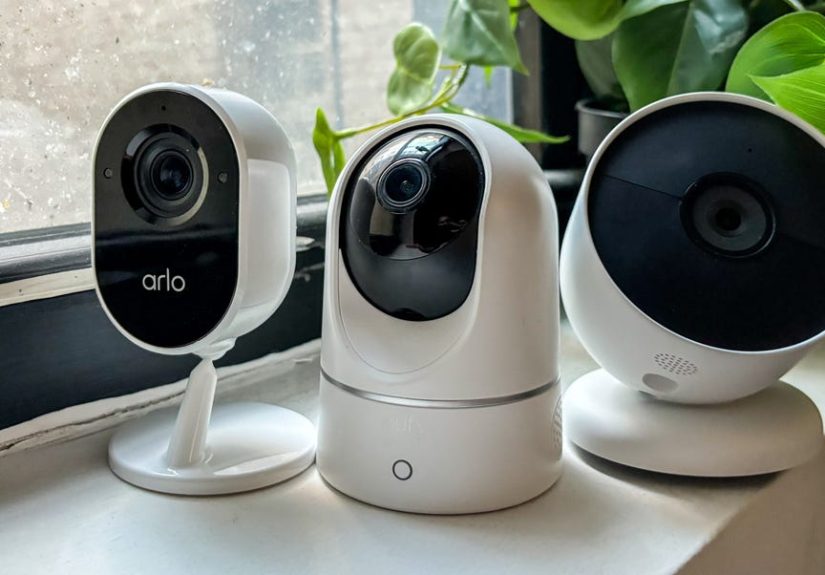
- 2. Arlo Essential Indoor Camera Best Premium Wireless Indoor Camera
- 3. Ring Indoor Cam (2nd Gen) Best for Alexa Households
- 4. Wyze Cam Pan v3 Best Budget Pan-and-Tilt Indoor Camera
- 5. Eufy Indoor Cam S350 Best for Pets, Nurseries, and Detail Lovers
- 6. TP-Link Tapo C120 Best Value 2K Indoor Security Camera
- 7. Blink Mini 2 Best Ultra-Affordable Indoor Camera
- 8. Reolink E1 Zoom Best Indoor Camera for Local Storage and Zoom
- How to Choose the Best Indoor Security Camera for Your Home
- Final Verdict
- Real-World Experience: What It’s Like Living With Indoor Security Cameras
- SEO Tags
Shopping for the best indoor security camera in 2024 sounds simple right up until you open 17 tabs and discover that every brand swears its camera has “crystal-clear video,” “smart alerts,” and “seamless setup.” At that point, the whole category starts to sound like a dating app for gadgets. The truth is a lot less dramatic: the best indoor security camera is the one that fits your home, your budget, and your tolerance for monthly subscriptions that sneak onto your credit card like raccoons into an open trash can.
For this roundup, the goal is not to crown the flashiest camera with the most dramatic marketing language. It is to identify the indoor cameras that actually make sense for real households in 2024. That means clear video, useful alerts, reliable apps, strong privacy features, decent night vision, and easy installation. It also means being honest about the fine print. Some cameras look cheap until you realize the best features live behind a paywall. Others look expensive until you realize they save you money over time with local storage and fewer subscription headaches.
One quick note before we dive in: when shoppers say best wireless indoor camera, they usually mean a camera that connects over Wi-Fi, not necessarily a completely wire-free battery model. Most of the best indoor cameras are plug-in devices. That is actually a good thing, because constant power means fewer dead batteries, more stable performance, and less chance of your camera giving up right when your dog decides the couch cushion is a chew toy.
What Makes a Great Indoor Security Camera in 2024?
The best indoor security cameras are not judged by video quality alone. A sharp image matters, but so do the features that make the camera useful when you are not standing directly in front of it. Smart motion alerts, two-way talk, privacy shutters, local storage, app reliability, and smart-home compatibility all separate the winners from the boxes that end up in the return pile.
Privacy matters especially indoors. A camera in the living room, nursery, or home office is far more personal than a camera pointed at the driveway. That is why a physical privacy cover, privacy mode, or automatic privacy shield deserves extra credit. Indoor cameras should also handle low light well, because most suspicious activity and most late-night pet chaos happen after sunset.
Storage is another major dividing line. Some people are perfectly happy with cloud recording and app-based playback. Others would rather not pay a monthly fee forever just to watch a clip of the cat knocking over a lamp in high definition. If you are in the second group, cameras with microSD support or no-fee local storage become a lot more attractive.
The 8 Best Indoor Security Cameras for 2024
1. Google Nest Cam (Indoor, Wired) Best Overall Indoor Security Camera
If you want the safest all-around pick, the Google Nest Cam (Indoor, Wired) is the easiest recommendation. It does not try to win with gimmicks. It wins by being polished, dependable, and unusually easy to live with every day. The design is clean, setup is straightforward, and the Google Home app feels more refined than many of its rivals. That matters more than brands like to admit. A camera is only useful if checking it feels effortless.
The Nest Cam is especially strong for people who want a simple indoor camera with solid alerts and a smart-home experience that does not feel cobbled together with duct tape and crossed fingers. Video quality is crisp enough for everyday home monitoring, the field of view is wide, and the overall user experience is calm instead of chaotic. It is not the cheapest option, and Google definitely wants you to consider its subscription ecosystem, but this is the camera most people can buy without regret.
Best for: most households, Google Home users, and shoppers who value app quality as much as hardware.
2. Arlo Essential Indoor Camera Best Premium Wireless Indoor Camera
The Arlo Essential Indoor Camera is a strong choice for shoppers who want a more premium feel without jumping into luxury-camera territory. Arlo has built its reputation on cleaner design, reliable alerts, and thoughtful privacy touches, and this model keeps that formula intact. Its biggest selling point is balance. It offers strong video quality, two-way audio, good motion notifications, and an actual privacy shield, which instantly makes it easier to trust inside the home.
Arlo is a great fit if you want an indoor camera that feels a little more grown-up than bargain models. The hardware looks better, the app is organized, and the alerts are not as noisy as some lower-cost competitors. The catch, of course, is the familiar one: Arlo gets significantly better with a subscription. If you hate monthly fees on principle, this may not be your soulmate. But if you want one of the best wireless indoor cameras for convenience and polish, it deserves a spot near the top.
Best for: shoppers who want premium features, strong privacy controls, and a cleaner user experience.
3. Ring Indoor Cam (2nd Gen) Best for Alexa Households
The Ring Indoor Cam (2nd Gen) makes the most sense for homes that already live in Amazon’s ecosystem. If you have Echo devices, use Alexa routines, or already own Ring doorbells or outdoor cameras, this model slides into place with very little effort. That kind of ecosystem fit is underrated. One app, one account, one interface, and fewer compatibility headaches can be worth a lot.
Ring also earns points for practical features. The built-in privacy cover is reassuring, color night vision is useful indoors, and the compact size makes placement easy on shelves, counters, and walls. The downside is that Ring’s best long-term value shows up when you commit to its ecosystem. If you are starting from zero and do not care about Alexa, other cameras may give you more value per dollar. But for Ring households, this is the indoor camera equivalent of ordering your usual coffee: predictable, quick, and satisfying.
Best for: Alexa users, Ring households, and anyone who wants easy DIY setup.
4. Wyze Cam Pan v3 Best Budget Pan-and-Tilt Indoor Camera
The Wyze Cam Pan v3 is proof that cheap does not always mean flimsy. It is one of the most appealing budget picks because it gives you something static cameras cannot: movement. With pan-and-tilt coverage, it can sweep across a room, follow activity, and cover more space without forcing you to buy two cameras for every corner.
This makes it especially useful for large rooms, pet monitoring, playrooms, and open-plan apartments where a fixed camera might leave blind spots. Wyze has always been strong on value, and the Pan v3 continues that tradition. You get a lot of function for not much money, including two-way audio and flexible placement. The reason it does not rank higher overall is simple: the Wyze ecosystem can feel less polished, and some shoppers will still side-eye the brand over past privacy issues. If your priority is value and coverage, though, this camera punches well above its price tag.
Best for: budget shoppers, pet owners, and anyone who wants pan-and-tilt coverage without spending premium money.
5. Eufy Indoor Cam S350 Best for Pets, Nurseries, and Detail Lovers
The Eufy Indoor Cam S350 is the camera for people who zoom in. Not metaphorically. Literally. Its dual-camera setup and stronger detail make it a compelling pick for nurseries, pet monitoring, and large living spaces where you want more than a basic wide shot. If your current camera turns your dog into a beige blur the second he moves, the S350 is the upgrade you have been waiting for.
Eufy also appeals to buyers who prefer local storage and less cloud dependence. That is a big deal indoors, where privacy concerns hit differently. The S350 feels more advanced than a typical budget indoor camera, but it still avoids the “why does this cost as much as a small appliance?” problem that affects some higher-end models. It is not the cheapest option, and the design is more functional than beautiful, but for sharp detail and smart indoor coverage, it is one of the best cameras in this class.
Best for: pet parents, nursery monitoring, and shoppers who care about zoom and image detail.
6. TP-Link Tapo C120 Best Value 2K Indoor Security Camera
The TP-Link Tapo C120 is a great example of a camera that feels more expensive than it is. It offers a very appealing mix of 2K detail, strong low-light performance, flexible mounting, and local storage support. In a category full of “pretty good for the price” products, the Tapo C120 feels like a camera that actually knows why it exists. It is for shoppers who want better-than-basic quality without being dragged into premium-brand pricing.
It is also one of the most versatile picks here. While it can work indoors or outdoors, that flexibility is useful even if you only plan to use it inside. The compact design, magnetic mounting options, and smart detection features make it easy to recommend for renters, apartment dwellers, or anyone who wants a camera they can reposition without turning installation into a home-improvement project. The app is not quite as elegant as Google’s, but the value here is excellent.
Best for: budget-conscious shoppers who still want 2K video, local storage, and flexible installation.
7. Blink Mini 2 Best Ultra-Affordable Indoor Camera
The Blink Mini 2 is the camera for people who want the easiest possible entry into indoor monitoring. It is small, inexpensive, simple to set up, and easy to recommend for basic jobs like checking the front room, monitoring a pet, or keeping an eye on a package drop area indoors. Blink knows its audience. This is not a power-user camera. It is a “please just show me whether the dog is on the couch again” camera.
That simplicity is the whole appeal. The Mini 2 is not trying to out-muscle more advanced indoor cameras with sophisticated tracking or premium hardware. It is trying to be useful, accessible, and low-stress. For many homes, that is enough. The trade-off is that Blink works best if you are comfortable with Amazon’s world and do not need every premium feature under the sun. But for shoppers who want something affordable and capable, it is a very respectable little camera.
Best for: first-time buyers, pet checks, dorm rooms, apartments, and tight budgets.
8. Reolink E1 Zoom Best Indoor Camera for Local Storage and Zoom
The Reolink E1 Zoom is the pick for tinkerers, practical shoppers, and anyone who values control over branding. Reolink has built a loyal following by focusing on useful features, local storage, and strong value, and the E1 Zoom fits that reputation well. It is especially appealing if you want zoom capability, pan-and-tilt movement, and less dependence on recurring subscription fees.
This is not the prettiest camera on the list, and it does not have the mainstream recognition of Nest, Ring, or Arlo. But if you are comparing what you actually get for your money, Reolink becomes very hard to ignore. It is the sort of camera that quietly wins over sensible buyers who care more about function than brand status. In other words, it is the “I did the spreadsheet and this one made the most sense” pick.
Best for: local-storage fans, tech-savvy buyers, and anyone who wants indoor pan, tilt, and zoom without overspending.
How to Choose the Best Indoor Security Camera for Your Home
If you want the safest all-around choice, buy the Google Nest Cam. If you want the best premium indoor experience with privacy in mind, choose the Arlo Essential Indoor Camera. If you want the best budget pan-and-tilt model, go with the Wyze Cam Pan v3. If local storage and detailed zoom are high priorities, look hard at Eufy, Tapo, and Reolink.
The bigger question is how you plan to use the camera. A nursery camera needs different strengths than a camera for the hallway or living room. For pets, pan-and-tilt and two-way talk are especially helpful. For entry points, fast alerts and dependable app performance matter more. For privacy-conscious buyers, a physical cover or privacy shield should be near the top of the checklist.
Also, do not let the phrase best wireless indoor camera trick you into thinking battery-powered is always better. Indoors, plug-in cameras are often the smarter choice because they offer more stable operation and less maintenance. Most people do not want to charge a camera just to confirm that their teenager came home and immediately raided the fridge.
Final Verdict
The best indoor security camera for most people in 2024 is the Google Nest Cam (Indoor, Wired). It offers the strongest mix of ease, reliability, smart alerts, and everyday usability. But the “best” camera changes depending on your priorities. Arlo feels more premium, Ring is great for Alexa homes, Wyze wins on budget pan-and-tilt value, Eufy is excellent for detailed indoor monitoring, Tapo is one of the smartest value buys around, Blink keeps things simple, and Reolink is a gift to people who hate subscription creep.
In other words, there is no single perfect indoor security camera. There is only the one that best matches your home, your habits, and your patience for apps that think every curtain movement is a possible crime. Choose wisely, and your camera becomes a useful layer of peace of mind. Choose poorly, and you will spend your evenings watching false alerts of absolutely nothing happening in 1080p.
Real-World Experience: What It’s Like Living With Indoor Security Cameras
Here is the part many roundup articles skip: living with an indoor security camera is not just about specs. It is about whether the camera disappears into your routine or becomes one more needy little rectangle begging for attention. In real life, the best indoor cameras are the ones you stop noticing until you actually need them. That sounds boring, but boring is good in home security. You do not want drama from the thing that is supposed to reduce drama.
One of the first things people notice after installing an indoor camera is how quickly they start using it for ordinary, non-crime purposes. Yes, it is there for security. But it also becomes a pet cam, a package-room check, a “did the kids get home?” tool, and a way to confirm that the strange noise in the kitchen was, in fact, the cat and not a home invasion. Indoor cameras often end up being more about convenience than emergency response, and that is perfectly fine.
The experience is also heavily shaped by the app. A camera can have great hardware and still be annoying if the app is clunky, slow, or overly aggressive with alerts. This is why polished brands tend to feel better over time. Faster loading, clearer notifications, and fewer steps to review a clip make a huge difference when you are checking in during a lunch break or while traveling. It sounds minor until you use a bad app for a week and start bargaining with yourself about whether that alert is worth opening.
Privacy is another real-world issue that becomes more important after day one. Many people are comfortable installing a camera when they are away, then suddenly feel strange about it watching the couch, dining table, or hallway all day long. That is where privacy shutters, covers, and app-based privacy modes become more than marketing bullet points. They can make the difference between a camera you trust and one you unplug when guests visit. Indoors, emotional comfort matters just as much as technical capability.
There is also the monthly subscription question, which tends to start as a shrug and end as a spreadsheet. At first, paying a few dollars a month sounds harmless. Then you add a second camera, maybe a doorbell, maybe cloud history, and suddenly your home-security setup has a streaming-service budget. Cameras with local storage, good free alerts, or no-fee playback options feel a lot more attractive once that realization lands. It is not that subscriptions are always bad. It is that they are easy to underestimate.
Finally, indoor cameras work best when placement is thoughtful. Too high, and faces become forehead documentaries. Too low, and the camera becomes a close-up film festival for table legs and houseplants. In real homes, the sweet spot is usually a stable shelf or wall mount with a clear view of entrances and the center of the room. Once that is dialed in, a good indoor camera can quietly do its job for months. And when something weird does happen, whether it is a delivery issue, a barking dog, or a midnight crash in the kitchen, you will be very glad your camera was there, calmly recording evidence while everyone else was panicking.