Table of Contents >> Show >> Hide
- Why Bread Matters So Much in Diabetes Management
- What Makes a Bread Better for People with Diabetes?
- The Best Bread Options for People with Diabetes
- Breads That Usually Belong in the “Occasional” Category
- How to Read a Bread Label Without Losing Your Mind
- How to Eat Bread More Wisely When You Have Diabetes
- A Simple Ranking: What Usually Works Best
- Real-World Experiences: What People Often Notice When They Change Their Bread Choices
- Conclusion
- SEO Tags
Bread has a terrible reputation in diabetes conversations. The poor loaf gets blamed for blood sugar spikes, bad sandwich choices, and the occasional breakfast that turns into an afternoon nap. But bread itself is not the villain twirling its mustache in your pantry. For people with diabetes, the real issue is which bread you choose, how much you eat, and what you pair it with.
That means the question is not, “Can people with diabetes eat bread?” In most cases, yes. The smarter question is, “What kind of bread gives me the best nutrition, the most staying power, and the least dramatic blood sugar roller coaster?”
The best bread options for people with diabetes tend to have a few things in common: they are made with whole grains, contain more fiber, have less added sugar, and come in portions that are easier to manage. Some are classic grocery-store staples. Others are slightly more “I meal-prep on Sundays and own three kinds of seeds.” Either way, there are solid options.
Why Bread Matters So Much in Diabetes Management
Bread is a carbohydrate-rich food, and carbohydrates have the biggest effect on blood sugar for most people with diabetes. That does not mean carbs are bad. It means they deserve respect, like a toddler with permanent-marker access.
When bread is made from refined flour, such as standard white bread, it is digested more quickly and often causes blood sugar to rise faster. When bread is made from whole grains and contains more fiber, digestion tends to slow down. That can help create a steadier blood sugar response and may also keep you full longer.
This is one reason whole grains are such a big deal. They keep more of the original grain intact, including the bran and germ, which contribute fiber, vitamins, minerals, and a more satisfying texture. Refined breads may be soft and fluffy, but from a blood sugar standpoint, fluffy is not always your best friend.
What Makes a Bread Better for People with Diabetes?
If you want to identify a diabetes-friendlier bread, start with these practical checkpoints:
- Whole grain listed first: Look for terms like “whole wheat flour,” “whole rye,” or another whole grain as the first ingredient.
- More fiber per slice: A good target is about 3 grams of fiber per slice when possible.
- Reasonable total carbs: Bread is not judged by fiber alone. The total carbohydrate amount still matters.
- Low added sugar: Some breads sneak in more sugar than you might expect. A “healthy” label on the front does not get the final vote.
- Manageable portion size: Thin-sliced bread or smaller-format breads can be genuinely helpful, not sad or punishment-adjacent.
- Ingredients you recognize: Long ingredient lists are not automatically bad, but simpler, whole-food-based breads are often easier to compare and trust.
One more important point: if you count carbs, use the total carbohydrate line on the Nutrition Facts label. “Net carbs” may sound slick and persuasive, but they are not the most reliable tool for diabetes meal planning.
The Best Bread Options for People with Diabetes
1. 100% Whole Wheat Bread
This is the reliable workhorse of diabetes-friendly bread choices. A true 100% whole wheat bread is widely available, usually affordable, and often a strong upgrade from white bread. Because it keeps the whole grain, it generally offers more fiber and a slower blood sugar impact than refined bread.
The catch is that not every loaf labeled “wheat” is actually whole wheat. “Wheat bread” can still be made mostly from refined flour. The ingredient list is where the truth lives. If the first ingredient is not a whole grain, put the loaf back and continue your supermarket detective work.
Best for: everyday sandwiches, toast, grilled cheese upgrades, and people who want a practical option without shopping in a specialty aisle.
2. Sprouted Grain Bread
Sprouted grain bread is a favorite among dietitians and label readers for good reason. It is often made from sprouted whole grains and legumes, which can add fiber and protein while keeping the bread dense and filling. Many people find it more satisfying than conventional sandwich bread, which means they are less likely to eat half the loaf by accident.
Sprouted grain bread is not magic bread. It still contains carbohydrates, and portion size still matters. But if you want something hearty, nutrient-dense, and less likely to leave you hungry 45 minutes later, this is a strong option.
Best for: avocado toast, open-faced sandwiches, breakfast with eggs, or anyone who wants bread that feels substantial.
3. Whole-Grain Sourdough
Sourdough earns extra attention because fermentation may help lower its glycemic impact compared with standard white bread. In plain English, it may not raise blood sugar as quickly as conventional white bread. That said, sourdough is not automatically a free pass, and a sourdough loaf made mostly from refined flour is still not ideal.
The better move is to look for whole-grain sourdough. This gives you the potential benefit of fermentation plus the advantage of more fiber. It can be a nice middle ground for people who love flavor and texture but still want a smarter blood sugar choice.
Best for: toast, tuna melts, savory breakfasts, and people who want a bread with more character than standard sandwich slices.
4. Seeded Whole-Grain Bread
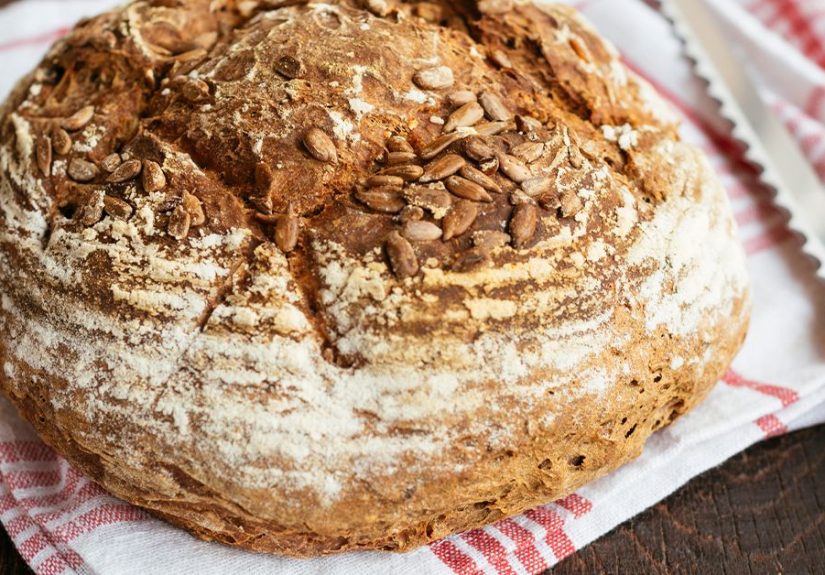
Seeded breads can be excellent choices when they are built on a true whole-grain base. Seeds such as flax, sunflower, sesame, or pumpkin can add texture, healthy fats, and a little extra staying power. That combination may help make the bread more satisfying and less likely to trigger the “I need a second sandwich immediately” feeling.
Still, seeded bread should not get a halo just because it looks rustic and photogenic. Some loaves with visible seeds are still made with refined flour. Translation: pretty loaf, questionable résumé. Read the ingredient list before you fall in love.
Best for: hearty sandwiches, lunchboxes, and anyone who likes texture and wants bread that feels more filling.
5. Thin-Sliced Whole-Grain Bread
Sometimes the best bread is not the trendiest one. It is the one that makes portion control easier. Thin-sliced whole-grain bread can be surprisingly useful for people with diabetes because it allows you to enjoy bread while keeping total carbs more manageable.
This is especially helpful if you love toast, sandwiches, or peanut butter but do not need giant bakery slices the size of a bath mat. Smaller slices can fit more comfortably into a balanced meal plan and may reduce the post-meal blood sugar surprise.
Best for: breakfast toast, lighter sandwiches, snack plates, and people who want flexibility without giving up bread.
6. Rye Bread That Is Truly Whole Grain
Rye bread can be another worthwhile option, especially when it is dense, minimally processed, and made from whole grain rye rather than mostly refined flour with coloring and marketing flair. Some rye breads have a more moderate glycemic effect than highly refined breads, and many people find them more filling.
The challenge is that rye bread labels can be confusing. A dark color does not guarantee whole grain, and “pumpernickel” does not always mean high fiber. As always, the ingredient list and fiber content decide whether a loaf earns a spot in your cart.
Best for: deli-style sandwiches, toast with eggs, and anyone bored by standard wheat bread.
Breads That Usually Belong in the “Occasional” Category
Some breads are better treated as occasional foods rather than everyday staples, especially if blood sugar control is a top priority:
- White bread
- Brioche
- Potato bread made mostly with refined flour
- Sweet breakfast breads
- Cinnamon swirl breads with added sugar
- Oversized bakery bagels and thick sandwich rolls
These options are usually lower in fiber, more refined, or simply too large to fit comfortably into many diabetes meal plans. You do not need to ban them forever. But they are usually not the strongest everyday picks.
How to Read a Bread Label Without Losing Your Mind
Shopping for bread can feel like a quiz written by a marketing department. Here is the simple version:
Check the first ingredient
If the first ingredient says whole wheat flour, whole rye flour, or another whole grain, that is a good sign. If it says enriched wheat flour or wheat flour, that usually means refined grain.
Look at fiber next
More fiber is generally better. Around 3 grams per slice is a very nice benchmark. If a bread has only 1 gram of fiber and calls itself wholesome, that loaf may be overselling itself.
Use total carbohydrate
People with diabetes should pay attention to total carbohydrate on the Nutrition Facts panel. That number tells you how much carb you are actually working with per serving.
Watch added sugar and sodium
A little is one thing. A lot is another. Some packaged breads are sweeter and saltier than you would expect. If two loaves are otherwise similar, the one with less added sugar usually deserves the edge.
Compare serving sizes
One brand’s slice may be tiny, while another’s looks like it could double as a cutting board. Compare carbs, fiber, and portion size together.
How to Eat Bread More Wisely When You Have Diabetes
Even the best bread works better when the rest of the meal pulls its weight.
- Pair bread with protein: eggs, turkey, tuna, cottage cheese, tofu, chicken, or nut butter can help a meal feel steadier and more satisfying.
- Add healthy fat: avocado, nuts, seeds, or olive-oil-based spreads can slow the pace of the meal.
- Bring in fiber-rich sides: salad, nonstarchy vegetables, berries, or beans can improve the meal overall.
- Avoid stacking carbs on carbs on carbs: a big sandwich with chips, juice, and dessert can hit differently than toast paired with eggs and fruit.
- Notice your own response: the best bread on paper is not always the best bread for your body. Blood sugar monitoring can help you learn what works for you.
For example, two slices of whole-grain bread with turkey, lettuce, tomato, and avocado may land much more gently than two slices of bread with jam alone. Same bread, very different meal.
A Simple Ranking: What Usually Works Best
If you want the quick version, here is a practical order of preference:
- 100% whole wheat or other 100% whole-grain bread
- Sprouted grain bread
- Whole-grain sourdough
- Seeded whole-grain bread
- Thin-sliced whole-grain bread
- Whole-grain rye bread
This is not a rigid rulebook. It is a common-sense guide. The “best” bread is the one that checks the label boxes, fits your carb goals, tastes good enough that you will actually eat it, and does not send your blood sugar on a surprise adventure.
Real-World Experiences: What People Often Notice When They Change Their Bread Choices
Many people with diabetes have a similar first reaction when they try to improve their bread choices: they expect the fix to be dramatic and immediate. They assume one loaf swap will somehow transform breakfast into a glucose miracle. What usually happens is more realistic and more useful. Instead of a magic trick, they notice smaller, steadier improvements. Their post-meal numbers may look less extreme. They feel full longer. The 10:30 a.m. hunger crash becomes less dramatic. That may not sound glamorous, but in real life, steady beats flashy every time.
A common experience is discovering that “healthy-looking” bread and truly whole-grain bread are not the same thing. Many people buy a loaf labeled “multigrain,” “country wheat,” or “made with oats,” only to realize later that the first ingredient is refined flour and the fiber content is underwhelming. Once they begin reading labels more carefully, shopping gets easier. They stop buying bread based on color, seeds on top, or packaging that looks like it belongs in a farmhouse kitchen photo shoot. They start buying based on ingredient lists, fiber, and total carbohydrate. That is when better choices become repeatable.
Another frequent experience is that portion size matters more than expected. Someone may switch from white bread to whole wheat and still feel frustrated because blood sugar rises more than they hoped. Then they realize the slices are huge, or the meal includes chips, fruit juice, and a cookie. In other words, the bread improved, but the overall carb load still stayed high. Many people find more success when they move to thin-sliced whole-grain bread, open-faced sandwiches, or one slice of toast with eggs instead of two large slices with sweet toppings. Small adjustments often do more than dramatic diet overhauls that last four days and end with a bagel.
People also tend to notice that pairing matters. Bread eaten alone can hit differently than bread eaten with protein, healthy fat, and fiber. A slice of whole-grain toast with peanut butter may feel steadier than toast with jelly alone. A sandwich with turkey, avocado, and crunchy vegetables is often more satisfying than bread plus processed deli meat and nothing else. This is where diabetes-friendly eating starts to feel less restrictive and more strategic. You are not just asking whether bread is allowed. You are building a better meal around it.
Some people genuinely love sprouted grain bread or whole-grain sourdough once they get used to the denser texture. Others try them and think, “This tastes responsible.” That is also fine. The goal is not to force yourself into a loaf you hate. The goal is to find the healthiest bread you actually enjoy enough to keep buying. The most successful long-term experience is usually not perfection. It is consistency: choosing better bread most of the time, eating sensible portions, and learning what keeps your numbers and energy more stable. In the end, that is the real win. Not a bread fantasy. Just a smarter sandwich.
Conclusion
The best bread options for people with diabetes are usually the ones made from whole grains, with more fiber, less added sugar, and portions that fit your meal plan. Good choices include 100% whole wheat bread, sprouted grain bread, whole-grain sourdough, seeded whole-grain bread, thin-sliced whole-grain bread, and true whole-grain rye.
The most important takeaway is this: bread does not need to disappear from your life just because diabetes showed up. You simply need to choose it more carefully. Read the label. Respect portion size. Pair bread with protein, healthy fat, and fiber. And remember that the best bread is not the one with the loudest health claims. It is the one that works for your body, your routine, and your blood sugar goals.