Table of Contents >> Show >> Hide
- Why This Holiday Hosting Tip Works So Well
- The Real Meaning of “Prep Ahead”
- How to Make Guests Feel Comfortable Instantly
- The Best Holiday Hosting Menu Is the One You Can Actually Enjoy
- Let Go of the “Perfect Host” Fantasy
- What My Mom Was Really Teaching Me
- The One Tip I Use Every Time I Host Now
- 500 More Words on Why This Tip Stays With Me
- Conclusion
- SEO Tags
Every family has that one holiday rule that gets repeated so often it becomes background music. In my house, my mom’s favorite line was this: “Don’t save the important part for when the guests arrive.” As a kid, I thought she meant turkey timing, gravy temperature, or some mysterious grown-up math involving folding tables and dinner rolls.
As an adult, I finally realized what she actually meant. The important part of holiday hosting is not the roast, the ribbon, or the dessert that looks like it belongs on a magazine cover. The important part is the feeling in the room. It is whether people walk in and instantly relax. It is whether you are smiling when you open the door instead of muttering at a casserole. It is whether the host gets to join the party rather than starring in a one-woman kitchen tragedy called Where Did I Put the Serving Spoon?
So yes, my mom was right. The best holiday hosting tip I ever got was to do as much as possible before anyone rings the bell. Not because guests expect a perfect home, but because they remember a warm one. That single idea can change everything about holiday entertaining, from your menu to your mood.
Why This Holiday Hosting Tip Works So Well
Holiday hosting has a funny way of tricking people into thinking more effort automatically means more magic. Suddenly we are hand-polishing glasses, attempting a five-course menu, and wondering whether normal humans really do iron napkins or whether that is a myth invented by candle companies.
My mom never fell for that trap. Her philosophy was practical, cheerful, and slightly ruthless in the best possible way. She believed that anything requiring frantic last-minute attention was probably not worth doing. If a dish could be made ahead, it should be. If a drink could be batched, it must be. If a decoration only mattered to the host and not the guests, it moved directly to the “nice but unnecessary” pile.
That mindset is the secret sauce of stress-free holiday hosting. It protects your energy. It reduces decision fatigue. It leaves room for real conversation, actual laughter, and the possibility that you might sit down while your guests are still there. Revolutionary, I know.
The Real Meaning of “Prep Ahead”
When people hear “prep ahead,” they often imagine spending three exhausting days doing military-level food production. That is not the goal. The goal is to move anything you can out of the final hour.
Think of the hour before guests arrive as sacred. It should be reserved for changing clothes, lighting candles, topping off ice, turning on music, and taking one deep breath that does not smell like onion.
Here is what prep ahead really looks like in practice:
1. Choose a menu with built-in forgiveness
The best holiday menu is not the fanciest one. It is the one that gives you breathing room. Braises, casseroles, soups, dips, room-temperature appetizers, sheet-pan vegetables, make-ahead desserts, and breads that can be warmed quickly are your best friends. Foods that hold well are generous. Foods that demand second-by-second attention are tiny tyrants.
If you can make dessert the day before, do it. If the appetizer can be assembled in the morning, even better. If your main dish gets better after sitting for a bit, congratulations: you have chosen wisely and may now continue hosting with dignity.
2. Set the table early
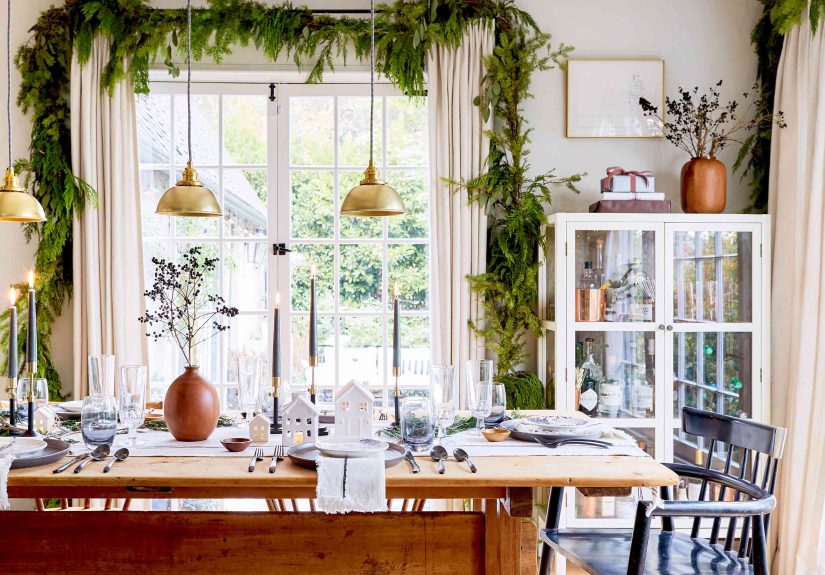
My mom set the table absurdly early. Sometimes the night before. Sometimes earlier than that, which made our dining room look like it was patiently waiting for a royal visit. At the time, I thought it was overkill. Now I know it was genius.
Setting the table ahead instantly reduces the sense of chaos. It lets you spot missing serving pieces, count chairs, check lighting, and avoid that classic panic moment when you realize you have seven guests and only six forks that match. Holiday entertaining feels calmer when the room already looks ready.
3. Create a self-serve drink station
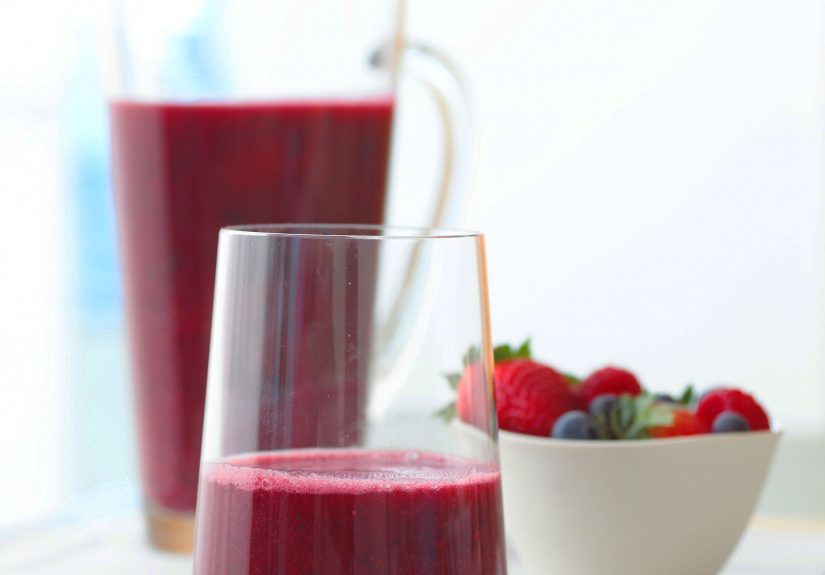
This may be one of the greatest hosting inventions after the slow cooker. A self-serve drink station tells guests, “Please help yourself,” which is code for “I would like to enjoy this party too.” Put out glasses, ice, water, a signature cocktail or punch, sparkling water, and at least one festive nonalcoholic option. Add sliced citrus, cocktail napkins, and a marker or labels if you are feeling organized.
This setup is efficient, welcoming, and wonderfully liberating. It also prevents you from becoming the unpaid bartender at your own holiday gathering.
How to Make Guests Feel Comfortable Instantly
One reason my mom’s advice holds up so well is that great hosting is really about comfort. People do not relax because your centerpiece is taller. They relax because they know where to put their coat, where the bathroom is, and whether they can grab another drink without filing a formal request.
That means holiday guest comfort matters more than holiday performance.
Clear the obvious clutter
You do not need a spotless, museum-grade home. You need a functional one. Clear surfaces where people will gather. Make room for bags and coats. Empty the dishwasher. Clean the bathroom. Put out fresh hand towels, extra toilet paper, and soap that does not look like it survived three previous holiday seasons.
This is not about impressing people. It is about removing friction. Hosting gets easier when guests are not awkwardly balancing plates on random stacks of mail.
Think like a guest for five minutes
Walk through your home as if you just arrived. Where would you set down a dish? Is there a place to sit? Will people know where drinks are? Is the bathroom easy to find? Do overnight guests have towels, water, and a phone charger nearby?
That quick perspective shift can solve half your holiday hosting problems before they happen.
Set the mood before the first knock
Another one of my mom’s hills to die on: the house should feel like the party has already started before anyone gets there. Music on. Lights warm. Candles lit if you use them. Oven mostly under control. Host emotionally available.
This matters more than people realize. Guests absorb the mood of the host within seconds. If you greet them looking calm and happy, they settle in. If you greet them holding a whisk like a weapon, they immediately start offering to help, which sounds nice but often creates more kitchen traffic and less peace.
The Best Holiday Hosting Menu Is the One You Can Actually Enjoy
One of the funniest lies holiday culture tells us is that every gathering needs a dramatic spread with seventeen dishes and at least one family recipe that takes longer than a school semester. In reality, the most memorable meals are often the ones that feel abundant, easy, and a little relaxed around the edges.
My mom understood range better than volume. She would rather serve a simple, reliable menu with one standout item than exhaust herself producing a parade of side dishes no one had room to appreciate.
A smart holiday menu usually includes:
- One main dish you trust
- Two or three sides that can be made ahead
- A starter that buys you time
- A dessert prepared in advance
- Drinks guests can serve themselves
That is more than enough. Truly. Nobody leaves a holiday dinner saying, “Lovely evening, but I regret the absence of a sixth starch.”
Let Go of the “Perfect Host” Fantasy
This is the part my mom taught without making it sound like a lecture. She was not anti-beauty. She loved a pretty table, fresh greenery, and desserts arranged like they had a little self-respect. But she had zero patience for perfectionism that made the host miserable.
She knew the difference between details that create warmth and details that create drama. Warmth is an extra blanket for overnight guests. Drama is trying to frost a layer cake while wearing party clothes. Warmth is a cheese board ready to go when the first people arrive. Drama is testing a new complicated recipe fifteen minutes before dinner.
The best holiday entertaining advice often sounds suspiciously unglamorous because it is rooted in reality: ask for help, accept shortcuts, buy one good thing instead of making five average ones, and remember that disposable napkins have never ruined a genuinely fun evening.
What My Mom Was Really Teaching Me
For years, I thought she was teaching logistics. But she was actually teaching hospitality.
Hospitality is not the same thing as production. It is not a performance for approval. It is the art of making people feel considered. When you prep ahead, simplify the plan, and stop trying to win an imaginary award for Most Exhausted Seasonal Hero, you make room for the part guests actually remember.
They remember being welcomed at the door. They remember a cozy drink in their hand. They remember laughing while the appetizers disappeared. They remember that you sat down. They remember feeling wanted, not managed.
That is why my mom’s advice still beats every trendy entertaining hack I have ever seen. It gets to the heart of what makes holiday hosting successful: presence.
The One Tip I Use Every Time I Host Now
Now when I host, I ask myself one question the day before: What can I finish before the guests get here? Then I do those things first.
I chill drinks. I label serving dishes in my head. I clear the counters. I prep the guest bathroom. I set out snacks that can land on the table in 30 seconds flat. I make dessert ahead. I write down the oven schedule instead of trusting my holiday brain, which becomes decorative but not especially useful around 4 p.m.
And almost every time, the evening goes better. Not because I suddenly became an elite host with magical powers, but because I stopped treating the final hour like an obstacle course. The house feels calmer. I feel calmer. The guests feel it too.
500 More Words on Why This Tip Stays With Me
The older I get, the more I understand that family advice sticks when it proves itself under pressure. My mom’s holiday hosting tip did not become legendary because it sounded wise. It became legendary because it kept being correct in real life, especially on the exact kind of days that love to unravel into nonsense.
I remember one Christmas when the rolls browned too quickly, one relative arrived forty minutes early, another forgot the pie server, and somebody’s child used a linen napkin as a superhero cape. None of that ended up mattering. Why? Because the important things were already done. The table was set. The appetizers were ready. The drinks were cold. The bathroom was stocked. My mom was not in a panic spiral because she had not left the hardest work for the last possible minute.
That memory shaped the way I think about hosting now. I used to believe a good host was someone who could juggle twelve things at once while pretending not to sweat. Now I think a good host is someone who removes as many obstacles as possible before the first guest even shows up.
There is also something deeply generous about this approach. When you prep ahead, you are not just making life easier for yourself. You are protecting the mood of the gathering. Guests can tell when a host is stretched too thin. They start apologizing for being there. They offer help with the kindest intentions. They lower their voices in the kitchen like they have accidentally entered a hospital corridor. That is not the holiday vibe anybody wants.
But when the host is calm, the whole room loosens. People refill their drinks. They linger over appetizers. They tell better stories. The night develops an easy rhythm. That atmosphere does not happen by accident. It is often created hours earlier, in all the small invisible choices no one applauds: wrapping the cheese, washing the platter, slicing the citrus, putting extra hand towels in the bathroom, checking that there is enough ice, and making sure there is at least one snack available the second the door opens.
I have hosted enough by now to know that perfection is a terrible goal, mostly because it is boring and impossible at the same time. Someone will spill something. A candle will burn weirdly. The playlist will take an unexpected emotional detour. The potatoes may need more salt. Life will continue. What guests remember is not whether every detail was flawless. They remember whether the evening felt warm, easy, and genuine.
That is why my mom’s tip still wins. It is practical, yes, but it is also oddly tender. It says: make room for the people. Finish what you can. Let the house welcome them. Let yourself enjoy them. And for the love of all holiday sanity, do not be assembling a complicated appetizer when the first guest is already taking off their coat.
She was right then. She is right now. And every time I host a holiday gathering without turning into a frazzled marshmallow in nice shoes, I silently thank her.
Conclusion
If I had to boil down the best holiday hosting advice into one line, it would be this: do the work early so you can be fully there later. That is the tip my mom gave me, and it remains the most useful, realistic, and sanity-saving rule I know.
Holiday entertaining does not need to be perfect to be memorable. It needs to feel welcoming. Prep what you can, simplify what you serve, make guests comfortable, and stop saving all the pressure for the final hour. Your future self will thank you, your guests will feel it, and your holiday gathering will be better for exactly the reason my mom promised it would be.