Table of Contents >> Show >> Hide
- Quick reality check: “rat repellent” is a strategy, not a single product
- How to choose the best rat repellent for your situation
- Top rat repellents that actually move the needle
- 1) Exclusion (a.k.a. “No Vacancy”): seal entry points with chew-proof materials
- 2) Door sweeps, vent covers, and chimney caps (the “boring stuff” that works)
- 3) Sanitation repellents: remove food, water, and “easy living”
- 4) Outdoor deterrence: landscaping that doesn’t roll out the welcome mat
- 5) Traps: the “behavioral repellent” that reduces the population
- 6) Rodenticides (bait stations): powerful, risky, and not a first choice
- Repellents that sound great on social mediabut don’t solve rat problems alone
- A weekend game plan to keep your home rodent-free
- Safety notes (because rats bring germs, and nobody invited germs)
- When it’s time to call a professional
- Conclusion: the “best rat repellent” is the one rats can’t argue with
- Real-world experiences: what homeowners learn the hard way (and then laugh about later)
If you’ve ever heard mysterious midnight scritch-scratch noises and tried to convince yourself it was “just the house settling,” I have news: houses don’t usually settle in a straight line toward your cereal box. Rats are resourceful, curious, and powered by tiny jaw muscles that could probably chew through your hopes and dreams (and definitely through a bag of dog food).
The good news: you don’t need to turn your home into a booby-trapped castle. The best rat repellents aren’t always sprays or gadgets they’re the methods and products that remove what rats want: easy entry, easy food, and cozy shelter. This guide breaks down what works, what’s “meh,” what’s risky, and how to combine the right tools to keep your home rodent-free for the long haul.
Quick reality check: “rat repellent” is a strategy, not a single product
When people search for “best rat repellent,” they usually mean: “What can I buy today that makes rats leave forever?” Totally fair. Also… rats did not survive for thousands of years by being easily offended by a candle.
Pest pros lean on Integrated Pest Management (IPM)a practical approach that uses multiple tools (exclusion, sanitation, trapping, and careful chemical use only when necessary). Think of it like dieting: the best results come from habits, not one heroic salad.
How to choose the best rat repellent for your situation
1) Are you preventing… or evicting?
Prevention is cheaper and easier: seal entry points, remove food, reduce hiding spots, and monitor. If you already have rats inside, repellents alone rarely solve it. You’ll need a combined plan: exclusion + trapping (and sometimes bait stations).
2) Indoors vs. outdoors
Indoors: focus on sealing, food control, and targeted trapping. Outdoors: focus on waste management, landscaping, burrow control, and keeping rats from ever reaching your walls.
3) Kids, pets, and wildlife
If you have kids, dogs, cats, backyard chickens, or a neighborhood raccoon who thinks your yard is a buffet, skip risky DIY poison placements. Favor exclusion, snap traps in secure boxes, and tamper-resistant bait stations only when appropriateand used correctly.
Top rat repellents that actually move the needle
1) Exclusion (a.k.a. “No Vacancy”): seal entry points with chew-proof materials
The most effective “repellent” is the one that blocks rats from getting in at all. Rats can squeeze through surprisingly small openings, and they’ll enlarge weak spots by gnawing. Your mission is to find gaps, then fix them with materials rats hate: metal, masonry, and properly installed mesh.
- Inspect like a detective: walk the exterior and interior perimeter. Look for gaps around pipes, vents, siding corners, garage edges, and where foundations meet framing. If you see daylight, assume a rodent sees an invitation.
- Patch small holes fast: use steel wool or copper mesh as a temporary plug, then seal over with a durable patch (mortar, metal flashing, or appropriate hardware cloth).
- Use the right mesh: for rats, hardware cloth with 1/2-inch openings is commonly recommended; for mice, 1/4-inch. (Yes, rats and mice can be roommates. No, they don’t pay rent.)
- Upgrade doors: add door sweeps and fix warped thresholds. Garages are notorious “rat lobbies.”
2) Door sweeps, vent covers, and chimney caps (the “boring stuff” that works)
Some “repellents” are so unglamorous they’re basically invisiblewhich is exactly why they’re effective. Rats love edges: doors, utility penetrations, rooflines, and vents. Your shopping list might include:
- Exterior-grade door sweeps and/or a threshold seal for garage doors
- Rodent-resistant vent covers (metal, properly fastened)
- Chimney cap with mesh screening (installed safely and correctly)
- Pipe collars or metal escutcheon plates for gaps around plumbing
3) Sanitation repellents: remove food, water, and “easy living”
Rats don’t need gourmet meals. They need consistency. If your trash can is basically “open mic night for leftovers,” rats will show up every night with a plus-one.
The best sanitation “repellents” are simple habits paired with the right containers:
- Store food in thick plastic, metal, or glass containers with tight lids (including pet food)
- Clean spills quickly and don’t leave dishes overnight
- Use trash bins with tight-fitting lidsinside and out
- Pick up fallen fruit under trees and keep compost managed and covered
- Fix leaks (a dripping spigot is basically a rat water fountain)
4) Outdoor deterrence: landscaping that doesn’t roll out the welcome mat
Outside is where most infestations begin. Rats love cover and nesting material: dense groundcover, clutter, leaf piles, and deep mulch right up against a foundation. You don’t need to pave paradisejust make your yard less “rat-friendly.”
- Clear brush and clutter near walls and fences
- Store firewood off the ground and away from the house
- Reduce hiding spots by trimming dense vegetation and managing mulch depth
- Secure garbage and avoid leaving outdoor pet food overnight
5) Traps: the “behavioral repellent” that reduces the population
Traps aren’t technically repellentsbut they’re often the fastest way to stop an active problem. And a smaller rat population means fewer scouts trying your doors like a pushy door-to-door salesperson.
Most effective trap types for rats:
- Rat-sized snap traps (reusable, affordable, effective when placed correctly)
- Enclosed snap traps (safer around pets/kids, often easier to position)
- Electronic traps (hands-off disposal, higher upfront cost)
Placement matters more than bait: rats tend to travel along walls. Place traps parallel to the wall with the trigger end close to the wall. Use multiple trapsone lonely trap is basically a suggestion box.
Bait ideas that often work: peanut butter, nuts, dried fruit, or whatever they’ve been stealing (yes, they have preferences).
6) Rodenticides (bait stations): powerful, risky, and not a first choice
Sometimes you need more than trapsespecially for heavy infestations, commercial settings, or when rats are entrenched outdoors. In those cases, tamper-resistant bait stations are the safer way to use rodenticide products compared to loose bait.
In the U.S., consumer rodenticide products have restrictionsmany are sold as ready-to-use bait stations with bait in block or paste form rather than loose pellets. Even then, you must follow the label exactly. Misuse can harm children, pets, and wildlife through direct exposure or secondary poisoning.
If you’re unsure, treat bait stations as “expert-mode.” A licensed pest professional can match the right approach to your situation and local regulations.
Repellents that sound great on social mediabut don’t solve rat problems alone
Ultrasonic pest repellers
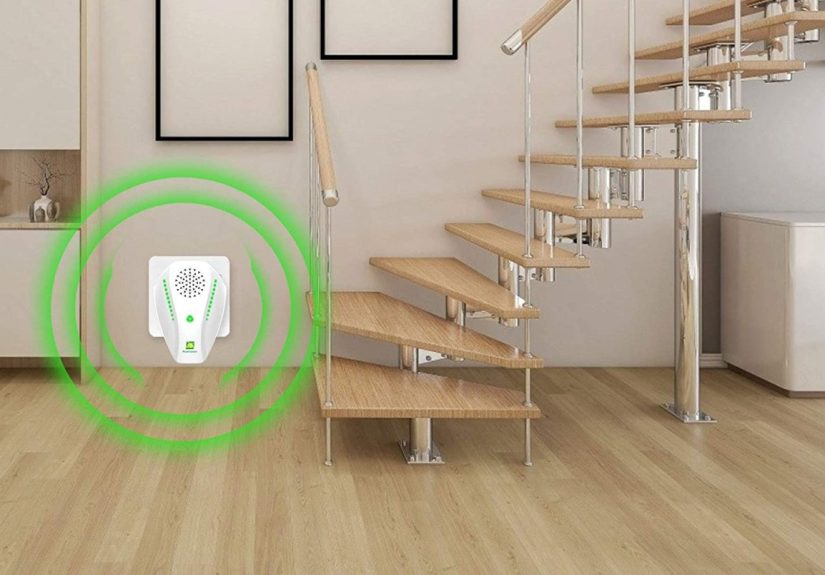
Ultrasonic devices are popular because they promise a clean, modern solution: plug it in, rats leave, everyone applauds. In real life, evidence is mixed and performance is inconsistent. Sound doesn’t pass well through walls and furniture, and pests can avoid or habituate.
If you want to try one, treat it like a “bonus layer,” not your main defense. If your home has entry gaps and snacks available, a gadget won’t negotiate your rat problem into retirement.
Peppermint oil and essential oils
Essential oils (peppermint is the celebrity here) may help in small, localized situationsmainly by masking scent trails or creating an unpleasant spot. But oils evaporate, require frequent reapplication, and don’t fix the reasons rats are there.
Practical way to use oils (if you insist): apply to cotton balls and place in protected, dry areas away from kids and pets. Don’t drip oils into vents, outlets, or anywhere that could create a hazard or damage surfaces.
Ammonia, bleach, and “strong smell” hacks
Strong odors may discourage rodents temporarily, but they’re not reliable long-term repellents. Some are also dangerous indoors. A home that smells like a chemistry quiz is not a victory.
Mothballs: a hard no
Mothballs are pesticides intended for specific uses (like protecting fabrics in airtight conditions), and using them as rodent repellents is unsafe and often illegal. They can contaminate spaces and expose people and pets to harmful chemicals. If a tactic requires you to “air out your house for three days,” it’s not a tacticit’s a warning label.
A weekend game plan to keep your home rodent-free
Day 1: Inspect and block entry
- Walk the outside: foundation gaps, vents, utility lines, garage edges, roofline transitions.
- Mark holes and gaps: anything that looks like a shortcut into your walls.
- Seal properly: hardware cloth, metal flashing, mortar, and durable materials. Use steel wool only as temporary filler.
- Install door sweeps and fix thresholds.
Day 2: Remove the buffet and set control tools
- Food lockdown: move pantry goods and pet food into sealed containers.
- Trash upgrade: use tight lids, clean bins, and keep trash schedule consistent.
- Declutter: remove nesting materials like cardboard piles and soft storage along walls.
- Trap smart: place multiple rat traps along walls, behind appliances, and near signs of activity.
- Monitor: check traps daily and adjust placement based on results.
Safety notes (because rats bring germs, and nobody invited germs)
If you’re cleaning droppings or urine, don’t sweep or vacuum dry material. Use gloves and disinfect properly. A common approach is to wet droppings/urine with a bleach solution or an EPA-registered disinfectant, let it soak, then wipe up with paper towels and dispose safely.
If you find extensive droppings, nests, or suspect exposure risk (especially in enclosed areas like attics), consider professional cleanup guidance.
When it’s time to call a professional
DIY works well for prevention and small problems. But call a pro if:
- You see rats during daylight (often a sign of higher activity)
- You find repeated droppings despite cleanup
- You have burrows near the foundation or persistent gnaw damage
- You can’t identify entry points, or sealing isn’t feasible (old structures, complex rooflines)
- You need rodenticide use but want it handled safely and legally
Conclusion: the “best rat repellent” is the one rats can’t argue with
If you want a home that stays rodent-free, don’t rely on a single miracle product. The most effective rat repellents are the unsexy champions: chew-proof exclusion, tight food control, reduced hiding spots, and strategic trapping.
Use gadgets and scents only as supporting actors. Your main cast should be: seal, clean, trap, monitor, repeat. Rats are persistentbut they’re also opportunists. Make your home inconvenient, and they’ll take their tiny plans elsewhere.
Real-world experiences: what homeowners learn the hard way (and then laugh about later)
Homeowners tend to describe rat control as a three-act play: denial, bargaining, and finally, a dramatic montage set to motivational music while someone installs a door sweep. The first “experience lesson” is usually this: the noise is never “just the house.” People report hearing scratching in the same wall area night after night, then discovering a tiny gap behind a dryer vent or a chewed corner near a garage side door. It’s rarely a cinematic hole in the wallmore like a sneaky little shortcut that rats treat like a VIP entrance.
Another common story: someone buys a strongly scented repellent, places it in the garage, and waits for the magic. The scent is intense. The hope is high. Two days later, the rats are still there, and the only creature truly repelled is the homeowner. This is where people realize a key truth: smells don’t beat shelter and snacks. If a rat has warmth, nesting material, and a predictable food source, a weird odor becomes background noise. It might shift activity a few feet left or right (congrats, your rat now prefers the other corner), but it won’t end the problem.
The biggest “aha” moment often comes from sealing. Homeowners who commit to thorough exclusionespecially around utility lines, siding gaps, door thresholds, and vents describe it like turning off a faucet. Traps work better because fewer new rats wander in. The house feels calmer because there’s less activity in the walls. And psychologically, it’s a win: you’re no longer negotiating with a rodent that has free access to your kitchen at 2:17 a.m.
There’s also a learning curve with traps. Many people start with one trap, like it’s a polite hint. The next experience is realizing rats don’t respond to polite hints. Successful setups usually involve multiple traps placed along walls where rats travel, sometimes with a short “pre-baiting” period so cautious rats get comfortable. Homeowners often describe their first successful catch with equal parts triumph and mild horrorlike winning a tiny battle in a tiny war. The follow-up lesson: keep going for at least a couple of weeks, because one rat is rarely “the whole cast.”
And then there’s the outdoor reality: trash and landscaping are huge. People with bird feeders, fruit trees, compost bins, or loosely lidded garbage cans often discover they’ve accidentally opened a rat bistro. The experience-based fix tends to be simple but transformative: switch to tighter containers, clean up spills, manage fallen fruit, and reduce dense ground cover near the house. Homeowners commonly say that once the outside stopped being an all-you-can-eat buffet, the inside became much easier to keep rodent-free.
Finally, many people share a quiet relief after the “system” is in place: door sweeps installed, gaps sealed, food stored properly, traps monitored, clutter reduced. It’s not glamorous. It’s not a single spray you brag about. But it works. And the best part is the moment you realize you haven’t heard that late-night scratching in weeksfollowed by the deeply satisfying thought: “This house is inconvenient now. Go bother someone else.”