Table of Contents >> Show >> Hide
- Why This Photo Hit So Hard
- Timeline: From Private Breaking Point to Public Clarity
- “The Drinking Wasn’t The Issue”: What That Actually Means
- What U.S. Health Experts Add to the Conversation
- Media, Image, and the “Unrecognizable” Trap
- What Readers Can Take from This Story (Without Being Famous)
- Extended Experience Section (Approx. ): What This Journey Feels Like in Real Life
- Conclusion
Celebrity headlines usually move at the speed of a disappearing Instagram Story: flashy, loud, and forgotten by lunch.
But Jessica Simpson’s now-famous “unrecognizable” photo did the opposite. It stuck. Why? Because the post wasn’t a glamorous comeback
shot or a polished PR moment. It was raw, direct, and emotionally specific. Her line“The drinking wasn’t the issue. I was.”cut through
the usual celebrity wellness script and forced a more honest conversation about sobriety, self-respect, and what real change looks like.
This story has become bigger than one image. Across entertainment reporting and public-health conversations, it now sits at the intersection
of fame, stigma, mental health, and recovery language. It also raises a practical question many readers quietly ask themselves:
What if the habit isn’t the whole problemwhat if the deeper issue is how I’m coping with pain, fear, or self-worth?
In this deep dive, we unpack the timeline behind Simpson’s post, why the quote resonated so hard, what experts say about recovery and stigma,
and what everyday people can realistically take from this moment. No recycled template talk. No melodrama. Just the human story, the media story,
and the part where we apply it to real lifewhere healing is usually less “red carpet reveal” and more “Tuesday afternoon honesty.”
Why This Photo Hit So Hard
Simpson’s “unrecognizable” image landed because it challenged two common myths at once:
- Myth 1: Recovery is mostly about removing a substance.
- Myth 2: Once you look better, the story is over.
Her caption reframed both. She described a turning point that was less about external behavior and more about internal alignment:
self-respect, emotional honesty, and willingness to feel pain instead of numbing it. That language made people pause because it reflected
what many clinicians and recovery communities have said for years: substances can be part of the problem, but often they are also a strategy
sometimes a costly, destructive onefor handling deeper wounds.
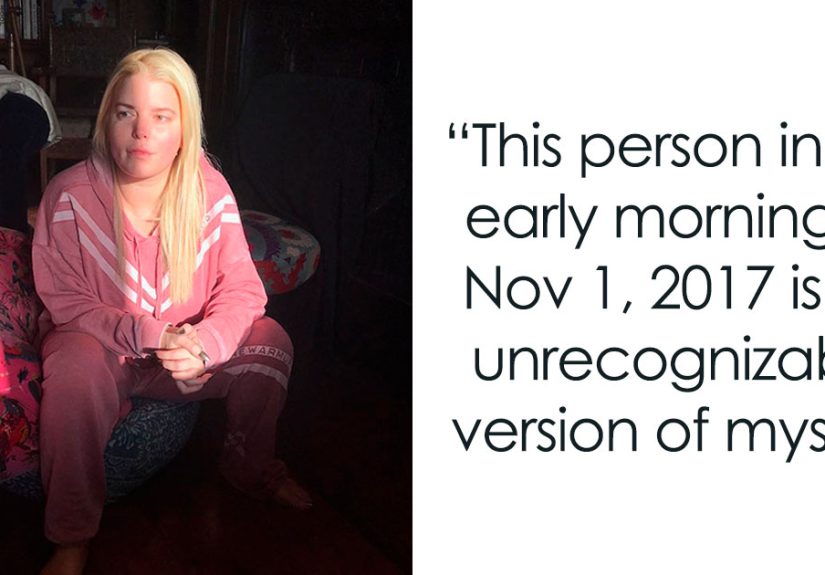
And yes, the phrase “unrecognizable version of myself” did what phrases like that do in internet culture: it sparked visual curiosity,
dramatic headlines, and endless side-by-side photos. But the enduring value of the post wasn’t cosmetic transformation. It was narrative transformation.
She moved the conversation from appearance to accountability, from gossip to insight, from “look at her then vs. now” to “listen to what she learned.”
Timeline: From Private Breaking Point to Public Clarity
2017: The turning-point moment
Simpson has described early November 2017 as the beginning of her alcohol-free life. In later interviews and memoir discussion, she connected this
period to a painful realization: she was not showing up as the version of herself she wanted to be, especially at home. In recovery language, this is often
called a “moment of congruence”when denial cracks and values finally get louder than avoidance.
2020: Memoir era, fuller context
In the memoir cycle, Simpson shared more context around drinking, pills, trauma, and emotional shutdown. That mattered because it widened the frame:
this was not a neat, one-variable story. It involved mental load, old pain, identity pressure, and coping habits that had become unsustainable.
In other words, the behavior was visible, but the roots were layered.
2021: “Unrecognizable” photo and the quote heard everywhere
On the four-year milestone, she posted the photo and wrote the line now quoted across outlets: “The drinking wasn’t the issue. I was.”
She also discussed stigma around labels and emphasized self-acceptance, courage, and openness. That post became the emotional center of her sobriety narrative.
2023–2025: Long-game milestones and public pushback
As she marked later sobriety milestones, the same themes repeated: clarity, faith, self-trust, and creative honesty. She also publicly pushed back
against speculation that she had resumed drinking, reiterating that sobriety remained a central life decision. The pattern here is key:
recovery wasn’t presented as a one-time victory lap; it was presented as an ongoing practice.
“The Drinking Wasn’t The Issue”: What That Actually Means
That sentence can be misunderstood, so let’s translate it.
- It does not mean alcohol was harmless. Harm was clearly part of the story.
- It means alcohol was not the deepest layer. The deeper layer was pain, self-worth, fear, and disconnection.
- It points toward root-cause work. Remove the substance, yesbut also address the emotional architecture underneath.
This is why the quote resonates beyond celebrity culture. Many people trying to change any compulsive patterndrinking, doom-scrolling,
workaholism, emotional eating, toxic relationship loopsdiscover the same truth: if you only remove the behavior without building new emotional skills,
the vacuum usually gets refilled.
Think of it like turning off a smoke alarm without checking the kitchen. Quieter? Sure. Problem solved? Not exactly.
What U.S. Health Experts Add to the Conversation
1) Alcohol use disorder is a medical condition, not a character flaw
U.S. public-health agencies define alcohol use disorder (AUD) as impaired control over alcohol use despite harmful consequences.
That framing matters because it shifts people from shame toward treatment.
2) Language can reduce stigmaor reinforce it
Clinical guidance increasingly favors person-first, diagnostic language over labels that can stigmatize. Simpson’s own comment about stigma
reflects this broader shift: people are more likely to seek help when they’re not being reduced to a stereotype.
3) Recovery is a process, not a single “before/after” event
National research definitions describe recovery as ongoing remission plus sustained behavior change over time. That aligns with Simpson’s multi-year milestones:
sobriety isn’t one dramatic post; it’s repeated daily decisions.
4) Mental health and substance use often overlap
U.S. mental-health institutes emphasize co-occurring conditions. That’s another reason the quote matters: when someone says “the drinking wasn’t the issue,”
they may be pointing to anxiety, depression, trauma responses, or chronic stress patterns that need simultaneous care.
5) Help existsand it works
Treatment can include therapy, medication, peer support, and structured recovery planning. For people in crisis or unsure where to start,
the U.S. has 24/7 confidential referral resources. Translation: nobody has to white-knuckle this alone.
Media, Image, and the “Unrecognizable” Trap
Let’s be honest: “unrecognizable” is headline catnip. It’s dramatic, clickable, and emotionally sticky. But it can also flatten complex recovery into
a visual spectacle. That flattening creates two bad outcomes:
- It over-focuses on appearance. People think recovery success = looking different.
- It under-focuses on internal work. Emotional regulation, boundaries, therapy, grief processing, and relapse-prevention skills get ignored.
Simpson’s wording pushed against this trap by centering self-respect and inner change. If we’re taking her message seriously, the right takeaway is not:
“Wow, she looks different.” It’s: “She changed her relationship with herself.”
That’s a harder story to package in a thumbnailbut it’s the one that helps real people.
What Readers Can Take from This Story (Without Being Famous)
Do a root-cause check
Ask: What feeling am I trying not to feel? Boredom? Shame? Grief? Loneliness? If you can name it, you can treat it.
Replace, don’t just remove
If you cut out a coping behavior, add structured alternatives: therapy sessions, evening walks, sober social plans, journaling, sleep hygiene,
peer support, creative routines.
Track identity, not just abstinence
Behavioral streaks matter. But identity statements matter too: “I am becoming someone who keeps promises to myself.”
Use language that helps you move
If labels freeze you, switch to action language: “I’m in recovery,” “I’m building stability,” “I’m learning to cope differently.”
Get help early
You don’t need to “hit the worst possible bottom” to qualify for support. Early support is not dramaticbut it is effective.
Extended Experience Section (Approx. ): What This Journey Feels Like in Real Life
If Jessica Simpson’s quote sounds familiar, it’s because many people describe recovery in almost the same sequencejust with different names, jobs, and zip codes.
First comes the outer pattern: drinking more than planned, using alcohol to “take the edge off,” promising to cut back next week, then repeating the loop.
Then comes the inner realization: the hardest part isn’t skipping a drink; it’s meeting yourself without anesthesia.
One common experience is the “quiet panic phase.” You stop (or reduce), and suddenly your brain is loud. Old worries return. Regret gets vivid.
Mornings feel clearer but emotionally sharper. People often say, “I thought sobriety would make me instantly peaceful. Why do I feel more?”
The answer is simple and frustrating: numbness left, sensation came back. That’s progress, even when it feels like chaos.
Next comes what many call the “identity wobble.” Friends still invite you out the same way. Family still expects the old version of you.
Coworkers joke, “You’re no fun now,” which is usually less funny than they think. Internally, you’re asking, “Who am I if I’m not the person who
handles stress with a drink?” This is where recovery becomes less about willpower and more about designnew routines, different social scripts,
and practical boundaries.
Then there’s the grief nobody warns you about: not just grief over harm done, but grief over time lost, moments missed, and versions of yourself you never got to meet.
People often carry both pride and sadness at once. “I’m doing better” and “I wish I started earlier” can coexist. Mature recovery makes room for both.
Around this stage, many people discover the power of boring wins. Drinking less isn’t always cinematic; it’s often wildly ordinary.
It looks like going home early, making tea, answering one difficult email sober, waking up without dread, apologizing without excuses,
and remembering conversations the next day. Boring wins build trust. Trust builds momentum.
Another shared experience: creativity returns. Not because life becomes easy, but because attention comes back online.
People read again. Write again. Cook again. Train again. Pray again. Paint again. They start finishing projects that used to stall in fog.
Simpson’s comments about artistic clarity fit this pattern closely: when the noise drops, signal gets louder.
Relapse fears can still hover in the background. Even in stable periods, people report moments of “Maybe I can handle it now.”
That thought is common, not shameful. The key is building a response plan before the thought appears: who to call, what meeting to attend,
what environment to leave, what script to use. Preparedness is not pessimism; it is self-respect in calendar form.
Over time, the center of gravity shifts. Early on, recovery is about not doing one thing. Later, it becomes about doing many better things:
better sleep, cleaner boundaries, honest conversations, meaningful work, repaired relationships, and fewer secrets.
The headline changes from “I quit” to “I rebuilt.”
That is why Simpson’s line lands so deeply. “The drinking wasn’t the issue” names the real job. The real job is learning to stay present with yourself,
especially when it’s uncomfortable. The real job is turning self-criticism into self-responsibility. The real job is becoming recognizable
to your own values againeven before the world notices.
Conclusion
Jessica Simpson’s “unrecognizable” photo became viral content, but its lasting value is not visual. It is conceptual.
Her quote moved the conversation from substance to self, from public image to internal repair. That shift mirrors what modern recovery science and
lived experience both suggest: sustainable change usually starts when people stop negotiating with symptoms and start addressing root causes.
If this story resonates with you, let the takeaway be practical: name the pattern, identify the pain under it, build support, and choose consistency over spectacle.
You don’t need a celebrity platform to begin. You need one honest moment, one useful plan, and one decision repeated often enough to become a life.