Table of Contents >> Show >> Hide
- What Does “The Pleasure Is All Mine” Mean?
- When to Use It (And When to Leave It in the Drawer)
- “The Pleasure Is Mine” vs. “The Pleasure Is All Mine” vs. “My Pleasure”
- How to Use It Naturally (Without Sounding Like a Movie Butler)
- Real Examples in Everyday Conversation
- Professional Email & Work Chat Examples
- The Etiquette Angle: Why This Phrase Works So Well
- Smart Alternatives (So You’re Not a One-Phrase Wonder)
- Common Mistakes (And How to Avoid Them)
- FAQ: Quick Answers
- Conclusion
- Experiences in the Real World: Where This Phrase Actually Shines (and Where It Doesn’t)
Some phrases are the linguistic equivalent of showing up with a well-wrapped gift: classy, considerate, and just a little extra.
“The pleasure is all mine” is one of those phrases. It’s what you say when you want to be gracious without sounding like you’re reading from
a Victorian etiquette manual (though… it does flirt with that vibe, and that’s part of the fun).
In this guide, we’ll break down the meaning, the best times to use it, what it can accidentally imply (oops),
and a bunch of real examples so you can actually say it out loud without feeling like you need a monocle.
What Does “The Pleasure Is All Mine” Mean?
At its core, “the pleasure is all mine” is a polite way of saying:
“I genuinely enjoyed meeting you / helping you / talking with you, and I’m glad I got to.”
Literal meaning vs. social meaning
Literally, you’re claiming the “pleasure” belongs to you. Socially, you’re doing something much nicer: you’re returning the compliment
or downplaying the effort you made for someone.
- After a compliment: You’re politely reflecting warmth back.
- After thanks: You’re saying it was no burdenmaybe even enjoyable.
- After meeting someone: You’re signaling respect and goodwill.
When to Use It (And When to Leave It in the Drawer)
1) After introductions
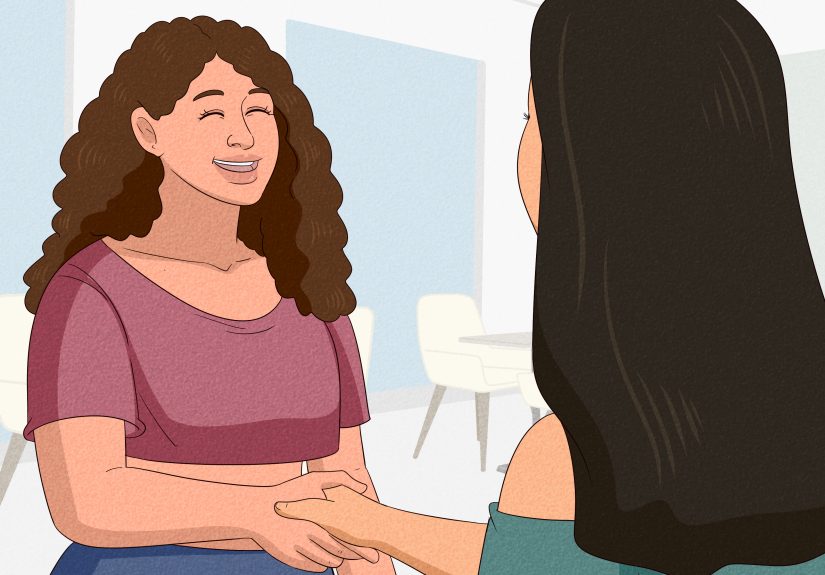
This is the classic use. Someone says, “It’s a pleasure to meet you,” and you respond, “The pleasure is all mine.”
It’s friendly, polished, and works especially well in professional or formal settings.
Alex: It’s a pleasure to meet you, Jordan.
Jordan: The pleasure is all mine. I’ve heard great things about your work.
2) After someone thanks you (especially for effort)
You can also use it as a warmer alternative to “you’re welcome.” It implies you were happy to help and didn’t feel imposed on.
Bonus: it can make the other person feel less “indebted,” which is great for teamwork and customer relationships.
Sam: Thank you for staying late to finish that deck.
You: The pleasure was all mine. We made a strong team tonight.
3) In customer service and hospitality
In the U.S., service language often leans toward warm, upbeat reassurance. “My pleasure” is extremely common, and
“the pleasure is all mine” can work toojust use it sparingly so it doesn’t sound like a scripted catchphrase.
4) When it might sound odd
Not every moment wants a fancy ribbon on it. Skip “the pleasure is all mine” if:
- The situation is serious or sad (condolences are not a “pleasure” moment).
- You’re apologizing (pairing “sorry” with “pleasure” is tonal whiplash).
- The interaction is ultra-casual and quick (it can feel theatrical).
“The Pleasure Is Mine” vs. “The Pleasure Is All Mine” vs. “My Pleasure”
These phrases share the same general ideawarmth and appreciationbut they differ in formality and intensity.
“The pleasure is mine”
This is the clean, classic version. It’s polite, professional, and widely understood. If you’re unsure, this one is the safest pick.
“The pleasure is all mine”
Adding “all” makes it more emphatic. It can sound extra-charming… or slightly over-the-top, depending on the moment.
Think of it as turning the politeness dial from “nice” to “delightfully gracious.”
“My pleasure” / “It was my pleasure”
This is the more modern, everyday cousin. It’s common in workplaces, hospitality, and email.
“My pleasure” is present-tense and immediate; “It was my pleasure” is slightly more reflective and works well after a task is done.
Quick tense tip: “is” vs. “was”
- Use “is” when the moment is happening now: meeting someone, greeting, live conversation.
- Use “was” when looking back: after an event, after a favor, in follow-up emails.
How to Use It Naturally (Without Sounding Like a Movie Butler)
The secret isn’t the phraseit’s the delivery. In American English, the most natural tone is:
warm, relaxed, and brief. No need to bow. A small smile and steady eye contact do a lot of work.
Good pairings
- “The pleasure is all mine. I’m glad we could connect.”
- “The pleasure is mine. Thanks for making the time today.”
- “My pleasurehappy to help anytime.”
Overdoing it (aka the “too much frosting” problem)
If you say it repeatedly in the same conversation, it can start to feel like a rehearsed line.
Use it once, then switch to something simpler: “Absolutely,” “Glad to help,” or “Of course.”
Real Examples in Everyday Conversation
Example 1: Meeting someone at a conference
Chris: Hi, I’m Chris. Great to finally meet you.
You: The pleasure is all mine. I loved your talk on product storytelling.
Example 2: Responding to a thank-you at work
Manager: Thanks for jumping on that client issue so quickly.
You: My pleasure. I’m glad we got it sorted.
Example 3: A friendly but not-too-close situation
Neighbor: Thank you for bringing in my packages.
You: The pleasure was all minehappy to help.
Professional Email & Work Chat Examples
Email: After a first meeting
Subject line idea: Great meeting you today
Hi Taylor,
The pleasure was all minethanks for taking the time to walk me through your goals for Q1.
I’m excited about the next steps, and I’ll send the recap by EOD.
Best,
[Your Name]
Email: After receiving thanks
Hi Morgan,
My pleasure. I’m glad the notes helpedfeel free to loop me in if anything changes before Friday.
Thanks,
[Your Name]
Slack/Teams: Fast, natural versions
- “My pleasure! Want me to also send the template?”
- “The pleasure is minehappy to help.”
- “Anytime. Glad it worked out.”
The Etiquette Angle: Why This Phrase Works So Well
“The pleasure is all mine” does something socially powerful: it reduces awkwardness.
Instead of turning gratitude into a tiny debt ledger (“You thanked me, I welcomed you, balance restored”),
it turns the moment into shared goodwill.
A quick note on “no problem”
In the U.S., “no problem” is common and usually friendlybut in more formal contexts, some people hear it as
“there could have been a problem,” even if you didn’t mean that. If you want a universally polished option,
“my pleasure” or “you’re welcome” is safer.
Smart Alternatives (So You’re Not a One-Phrase Wonder)
Want the same vibe with different flavors? Here are strong “you’re welcome” alternatives and when to use them:
- “You’re very welcome.” Traditional, warm, always safe.
- “Happy to help.” Friendly, modern, great for teams.
- “Glad I could help.” Slightly more personal, still professional.
- “Of course.” Casual, can be affectionate; avoid if it might sound dismissive.
- “Anytime.” Relaxed; best with people you know reasonably well.
- “With pleasure.” A bit formal; can sound charming when used lightly.
Common Mistakes (And How to Avoid Them)
Mistake 1: Using it in the wrong emotional setting
If the moment is heavy, skip “pleasure.” Go with empathy: “I’m so sorry you’re dealing with this,” or “I’m here for you.”
Mistake 2: Accidentally sounding flirtatious
“The pleasure is all mine” can read as playful depending on tone. If you want strictly professional,
switch to “The pleasure is mine” or “Likewise.”
Mistake 3: Making it too grand
If you pair it with overly formal wording, it can feel performative. Keep the follow-up simple and specific:
“The pleasure is minethanks for sharing that context.”
FAQ: Quick Answers
Is “the pleasure is all mine” old-fashioned?
It’s more formal than everyday speech, but not outdated. Think “polished” rather than “antique,” especially in business settings.
Can I use it after “thank you”?
Yes. It works as a gracious alternative to “you’re welcome,” especially when you want to sound warm and professional.
Which is better: “my pleasure” or “the pleasure is all mine”?
“My pleasure” is more common and casual-professional. “The pleasure is all mine” is more formal and expressive.
Choose based on the relationship and setting.
Conclusion
“The pleasure is all mine” is a small phrase with big social payoff: it signals warmth, confidence, and respect.
Use it when meeting someone, responding to thanks, or smoothing professional interactionsthen keep it grounded with a natural tone
and a simple follow-up. Like good seasoning, it’s best applied thoughtfully: enough to elevate the moment, not so much that you overpower the meal.
Experiences in the Real World: Where This Phrase Actually Shines (and Where It Doesn’t)
Let’s talk about the phrase “the pleasure is all mine” out in the wildwhere humans are busy, coffee is lukewarm,
and nobody has time to decode a sentence that sounds like it came with a top hat. The good news: this phrase works beautifully
when it matches the moment. The bad news: when it doesn’t, it can land like a dramatic pause in the middle of a group text.
Experience #1: The first handshake at a high-stakes meeting. Picture a conference room (or a Zoom grid),
and someone important says, “It’s a pleasure to meet you.” This is the phrase’s home turf. “The pleasure is all mine”
signals composure and respect, especially if you add a grounded follow-up like, “I’ve been looking forward to this conversation.”
In these moments, it’s not about being fancyit’s about showing you can play professionally without sounding robotic.
Experience #2: The thank-you after you saved the day. You fixed a spreadsheet, calmed an angry client,
or found the missing attachment everyone swore they “definitely sent.” When someone says, “Thank you so much,”
“My pleasure” is usually the quickest winbut “The pleasure was all mine” adds a tiny touch of generosity.
It quietly communicates: “I wasn’t annoyed, I’m not keeping score, and I’m still a functioning adult.”
That’s leadership energy, whether you have the title or not.
Experience #3: The networking event where everyone is speed-running small talk.
In crowded, fast interactions, the full phrase can be too much. If someone says, “Nice to meet you,” and you reply,
“The pleasure is all mine,” it can be charmingonce. The second time, it risks sounding like a catchphrase.
A more natural pattern is to rotate: “Likewise,” “Great meeting you,” “Glad we connected.”
Same warmth, less “I practice this in the mirror.”
Experience #4: Customer service moments where tone matters more than words.
Some workplaces prefer “my pleasure” because it’s short, upbeat, and easy to say consistently. If you’re writing support emails,
“My pleasure” reads friendly. “The pleasure is all mine” can read overly formal unless the whole brand voice is elevated.
The best move is matching your customer: if they’re formal, you can be formal; if they’re casual, don’t out-fancy them.
Nobody wants to feel like they walked into a royal court just to ask about a refund.
Experience #5: The accidental flirt factor. This is real. “The pleasure is all mine” can sound playful
if the moment already has chemistry (or if your tone is dramatic). In professional settingsespecially across power dynamics
choose “The pleasure is mine” or “Likewise” if you want zero ambiguity. The goal is warmth, not “rom-com subplot.”
The takeaway from these real-life patterns is simple: the phrase is a tool. Use it when you want polish and generosity,
keep it brief, and let the context do the heavy lifting. When in doubt, “my pleasure” is the versatile sneaker;
“the pleasure is all mine” is the nice dress shoe. Both workjust don’t wear the dress shoe to the beach.