Table of Contents >> Show >> Hide
- What Is a Raw Vegan Diet, Exactly?
- Potential Benefits (and Why They Happen)
- Risks, Downsides, and the Nutrients You Must Plan For
- Vitamin B12 deficiency risk (this one is non-negotiable)
- Calcium and vitamin D: bone health can take a hit
- Protein: you can get it, but you have to aim for it
- Iron and zinc: absorption matters
- Iodine: the sneaky one
- Omega-3s: ALA is easy; DHA/EPA take strategy
- Food safety: raw doesn’t mean “risk-free”
- Digestive chaos (aka “fiber whiplash”)
- Who Should Be Extra Careful (or Avoid Strict Raw Vegan Eating)
- How to Do the Raw Vegan Diet More Safely (and Actually Enjoy It)
- A Practical 7-Day Raw Vegan Meal Plan
- Quick Prep Guide (So You Don’t Live in Your Kitchen)
- Bottom Line: Is the Raw Vegan Diet Worth It?
- Real-World Experiences: What People Commonly Notice on a Raw Vegan Diet (About )
The raw vegan diet is basically the love child of a farmers’ market and a high-powered blender. It’s vegan (no animal products)
and “raw” (mostly uncooked foods, typically not heated above about 118°F/48°C). Think: smoothies, big salads, zucchini noodles,
sprouted things, soaked things, and the occasional dehydrator project that makes your kitchen smell like a tropical vacation.
People try raw vegan eating for lots of reasonsmore plants, fewer ultra-processed foods, weight management, digestion, energy,
or just curiosity. But like any restrictive eating pattern, it has trade-offs. Done thoughtfully, it can be nutrient-dense and
produce-forward. Done carelessly, it can turn into “I ate three dates and a handful of cashews and now I’m cranky.”
Let’s break down the real benefits, the real risks, and how to build a meal plan that doesn’t leave you Googling
“how much chewing is normal.”
What Is a Raw Vegan Diet, Exactly?
A raw vegan diet centers on plant foods eaten raw or minimally heated. Many followers use blending, juicing, soaking, sprouting,
and dehydratingmethods that keep foods “raw” by staying under that low-heat threshold. There’s no single official rulebook,
but most raw vegans rely on:
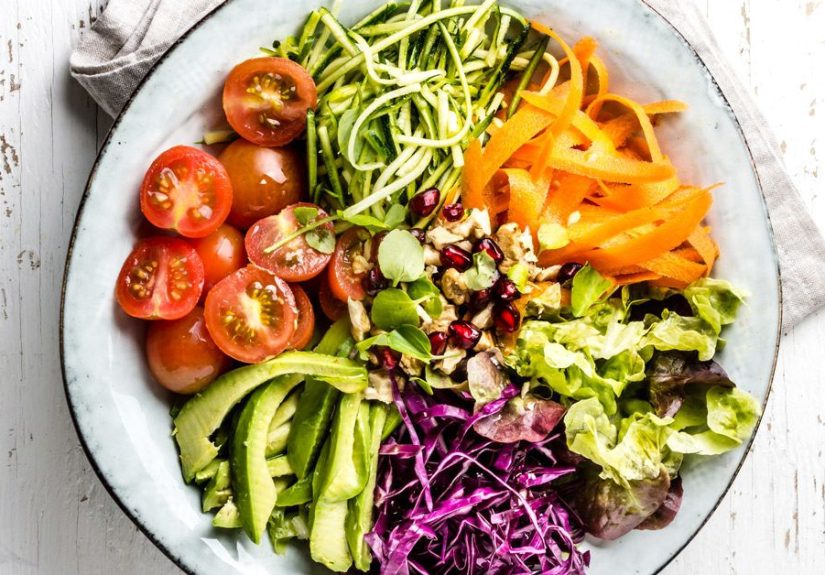
- Fresh produce: fruits, leafy greens, cruciferous veggies, herbs
- Nuts and seeds: walnuts, hemp, chia, flax, pumpkin seeds, sunflower seeds
- Healthy fats: avocados, olives, coconut (yes, it’s popularno, it isn’t magic)
- Soaked/sprouted foods: sprouted lentils, buckwheat, sprouted seeds (with smart food-safety habits)
- Fermented foods: sauerkraut, kimchi-style ferments (raw, unpasteurized versions), coconut yogurt
- Seasonings: lemon/lime, vinegar, tamari/coconut aminos, spices, nutritional yeast (often fortified)
Important clarity: “Raw vegan” is not the same thing as eating raw animal foods. It’s plant-based. The biggest practical
difference between raw vegan and “regular” vegan is that raw vegan typically avoids cooked beans, lentils, grains, and many
starchy vegetablesfoods that can make meeting protein, calories, and certain micronutrients much easier.
Potential Benefits (and Why They Happen)
1) You naturally eat more fruits and vegetables
Most people don’t need a complicated wellness ritualthey need more plants on the plate. A raw vegan diet tends to be heavy on
fiber-rich produce, which can support digestion, satiety, and cardiometabolic health. When meals are built around whole plants
(instead of boxed “plant-based” snacks), you also increase intake of potassium, magnesium, and a wide range of phytochemicals.
2) Weight management can feel easier (because calorie density changes)
Many raw vegan staplessalads, fruits, veggie soups served chilled, cucumber “noodles”are high volume and relatively low
calorie density. That can help some people feel full on fewer calories. The flip side is that it can also be too low in
calories if you don’t intentionally add energy-dense foods (nuts, seeds, avocado, olives). If you’re losing weight without trying,
that’s not a “detox”it’s math.
3) Heart-health markers may improve (especially if you’re coming from a processed diet)
Diet patterns rich in minimally processed plant foods are commonly associated with improvements in blood pressure and cholesterol,
especially when they replace diets high in saturated fat and refined carbs. If raw vegan eating reduces ultra-processed foods and
increases fiber and potassium-rich produce, improvements in cardiometabolic markers are plausiblethough “raw” itself isn’t required
for heart benefits. In other words: the plants are doing the heavy lifting, not the lack of a stove.
4) It often cuts ultra-processed foods (by default)
You can absolutely eat “raw vegan junk” (hello, sweetened dehydrated granola clusters), but many people end up cooking less and
assembling more whole ingredients. Less packaging usually means fewer additives and less sodium/sugar creep. If your current
diet is heavy on processed snacks, a raw vegan phase can feel like hitting the reset button on taste buds.
Risks, Downsides, and the Nutrients You Must Plan For
Here’s the non-scary truth: raw vegan eating isn’t inherently dangerous, but it is logistically harder to meet all
nutrition needsespecially long termbecause it removes some of the most practical plant foods (cooked legumes, grains,
fortified staples). The most common pitfalls look like this:
Vitamin B12 deficiency risk (this one is non-negotiable)
Vitamin B12 is essential for nerve function and healthy blood cells. It’s not reliably present in unfortified plant foods.
That means strict vegans typically need B12 from fortified foods and/or supplements. On a raw vegan dietwhere many fortified
foods are avoidedB12 supplementation becomes even more important. Low B12 can cause anemia and neurological problems that
may become serious if ignored.
Calcium and vitamin D: bone health can take a hit
Calcium matters for bones, muscles, and nerve signaling. Many people get calcium from dairy, but non-dairy sources exist
(calcium-set tofu, fortified plant milks, certain greens). The catch: raw vegan rules often exclude tofu (processed) and
may exclude fortified foods, which can make meeting calcium needs harder. Vitamin D status is also commonly low in many
adults regardless of diet, and it’s tough to get enough from food alone. If raw vegan eating pushes your calcium and vitamin D
intake down, bone health can suffer over time.
Protein: you can get it, but you have to aim for it
Without cooked beans, lentils, tempeh, and grains, raw vegan protein often comes from nuts, seeds, and sprouted foods.
That can work, but it takes intentionespecially for active people, those recovering from illness, or anyone trying to
maintain muscle. A raw vegan day built only on fruit and salads can end with low protein, low calories, and a loud
inner monologue that starts with “I’m fine” and ends with “I would like to eat the furniture.”
Iron and zinc: absorption matters
Plant iron (non-heme iron) is less readily absorbed than heme iron from animal foods. You can improve absorption by pairing
iron-rich plant foods (pumpkin seeds, hemp seeds, leafy greens, dried apricots) with vitamin C (citrus, berries, bell pepper).
Zinc can also be a challenge on restrictive plant-based diets; nuts and seeds help, and soaking/sprouting may reduce certain
antinutrients that interfere with mineral absorption.
Iodine: the sneaky one
Iodine supports thyroid function and is often obtained from iodized salt and certain animal foods. Strict plant-based diets can
run lowespecially if you avoid iodized salt. Seaweed can contain iodine, but iodine levels can vary widely by type and serving,
so consistency matters. Many people do best with a predictable iodine source (often a supplement or measured iodized salt),
especially if they’re avoiding common fortified staples.
Omega-3s: ALA is easy; DHA/EPA take strategy
Plant foods like flax, chia, walnuts, hemp, and certain oils provide ALA (a form of omega-3). The body can convert some ALA
into DHA and EPA, but conversion is limited in many people. If you want a direct vegan DHA/EPA option, algae-based supplements
exist and are commonly used in plant-based nutrition plans.
Food safety: raw doesn’t mean “risk-free”
Raw vegan eating relies heavily on fresh produceand produce is generally healthybut foodborne illness risk is real when foods
aren’t cooked. Raw sprouts are a special case: they can be contaminated with bacteria, and outbreaks have been repeatedly linked
to sprouts. People who are pregnant, older adults, young children, or immunocompromised are often advised to avoid raw sprouts.
Even for healthy adults, careful handling is essential.
Digestive chaos (aka “fiber whiplash”)
If you jump from a low-fiber diet to a high-raw, high-fiber diet overnight, gas and bloating may show up uninvited.
Your gut microbiome may adapt over time, but it’s smarter to ramp up gradually, chew well, and include easier-to-digest options
(blended soups, smoothies, peeled fruits, well-soaked chia).
Who Should Be Extra Careful (or Avoid Strict Raw Vegan Eating)
- Pregnant and breastfeeding people: nutrient needs rise; food safety becomes extra important
- Children and teens: growth demands higher protein, energy, calcium, iron, zinc, and B12
- Older adults: maintaining muscle and bone density is critical
- People with compromised immunity: higher risk from foodborne pathogens, especially raw sprouts
- Anyone with a history of eating disorders: restrictive rules can be triggering
If any of these apply, consider a “raw-ish” approach (more raw plants, but not strictly raw) and talk with a registered dietitian
or clinician who understands plant-based nutrition.
How to Do the Raw Vegan Diet More Safely (and Actually Enjoy It)
Use the “raw vegan framework,” not the “raw vegan prison”
Many people thrive on a flexible version: lots of raw produce + some cooked plant foods. If you love the idea of raw meals but
hate the idea of nutrient gaps, you can keep breakfast and lunch raw and include a cooked vegan dinner (lentils, tofu, quinoa,
baked sweet potato). You’ll still eat a ton of plants, and your nutrient math gets dramatically easier.
Make supplementation a feature, not a failure
If you eat strictly veganespecially strict raw veganplan for B12. Then consider whether you also need vitamin D, iodine,
and DHA/EPA (algae-based). Supplements aren’t a moral issue; they’re a practical tool.
Food-safety habits that matter in a raw-heavy diet
- Wash hands before prep and after handling produce.
- Rinse produce under running water; don’t use soap or “produce wash.”
- Cut away bruised/damaged parts of produce.
- Use clean cutting boards and avoid cross-contamination.
- Be cautious with raw sprouts; avoid them if you’re in a higher-risk group.
- Refrigerate cut produce promptly and keep the fridge cold.
A Practical 7-Day Raw Vegan Meal Plan
This plan aims for variety, adequate calories, and better protein distribution. Portions depend on your needs; if you’re hungry,
scale up fats and protein add-ons (hemp hearts, chia, nut butter, avocado). If you’re new, consider starting with 3–5 raw meals
per week and building up.
Day 1
- Breakfast: Chia pudding (chia + unsweetened plant milk) topped with berries and hemp hearts
- Lunch: Giant salad with mixed greens, cucumber, tomatoes, shredded carrots, avocado, pumpkin seeds, lemon-tahini dressing
- Dinner: Zucchini noodles with walnut-basil pesto and cherry tomatoes
- Snack: Apple slices with almond butter
Day 2
- Breakfast: Green smoothie (spinach, banana, frozen mango, flax, peanut butter, plant milk)
- Lunch: Collard wraps with guacamole, shredded veggies, and sunflower seed “tuna” (sunflower + celery + lemon + dill)
- Dinner: Raw “taco” lettuce boats with walnut-lentil crumble (sprouted lentils if tolerated; otherwise crushed walnuts + spices), salsa, and cashew crema
- Snack: Coconut yogurt with sliced kiwi
Day 3
- Breakfast: Overnight oats-style chia/flax bowl (chia + ground flax + plant milk) with cinnamon and pears
- Lunch: Cucumber “noodles” with sesame-ginger dressing, edamame-style option: add shelled hemp or pumpkin seeds for protein
- Dinner: “Sushi” rolls with nori, avocado, cucumber, carrots, sprouts (optional), and tamari
- Snack: Dates stuffed with tahini
Day 4
- Breakfast: Fruit bowl + a protein add-on (chia sprinkle or hemp hearts) and a handful of walnuts
- Lunch: Rainbow salad + blended tomato-pepper soup (served chilled)
- Dinner: Dehydrated flax crackers with guacamole and a side salad
- Snack: Trail mix (pumpkin seeds, almonds, cacao nibs, dried cherries)
Day 5
- Breakfast: Smoothie bowl topped with granola-style mix (raw nuts/seeds) and berries
- Lunch: “Greek-ish” salad with olives, cucumber, tomato, herbs, and cashew “feta”
- Dinner: Spiralized beet and carrot salad with orange, mint, and pistachios
- Snack: Baby carrots + hummus-style dip made from soaked sunflower seeds (raw alternative)
Day 6
- Breakfast: Avocado-lime mousse (avocado + lime + cocoa + a little maple) topped with hemp hearts
- Lunch: Big chopped salad with crunchy veg + tahini dressing + extra seeds
- Dinner: Raw pad thai-style zucchini noodles with almond butter sauce, cilantro, and chopped peanuts
- Snack: Orange + handful of pumpkin seeds
Day 7
- Breakfast: Chia pudding parfait with berries and walnuts
- Lunch: Nori wraps with avocado, cucumber, mango, and sesame
- Dinner: “Raw ramen” bowl: spiralized zucchini + shredded cabbage + mushrooms + miso-style dressing (use a raw-friendly blend if desired)
- Snack: Pear + cashews
Quick Prep Guide (So You Don’t Live in Your Kitchen)
- Wash and dry greens: store with paper towels to reduce sogginess.
- Make 2 sauces: lemon-tahini + pesto or cashew crema.
- Batch a snack: trail mix or energy balls (dates + nuts + cocoa).
- Protein boosters ready: hemp hearts, chia, pumpkin seeds, nut butter.
- Plan your “crisis foods”: bananas, apples, nutsso hunger doesn’t pick your dinner.
Bottom Line: Is the Raw Vegan Diet Worth It?
The raw vegan diet can be a produce-packed way to eatoften higher in fiber and lower in ultra-processed foods.
But strict raw vegan eating raises the difficulty level for key nutrients (especially vitamin B12, calcium, vitamin D, iodine,
and sometimes protein). If you’re intrigued, consider starting with a flexible approach: more raw meals, plus strategically
chosen cooked or fortified vegan foods. Your body doesn’t give bonus points for suffering, and your social life will thank you.
Real-World Experiences: What People Commonly Notice on a Raw Vegan Diet (About )
If you’re expecting a raw vegan diet to feel like a movie montageglowing skin, effortless energy, birds braiding your hairmost
people report something a little more… human. Based on common patterns people describe when they try raw vegan eating, here’s what
the experience often looks like in the wild.
Week 1: The “Blender Honeymoon”
The first few days can feel surprisingly light. Many people say they notice fewer heavy, sleepy afternoonsespecially if they’re
replacing fast food or ultra-processed snacks with fruit, salads, and smoothies. Grocery shopping feels optimistic. You buy herbs
like a person who “definitely uses herbs.” You discover that mango makes everything taste like vacation.
Then reality taps you on the shoulder: chewing. Raw diets can be chewy. Crunchy. Very… present. Some people notice bloating or
gas at first (fiber whiplash is real). A common fix is easing into raw meals, blending some meals (smoothies or chilled soups),
and not trying to prove a point with a 10-cup kale salad on Day 2.
Week 2: The “Wait, Am I Eating Enough?” Phase
This is where many people either figure it outor quit and order a pizza while staring into the middle distance.
The biggest learning curve is calories and protein. If your raw day is mostly fruit and vegetables, hunger can sneak up fast.
People who feel best usually add intentional calorie and protein boosters: avocado, nuts, seeds, nut butters, chia, hemp hearts,
and more substantial sauces (tahini, pesto, cashew crema). In raw vegan land, sauces aren’t just flavorthey’re fuel.
Week 3: Social Life Meets Lettuce Wraps
Eating out can feel like a scavenger hunt. People often describe becoming “that person” asking for extra lemon, no cheese,
dressing on the side, and “do you have anything that is, um, mostly plants?” Some solve this by choosing a flexible approach:
raw at home, more relaxed when dining out. That flexibility tends to make the pattern more sustainablebecause food is also
community, not just a nutrition spreadsheet.
Week 4 and Beyond: The Sustainable Version Emerges
Long-term success stories usually look less extreme than you’d think. Many people keep the best parts: more raw produce, more
whole foods, fewer ultra-processed snacks. They also add what helps them thrive: a consistent B12 plan, attention to calcium and
vitamin D, and sometimes algae-based omega-3s. They stop trying to “win” the raw vegan Olympics and start eating in a way that
supports energy, mood, and real life. The common theme is simple: raw vegan eating works best when it’s a helpful structure,
not a rigid rule.