Table of Contents >> Show >> Hide
There was a time when the dream kitchen was all about the chef’s range, the waterfall island, and a refrigerator so large it could probably store a kayak. Now, a softer ambition is taking over American homes: the desire to feel like your favorite neighborhood café without putting on real pants. That shift has a namecafécoreand it is less about caffeine snobbery than atmosphere.
At its heart, cafécore is the art of borrowing what people love about coffee shops and translating it into everyday living. It is the small table that catches morning light just right. The shelf of mismatched mugs that somehow looks curated instead of chaotic. The coffee station that turns a rushed weekday into a tiny ritual. It is not trying to recreate a commercial café down to the last chalkboard scribble. It is about bringing the mood home: warmth, ease, personality, and a gentle excuse to linger.
That explains why this trend is resonating now. People want homes that do more than look polished in photos. They want spaces that support routines, hosting, remote work, and little emotional reset buttons throughout the day. A cafécore kitchen nook, breakfast corner, or bar-cart-turned-coffee-station does exactly that. It says, “Stay a while.” It says, “Another cup?” It says, “Sure, the laundry is still there, but look at this excellent croissant plate.”
What Is Cafécore, Really?
Cafécore is a home design and lifestyle trend inspired by the sensory pleasures of coffeehouse culture. Think cozy seating, layered lighting, warm wood, open shelving, vintage accents, beautiful mugs, pastries on display, mellow music, and a drink station that feels intentionally styled rather than shoved into a corner beside the toaster.
But the appeal goes beyond aesthetics. The modern coffee shop has become a symbol of something many people crave at home: comfort without clutter, routine without rigidity, and sociability without the pressure of formal entertaining. In other words, cafécore is not just “coffee bar décor.” It is a design language for everyday pleasure.
The best versions are wonderfully adaptable. In a city apartment, cafécore might mean a narrow floating shelf, two café glasses, and a compact espresso machine. In a larger suburban kitchen, it could look like a built-in beverage station with pocket doors, a grinder, stacked mugs, syrups, and enough counter space to stage a very respectable latte situation. Both count. No one from the Barista Council is coming to inspect.
Why Cafécore Feels So Right for Today’s Homes
It turns routine into ritual
One reason cafécore works so well is that coffee already lives inside most households as a daily habit. When you give that habit a dedicated place and a little beauty, the experience changes. Instead of rummaging through cabinets like a raccoon with a deadline, you move through a setup that feels calm and intentional. The difference is subtle, but it matters.
Designers have long understood that ritual objects shape mood. A tray for sugar and spoons, a linen napkin, a favorite ceramic mug, a small vase of flowers, a lamp switched on before sunrisenone of these items is essential in a survival sense. Yet together, they create a morning atmosphere that feels grounded and restorative.
It suits how people really live
Today’s homes have to work harder than ever. They are offices, classrooms, restaurants, hangout spots, and recovery zones from the outside world. Cafécore slides neatly into that reality because it is practical. A beverage station reduces traffic in the kitchen. A banquette or breakfast nook creates a compact place to work, snack, chat, or sip. A rolling cart can move from weekday coffee setup to weekend brunch service with zero drama.
That flexibility helps explain why coffee stations and beverage areas keep showing up in renovation and decorating coverage. They answer a modern need: creating a small destination inside the home that feels useful every single day.
It brings the “third place” feeling indoors
People often talk about cafés as “third places”those welcoming environments outside home and work where life feels more human. Cafécore cleverly flips that idea. It brings the emotional comfort of the third place into the first place. Your home becomes less like a machine for storing people and more like a setting for tiny, repeatable pleasures.
And unlike a full renovation trend that demands expensive materials and a contractor with the schedule of a celebrity, cafécore can be built in layers. You can start with a tray, improve your lighting, add a small table, and slowly create a corner that earns its keep through daily joy.
The Design Ingredients That Make Cafécore Work
A dedicated coffee or beverage station
The centerpiece of cafécore is usually a defined zone. That could be a section of countertop, a freestanding cabinet, a bar cart, a pantry niche, an under-stair alcove, or a built-in station hidden behind doors. The key is containment. When the machine, mugs, beans, spoons, and extras live together, the setup looks purposeful instead of accidental.
Good cafécore design also considers convenience. Keep everyday items within reach. Store extra supplies below. Use trays, crocks, canisters, or baskets to make functional items look composed. Even the humble bag of coffee beans benefits from not being crumpled like a defeated receipt.
Warm materials and tactile charm
Cafés are beloved because they feel layered and lived-in. At home, that usually translates into woods, stone, tile, brass, woven textures, and ceramics. Cafécore is less interested in sterile perfection than in surfaces that invite touch and age gracefully. A marble bistro tabletop, a wood shelf, a hand-thrown mug, a linen café curtain, or a slightly vintage lamp can do a lot of heavy lifting.
This is also why the trend pairs so well with cottage, traditional, European-inspired, and softly modern interiors. Cafécore likes warmth. It likes grain, patina, and objects that suggest someone actually lives here and occasionally eats a pastry over the sink.
Seating that encourages lingering
A true cafécore home is not only about making coffee; it is about having somewhere to enjoy it. That is where bistro tables, breakfast nooks, banquettes, and counter stools come in. Even a tiny perch beside a window can shift a room from “appliance zone” to “experience zone.”
Round tables work especially well because they soften tight corners and make a space feel social. Banquettes add comfort and often sneak in extra storage. A stool near a compact coffee station can turn an overlooked corner into a mini retreat. You do not need square footage worthy of a luxury loft. You need enough room to sit, sip, and avoid balancing your mug on a stack of unopened mail.
Sensory details that complete the mood
The best cafécore spaces engage more than the eye. Lighting should feel warm, not interrogational. Music helps. So does scentfresh coffee, baked goods, candles with restraint. Artwork, books, a chalkboard menu, a little stack of magazines, or a jar of biscotti add personality without trying too hard. This is not stage décor. It is atmosphere.
Done right, the room feels welcoming from morning to evening. It supports the quick weekday cup, the friend who drops by unexpectedly, and the weekend hour when everyone finally slows down enough to talk.
How to Bring Cafécore Home Without Overdoing It
Start with your habits, not your shopping cart
The smartest cafécore spaces are built around real behavior. Do you make drip coffee every day? Love espresso? Prefer tea by the gallon? Host often? Need kid-friendly snack storage nearby? Your setup should reflect those answers. A beautiful station that fights your routine will become an expensive still life.
Make small spaces work harder
For apartments or compact kitchens, vertical storage is your best friend. Add a narrow shelf above the machine, hang mugs underneath, use a tray to anchor supplies, and bring in one decorative elementa framed print, a plant, a tiny lampto stop the station from reading as purely utilitarian. A fold-down shelf or slim bistro table can create a café moment where none existed before.
Use furniture creatively
Some of the best cafécore setups are born from repurposed pieces: a vintage cabinet, an old dresser, a sideboard, a console, a rolling cart, or even a bookcase. These pieces introduce character that built-ins sometimes lack. They also let homeowners test the trend before committing to permanent changes.
Keep it edited
Cafécore should feel cozy, not cluttered. A few beautiful mugs look intentional; nineteen novelty mugs start to feel like a cry for help. Display what you use. Store what you do not. Leave some breathing room so the station feels like a calm daily ritual rather than a caffeinated yard sale.
The Deeper Appeal of Coffee House Culture at Home
What makes cafécore more than another short-lived decorating fad is that it taps into something emotionally durable. People are not just craving a prettier countertop. They are craving softness, pause, and tiny rituals that make ordinary days feel more enjoyable. Home design is increasingly shifting in that directiontoward spaces that support mood, routine, and connection, not just resale value and showpiece perfection.
Cafécore answers that need with unusual grace. It is sociable without being loud. Stylish without being intimidating. Practical without being dull. It encourages hosting, but in a low-stakes way: coffee and pastries, not a twelve-person seated dinner with a spreadsheet. It invites self-care, but not the kind marketed in neon all-caps. It simply makes daily life feel better organized, more sensory, and more humane.
In that sense, cafécore reflects a broader shift in American interiors. The most compelling homes today are not trying to look like stores. They are trying to feel like somewhere you want to be at 7:15 a.m., before the emails begin, while the coffee is still hot and the day has not yet started negotiating with you.
Real-Life Experiences That Show Why Cafécore Sticks Around
Part of cafécore’s staying power comes from how naturally it folds into real experience. Picture a weekday morning in a busy household. The kitchen is technically activesomeone is packing a lunch, someone is looking for a charger, someone is dramatically claiming there is “nothing to eat” while standing in front of a full refrigerator. Yet in one corner, the coffee station holds its ground. A small lamp is on. Mugs are stacked neatly. The grinder hums, the kettle steams, and for two minutes the room feels less like a command center and more like a tiny café with surprisingly decent management.
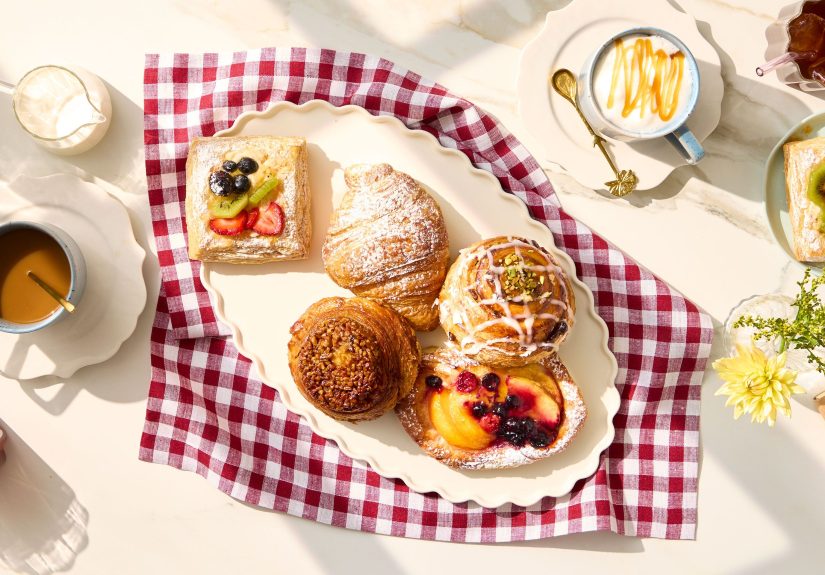
Now imagine the same home on a Saturday. The pace changes. A plate of pastries appears on the counter. Music replaces the weekday news. A friend sits at the bistro table while another leans on the island, and no one is in a hurry to leave because the setup itself encourages hanging around. That is one of cafécore’s quiet triumphs: it helps hosting feel casual. You do not need a formal brunch invitation or a five-course plan. Coffee, something warm from the oven, and a pleasant place to sit can carry an entire morning.
There is also something deeply personal about how people style these spaces. One household may lean vintage, with floral cups, a brass lamp, and a sugar bowl that looks inherited. Another may go sleek and minimal with oak shelving, a matte espresso machine, and exactly three perfect glasses. Both can create the same emotional effect because cafécore is less about a rigid look than a recognizable feeling. The details change, but the message stays the same: this is a corner designed for comfort.
Small-space dwellers often have the most satisfying cafécore stories. A narrow apartment counter becomes a morning station with a tray, one framed print, and a jar of biscotti. A studio tenant adds café curtains and a tiny pedestal table by the window, and suddenly the room feels zoned rather than improvised. These changes may seem modest, but they transform behavior. People start sitting down for their coffee instead of drifting around with it. They pause. They notice the light. They use the space with intention.
Families feel the effect too. In some homes, the coffee zone naturally grows into a beverage hub with tea, cocoa, and afternoon snacks. It becomes a place where guests know where to help themselves, kids learn simple routines, and adults reclaim five minutes of peace before the next errand, call, or homework question. Even people who are not especially design-obsessed respond to that convenience wrapped in charm.
And perhaps that is the real reason cafécore resonates. It delivers luxury in a form most people can actually use. Not luxury as excess, but luxury as atmosphere. Luxury as having your favorite mug exactly where it belongs. Luxury as a corner that works hard while feeling soft. Luxury as making an ordinary Tuesday taste a little more like a slow Sunday. That is the kind of joy that tends to outlast trend cycles, because once a home learns how to offer comfort this elegantly, it is hard to go back.
Conclusion
The simple joys of cafécore are, in the end, exactly what make it powerful. This trend is not asking homeowners to build a commercial coffee bar or turn every breakfast into a social media performance. It is asking something smaller and smarter: create a home that supports ritual, hospitality, and comfort. Give the everyday cup of coffee a setting that feels worthy of it.
Whether that means a polished built-in beverage station, a moody banquette, a bar cart with unexpectedly excellent mugs, or a sunny corner with a stool and a French press, the goal is the same. Cafécore makes home life feel warmer, slower, and more connected. It proves that good design does not always need to shout. Sometimes it just needs to smell faintly of espresso and invite you to sit down.