Table of Contents >> Show >> Hide
- Why Task broke out in the first place
- The first season felt finished and that was part of its power
- So why bring it back?
- What the return means for the storyline
- The biggest risk: mistaking intensity for depth
- What a great Season 2 would actually look like
- The viewer experience: why a return like this feels so electric
- Final verdict
- SEO Tags
Spoiler alert: This article discusses major plot points from Task Season 1, including the finale.
Some crime dramas arrive like a whisper. Task arrived like a siren in the distance: low at first, then impossible to ignore. HBO’s Philadelphia-set thriller, created by Brad Ingelsby, looked on paper like another prestige-catnip package: bruised men, working-class streets, moral compromise, family trauma, and more tension than a Thanksgiving dinner where three cousins secretly hate each other. But once the show premiered, it became clear that Task was more than a familiar crime story wearing an expensive HBO coat. It was a show about grief, masculinity, fatherhood, faith, and the ugly ways violence leaks into ordinary life.
That is exactly why its return matters so much. Season 1 did not end like a cheap cliffhanger begging for another check. It ended with the unusual confidence of a drama that seemed prepared to walk away. Loose ends were tightened. Emotional arcs found real closure. Some characters got punished, some got mercy, and some got the kind of ambiguous future prestige TV loves almost as much as dimly lit kitchens. So when HBO brought Task back, the big question was not, “Can the show return?” It was, “Should it?”
The better question, though, may be this: what does a second season mean for a story that already felt emotionally complete? In the best-case scenario, it means Task is not reopening old wounds for the sake of noise. It means the show is evolving from one sealed tragedy into a larger crime canvas. In the worst-case scenario, it means a tense, beautifully mournful first season is about to be stretched like supermarket pizza dough. Delicious in theory, alarming in practice.
And yet there are good reasons to be optimistic. The return of Task does not necessarily mean the first season’s “sewn-up” ending was fake. It may mean that the show’s real subject was never just one case, one criminal crew, or one tragedy. It was always about systems: families, gangs, police, loyalty networks, and the impossible task of staying decent while moving through any of them.
Why Task broke out in the first place
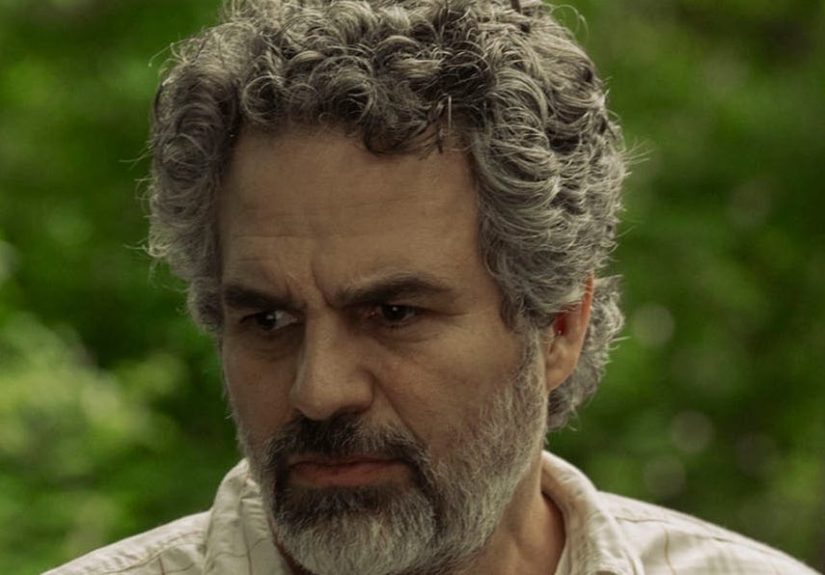
Task became a breakout crime drama because it understood a truth that many thrillers forget: suspense works better when the people at the center of it feel heartbreakingly human. Mark Ruffalo’s Tom Brandis was not just a brooding investigator with a dead-eyed stare and a coffee problem. He was a former priest, a grieving husband, a father carrying spiritual wreckage into a professional world that rewards emotional compartmentalization. Tom Pelphrey’s Robbie, meanwhile, was no cartoon outlaw. He was a desperate family man making catastrophic choices with the stubborn confidence of someone who thinks one more bad decision might finally solve everything.
That setup gave the show its charge. Task was a cat-and-mouse thriller, yes, but it was also a mirror game. Tom and Robbie were not opposites so much as distorted reflections. One had a badge, one had a gun under worse circumstances, and both were trying to hold fractured families together with trembling hands. That tension gave the show a gravity many crime dramas only pretend to have.
Critics responded to that duality. Supportive reviews praised the performances, the atmosphere, and the way Ingelsby once again turned Pennsylvania into a moral landscape instead of a backdrop. Even more mixed reviews often conceded the same point: whatever disagreements they had about pacing or bleakness, Ruffalo and Pelphrey made the series hard to shake. That matters, because breakout status in television is not just about ratings or prestige chatter. It is about cultural stickiness. Task lodged in people’s minds.
It also helped that the show never felt glossy. The houses looked lived in. The danger felt grubby rather than glamorous. The family scenes hurt. The criminal world was not seductive in the usual TV way; it was exhausted, compromised, and full of people who looked like they had not slept in a month. In a crowded field of sleek crime dramas, Task stood out by feeling spiritually dented.
The first season felt finished and that was part of its power
Here is the thing about a “sewn-up” storyline: audiences usually know when one is real. Season 1 of Task did not end by simply dangling a villain off a metaphorical roof and waiting for renewal news. Instead, it moved into aftermath. That is very different. After a season of robberies, betrayals, biker-gang chaos, corruption, and bloodshed, the finale reportedly shifted toward reckoning. The quieter scenes mattered as much as the violence. Tom’s acts of compassion, his choices around the surviving children, and the emotional weight of his courtroom speech pushed the show beyond procedural mechanics and into something closer to moral testimony.
That is why so many viewers felt the story had reached a natural stop. Robbie’s arc had run its tragic course. The criminal machinery had been exposed. The mole problem was addressed. Major emotional truths had been spoken aloud. In storytelling terms, that is closure. Not fairy-tale closure, obviously. This is not a show where everyone hugs it out and opens a bakery. But it is still closure.
In fact, Task may have benefited from ending with that degree of completeness. Prestige TV often behaves like a toddler with a permanent marker: once it finds a good wall, it simply cannot stop drawing on it. Task showed unusual discipline. It let consequence matter. It let sorrow settle. It understood that a crime drama can end not when every mystery is solved, but when its emotional argument has been made.
That emotional argument was clear. Violence does not stay in one lane. It spills across households, jobs, friendships, and generations. Men trying to be protectors often become destroyers. Forgiveness is not soft; it is one of the hardest choices a person can make. Season 1 landed those ideas with the kind of finality that usually makes a return feel risky.
So why bring it back?
The cynical answer is obvious: because people watched, critics talked, and HBO likes having acclaimed crime dramas on the shelf. Fair enough. Television is still a business, and no executive has ever looked at a prestige hit and thought, “What if we simply enjoyed this privately and made no more money?” But the creative answer is more interesting.
Season 2 appears poised to widen the world rather than simply exhume Season 1. With Mark Ruffalo returning and Mahershala Ali joining as a seasoned Philadelphia DEA agent whose team clashes with Tom’s unit, the early signals suggest expansion, not repetition. That matters enormously. If Season 2 were simply “more biker gangs, more grief, same kitchen lighting,” then yes, the show would risk parodying itself. But a shift toward institutional conflict between federal agencies opens a new lane.
It also suggests that the real franchise engine here may be Tom Brandis. Not the original robbery crew. Not one gang. Not one investigation. Tom. If that is the model, Task starts to look less like a one-and-done tragedy and more like a character-centered crime anthology with continuity. Think less “Who survived the finale?” and more “What kind of broken city does Tom have to walk through next?”
That is smart. Season 1 was never only about plot. It was about the spiritual cost of law enforcement, the moral blur between duty and obsession, and the ways institutions fail the people inside them. Those themes are not exhausted by one case. If anything, they get richer when a protagonist has to carry the scars of one investigation into the next.
What the return means for the storyline
1. It confirms the ending was closure, not a dead end
A closed ending is not the same thing as a closed universe. By renewing Task after a finale that felt emotionally complete, HBO is effectively saying the first season was one chapter, not the whole book. That is a meaningful difference. The show does not need to undo its ending to continue. It only needs to prove that its themes travel.
2. It shifts the center of gravity from mystery to aftermath
Season 1 worked in part because it was not primarily a puzzle box. Many critics pointed out that the show’s appeal came less from “who did what” than from how people lived with the consequences. A return allows the series to lean even harder into that strength. Tom is not a blank-slate detective rebooting every week. He is a man with memory. Any new case gains depth if it forces him to confront what Season 1 cost him.
3. It raises the stakes for consistency
Once a show proves it can land a real ending, viewers become less forgiving of narrative cheating. If Season 2 starts resurrecting emotional beats it already resolved, audiences will notice. Quickly. Loudly. Probably online, with capital letters. The return of Task therefore raises the creative bar. It has to earn continuation rather than assume it.
4. It opens a broader crime ecosystem
The addition of a DEA figure suggests the series may move from a tightly focused robbery-and-gang narrative into a more layered portrait of overlapping agencies, jurisdictions, and egos. That could be excellent. Crime dramas get richer when they stop treating institutions like clean machines and start treating them like collections of damaged, ambitious, occasionally noble human beings.
The biggest risk: mistaking intensity for depth
There is one danger Task absolutely must avoid. It cannot assume that darkness equals profundity. Some critics of Season 1 already felt the show drifted too far into relentless gloom or overworked plotting. A second season that simply adds more corpses, more shouting, more sad men leaning against countertops, and more Meaningful Silence would miss the point.
What made Task compelling was not just that it was tense. It was that the tension revealed character. The violence landed because it damaged people we understood. The moral conflict mattered because the show had built a believable emotional world around it. If Season 2 forgets that and goes full “grim prestige machine,” the stitched-up ending of Season 1 will start to look better in hindsight than the continuation itself.
Fortunately, the early blueprint does not suggest pure escalation for its own sake. Bringing in Mahershala Ali hints at a character clash rather than just a body-count increase. That is promising. A Ruffalo-Ali collision could produce the kind of morally tangled, performance-driven conflict that made Season 1 memorable in the first place.
What a great Season 2 would actually look like
A truly successful return would do three things. First, it would honor Season 1’s ending without constantly worshipping it. No endless flashback shrine. No desperate “remember how sad that was?” behavior. Let the past shape Tom, but do not let it suffocate the new story.
Second, it would preserve the show’s local specificity. One reason Task hit so hard was that it felt rooted: in Philadelphia, in working-class rhythms, in speech patterns, in neighborhoods, in a social world that seemed observed rather than assembled by algorithm. That sense of place is not decorative. It is structural. Lose it, and Task becomes just another “serious” crime series with expensive misery.
Third, it would remember that mercy is part of the show’s identity. For all its violence, Task was not nihilistic. It believed people could still choose tenderness, even after terrible damage. That note of grace made the finale resonate. If the second season keeps that emotional intelligence, the show can grow without betraying itself.
The viewer experience: why a return like this feels so electric
There is a very particular thrill in hearing that a crime drama you mentally shelved as “finished” is coming back. It is not the same as the excitement around a cliffhanger-heavy franchise. It feels stranger than that. More suspicious. More delicious. Part of your brain says, “Wonderful, more of this world.” Another part immediately narrows its eyes and says, “Do not ruin my beautifully tragic memories.” That push and pull is exactly what makes the return of Task so fascinating.
For viewers, a show like Task is not consumed and forgotten. It lingers. You remember the faces, the pauses, the exhaustion in the rooms, the way one bad choice kept dragging another behind it like a chain. You remember not just what happened but how it felt to watch it happen. That feeling matters. It is why audiences become protective of stories that seemed complete. When a series earns emotional trust, people do not want a sequel unless that sequel has a reason to exist.
That is why the return of Task creates such a specific kind of excitement. It is the excitement of risk. Viewers are not just waiting for more plot. They are waiting to see whether the show understands what made them care in the first place. They want the same emotional intelligence, the same rough-edged humanity, the same sense that every act of violence leaves a bruise that does not vanish at the end of an episode. They want the atmosphere back, yes, but they also want the honesty back.
There is also a comforting pleasure in returning to a fictional world that felt fully built. Good crime dramas create ecosystems, not just cases. By the end of Season 1, Task had built a world of agents, families, gang networks, damaged loyalties, and working-class routines that felt lived in. Going back into that world is like revisiting a town you would never want to live in but cannot stop thinking about. It is terrible real-estate marketing and excellent television.
And then there is the actor factor. Mark Ruffalo returning gives viewers a human bridge between seasons. He is not just the lead; he is the emotional archive of the show. Tom carries memory, guilt, restraint, fury, and a spiritual fatigue that makes every conversation feel like it comes with invisible history attached. Bringing in Mahershala Ali only sharpens that anticipation. Audiences can already imagine the scenes: quiet power struggles, tactical disagreements, moral clashes delivered in that deadly calm tone TV characters use right before everything gets worse.
Most of all, the return of Task speaks to a deeper viewer hunger. People want crime dramas that do more than deliver twists. They want stories that examine why institutions fail, why families fracture, and why decent intentions can still lead people into ruin. They want tension, yes, but also texture. They want plot, but they want pain with a point. That is the experience Task offered at its best.
So the return feels electric because it is not merely a continuation. It is a test. A challenge. A dare, really. Can a show that already landed its tragedy come back and find a second truth to tell? Can it widen its lens without losing its soul? Can it prove that closure and continuation are not enemies? That is the drama surrounding Task now, before a single new episode has aired. And honestly, that may be the most irresistible hook of all.
Final verdict
The return of Task means its first-season storyline was not as “sewn-up” as it looked but not because the ending failed. Quite the opposite. The ending worked so well that it created the best possible launchpad for a new phase. It closed one tragedy with dignity. Now the series has a chance to prove that dignity and continuation can coexist.
If HBO and Brad Ingelsby treat Season 2 as a reinvention anchored by Tom Brandis rather than a reheated extension of Robbie’s story, Task could become something even more interesting than a breakout hit. It could become a rare modern crime drama that knows how to finish a chapter without finishing itself.
That is the thrill here. Not just that Task is back, but that its return forces the show to answer a hard question most prestige dramas dodge: when a story already said something meaningful, what do you say next? If Task finds the right answer, the so-called “TV thrill of the year” may only be getting started.