Table of Contents >> Show >> Hide
- Who Is Evan Shively (and Why Do People Call Him “The Ultimate Arborist”)?
- West Marin: Where the Trees Are the Local Celebrities
- Arborica: Not a Typical Lumber Yard (More Like a Living Library)
- The Arborist Mindset: It’s Not Just CuttingIt’s Decision-Making
- From Fallen Tree to Finished Slab: What “Salvage” Really Takes
- Why Designers Love This Kind of Wood (and Why That Matters)
- Tree Care Lessons West Marin Keeps Teaching (Whether You Asked or Not)
- What a Visit to a Salvage Yard Like Arborica Feels Like
- How to Think Like an Arborist (Even If You’re Just a Person With a Yard)
- Extra: of On-the-Ground Experiences (The West Marin Way)
- Conclusion
West Marin has a way of making you slow down. The fog moves like it’s clocking in for a shift. The wind has opinions.
And the trees? The trees are not decorative background charactersthey’re the main cast, the supporting cast, and the
entire crew.
Which is exactly why Evan Shively fits here so well. In a region where people can identify native species the way other
folks identify celebrity gossip, Shively built a reputation around a simple idea: trees deserve a second life, and wood
deserves to be understoodnot rushed, not “optimized,” not treated like anonymous building material.
This is a story about arboriculture, salvaged timber, and a corner of coastal California where “yard work” can turn into
a philosophy lecture (in the best way). It’s also a practical guide for anyone who loves trees, lives among them, or has
ever wondered why some lumber feels like it has a soul.
Who Is Evan Shively (and Why Do People Call Him “The Ultimate Arborist”)?
Evan Shively is known in design and craft circles for his West Marin operation, Arboricapart lumber yard, part mill,
part showroom, and part shrine to the idea that locally salvaged wood can be both responsible and stunning.
The highlights of his story don’t read like a typical “career path” flowchart. He’s been described as a former chef who
became a sawyer, building a business around salvage rather than logging for fresh-cut inventory. The pivot makes more
sense when you realize the common thread: attention. In a kitchen, you learn to respect ingredients. In a mill, you learn
to respect grain, moisture, tension, and time.
And that’s the secret sauce of the “ultimate arborist” label: it’s not only about climbing skills or pruning technique.
It’s the ability to see a tree in layersecology, structure, risk, beauty, habitat, and (when the time comes) material.
Shively’s work sits at the intersection of tree care and the long afterlife of wood.
West Marin: Where the Trees Are the Local Celebrities
West Marin isn’t just “pretty.” It’s ecologically intense. The coastal air is moist, the microclimates change fast, and
the vegetation runs from windswept coastal scrub to dense oak woodlands and pockets of redwood.
That variety matters because arborist work is never one-size-fits-all. The same pruning approach that’s fine in a dry,
inland neighborhood can be a bad idea near the coastwhere fungal pressure, wind exposure, and saturated soils change the
rules.
It’s also a region that has dealt with very real tree health issues, including Sudden Oak Death (caused by the pathogen
Phytophthora ramorum). In places like Marin County, tanoaks and certain oaks have been hit hard over the years.
That reality shapes how locals think: tree care isn’t just aesthetics; it’s stewardship and risk management.
Arborica: Not a Typical Lumber Yard (More Like a Living Library)
At Arborica, the wood doesn’t feel anonymous. It’s not a pile of “2x4s.” It’s slabs and beams with historyoften sourced
from trees that fell naturally, came down for safety reasons, or were removed due to development or storm damage.
The salvage-first approach is a big deal in a world where “sustainable” can become a sticker instead of a practice.
Salvage means the tree wasn’t cut down just to become lumber. It also means the supply is irregular and unpredictable,
which is the exact opposite of how most commercial lumber systems like to operate.
That unpredictability is where craft begins. Designers and builders come to places like Arborica because they want wood
with character: California species with dramatic grain, unusual figure, and the kind of patina you can’t manufacture
without doing something morally questionable to a forest.
The Arborist Mindset: It’s Not Just CuttingIt’s Decision-Making
“Arborist” sometimes gets reduced to “tree person with ropes,” but professional arboriculture is closer to applied
biology plus engineering plus a little bit of meteorology (because wind will humble you fast).
Tree care is guided by standards, not vibes
Good arborists lean on established best practicesthings like ANSI A300 tree care standards and the broader body of
pruning research. The goal is to reduce risk and improve health while avoiding the classic mistakes: topping trees,
over-thinning canopies, or making cuts that invite decay.
In coastal California, tree health is also disease awareness
With Sudden Oak Death, for example, prevention and monitoring matter because there’s no simple “cure.” Accurate
identification can require lab testing, and management often focuses on reducing spread and protecting high-value trees
where feasible. In West Marin, where tanoaks and oaks are part of the landscape identity, that knowledge isn’t academicit
affects property decisions, trail safety, and habitat.
And yes, fire risk changes the math
Even in greener coastal zones, California wildfire reality is never far away. Defensible space guidance often includes
thinning ladder fuels, removing dead material, and spacing vegetation so fire can’t climb from ground to canopy as
easily. This is where an arborist becomes a safety consultant: you’re not just shaping a tree, you’re shaping how fire
might behave around a home.
From Fallen Tree to Finished Slab: What “Salvage” Really Takes
Salvaged wood is not “free wood.” It’s “wood that makes you earn it.”
A fallen tree can be heavy, twisted, wet, and filled with internal stress. Milling it isn’t like slicing deli meat. It’s
closer to reading a complicated book where every chapter tries to pinch your fingers.
Step 1: Sourcing (the polite term for treasure hunting)
Salvage sourcing often means working with landowners, tree services, and local networksfinding material that would
otherwise become mulch, firewood, or landfill-bound debris.
Step 2: Milling (where the tree starts telling you secrets)
Milling reveals grain, knots, spalting, reaction wood, and the story of how the tree grew. This is also where choices
happen: Do you cut for stability? For figure? For the best yield? For the most beautiful single slab? There is no
universal answeronly tradeoffs.
Step 3: Drying (a long, boring miracle)
Wood wants to move as it dries. Dry too fast and you risk checks and splits. Dry too slow and you flirt with mold and
staining. Responsible drying is patient work, and patience is basically the unofficial currency of good woodworking.
Step 4: Matching wood to purpose
A tabletop has different needs than a structural beam. A bar top needs stability and surface durability. A bench might
celebrate live edges and natural form. The magic of a place like Arborica is that it treats these decisions as part of
the craftnot a nuisance to get past.
Why Designers Love This Kind of Wood (and Why That Matters)
High-end designers and architects often seek salvaged wood because it brings authenticity. Not “rustic” as a theme, but
honest material presence. Pieces made from salvaged logs or slabs can feel like they belong to a place rather than being
shipped in as generic décor.
Shively’s work has been associated with design-forward projects where large, character-rich wood becomes seating,
surfaces, and architectural elements. That collaboration between arborist/sawyer and designer creates a more direct line
between local landscape and built environment.
And here’s the bigger point: when salvaged wood has real economic value, landowners have more incentive to salvage
responsibly instead of simply chipping and dumping. A healthy salvage market can reduce waste and preserve the story of
trees that would otherwise disappear without a trace.
Tree Care Lessons West Marin Keeps Teaching (Whether You Asked or Not)
If you live with treesespecially in a place as tree-forward as West Marinthere are a few truths that keep showing up,
like unsolicited advice from a very wise neighbor.
1) The best time to look at a tree is before there’s a problem
Many hazards develop slowly: included bark, weak unions, deadwood accumulation, decay pockets. A periodic assessment by a
qualified arborist can catch issues early, when solutions are simpler and less expensive.
2) “Cleaning it up” can sometimes hurt the tree
Over-thinning a canopy can increase sunburn on interior branches, stress the tree, and reduce its ability to tolerate
wind. The goal isn’t to make a tree look “neat.” The goal is to make it resilient.
3) Don’t confuse topping with pruning
Topping (cutting back large limbs to stubs) is a classic bad practice that can trigger weak regrowth and increase decay.
Good pruning is targeted, strategic, and based on how trees respond biologically to cuts.
4) Fire-smart landscaping is about structure, spacing, and maintenance
Removing dead material, spacing plants, and trimming with defensible space in mind can reduce riskespecially around
structures. Think “interrupt fuel continuity,” not “clear-cut the vibe.”
What a Visit to a Salvage Yard Like Arborica Feels Like
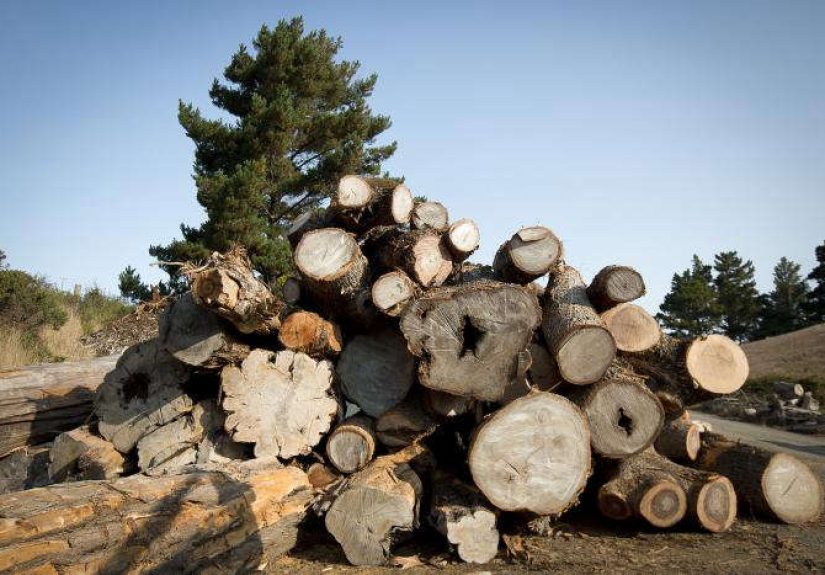
Walking through stacks of salvaged wood is strangely emotional, even if you’re not “a wood person.” Each slab looks like a
cross-section of timerings, color changes, scars, and weather marks. It’s like the tree kept receipts.
You start noticing details you usually ignore: the difference between tight growth rings and wide ones, how certain cuts
shimmer, how bark edges can feel sculptural. You also notice the scale. A single salvaged log can make you understand, in
your bones, why moving wood is a profession and not a hobby.
And somewhere in that experience, you realize the “ultimate arborist” idea isn’t about ego. It’s about fluencythe ability
to read trees standing up, understand them when they come down, and honor them in what they become next.
How to Think Like an Arborist (Even If You’re Just a Person With a Yard)
You don’t need climbing spurs or a chainsaw to adopt the mindset. You just need a better set of questions.
- What species is this? Species determines growth habit, disease vulnerability, and pruning response.
- What’s the structure telling me? Look for co-dominant stems, cracks, dead tops, and heavy end-weight.
- What changed recently? Construction, grading, drought stress, or sudden canopy thinning can trigger decline.
- What’s the goal? Shade? Safety? Habitat? View preservation? Your goal shapes the right intervention.
- What’s the least invasive option? The best work often looks subtle because it’s precise.
If you want a “West Marin” bonus question, try: What does the wind do here in winter? Because trees remember wind.
Extra: of On-the-Ground Experiences (The West Marin Way)
Imagine you’re driving the back roads near Tomales Bay, the kind where your GPS becomes less “navigation” and more “vague
encouragement.” You round a bend and see stacks of wood like a cathedral made of trunks and slabs. Not polished. Not
staged. Just honest piles of material waiting for its second act.
The first thing you notice is the smell. It’s not the sharp “new lumber” scent from a big-box store. It’s richerwet bark,
sun-warmed sawdust, salt air drifting in from the coast. You step out of the car and instantly feel underdressed for the
job, even if you’re just visiting. Something about that much wood makes you want to roll up your sleeves on principle.
Then you start seeing the stories. A slab with rippling figure that looks like water caught mid-surge. A chunk of
eucalyptus with bark still clinging like it refuses to let go. A beam cut from a species you’ve only heard people mention
in reverent tones. You realize that “salvage” isn’t a categoryit’s a biography. Every piece came from somewhere specific,
fell for a reason, and now sits here because somebody cared enough to rescue it.
If you’ve ever lived with trees, you’ve had the moment: a storm rolls through and the next morning you’re doing damage
assessment in pajamas, holding coffee like a comfort object. West Marin gives you those momentswind, rain, saturated
ground, and the occasional dramatic branch that lands exactly where you didn’t want it. Standing among salvaged trunks,
you can almost reverse-engineer those storms. You can picture the lean, the failure point, the weight, the twist.
And here’s the weirdly uplifting part: instead of feeling like loss, it feels like continuation. The tree didn’t just
disappear into a chipper and become anonymous mulch. It might become a table where someone eats birthday cake for the next
thirty years. Or a bench where somebody sits quietly after a hard day. Or a set of steps that creak in a way that makes
a house feel alive.
That’s the West Marin lesson in a nutshell: nature is not separate from daily life. Trees are neighbors. Wood is local
history. And the best kind of arborist workwhether it’s careful pruning, thoughtful risk reduction, or respectful
salvagedoesn’t “control” the landscape. It collaborates with it.
You leave with sawdust on your shoes (somehow), a new habit of looking up into canopies, and the suspicion that the trees
in your own neighborhood have been waiting for you to pay attention this whole time.