Table of Contents >> Show >> Hide
- Before You Start: 5-Minute Prep That Makes You Look Like a Pro
- 30-Minute Trick #1: Paint a Mini Accent Wall (Without Committing to All Four)
- 30-Minute Trick #2: Color-Drench Your Trim or Doors
- 30-Minute Trick #3: Paint a Soft Arch or Shape Behind Your Furniture
- 30-Minute Trick #4: Cheat an Architectural Detail with Two-Tone Walls
- 30-Minute Trick #5: Give Your Ceiling a Quick Color Moment
- 30-Minute Trick #6: Renter-Friendly Paint Hacks That Won’t Risk Your Deposit
- 30-Minute Trick #7: Micro Makeovers with Paint Pens and Sample Pots
- Speed Secrets from the Pros: How to Actually Finish in 30 Minutes
- Real-Life Experiences: How 30-Minute Paint Tricks Change the Way Rooms Feel
- Final Thoughts: Small Paint Moves, Big Room Energy
You know that weird limbo where your room feels “fine” but also somehow like a before photo?
Good news: you don’t need a weekend, a contractor, or eight gallons of paint to fix it.
With a few smart painting tricksand about 30 minutes per projectyou can give almost any space
a dramatic, designer-level upgrade before your coffee gets cold.
Think quick accent walls, bold trim, color-drenched doors, and renter-friendly ideas that won’t terrify your landlord.
These fast paint projects are inspired by tips from pro painters, DIY bloggers, and interior designers across the U.S.,
but rewritten here with zero jargon and a little bit of fun. Grab a brush (or a roller or a paint pen) and let’s turn
“meh” into “whoa” in half an hour.
Before You Start: 5-Minute Prep That Makes You Look Like a Pro
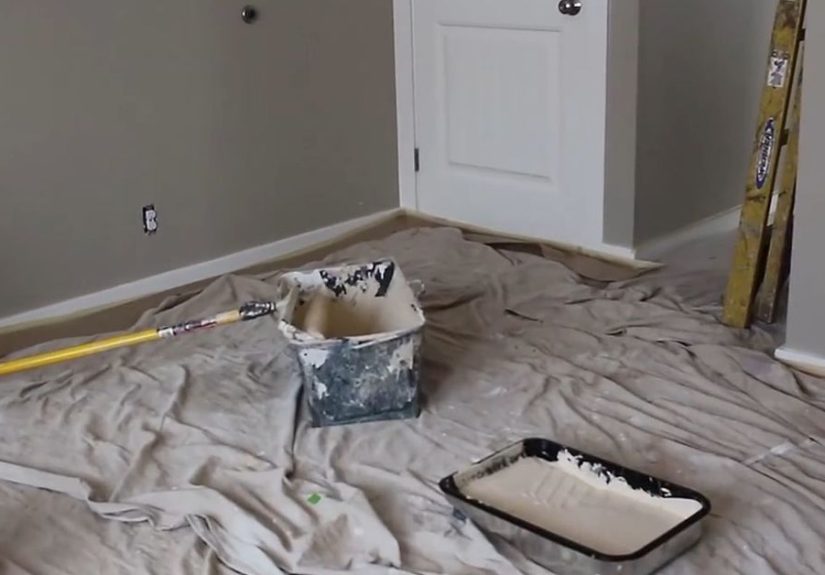
Yes, the article promised “30 minutes,” but here’s the secret: a tiny bit of prep keeps your quick makeover from
looking like a crime scene. Pros constantly repeat the same mantraclean, patch, tape, and then paint.
Even home-improvement forums are full of people insisting that the biggest difference between amateur
and pro results is prep, not the paint itself.
Quick prep checklist (no overachieving required)
- Wipe down surfaces. A microfiber cloth or damp rag removes dust, pet hair, and mystery grime so paint actually sticks.
- Spot-fill holes. Use lightweight spackle on nail holes; it dries fast and sands easily.
- Tape what you love. Painter’s tape around baseboards, hardware, and neighboring walls buys you speed and confidence.
- Use the right tools. Angled brush for edges, small roller for fast coverage, and a tiny tray so you’re not sloshing around a full gallon.
For many DIYers, power tools like paint sticks or edging tools cut their wall-painting time down dramatically
one homeowner painted a small bathroom in about 30 minutes of actual brush-and-roller time by using
a paint stick system instead of a traditional tray.
30-Minute Trick #1: Paint a Mini Accent Wall (Without Committing to All Four)
A full-room repaint? That’s a weekend. A mini accent wall? That’s half an episode of your favorite show.
Designers often recommend using color strategically in small roomsaccent walls can help draw the eye,
shift the focus, and even make certain areas feel cozier.
Where a mini accent wall works best
- Behind the headboard to create an instant “hotel suite” vibe.
- Behind a sofa or console table to define a living area in an open-plan space.
- In an entry nook to make a tiny foyer feel intentional instead of random.
How to pull it off in 30 minutes
- Mark a vertical section of wall (even a 4–6 foot wide “panel” works).
- Tape off the sides and along the baseboard.
- Cut in the edges with an angled brush.
- Roll the middle with a small rollertwo quick coats if the paint is fast-drying.
To make it feel elevated, choose a color that works with the rest of the room instead of fighting it.
Interior designers often suggest a three-color formula: a soft neutral for walls, crisp white for trim,
and a deeper tone of your wall color for accents or doors.
Your mini accent wall can either be that deeper shade or a complementary color pulled
from your rug or artwork.
30-Minute Trick #2: Color-Drench Your Trim or Doors
Here’s a big secret from design pros: if you want a space to feel dramatically more expensive,
don’t start with the wallsstart with the trim and doors. Painting trim a contrasting color or
“color-drenching” it to match the walls is one of the fastest ways to change the vibe of a room.
Three easy trim and door ideas
- High-contrast trim. Think white walls with deep charcoal, navy, or black trim for instant definition and a modern edge.
- Tone-on-tone trim. Use a slightly darker version of your wall color on baseboards and window frames for a subtle, custom look.
- Statement doors. Paint only the door and its casing in a bold colorperfect for hallways, bedrooms, or a pantry that needs personality.
How to paint a door fast
- Wipe down the door and lightly scuff with a sanding sponge if it’s glossy.
- Pop off the hardware if you’re ambitiousor tape it if you’re realistic.
- Use a small roller for the flat parts and an angled brush for panels and edges.
- Do one side at a time; most interior doors only need 10–15 minutes per coat.
Many DIY bloggers use a satin or semi-gloss finish on doors for durability and easier cleaning,
while sticking to a matte or eggshell finish on walls to soften imperfections.
You get that “new house” feeling just from walking down the hallway.
30-Minute Trick #3: Paint a Soft Arch or Shape Behind Your Furniture
Pinterest and Instagram are full of painted arches for good reason: they’re fast, low-commitment, and
look far more custom than the effort required. Instead of painting an entire wall, you paint one simple
shape behind a desk, dresser, or bed to frame the furniture and add depth.
Why arches and shapes work so well
- They visually “anchor” a piece of furniture so it stops floating in the room.
- They add color without fully committing to a bold wall.
- They double as “faux headboards” or “faux panels” in small spaces or rentals.
How to paint an arch in under 30 minutes
- Mark your arch height and width with painter’s tape in a big “U” shape (or use a string and pencil to trace a curve).
- Cut in the edges with a small brush, especially around the curve.
- Fill the center with a mini roller using a rich color that complements the room.
To keep the look cohesive, borrow a hue from your rug, throw pillows, or artwork instead of picking a
random color from the paint aisle. That little bit of color repetition helps your quick project feel
like part of a bigger design plan.
30-Minute Trick #4: Cheat an Architectural Detail with Two-Tone Walls
If your room is a plain box with zero molding, two-tone paint can fake architecture and make the space
feel more interesting. Designers often suggest using color placement to tweak proportionslighter at the top
to visually raise the ceiling, darker at the bottom to ground the room.
Simple two-tone ideas
- “Faux wainscoting.” Paint the bottom third or half of the wall a deeper color and leave the top light.
- Horizontal band. Run a bold stripe around the room at chair-rail height to break up tall walls.
- Color-drenched lower half. In a small room, a darker lower half can feel cozy instead of cramped when paired with light upper walls.
How to do it quickly
- Measure and mark a level line around the room using a pencil and a long level.
- Apply painter’s tape along your line.
- Paint the lower section only; you’ve now “finished a room” by doing just the bottom half.
Bonus: if you have kids, darker paint on the bottom half of the wall is excellent camouflage for tiny fingerprints
and scuff marks. You’re welcome.
30-Minute Trick #5: Give Your Ceiling a Quick Color Moment
The ceiling (a.k.a. the “fifth wall”) is often totally ignored, but color here can change the character of
a room in surprising ways. Trend reports note that many homeowners are embracing bolder color across walls,
ceilings, and trimsometimes called “color drenching”to create cozy, immersive spaces.
Fast ceiling projects that don’t require scaffolding
- Paint just the tray or cove. If you have recessed or tray areas, paint only that portion to highlight the architecture.
- Create a faux “canopy.” Extend your wall color 6–12 inches onto the ceiling around the room’s perimeter.
- Contrast stripe. Add a single stripe across a small hallway ceiling; it instantly feels more intentional.
Because you’re working in small sections, you can usually paint these areas with a short roller and a step stool,
not a full ladder setup. Stick to lighter colors if your ceilings are low, and experiment with deeper shades in
tall or well-lit spaces.
30-Minute Trick #6: Renter-Friendly Paint Hacks That Won’t Risk Your Deposit
Renters, this section is for you and your “do not paint the walls” lease clause. Paint can still show up in your life
just not always directly on the wall. Many paint brands and design pros share renter-friendly painting ideas that let
you personalize your space while keeping the actual walls neutral.
Smart renter-friendly tricks
-
Paint large canvases instead of walls. Use inexpensive canvas or MDF boards, paint bold color blocks or arches,
and hang them like art. When you move, the “accent wall” comes with you. -
Paint furniture backs and sides. Bookshelves, media consoles, and wardrobes can carry a lot of color,
transforming the room even if the walls stay beige. -
Use removable elements. Pair painted pieces with peel-and-stick wallpaper or decals for extra pattern
without long-term commitment.
Some guides even suggest focusing on trim, doors, and removable panels whenever a landlord allows “repaint in white
when you leave” arrangementsyou get the personality now, and a simple path back to neutral when you move out.
30-Minute Trick #7: Micro Makeovers with Paint Pens and Sample Pots
Not every transformation has to involve a roller. Tiny paint jobs can still have big visual payoffs,
especially in small spaces or styling moments.
Mini projects you can finish faster than a takeout delivery
- Paint outlet covers and switch plates to match the wall or contrast as a “tiny detail” moment.
- Outline built-ins or shelving with a thin painted border to make them look custom.
- Refresh picture frames in a unified color for a more curated gallery wall.
- Color the back of open shelves with a small brush or foam roller to make decor pop.
These projects are perfect for using up leftover paint samples and can warm up otherwise plain corners
like that one awkward shelf that currently just holds your Wi-Fi router and a plant that may or may not be alive.
Speed Secrets from the Pros: How to Actually Finish in 30 Minutes
Lots of DIY experts and painting pros share tricks to cut painting time dramatically while still getting clean results:
smooth cuts, fewer drips, and walls that don’t scream “I did this after midnight with one lamp on.”
Time-saving painting hacks
-
Work in small zones. Choose one wall, one door, or one shaped area instead of “the whole room.”
That’s how 30-minute projects stay 30 minutes. -
Load the roller correctly. Don’t dunk the entire roller; roll it through the tray several times for even coverage
and fewer passes on the wall. -
Use makeshift edging tools. Some DIYers even use a credit card or stiff plastic card as a quick edge guide
around tricky spots for cleaner lines without painstaking brushwork. -
Choose fast-drying paint. Many modern interior paints are dry to the touch in 30 minutes or less,
so you can squeeze in a second coat if needed.
The big mindset shift: you don’t have to repaint everything. You’re targeting high-impact spotsthe visual “hot zones”
your eye hits first when you walk into the room.
Real-Life Experiences: How 30-Minute Paint Tricks Change the Way Rooms Feel
Homeowners and renters who try these small paint projects often describe the results in surprisingly emotional terms.
It’s not just “the wall is blue now.” It’s “my bedroom finally feels finished” or “I don’t hate my hallway anymore.”
Quick paint wins have a way of unlocking momentum.
When a tiny project turns into a big shift
One common story: someone starts with a single accent wall behind the bed. The project takes under an hour
including prep, and suddenly the room looks styled instead of thrown together. The headboard feels grounded,
the lamps look intentional, and even mismatched nightstands look more unified because they’re now part of a
color story instead of floating in beige space.
From there, that same person might paint the bedroom door a deep moody color to echo the wall,
then tackle a picture frame refresh to unify all their art. None of these micro projects take more
than 20–30 minutes, but together they rewrite the entire vibe of the space. It’s the design equivalent
of finally getting a good haircut and realizing your old clothes suddenly look better.
Lessons people learn after a few quick projects
-
Color fear fades fast. The first brushstroke of dark paint on a white wall can be terrifying.
But once the section is done and the tape comes off, most people wish they’d gone bolder sooner. -
Prep is non-negotiable. The projects that disappoint are almost always the ones where dust,
grease, or old holes were ignored. Even five minutes of cleaning and patching dramatically improves the finish. -
Neutral doesn’t mean boring. Many people end up loving soft neutrals when paired with
interesting trim, doors, or painted shapes. It’s not about choosing wild colors; it’s about where you put them. -
“Good enough” is usually great. Your trim might not be as perfect as a pro’s,
and your arch might be slightly wobblybut once furniture and decor go back in place, nobody notices.
The overall effect is what counts.
The mindset shift: thinking in 30-minute rooms
Once you see how much change a half hour of painting can bring, you start spotting opportunities everywhere:
- The bland hallway that could use a painted door and a bold runner.
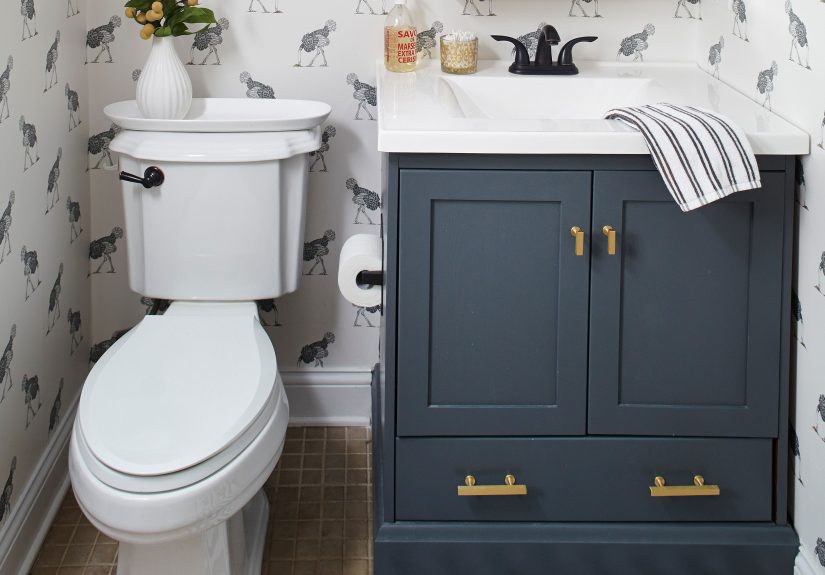
- The small bathroom that only needs a deep color on the vanity and mirror frame.
- The rental living room that would feel more intentional with a painted arch behind the sofa and some colorful frames.
People who take this approach report feeling more connected to their homes. Instead of waiting for the “someday”
full renovation, they stack small, manageable upgrades. You can knock out a mini accent wall before dinner,
paint a door on a Sunday morning, or refresh your trim after work. Your home slowly becomes a reflection of you
not just of whoever chose the builder beige years ago.
And if something doesn’t work? It’s just paint. One of the greatest strengths of these 30-minute projects
is how reversible they are. A quart of paint and another half hour can reset the experiment,
which makes it easierand more funto keep trying new ideas.
Final Thoughts: Small Paint Moves, Big Room Energy
Dramatic room transformations don’t have to involve demo, dust, or months of decision fatigue.
By focusing on high-impact surfacestrim, doors, mini accent walls, ceilings, and even furnitureyou can
completely shift the mood of a room in the time it takes to scroll social media.
Start small: one door, one wall section, one arch, one set of frames. Use colors that play nicely with what
you already own, and lean on simple formulas like neutral walls plus crisp trim and deeper accents.
Protect what you don’t want to paint, move fast, and embrace “done” over “perfect.”
Your next favorite room might be just 30 minutesand one paint projectaway.