Table of Contents >> Show >> Hide
- What Designers Mean by a “Bold Paint Approach”
- Why Designers Love Bold Paint (and Why It Works)
- How to Try This Designer-Approved Bold Paint Approach
- Bold Paint Ideas by Room
- Common Mistakes to Avoid When Going Bold
- Real-World Inspiration: How Bold Paint Looks in Practice
- What It’s Really Like to Live With Bold Paint: Experiences and Lessons
- Lesson 1: The room feels smaller on paper, but bigger in person
- Lesson 2: Everyday clutter is less noticeable
- Lesson 3: Lighting becomes more important (in a good way)
- Lesson 4: Neutrals feel richer against strong color
- Lesson 5: Guests notice – in a good way
- Lesson 6: You’ll probably get braver over time
- Lesson 7: The best bold rooms are personal, not perfect
- Ready to Go Bold?
If you’ve ever stared at yet another greige paint chip and thought, “There has to be more to life than this,” good news: designers agree with you. The era of playing it ultra-safe with wall color is fading, and a bold paint approach is taking over – one that wraps entire rooms in rich, saturated hues and makes neutral-only spaces feel a little… underdressed.
This isn’t just about an accent wall or a trendy color-of-the-year swipe behind the sofa. Today’s designer-approved paint strategies lean into immersive color: think walls, trim, doors, and even ceilings bathed in a confident shade. Done right, it turns a room into a mood – cozy, dramatic, or joyful – instead of just a container for furniture.
Below, we’ll walk through what this bold paint approach actually is, why designers love it, how to pull it off in real rooms, and what it’s really like to live with so much color day to day.
What Designers Mean by a “Bold Paint Approach”
When designers talk about going bold with paint now, they’re usually talking about more than just picking a strong color. The modern bold approach blends two big ideas: committing to saturation and treating paint as architecture instead of just background.
Color drenching: the star of the show
You’ll hear a lot about color drenching – the designer favorite that’s all over magazines and trend reports. Color drenching means using a single hue (or tonal variations of it) across nearly every painted surface in a room. Walls, trim, doors, built-ins, even ceilings can all get the same color or extremely close versions of it.
Instead of crisp white trim outlining darker walls, everything melts together into one continuous field of color. The effect is surprisingly polished: it feels custom, intentional, and often more expensive than it actually is. Designers like the way this technique erases visual clutter, lets furnishings and textures shine, and instantly creates an immersive mood.
Double drenching and tone-on-tone twists
If one color everywhere sounds intense, there’s also double drenching and tone-on-tone versions of the trend. Double drenching uses two related bold shades in the same space – think deep teal walls with a slightly dustier teal ceiling and trim. Tone-on-tone might pair a saturated wall color with a softer, lighter version of the same hue on doors or cabinetry.
These approaches keep the room unified but add subtle dimension. Designers lean on them in spaces where they want drama and depth but don’t want the room to feel flat or one-note.
Why Designers Love Bold Paint (and Why It Works)
If bold paint feels risky, designers would argue it’s actually one of the smartest, most flexible moves you can make. Here’s why the pros keep recommending it.
1. It hides awkward architecture and busy details
Have strangely placed soffits, chopped-up trim, or too many doors in one hallway? Saturating them all in one color can make those quirks fade into the background. By eliminating contrast lines, your eye stops bouncing from feature to feature and reads the space as a single, cohesive whole instead of a collection of flaws.
2. It makes small spaces feel intentional, not cramped
Traditional wisdom says small rooms need light, barely-there colors. Designers are increasingly breaking that rule. A tiny powder room painted from baseboard to ceiling in inky blue or blackberry suddenly feels like a chic jewel box rather than a cramped afterthought. Bold color can make a small space feel purposeful and special instead of just… small.
3. It adds personality without buying all new furniture
Paint is still the most budget-friendly design tool. If your furniture is fairly simple or neutral, wrapping your room in a bold hue is like giving the whole space a personality upgrade. Designers love using saturated color to bring basic pieces – like a beige sofa or simple wood dining table – to life.
4. It creates cozy atmosphere in high-traffic rooms
Color-drenched rooms tend to feel enveloping and cocoon-like, especially when the color is deep or earthy. That makes this approach ideal for living rooms, bedrooms, libraries, and lounges. Even in darker shades, designers say these spaces can feel calm and comforting instead of cave-like, especially when textures and lighting are thoughtfully layered.
How to Try This Designer-Approved Bold Paint Approach
Sold on the idea, but not sure where to start? Think of this as your step-by-step guide to going bold without going off the rails.
Step 1: Choose a color you actually want to live with
Trends are fun, but you’re the one who has to live surrounded by this color. Start with a hue you’re already drawn to in your wardrobe or decor – maybe a navy you always buy in sweaters or the olive green on your favorite throw pillow. Designers consistently stress this point: if you don’t genuinely like the color in smaller doses, you won’t magically love it when it’s on every wall.
Order large paint swatches or sample pots and test your favorites on multiple walls. Look at them in daylight, at night, and with your lamps turned on. Bold colors shift dramatically with light, so this step is worth the extra day or two.
Step 2: Decide how “all in” you want to go
- Beginner bold: Drench just the walls and doors in one color, keeping the ceiling light or off-white.
- Intermediate bold: Extend the color to trim and built-ins, but keep the ceiling a softer, related tone.
- Full-on drenching: Wrap walls, trim, doors, and ceiling in the same hue for a fully immersive look.
- Double drenching: Use two related bold colors with similar intensity, dividing them between walls, trim, and ceiling.
Designers often recommend starting in a smaller space like a powder room, entry, or reading nook before taking the plunge in a big open living area.
Step 3: Pick the right finish and sheen
One insider trick designers use is varying the sheen rather than the color. For example, they might use a washable matte on walls, satin on trim, and semi-gloss on doors – all mixed to the same hue. Under light, the different surfaces catch the eye differently, adding depth and glamour without introducing new colors.
In high-traffic areas or bathrooms, a scrubbable finish is your friend. Bold color won’t look very glamorous if you’re afraid to touch the walls.
Step 4: Layer textures so the room doesn’t feel flat
Once your room is drenched in color, it needs texture and contrast to keep things interesting. Designers bring in nubby linens, velvet upholstery, woven rugs, metal finishes, and wood tones to create rhythm. In a navy room, that might mean a camel leather chair, brass lamp, chunky knit throw, and creamy rug. In a deep green dining room, it might be a warm wood table, cane chairs, and glass pendants.
The goal is an atmosphere that feels rich and layered, not like you accidentally painted the whole room with one giant marker.
Bold Paint Ideas by Room
Need some direction? Here’s how designers often apply this approach in different spaces.
Living room: moody and sophisticated
A living room is a great place for a strong color drench because you spend so much time there. Deep blues, charcoal, forest green, and warm aubergine shades are designer staples. They pair beautifully with neutral sofas and wood furniture, and the color helps TV screens and tech “disappear” a bit visually.
Bedroom: enveloping and restful
In bedrooms, designers have moved beyond pale “sleepy” hues to richer, cocooning colors. Think muted teal, inky blue, plum, or even soft, dusty terracotta. When these shades wrap all four walls and the trim, the room feels like a private retreat – especially when you keep bedding and window treatments in similar or complementary tones.
Bathroom and powder room: the perfect bold-testing lab
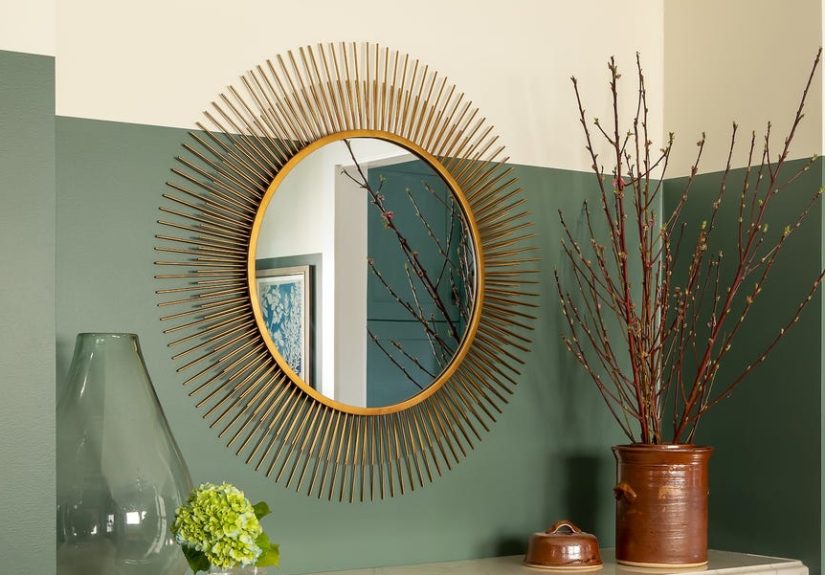
If you’re nervous, a small bathroom is your best friend. Designers love using jewel tones, dramatic greens, or nearly-black hues in powder rooms precisely because they’re experienced in short bursts. Pair a saturated color with good lighting, a beautiful mirror, and some polished metal fixtures, and you have a tiny room that feels like a boutique hotel.
Hallways, entries, and awkward corners
Long, narrow halls and odd transition spaces often look better drenched in color than painted white. Bold color turns them into connectors with personality instead of leftover space. An entry in rich green or burgundy, for instance, sets the tone for the whole home the moment you walk in.
Common Mistakes to Avoid When Going Bold
Bold paint is dramatic, but it doesn’t have to be dramatic in a “why did we do this?” way. Steer clear of these pitfalls designers see most often.
Choosing a color in isolation
Never pick a bold color from the paint chip wall and commit without testing it against your flooring, furniture, and lighting. Wood tones, tile, and countertops all have undertones that can clash or harmonize with saturated hues. Tape large samples directly over these surfaces so you can see how they play together.
Ignoring the ceiling
Leaving a bright white ceiling with bold walls can create a disconnect – sometimes the room looks shorter or the color feels chopped off. Even if you don’t color drench the ceiling, consider a softer white, a lighter version of your wall color, or at least a warmer hue that supports the overall palette.
Stopping at the walls
If you only paint the walls and keep bright white trim and doors, you miss part of the designer magic. Painting just the doors and trim to match the walls unifies the architecture and makes the whole look feel intentional instead of halfway there.
Skipping proper lighting
Bold paint without good lighting can feel dull or oppressive. Designers layer overhead lighting, wall sconces, table lamps, and even picture lights to bounce light off those saturated surfaces. Dimmers are extremely helpful; deep color looks especially beautiful at low, glowy levels in the evening.
Real-World Inspiration: How Bold Paint Looks in Practice
Designers and homeowners have been using this approach in wildly different styles of homes – from historic townhouses to modern condos. You’ll see:
- Black lounges where walls, trim, and even built-in bookcases are painted a rich black, warmed up with leather seating, brass lighting, and marble side tables.
- Green dining rooms with every surface cloaked in deep green, creating a lush backdrop for wood tables, woven chairs, and simple white dishware.
- Navy bedrooms with walls, doors, and radiators all in the same velvety blue, paired with crisp white bedding and warm wood nightstands.
- Berry-toned libraries where burgundy millwork and walls create an intimate, clubby feel perfect for reading and late-night conversation.
What these spaces share isn’t a specific color – it’s commitment. Rather than sprinkling in a little boldness, they lean all the way into a single idea and let paint carry the story.
What It’s Really Like to Live With Bold Paint: Experiences and Lessons
Bold, designer-approved paint might look stunning in photos, but what happens when the photoshoots are over and real life moves in? Here’s what many homeowners discover after they’ve lived with saturated color for a while – the good, the surprising, and the “wish we’d known that sooner.”
Lesson 1: The room feels smaller on paper, but bigger in person
One of the biggest fears people have before color drenching is that their room will feel tiny. Interestingly, a lot of homeowners report the opposite. Because the contrast lines between walls, trim, and ceiling soften, your eye no longer stops at every edge. The boundaries blur, and the room reads as one continuous envelope instead of a box. The square footage hasn’t changed, but the space often feels taller, deeper, and more intentional.
Is it “airy” in the same way a pale white room might be? Not exactly. But it can feel expansive in a different, more atmospheric way – like stepping into a movie scene rather than a blank page.
Lesson 2: Everyday clutter is less noticeable
Another pleasant surprise: bold paint can actually be forgiving. Toys, books, blankets, and chargers fade more easily into a saturated backdrop than against stark white walls. A navy, forest green, or charcoal room doesn’t show every scuff or smudge the way a bright white hallway might. That doesn’t mean you never clean the walls, of course – but life feels less “on display.”
Several homeowners notice they stop obsessing over tiny imperfections and focus more on how the room feels overall. Color drenching draws attention to big-picture mood instead of micro-details.
Lesson 3: Lighting becomes more important (in a good way)
If you’ve ever lived with bold walls under one lonely overhead light, you know how flat that can look. People who love their color-drenched rooms almost always mention lighting as the secret ingredient. Once the walls are dark and saturated, lamps and sconces suddenly matter more – and that’s often a blessing in disguise.
Folks who invest in layered lighting usually describe their rooms as cozier and more “finished” than before. A reading lamp next to the sofa, a warm-glow bulb in the entry, or a dimmer switch in the bedroom can transform that bold color from daytime drama to nighttime cocoon.
Lesson 4: Neutrals feel richer against strong color
You might worry that existing neutral furniture will look dull in a bold room. In reality, beige, cream, and gray often look better against saturated walls. Homeowners frequently find that sofas they once thought were boring suddenly feel luxe when framed by deep blue or green walls.
Wood tones also get a glow-up. Honey oak, walnut, and even light pine pick up warmth and depth when surrounded by strong color. Instead of fighting with the wood’s undertones, the bold paint can balance or complement them, giving older pieces new life.
Lesson 5: Guests notice – in a good way
Bold rooms are memorable. People tend to remember “the dark green dining room with the candlelight” or “the moody blue library” long after they’ve left. Homeowners often report that guests linger longer, ask more questions about the color, and describe the space as cozy, chic, or dramatic.
If you enjoy hosting, a designer-approved bold paint approach can quietly do some of the entertaining for you. The space tells a story before you’ve even served appetizers.
Lesson 6: You’ll probably get braver over time
Once you’ve successfully drenched one room, it’s common to feel bolder in other areas. Someone who starts with a small powder room might move on to a bedroom, then experiment with a deep shade in the dining room or on built-in cabinetry. The fear of “ruining” a space tends to fade once you realize paint is reversible and your home didn’t implode when you painted a room dark teal.
Many people say the biggest change isn’t just in their walls – it’s in how they think about design. Instead of asking “What will hurt resale the least?” they start asking “What kind of mood do I want to live in every day?” That mindset shift is very much in line with how designers approach color.
Lesson 7: The best bold rooms are personal, not perfect
Finally, almost everyone who truly loves their bold paint choices ends up embracing a bit of imperfection. Maybe the color reads slightly greener in morning light than they expected. Maybe the ceiling has a tiny roller mark. Maybe the shade isn’t trending on social media anymore. But the room feels like them, and that matters more.
Designers would call that a win: a home that reflects the people who live there rather than trying to imitate a showroom. When your bold paint approach is aligned with your personality and lifestyle, it stops feeling “risky” and just feels right.
Ready to Go Bold?
A designer-approved bold paint approach doesn’t require a huge budget, a full remodel, or a professional crew on standby. It simply asks for a bit of courage, a thoughtfully chosen color, and a willingness to paint more than just one “safe” wall.
Start small if you like: an entry in deep green, a powder room in blackberry, or a bedroom wrapped in moody blue. Play with sheen, layer in texture, and don’t forget the lighting. Before long, your once-neutral rooms can feel curated, cozy, and full of personality – the kind of spaces that look as if a designer walked through and quietly nodded in approval.