Table of Contents >> Show >> Hide
- Why This Kind Of Facebook Photography Page Works So Well
- 50 Of The Most Interesting Unspectacular Subjects To Admire
- What These Photos Teach Us About Creative Photography Inspiration
- Why We Keep Looking At Spectacular Photos Of Unspectacular Things
- The Experience Of Browsing A Page Like This
- Conclusion
Most photo pages chase the obvious crowd-pleasers: sunsets that look like they were baked by angels, mountain ranges with main-character energy, and cats who somehow know exactly where the best light is. But this Facebook page takes the opposite route. Instead of hunting for the grand, the rare, or the wildly cinematic, it celebrates the gloriously ordinary. The result is a collection of spectacular photos of unspectacular things that proves one very funny truth: the world is a lot less boring than it looks when you stop speed-walking past it.
That is the secret sauce here. These images do not rely on famous landmarks or bucket-list scenery. They lean on composition, timing, texture, color, mood, and the almost magical power of perspective. An empty box on a street can become mysterious. A spiderweb can look like architecture. A patch of snow can resemble handmade paper art. A dog can suddenly seem mythic, as if he is late for an appointment in a prestige drama. This is everyday objects photography at its best: humble subjects, elevated vision, and just enough visual drama to make you whisper, “Okay, fine, that trash can is actually gorgeous.”
Why This Kind Of Facebook Photography Page Works So Well
Part of the appeal is that mundane photography feels democratic. You do not need a passport, a helicopter, or a suspiciously expensive lens the size of a baguette case. You need attention. That is it. The beauty-in-the-mundane movement reminds viewers that creativity is not only about access; it is about noticing. When photographers frame ordinary things with intention, they turn the daily background noise of life into something memorable.
There is also a small emotional ambush built into these images. They are familiar, which makes them easy to enter, but they are photographed in a way that makes them feel new. That tension is satisfying. We recognize the subject immediately, yet we also feel slightly surprised by it. A parking lot puddle becomes a mirror. A kitchen sponge becomes a study in color and wear. A fire escape becomes geometry with attitude. The best photos on a page like this do not merely document objects; they reveal personality in places where most of us never thought to look.
And then there is the humor. Ordinary objects often carry accidental comedy. A bent traffic cone looks exhausted. A shopping cart parked alone in fog feels like it is reconsidering every choice it has ever made. A sad sandwich under fluorescent light can somehow communicate more about modern life than a hundred polished influencer breakfast photos. These images are beautiful, yes, but they are also clever. They wink at the viewer without needing to explain the joke.
50 Of The Most Interesting Unspectacular Subjects To Admire
- An empty cardboard box on the street becomes oddly poetic when the light hits it just right and the shadows do half the storytelling.
- A sleepy dog on an ordinary sidewalk suddenly looks noble, like a retired detective who has seen too much and still deserves a snack.
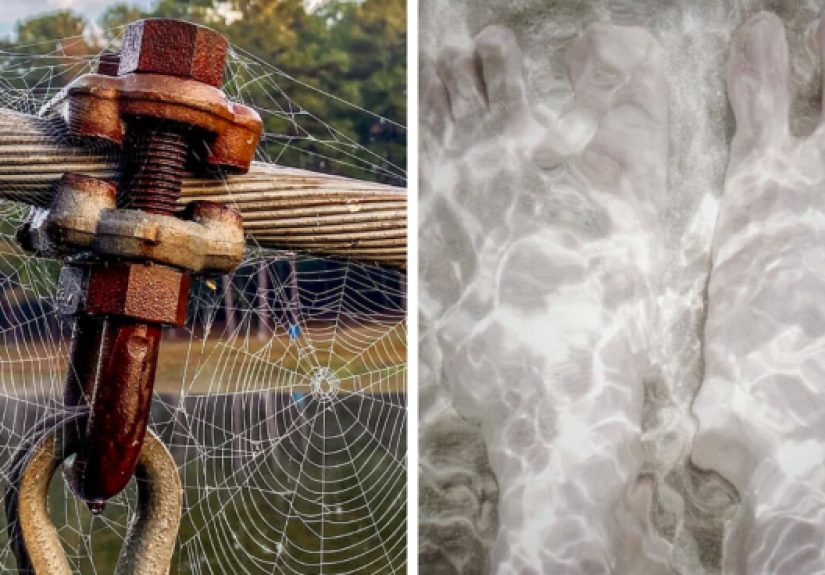
- A spiderweb beaded with dew turns into delicate engineering, proving nature has been flexing on human design all along.
- Snow gathered on a plain tree branch can resemble a paper cutout, which is exactly the kind of visual surprise that makes mundane photography sing.
- A shopping cart in a nearly empty lot feels cinematic, lonely, and weirdly philosophical for a thing designed to carry cereal.
- A puddle after rain gives the sky a second chance to impress people who forgot to look up the first time.
- A cracked sidewalk becomes a map, a timeline, and an accidental abstract painting all at once.
- A rusted mailbox offers texture, age, and character without trying nearly as hard as most people on social media.
- A row of plastic chairs can look like a minimalist sculpture show hosted by a discount furniture store.
- A lonely bus stop bench tells a whole story about waiting, routine, weather, and human patience.
- A grocery aisle at the wrong hour becomes a fluorescent dreamscape filled with order, excess, and snack-based temptation.
- A doorknob seems boring until side lighting reveals fingerprints, scratches, and years of anonymous daily life.
- A stack of newspapers looks dramatic when photographed close enough to turn edges and folds into landscape.
- A kitchen sponge becomes a tiny monument to labor, mess, and the noble tragedy of cleanup.
- A mop bucket in a hallway can carry more mood than a staged studio shot if the reflections are working overtime.
- A coffee stain on a table reads like accidental modern art, complete with mystery, texture, and unplanned symbolism.
- An old shoe by the curb triggers questions immediately, which is exactly how a small object earns big visual power.
- A garden hose coiled in the yard can look sculptural, especially when color and shadow start cooperating.
- A receipt crumpled in sunlight turns disposable clutter into a delicate study of line and translucence.
- A chipped mug on a windowsill feels personal, lived-in, and somehow more relatable than a spotless designer kitchen.
- A radiator becomes all pattern and rhythm when photographed straight-on with a little patience and a lot of winter mood.
- A chain-link fence transforms into graphic repetition, especially when focus turns the background into soft suggestion.
- An extension cord snakes across a floor with enough visual confidence to look deliberate and artistic.
- A cereal bowl left in the sink says more about real life than a perfectly styled brunch spread ever could.
- A traffic cone becomes unexpectedly expressive, especially when weather and location make it look mildly inconvenienced.
- A fire escape gives photographers lines, depth, urban texture, and just a hint of movie-poster energy.
- A laundry basket full of unfolded clothes is chaos, but the good kind: colorful, real, and weirdly intimate.
- A parking meter can feel almost heroic when isolated against a blank background and photographed from below.
- A sewer grate offers symmetry and grit, which is the visual equivalent of wearing work boots with confidence.
- Peeling paint on a wall becomes pure texture, the kind that makes viewers lean closer and pretend they always appreciated surface detail.
- A supermarket basket can feel strangely graphic when repeated in rows, like pop art made for errands.
- A broom leaning in a corner turns into a minimalist still life with posture, purpose, and accidental elegance.
- A refrigerator magnet collage says more about a household than most formal portraits manage in one try.
- Window blinds create light stripes that can make the simplest room feel noir-adjacent in seconds.
- A pile of leaves by a curb becomes richer when photographed for shape and color rather than “leafness,” which is a real technical term now.
- An umbrella stand in an entryway turns into a portrait of weather, routine, and low-key domestic suspense.
- An orange peel on a plate can look almost luxurious when the curl catches warm light.
- A warehouse pallet becomes about repetition, form, and the strange beauty of useful things doing their job.
- Crosswalk lines can feel like bold graphic design when framed tightly and allowed to dominate the image.
- A stapler on a desk is the office equivalent of a character actor: never flashy, always reliable, surprisingly photogenic.
- Dust gathering on a shelf becomes evidence of time, which is one of photography’s favorite subjects whether we admit it or not.
- An abandoned toy in the yard hits the emotional center a little harder than expected, because ordinary objects are excellent memory traps.
- A row of lockers gives structure, repetition, and just enough nostalgia to make viewers remember combination codes they have not used in years.
- A paper cup on a sidewalk can become a study in color contrast, loneliness, and urban storytelling.
- A dish rack after dinner turns domestic routine into shape, shine, and tiny acts of order after chaos.
- A stack of takeout containers becomes modern anthropology with a side of leftovers.
- A neon reflection in a puddle proves that ordinary things often become extraordinary when they borrow someone else’s light.
- A plain sandwich can look deeply serious if shot with enough dramatic shadow, which is unfair but effective.
- A single chair in a patch of sunlight becomes theater with no actors, only mood.
- A half-open gate creates tension instantly because even the most average object becomes interesting when it suggests movement or mystery.
What These Photos Teach Us About Creative Photography Inspiration
The biggest lesson is that subject matter is only half the story. Light, viewpoint, distance, framing, and timing often matter more than the object itself. That is why ordinary things photographed beautifully feel so satisfying. The photographer did not rely on spectacle to do the heavy lifting. They made choices. A lower angle can make a dull object feel important. Backlight can turn transparent junk into glowing color. Tight framing can strip an object of context and force viewers to see its texture, shape, or emotional oddness.
These photos also reward patience. The same cardboard box that looks forgettable at noon may look dramatic at sunset. The same stairwell can feel flat in one frame and cinematic in another depending on shadow, weather, or the presence of a single human trace. Mundane photography is not lazy photography. It is often more demanding because the photographer cannot hide behind a naturally stunning subject. When the object is simple, the craft has to show up early and do all the work.
Another reason this style lands so well online is authenticity. Audiences are tired of polished sameness. They have seen enough drone shots, enough staged breakfasts, enough “accidental” luxury. A well-made image of a grocery cart, a wet street, or a kitchen counter feels refreshing because it belongs to real life. It says beauty is available now, not after you book a flight or buy a better personality through home decor.
Why We Keep Looking At Spectacular Photos Of Unspectacular Things
These images are not just pretty; they are validating. They suggest that ordinary life is worthy of attention. That matters. Most of us spend the majority of our time in familiar environments: sidewalks, kitchens, parking lots, offices, bus stops, hallways, neighborhoods that rarely show up on postcards. When a photographer turns those places into compelling visual stories, it changes how viewers relate to their own routines. Suddenly, the everyday feels less disposable.
There is also a quiet comfort in seeing common objects taken seriously. The best everyday objects photography does not mock the mundane. It honors it. It notices wear, use, repetition, and survival. A scuffed chair, a weathered wall, a fogged window, or a worn stair rail all carry traces of human life. That is what makes these images stick. They are about objects, but they are really about us.
The Experience Of Browsing A Page Like This
There is a very specific experience that happens when you start scrolling through a page devoted to unspectacular subject photography. At first, you think you are just killing time. You expect a few clever images, maybe a couple of nice textures, maybe a dog if the algorithm has mercy. Then, somewhere between a photo of a puddle that looks like a portal and a deeply emotional image of a folding chair in afternoon light, something shifts. Your brain slows down. You start paying attention in a different way.
That is what makes this kind of page so effective. It retrains your attention without announcing itself like a life coach with a ring light. After a while, you stop seeing the images as “just photos of random stuff” and start noticing how much feeling can be packed into routine objects. A bent sign can look tired. A row of mailboxes can feel like a neighborhood biography. A supermarket freezer door can look almost futuristic if the reflections are right. The viewing experience becomes less about judging what is worth photographing and more about realizing how much visual material everyday life has been quietly hoarding from you.
It can also make your own daily world feel richer. After spending time with this kind of content, many viewers begin to notice details they normally filter out. The steam rising from a takeout container. The shape of rain on a windshield. The accidental color palette of cleaning supplies under the sink. The tiny theater of shadows on an apartment wall at 5:30 p.m. This is not dramatic in the blockbuster sense, but it is deeply satisfying. It makes normal routines feel less like filler and more like texture.
There is an emotional side to that experience, too. Spectacular photos of unspectacular things often spark memory. A plain mug may remind you of your grandmother’s kitchen. A cracked school locker may pull you straight back to adolescence whether you asked for that trip or not. A plastic lawn chair in summer light can feel like childhood, family cookouts, and mosquito season bundled into one image. Because the subjects are common, they are easy to personalize. Viewers do not have to learn the object; they already know it. They just get to feel it differently.
And maybe that is the most interesting part of all. This kind of page is not merely a gallery of clever photography. It is a small rebellion against the idea that only the extraordinary deserves attention. It suggests that the everyday is not empty, only under-observed. Once you spend enough time with these images, the world outside your screen starts looking slightly more alive. The cardboard box has better posture. The sidewalk puddle has ambition. The grocery cart has lore. And honestly, that is a pretty great gift from a Facebook page.
Conclusion
This Facebook page works because it understands something both simple and profound: beauty is not rare, but attention is. By turning ordinary subjects into arresting images, it reminds viewers that creativity is often less about finding better things and more about seeing familiar things better. That is why these photos resonate. They are funny, thoughtful, visually clever, and oddly moving. They prove that mundane photography is not a lesser form of art. It is a harder one, and when it works, it feels like a magic trick performed with cardboard, rainwater, kitchen tools, and patience.
So yes, the page shares spectacular photos of unspectacular things. But the real spectacle is the shift in perspective it creates. After seeing enough of these images, you may never look at a broom, a bench, a puddle, or a badly parked shopping cart the same way again. And that is probably for the best. The world has enough people chasing only the obvious. It could use more people noticing the weird little brilliance of ordinary life.