Table of Contents >> Show >> Hide
- Why Westchester Is Basically the Perfect Backdrop for Eclectic Vintage Style
- A Real-World Inspiration: Cottagecore Meets Whimsy, Powered by Vintage
- The “Eclectic, Not Chaotic” Formula
- How to Use Vintage Finds Without Turning Your Home Into a Storage Unit
- Mixing Patterns and Eras: The Shortcut to Eclectic Flair
- Room-by-Room: How to Bring the Look Home
- Common Eclectic Mistakes (and How to Fix Them Fast)
- The Real Win: A Home That Feels Like You
- Experience: A Saturday of Vintage Hunting and Styling, Westchester Edition (Extra)
- Conclusion
Some homes are decorated. This one is collectedlike a great playlist, a well-stamped passport, or that drawer everyone has that’s basically
“miscellaneous memories with excellent vibes.” Tucked in Westchester, New Yorkclose enough to the city for good bagels, far enough for actual treesthis
kind of space doesn’t try to look like a catalog. It looks like a life.
The magic isn’t about having the biggest budget or the trendiest sofa. It’s about layering vintage finds, mixing styles with confidence, and letting
every room tell a story. Think: antique wood that’s lived a few centuries, hand-painted lamps with “I found this on vacation” energy, and ceramics that
make even Tuesday night takeout feel like a dinner party. The result? Eclectic flair that feels warm, personal, andmost importantlytotally livable.
Why Westchester Is Basically the Perfect Backdrop for Eclectic Vintage Style
Westchester homes often sit at the intersection of old and newhistoric architecture and fresh renovations, family routines and creative expression.
That makes it the ideal setting for an interior style that thrives on contrast: vintage + modern, practical + whimsical, curated + “I couldn’t leave it
behind.”
Eclectic design works best when it reflects the people who live there. In this Westchester story, the look is informed by heritage, travel, and the kind
of day-to-day reality that includes family life, pets, and meals that happen at the kitchen table (even when you swore you’d start using the dining room
“more often”). The key is balance: a home that’s visually interesting but never precious.
A Real-World Inspiration: Cottagecore Meets Whimsy, Powered by Vintage
One of the most charming examples of “eclectic but grounded” comes from a Westchester condo designed with a strong point of view: lots of vintage,
plenty of personality, and a layout that supports real living. The vibe blends storybook softness (hello, cottagecore) with old-world details, and it’s
packed with treasures that feel meaningfulnot random.
The kitchen that doubles as a mood board
In a truly collected home, the kitchen isn’t just for cookingit’s where style gets to be practical. Open shelves hold cookbooks, vintage mugs, and
pieces you actually use, which is the secret to avoiding the “museum” effect. A coffee bar becomes a mini gallery of everyday favorites, and even the
walls get in on the fun: hanging plates turn functional objects into art.
Want to steal this idea? Start with one display zoneone shelf, one ledge, one section of walland commit to it. Then let it evolve. A good eclectic
home isn’t built in a weekend. It’s built in chapters.
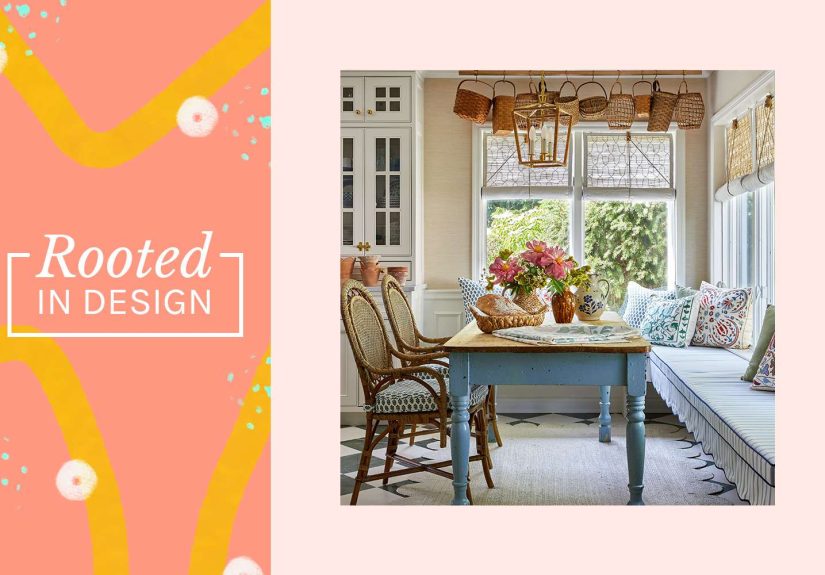
A dining table with a 19th-century backbone
Anchor pieces matter. In this Westchester space, an antique English pine farm table brings weight (literally and visually) and keeps the whimsy from
floating away. A table like that instantly signals: “We eat here. We live here. We’re not afraid of crumbs.”
The best part about genuine vintage wood? It’s already survived a lot. A few new scratches won’t ruin itthey’ll join the autobiography.
An entryway that greets you like a tiny gallery
First impressions count, and an entry is the perfect spot to showcase smaller vintage pieces. Think framed botanicals, old prints, or anything that
makes you smile before you’ve even taken your shoes off. The trick is to keep the backdrop calm so your vintage finds can be the main characters.
The “heirloom island” effect: one custom piece that grounds everything
Eclectic doesn’t mean everything has to be a thrift-store jackpot. Sometimes the smartest move is one custom piecelike a kitchen islandthat anchors the
room and makes the layered decor feel intentional. When the big items are solid, the smaller vintage moments can be playful.
Warmth in the details: baskets, ceramics, and collected texture
Texture is the unsung hero of eclectic interiors. Vintage baskets overhead, handmade pottery, and layered textiles add depth without making the room feel
“busy.” These aren’t just decorationsthey’re materials that soften a space and make it feel welcoming. The result is that cozy, “come in and stay a
while” feeling you can’t fake with matching sets.
The “Eclectic, Not Chaotic” Formula
Eclectic homes look effortlessright up until you try it yourself and suddenly your living room resembles a tag sale with ambitions. The good news: there
are a few simple rules that keep eclectic decor feeling curated.
1) Start with a calm foundation
Eclectic style loves contrast, but it also needs somewhere to rest. A neutral wall color, consistent flooring, or a steady base of natural materials
(wood, linen, rattan, stone) keeps the room from visually shouting. Once you have a calm background, the vintage pieces read as intentional highlights.
2) Mix textures like it’s your job
Eclectic interiors come alive when you combine rough + smooth, matte + glossy, soft + structured. Pair a polished metal lamp with a weathered wood table.
Add a nubby throw to a sleek chair. Layer a vintage rug under something more modern. Texture is what makes a space feel dimensional instead of flat.
3) Repeat a few “connectors”
Your connectors can be:
- A color family (warm whites + greens + hints of blue)
- A finish (brass, black iron, natural oak)
- A shape (arched frames, rounded ceramics, spindle legs)
- A motif (botanicals, stripes, folk patterns)
Repeating connectors makes mixed pieces feel like they belong togethereven if they came from different decades, countries, or your aunt’s basement.
4) Start small and build
If you’re new to vintage decorating, don’t begin by trying to “redo your whole house.” Begin with a shelf vignette, a mantel, a bedside table, or a
gallery wall cluster. Small surfaces are training wheels for eclectic styleand they’re much easier to edit when you change your mind (which you will,
because you’ll find something cooler next week).
How to Use Vintage Finds Without Turning Your Home Into a Storage Unit
A vintage-forward home should feel layered, not cluttered. Here’s how to keep the charm and lose the chaos.
Curate collections instead of collecting everything
A collection is focused. It has a “rule.” Maybe it’s hand-painted plates. Maybe it’s brass candlesticks. Maybe it’s framed botanicals. The point is
cohesion. When you group similar items together, your eye reads it as intentional design rather than “I have a shopping habit and a dream.”
Use thrifted pieces in unexpected ways
One of the most stylish tricks is giving a secondhand object a new job. Hang plates on the wall. Frame a textile. Use a vintage tray to corral coffee
supplies. Turn old glassware into bud vases. When you repurpose pieces creatively, you get the one-of-a-kind look without needing one-of-a-kind money.
Thrift like a designer (aka: with a plan)
Walking into a thrift store without a plan is how you end up with a ceramic duck you don’t even like. Try this instead:
- Make a short list (frames, small lamps, bowls, baskets).
- Measure first (your shelf depth is not a suggestion).
- Prioritize condition where it matters (upholstery and wiring).
- Be pickyleave “almost right” behind.
Online vintage shopping without regrets
Facebook Marketplace, Etsy, and resale apps can be goldmines, but the secret is specificity. Search for exact terms (brand names, eras, materials), set
alerts, and expand your radius if you’re hunting for a statement piece. Save items you likeeven if you won’t buy themso the algorithm learns your
taste. Yes, you are basically training a robot to bring you vintage chairs. Welcome to the future.
Mixing Patterns and Eras: The Shortcut to Eclectic Flair
Pattern mixing is what takes a room from “nice” to “personality-rich.” The key is to make pattern feel like a conversation, not an argument.
Pick a palette, then play inside it
Choose two to three main colors and a couple supporting neutrals. From there, you can mix florals with stripes, checks with botanicals, or traditional
prints with modern geometry. When your colors connect, your patterns can disagree politely.
Let one print be the lead singer
If you’re nervous, choose one “hero” pattern (a vintage rug, a bold wallpaper, a floral curtain) and keep everything else as backup vocals: smaller
prints, simpler motifs, quieter colors. The room stays dynamic without becoming exhausting.
Room-by-Room: How to Bring the Look Home
Entryway
Start with one vintage mirror (instant character), add a small lamp, then hang two to four framed pieces that share a connector (color, frame finish, or
theme). A basket underneath is both storage and textureeclectic style loves multitaskers.
Kitchen
Swap sterile accessories for warm, collected ones: vintage canisters, old cutting boards, copper pans, thrifted art. If you have open shelving, curate a
small set of mismatched-but-cohesive mugs or bowls. The goal is “lived-in,” not “showroom.”
Dining nook
This is where eclectic homes shine: mix chair styles, hang a small plate wall, and use textiles for softness (a patterned cushion, a vintage tablecloth,
a runner). If your table is vintage wood, lean into itdon’t cover it up like it’s in trouble.
Living room
Keep your largest seating piece simple, then layer around it. Add one vintage side table, a rug with history, and a mix of pillows that repeat your
palette. Finish with art that feels personal: prints, thrifted frames, photos, or even objects mounted like art.
Bedroom
Eclectic bedrooms feel cozy when you blend textiles: quilt + crisp sheets + a patterned throw. A vintage nightstand adds charm, and a small lamp (even if
mismatched) makes the room feel human. The best bedrooms look like someone actually sleeps thereand not just for social media content.
Patio or balcony
Vintage decor isn’t indoor-only. Use old vessels for plants, thrifted lanterns for warm light, and a small outdoor rug to make the space feel finished.
Eclectic outdoor spaces are basically permission to be a little whimsical. Take it.
Common Eclectic Mistakes (and How to Fix Them Fast)
- Mistake: Too many competing focal points. Fix: Choose one hero per room (rug, art wall, statement light).
- Mistake: Everything is “special,” so nothing stands out. Fix: Add negative spaceleave a shelf partially empty.
- Mistake: Random color chaos. Fix: Repeat two colors in at least three places each.
- Mistake: Vintage overload. Fix: Mix in modern basics to give your eye a break.
The Real Win: A Home That Feels Like You
The point of vintage finds and eclectic flair isn’t to impress strangers. It’s to create a home that supports your life and reflects your storyyour
roots, your travels, your taste, your sense of humor. When you do it right, the space feels warm, layered, and personal… like it’s giving you a hug the
second you walk in.
And if anyone asks, “Where did you get that?” you get to say the most satisfying sentence in home decor: “Oh, it’s vintage.” (Then pause dramatically
like you’re in a movie. Optional, but recommended.)
Experience: A Saturday of Vintage Hunting and Styling, Westchester Edition (Extra)
If you want to understand why eclectic, vintage-filled homes feel so alive, don’t start with a mood board. Start with a Saturday. The kind where you
leave the house with coffee in hand, a tape measure in your bag, and just enough optimism to believe you’ll find “the perfect thing” without buying five
imperfect things first.
The experience usually begins the same way: you tell yourself you’re only looking for frames. Maybe a small lamp. Nothing big. Then you walk into a shop
and spot a set of ceramic plates with a hand-painted pattern that looks like it has stories. You don’t even know what you’d do with them, but you can
already picture them on a wall, turning a plain corner into a tiny celebration. That’s how vintage gets youquietly, then all at once.
As you browse, you start noticing the difference between “old” and “good.” Good has weight, texture, and a certain calm confidence. A wooden table with a
worn edge doesn’t look damaged; it looks proven. A brass candlestick doesn’t look outdated; it looks like it belongs in a room with low music and warm
light. You’re not just buying objectsyou’re adopting atmosphere.
The best part is the editing you do in real time. You pick something up and ask three questions:
- Will I use it? (If not, can it earn its place by being genuinely beautiful?)
- Does it connect? (Color, material, shapesomething has to tie it to your home.)
- Am I excited? (Not “it’s fine,” but “oh wow, yes.”)
Later, back at home, the second half of the experience starts: styling. This is where eclectic design becomes less about shopping and more about
storytelling. You don’t dump everything on a shelf and hope for the best. You “audition” pieces. A vintage tray might become the landing spot for keys.
A small painting might look better leaning on a bookshelf than centered on a wall. Plates might get arranged on the floor first, like you’re planning a
tiny art exhibit, before you commit to hanging them.
And then something clicks: the room feels warmer, more personal, more youwithout being louder. That’s the secret thrill of eclectic vintage style. Each
new find doesn’t just fill space. It adds a layer. A memory. A little spark. Even if you only came home with one lamp and two frames (plus, okay, the
plates), you’ve moved your home one step closer to that collected, charming, “this couldn’t belong to anyone else” feeling.
Conclusion
A Westchester home brimming with vintage finds and eclectic flair isn’t built by following strict rulesit’s built by choosing pieces with character,
layering them with intention, and letting your space evolve. Start with a calm base, mix textures, repeat a few connectors, and collect slowly. The
result is a home that feels inviting, expressive, and beautifully lived-inexactly the way a real home should.