Table of Contents >> Show >> Hide
- Meet the Man Behind the Tiny Superstars
- The Star of the Show: The European Hamster
- How Do You Photograph Wild Hamsters for 10 Years?
- Why These 30 Hamster Photos Feel So Magical
- Ethical Wildlife Photography: Cute, But Never at the Animal’s Expense
- What We Learn from 10 Years with Wild Hamsters
- How to Try Your Own “Hamster-Level” Wildlife Photography
- Experiences and Lessons from a Decade with Wild Hamsters (Bonus )
- Conclusion: Small Animal, Big Story
If someone told you that one of the most dedicated wildlife photography projects in Europe involved
a tiny, chubby-cheeked creature that looks like it escaped from a kid’s bedroom, you might not guess
“wild hamsters.” Yet that’s exactly what an Austrian wildlife photographer did: he spent a full decade
tracking, watching, and photographing wild European hamsters in their natural habitat, slowly building
a portfolio that looks like a Disney movie filmed in a meadow.
These are not pet-store hamsters on a studio set. They are European hamsterscritically endangered,
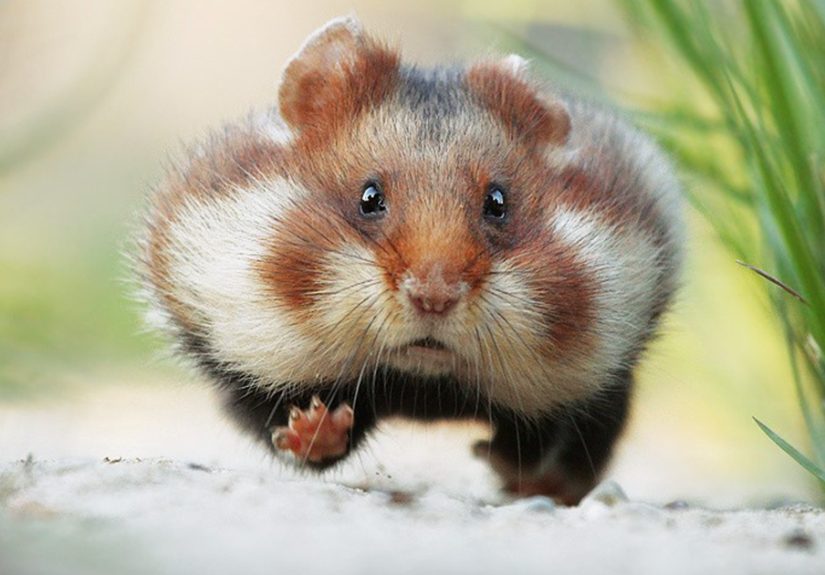
wild-living animals that pop out of burrows at dawn and dusk, stuff their cheeks with clover, and sprint
through fields like they’re late for rodent rush hour. Over 10 years, the photographer waited for the right
light, learned individual animals’ routines, lay flat in wet grass for hours, and came home with some of the
most charming hamster pictures the internet has ever seen.
In this article, we will walk through the story behind this 10-year project, explore what makes these
“best 30 pictures” so irresistible, and pull out practical wildlife photography lessons you can apply
even if the only wildlife in your life is a squirrel behind your apartment or the neighbor’s very dramatic cat.
Meet the Man Behind the Tiny Superstars
The photographer behind these viral wild-hamster images is Austrian wildlife photographer Julian Rad,
well known for his whimsical portraits of small animals like squirrels, mice, and, of course,
the European hamster. His work often blends technical skill with a playful sense of humor:
hamsters frozen mid-sprint, tiny paws clasping a flower, or a round little body emerging from the grass
like a furry sunrise.
Rad’s hamster images did not happen by accident or on a single lucky afternoon. Over roughly 10 years,
he revisited the same habitats season after season, learning where the burrows were, when the hamsters
appeared, and how close he could get without stressing them out. The result is a body of work that does
more than go viralit humanizes (hamster-izes?) a species most people never realize exists in the wild,
and it quietly hints at the conservation story behind those adorable cheeks.
His work has also been recognized in international competitions, including a famous shot of a hamster
sprinting through grassoften nicknamed “Rush Hour”that became a fan favorite in comedy-wildlife circles.
It is proof that you can respect your subject, follow ethical rules, and still capture genuinely funny,
emotionally powerful animal portraits.
The Star of the Show: The European Hamster
So what exactly are we looking at in those 30 pictures? Not the common pet hamster, but the
European hamster (Cricetus cricetus), also called the common hamster or black-bellied
hamster. Unlike tiny Syrian or dwarf hamsters kept as pets, this species is much largerabout the size of
a guinea pigwith brown fur on top, a dark belly, and bold white patches around its body.
Historically, European hamsters lived across a wide swath of Eurasia, from parts of Western Europe through
Central and Eastern Europe and into Russia. They dug complex burrow systems in farmlands and meadows,
storing seeds and roots in underground larders that could weigh several pounds. Their cheek pouches work
like built-in grocery bags, allowing them to shuttle food below ground quickly.
Today, however, this wild hamster is in serious trouble. Habitat loss, intensive agriculture, urbanization,
and persecution have driven dramatic population declines in many countries. Conservation assessments now
list the European hamster as critically endangered across its global range, with some regions
reporting losses of more than three-quarters of the species’ former distribution. Captive breeding projects
and reintroduction programs in countries like France, Germany, and Ukraine are racing to keep this
small mammal from disappearing entirely.
That is part of what makes this 10-year photo project so meaningful: it is not just a gallery of cute
pictures; it is an unexpected window into a species that may vanish from the wild within a few decades
if conservation efforts fail. The images give people a faceand very expressive whiskersto care about.
How Do You Photograph Wild Hamsters for 10 Years?
Photographing wild hamsters is not as simple as strolling into a park and yelling,
“Say cheese!” These animals are shy, fast, and mostly active at dawn and dusk. To capture them
without disturbing their natural behaviors, a photographer has to think like a field biologist
and move like a ninja with a camera.
Step 1: Learn the Hamsters’ Schedule
European hamsters are crepuscular, meaning they are most active in the early morning and late evening.
That magically lines up with the “golden hours” of photography. The photographer spent season after
season observing burrow entrances, noting which hamsters emerged when, and adjusting his schedule
accordingly. Morning sessions might start before sunrise and go on until the sun climbed too high,
while evening shoots stretched from late afternoon into dusk.
Over time, this consistent presence allowed him to anticipate behavior: which hamster usually paused
to sniff the air, which one liked to stand upright to scan the meadow, which individual always seemed
to be in a hurry with cheeks packed full of food.
Step 2: Get Low, Stay Still, and Think Like a Hamster
One of the reasons these 30 images feel so intimate is the low angle. Instead of shooting from human
eye-level, the photographer dropped all the way down to hamster-height. That perspective places the viewer
directly in the animal’s world: blades of grass become towering forests, flowers loom like trees, and
the hamster looks like the main character instead of a tiny dot in the landscape.
To get those angles, he often lay prone on the ground, sometimes for long stretches, letting the animals
get used to his presence. A telephoto or telephoto-macro lens helped him maintain respectful distance while
still filling the frame with the hamster’s face, fur texture, and delicate paws.
Step 3: Patience Is the Real Camera Gear
The secret ingredient is not a fancy camera bodyit is patience. Wild animals do not operate on a shot list.
Some days the hamsters do not appear at all. On others, they emerge only briefly, then vanish at the faintest
sound or movement. A 10-year project means thousands of hours in the field, many of them “empty” in terms of images
but crucial for understanding the animals and building trust.
That patience shows in the photos: a hamster peeking up at just the right angle, catching the very edge of sunrise;
another balanced on hind legs, tiny paws wrapped around a flower; another sprinting across a path, every whisker
sharp and clear. Those are not random snapshotsthey are the payoff of long-term observation.
Why These 30 Hamster Photos Feel So Magical
The “best 30 pictures” from this project are more than a highlight reel. Together, they tell a story about
the day-in-the-life of wild hamsters and the personality packed into their tiny bodies. Several visual themes
make them stand out.
1. Eye-Level Connection
In many of the shots, the hamster is looking directly toward the camera, its eyes bright and reflective.
That eye contact creates an instant emotional connection, making viewers feel like they are sharing a secret
moment with the animal. For wildlife, eyes are everything: they are where we look for curiosity, fear, calm,
or mischief.
2. Tiny Hero, Big Environment
Other images emphasize scalethe hamster dwarfed by tall grasses, wildflowers, or seed heads. This contrast
makes the animal look even more vulnerable and endearing, reminding us that this species survives in a world
that is increasingly shaped by human agriculture and development. A single stalk of clover can look like a tree
when you are hamster-sized.
3. Storytelling Moments
The best wildlife images often suggest a story in a single frame. Maybe the hamster is mid-chew, crumbs on its whiskers.
Maybe it is pausing on a dirt path, clearly deciding whether to dash or retreat. Maybe it is stretching up
to sniff a flower as if auditioning for a nature documentary. Each of those moments feels like a still from an unseen film,
and viewers’ imaginations happily fill in the rest.
4. Light That Feels Like a Fairy Tale
The photographer often works in warm, low-angle lightthe golden glow that happens just after sunrise or right
before sunset. That light wraps the hamster’s fur, creates soft bokeh in the background, and turns ordinary
meadows into cinematic sets. Combined with the subject matter, it gives the series a gentle, almost dreamlike feel.
Ethical Wildlife Photography: Cute, But Never at the Animal’s Expense
With photos this adorable, it is important to emphasize how they are made. Responsible wildlife photography
always puts the animal’s well-being first. That means:
- Maintaining a safe distance and using longer lenses instead of crowding or cornering animals.
- Never baiting, feeding, or luring wildlife just to get a shot.
- Avoiding flash or loud shutter noise that could startle sensitive species.
- Moving slowly and quietly, backing off at any sign of stress or alarm.
- Respecting burrows, nests, and sensitive habitatsno trampling, digging, or “cleaning up” nature.
Over 10 years, the hamster photographer had to play a long game: by being predictable, calm, and non-threatening,
he allowed the animals to behave naturally. The result is a portfolio that feels intimate but never invasive
exactly the balance ethical wildlife photographers strive for.
What We Learn from 10 Years with Wild Hamsters
At first glance, a gallery of hamster photos is just pure internet joy. Look a little closer, and the project
becomes a miniature case study in conservation storytelling and slow, focused creative work.
On the conservation side, every image quietly counters the idea that small animals are expendable. Wide, glossy
eyes, delicate paws, and nervous little poses trigger empathy. People who had no idea wild hamsters existed now
see them as individuals with lives to live and burrows to run. That emotional shift is often the first step toward
caring about policy, habitat protection, and funding for conservation.
On the creative side, the project is a reminder that you do not need to chase every subject under the sun.
Focusing deeply on one speciesreally learning its habits, rhythms, and quirkscan lead to more original,
recognizably “yours” images than hopping from one trend to another. Ten years with wild hamsters produced a body
of work that no one else could have made in a weekend.
How to Try Your Own “Hamster-Level” Wildlife Photography
You probably will not be tracking European hamsters in Austrian meadows next weekend, but the principles behind
those 30 pictures apply to almost any small wildlife subjecturban squirrels, rabbits, garden birds, chipmunks,
or even insects in your backyard.
Choose One Local Species to Obsesses Over (In a Good Way)
Start by picking a common, local species you can see regularly. The more often you can observe it, the faster
you will learn its favorite perches, feeding spots, and escape routes. The hamster photographer did not find
magic creatures; he found ordinary ones and showed them in extraordinary ways by paying attention.
Practice the “Low and Slow” Technique
Get down to your subject’s levelliterally. Kneel, sit, or lie flat to bring your lens closer to their eye-line.
Move slowly, and avoid making direct, fast approaches. Let the animal get used to your presence. If it starts
to glance nervously, flick its tail, or move away, that is your cue to pause or back up.
Work with Natural Light
Aim for early morning or late afternoon when the light is soft and directional. Turn off flash whenever possible,
especially with small or nocturnal animals. Side light can emphasize fur texture, whiskers, and the gentle curve
of a hamster-style round body. Backlighting can turn grasses and fur into glowing outlines.
Tell Mini Stories with Each Frame
Think in terms of moments: a bird mid-hop between branches, a squirrel pausing with an acorn, a rabbit testing
the air for danger. Frame your shots so the viewer can guess what happened right before and right after you
pressed the shutter. That is the storytelling magic that made those hamster images feel like scenes from a tiny,
rodent-led movie.
Experiences and Lessons from a Decade with Wild Hamsters (Bonus )
Imagine committing to one subject for 10 years. Not a world tour of big cats or a safari checklist, but a small,
striped-faced rodent that lives its life a few inches off the ground. That is the kind of devotion this hamster
project representsand it offers a lot of practical wisdom for photographers thinking about long-term work.
First, you learn that “being there” beats everything. Gear changes, camera models come and go, but field time
cannot be shortcut. Over a decade, the photographer experienced brutal early mornings, surprise rain showers,
failed batteries, and countless hours when nothing at all happened. Yet those quiet, “uneventful” sessions built
the baseline knowledgewhere burrows were located, how the grass changed with the seasons, when the animals
were most relaxedthat made the great images possible.
Second, you develop a relationship with a place. Many European hamsters live in surprising habitats, including
cemeteries and urban edges, where grassy strips and undisturbed corners provide just enough cover.
Visiting the same locations repeatedly sharpens your eye. You start to recognize individual animals not
just by size or markings, but by behavior: the bold one that comes out first, the cautious one that tests
the air for minutes before committing to a full emergence.
Third, you learn to balance ambition with respect. Every wildlife photographer feels the tug to get “just a bit closer”
or to wait “just a bit longer” near a burrow. Ten years in the field forces you to confront those impulses and
set clear, personal rulesno baiting, no blocking escape routes, no surrounding burrows, no chasing.
When you know you will be back week after week, year after year, you can afford to leave some images on the table
in order to protect the animals’ well-being.
Fourth, you discover how the public responds to small, unfamiliar species. When the first hamster images were shared
online, many people were surprised that wild hamsters exist at all. Comments often sounded like,
“I thought hamsters were only pets!” or “I had no idea they lived in fields and cemeteries.”
By consistently posting these portraits, the photographer quietly educated an audience that might never
open a formal conservation report but will gladly share a cute photo with friends.
Fifth, you realize that long-term projects are emotionally rich. Ten years means watching generations come
and gojuveniles emerging in spring, adults disappearing by the following year, burrows abandoned and new ones dug.
It is impossible not to feel invested in the fate of both individual animals and the species as a whole.
That emotional connection deepens the work: it shows up in the care given to composition, timing, and storytelling.
Finally, you learn to embrace imperfection. Even a world-class hamster photographer has plenty of outtakes:
motion blur, missed focus, awkward poses, or an amazing moment blocked by a rogue blade of grass.
Over a decade, though, you see that the “failures” are an essential part of the process. They teach you when
to adjust your settings, how to anticipate behavior better, and when to stop shooting and simply watch.
If you decide to start your own long-term wildlife project, let this hamster story be your blueprint:
pick a species close to home, commit to following it through the seasons, set strong ethical boundaries,
and give yourself permission to grow slowly. In a few years, you may find that the world has shiftedfrom a place
full of generic “animals” to a landscape populated by individuals with habits, personalities, and stories you can
recognize at a glance. And if your chosen subject also has round cheeks and dramatic whiskers, well, that certainly
doesn’t hurt your chances of going viral.
Conclusion: Small Animal, Big Story
“This Wildlife Photographer Spent 10 Years Photographing Wild Hamsters, And Here Are His Best 30 Pictures”
is more than a catchy headline. It is a reminder that some of the most powerful wildlife stories are not
about lions or polar bears, but about small, easily overlooked creatures trying to survive in a rapidly
changing world. By committing to a single, endangered species and photographing it with patience, empathy,
and humor, this photographer turned a little-known rodent into an internet iconand, more importantly,
into a conservation ambassador.
Whether you are a photographer, a nature lover, or just someone who enjoys a good dose of cuteness in your feed,
there is something inspiring here: start small, look closely, show up consistently, and tell stories that make
people care. Sometimes, the path to big impact runs straight through a tiny burrow in a quiet field,
where a wild hamster is busy stuffing its cheeksunaware that it is about to become the star of the internet.