Table of Contents >> Show >> Hide
- Why “Three Herbs” Works (It’s Not Just for the Vibes)
- Ingredients
- Equipment
- Step-by-Step: Three-Herb Chicken and Mushrooms
- Key Techniques (So Your Skillet Doesn’t Betray You)
- Variations and Substitutions
- What to Serve With Three-Herb Chicken and Mushrooms
- Storage and Reheating
- Food Safety Notes (Quick but Important)
- FAQ
- Real-Kitchen Experiences: What You’ll Notice When You Make This (and How to Nail It)
- Conclusion
If you’ve ever wanted a dinner that smells like you own a vineyard and a tiny herb garden (even if you actually own a sad windowsill basil), this is it.
Three-herb chicken and mushrooms is the kind of one-skillet meal that tastes “special occasion,” but cooks like a “Tuesday with laundry.”
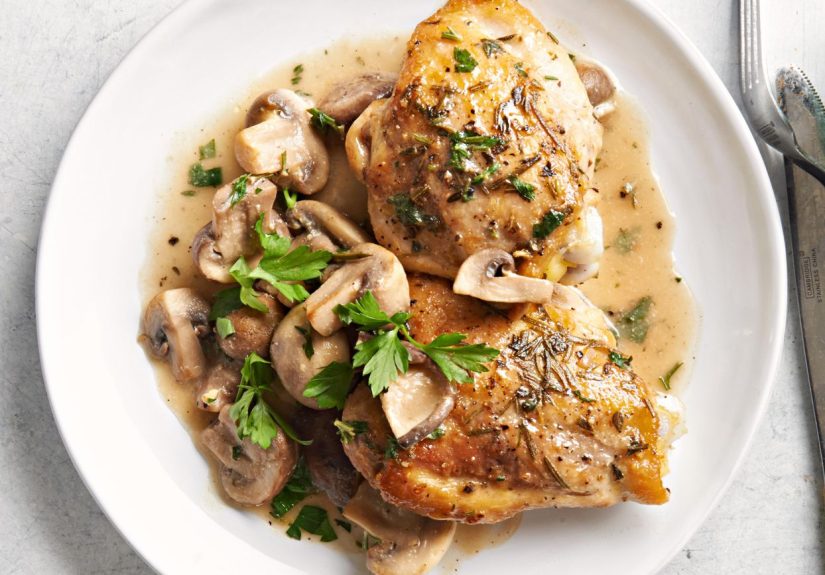
You get golden chicken, deeply browned mushrooms, and a glossy pan sauce that practically begs for something starchy to soak it up.
Why “Three Herbs” Works (It’s Not Just for the Vibes)
This recipe leans on a classic trio: rosemary, thyme, and parsley. Each herb plays a different role:
- Rosemary brings piney, bold flavor that stands up to browned chicken skin and savory mushrooms.
- Thyme adds an earthy, cozy note that basically says, “Yes, you should light a candle.”
- Parsley is the bright finisherit wakes up the sauce and keeps everything from tasting heavy.
Together, they create layers: aroma first, savory depth second, and a fresh pop at the end. It’s like a good playlistno one track has to do all the work.
Ingredients
Makes 4 servings
- Chicken: 4 bone-in, skin-on chicken thighs (or a mix of thighs and drumsticks), about 2 to 2½ pounds
- 1 to 1½ teaspoons kosher salt (to taste)
- ½ teaspoon black pepper
- Fresh herbs: 1 tablespoon chopped rosemary, 1 tablespoon chopped thyme, 2 tablespoons chopped parsley (plus extra for serving)
- 2 tablespoons olive oil (or a mix of oil + butter for extra richness)
- 10 to 12 ounces cremini or button mushrooms, halved or thick-sliced
- 1 small onion or 2 shallots, finely chopped
- 3 cloves garlic, minced
- 1 tablespoon all-purpose flour (or 2 teaspoons cornstarch mixed with 1 tablespoon water for gluten-free thickening)
- ¾ cup low-sodium chicken broth
- ½ cup dry white wine (or extra broth + 1 tablespoon lemon juice as a non-alcohol option)
- 1 to 2 teaspoons Dijon mustard (optional, but highly recommended for “restaurant sauce energy”)
- 1 tablespoon butter (optional, for finishing the sauce)
Optional add-ins (choose your adventure)
- ½ cup heavy cream (for a creamy mushroom pan sauce)
- 1 to 2 teaspoons fresh lemon juice (for brightness)
- A pinch of red pepper flakes (for gentle heat)
Equipment
- 12-inch cast-iron skillet or large oven-safe skillet
- Instant-read thermometer (the “no-guessing” tool)
- Tongs + a wooden spoon (for flipping and deglazing)
Step-by-Step: Three-Herb Chicken and Mushrooms
1) Season like you mean it
Pat the chicken dry (this helps the skin brown instead of steam). Season with salt, pepper,
half the rosemary, and half the thyme. Hold the parsley for later so it stays bright.
2) Sear the chicken for golden, crispy skin
Heat olive oil over medium to medium-high heat in your skillet. Add chicken skin-side down and sear until deeply golden,
about 5 to 7 minutes. Flip and cook 2 minutes more. Transfer chicken to a plate.
Pro tip: If the skillet looks dry, add a drizzle more oil. If it looks like a small lake of fat, you’re doing greatjust spoon off a little if it feels excessive.
3) Brown the mushrooms (don’t rush this part)
Add mushrooms to the skillet. Spread them out and let them sit undisturbed for 2 to 3 minutes so they brown.
Stir, then continue cooking until they’re deeply golden and their moisture has cooked off, about 6 to 8 minutes total.
4) Add aromatics + remaining herbs
Stir in onion (or shallots) and cook until softened, about 2 to 3 minutes. Add garlic and cook 30 seconds,
just until fragrant. Sprinkle in the remaining rosemary and thyme.
5) Build the pan sauce (aka: the good stuff)
Sprinkle flour over the mushrooms and stir for 1 minute to cook off the raw taste.
Pour in the wine and scrape up any browned bits from the bottom (that’s flavor gold).
Add broth and bring to a simmer.
6) Return chicken + finish cooking
Nestle the chicken back into the skillet, skin-side up. Simmer gently, uncovered, 12 to 18 minutes,
until the chicken reaches a safe internal temperature. For the crispiest skin and most even cooking,
you can also finish in a 400°F oven for about 15 to 20 minutes after searing.
7) Make it glossy and bright
Stir in Dijon (if using) and add parsley. For extra shine, swirl in butter.
Taste and adjust with salt, pepper, and a squeeze of lemon if you want the sauce to “pop.”
Key Techniques (So Your Skillet Doesn’t Betray You)
How to keep chicken juicy
Use an instant-read thermometer and pull the chicken when it’s safely cooked.
Chicken is safe at 165°F, but thighs often taste best a little higher (170–185°F) because extra heat helps break down connective tissue.
If you’re using breasts, aim closer to 160–165°F and let carryover heat finish the job.
How to get mushrooms actually browned
Crowded mushrooms steam. Spread them out. Let them sit. Pretend you’re ignoring them to make them more interesting.
Once they’re browned, they’ll taste meatier and make the sauce richer.
Deglazing: the “why does this taste fancy?” moment
Wine (or broth) loosens the browned bits (fond) stuck to the pan, turning them into a savory base for your mushroom sauce.
This is the same trick behind many restaurant pan saucessimple chemistry, big payoff.
Variations and Substitutions
Boneless chicken breasts or cutlets
Pound thicker pieces to even thickness for fast, even cooking. Sear, remove, make the mushroom sauce,
then return chicken briefly to warm through. This version is weeknight-fast and great over pasta.
Creamy three-herb mushroom chicken
After simmering the broth and wine, add ½ cup heavy cream. Keep heat low so it doesn’t separate.
Finish with parsley and a tiny squeeze of lemon to balance the richness.
No-wine option
Swap the wine for extra broth and add 1 tablespoon lemon juice (or a splash of white wine vinegar) at the end.
You’ll still get that bright, sauce-lifting acidity.
Gluten-free
Skip flour and thicken with a cornstarch slurry (2 teaspoons cornstarch + 1 tablespoon water), stirred in at a simmer.
Or reduce the sauce longer for a naturally thicker finish.
What to Serve With Three-Herb Chicken and Mushrooms
- Mashed potatoes (classic sauce magnet)
- Egg noodles or buttered pasta
- Rice (jasmine, basmati, or wild rice)
- Crusty bread (because leaving sauce behind is a tragedy)
- Green sides: roasted broccoli, green beans, or a lemony arugula salad
Storage and Reheating
- Refrigerate: Store in an airtight container up to 3–4 days.
- Reheat: Warm gently on the stove over low heat with a splash of broth to loosen the sauce.
- Freeze: You can freeze it, but creamy versions may change texture slightly. Non-creamy pan sauce freezes better.
Food Safety Notes (Quick but Important)
Use separate cutting boards for raw chicken and veggies, wash hands and tools well, and cook chicken to a safe temperature.
If you’re tempted to rinse raw chicken: skip itsplashes spread bacteria around the sink and counters. Your skillet will handle the job.
FAQ
What are the best mushrooms for this recipe?
Cremini mushrooms give deeper flavor than white button mushrooms, but either works.
For a “special” version, mix in shiitakes for extra umami (just remove tough stems).
Can I use dried herbs instead of fresh?
Yes. Use about 1 teaspoon dried thyme and 1 teaspoon dried rosemary (dried herbs are more concentrated).
Keep parsley fresh if possible, because it’s the bright finish.
Why does my sauce taste flat?
Pan sauces usually need one (or more) of these: salt, acid, or time.
Add a pinch of salt, a squeeze of lemon, or simmer a few minutes longer to concentrate flavor.
Dijon also helps by adding tang and emulsifying the sauce.
How do I keep the chicken skin crisp?
Keep chicken skin-side up once it returns to the skillet, and avoid drowning it in sauce.
If you finish in the oven, the dry heat helps maintain crispness.
Real-Kitchen Experiences: What You’ll Notice When You Make This (and How to Nail It)
The first time you make three-herb chicken and mushrooms, the biggest surprise is how much flavor comes from
doing a few “small” things at the right time. The recipe looks simple on paperchicken, mushrooms, herbs, liquid
but the order of operations is what makes it taste like you secretly trained in a cozy bistro. The moment the chicken hits
the hot pan, you’ll smell rosemary and thyme bloom in the oil, and that’s your cue that the dish is already on the right track.
If the chicken skin doesn’t release easily after a few minutes, that’s not failureit’s the pan saying, “Not yet.”
Once it’s properly browned, it lets go with less resistance, and the skin looks lacquered instead of pale.
Mushrooms are the second “experience lesson.” Many home cooks stir too early because mushrooms look like they’re doing nothing.
But browning mushrooms is like waiting for a toast to pop: the magic happens when you stop hovering. When you let them sit,
they develop a deep golden edge and a savory aroma that’s completely different from steamed mushrooms. You’ll also notice their
volume shrink and their moisture disappearthis is exactly what you want, because it keeps the sauce from turning watery.
If you ever wondered why restaurant mushroom sauces taste richer, it’s usually because the mushrooms were browned, not just softened.
The deglazing step is where the skillet starts telling stories. As soon as the wine (or broth) hits the pan, the browned bits lift up,
and the sauce darkens slightly in a way that feels like instant chef cred. Scraping the bottom with a wooden spoon is strangely satisfying
like you’re rescuing flavor that was trying to stick around behind your back. If you add Dijon, you’ll notice the sauce becomes smoother
and more cohesive, almost like it’s been quietly practicing emulsification all along. This is also the moment when tasting matters most:
a sauce can go from “pretty good” to “why is this so good?” with one extra pinch of salt or a small squeeze of lemon.
Another common real-kitchen moment: deciding whether you’re a “thigh person” or a “breast person.” Thighs are forgiving and stay tender,
even if you get distracted by a text message or a dog looking suspiciously innocent near the trash. Breasts cook faster and can be juicy too,
but they reward attentionthinner cutlets help, and a thermometer prevents the dreaded dry-chicken spiral. If you’re cooking for a group,
a practical example is using a mix: thighs for the “I like it rich and tender” crowd, and breasts or cutlets for the “lighter, saucy” crowd.
The mushroom pan sauce makes everyone happy either way.
Finally, there’s the “leftovers glow-up” experience. The next day, the herbs mellow and the sauce tastes even more unified,
which makes this dish ideal for meal prep. Reheating gently is the tricklow heat and a splash of broth keeps the sauce silky.
Serve it over rice or noodles, and suddenly it feels like you planned a whole second dinner. And if you ever want to level up for guests,
the easiest specific upgrade is doubling the mushrooms and finishing with extra parsley. It reads as generous, tastes luxurious,
and absolutely does not reveal how straightforward it was to cook.
Conclusion
Three-herb chicken and mushrooms is proof that comfort food and “company-worthy” can share the same skillet.
With rosemary and thyme building savory depth, parsley bringing freshness, and mushrooms adding that earthy, umami backbone,
you get a one-pan chicken dinner that’s satisfying without being fussy. Make it rustic with bread, cozy with mashed potatoes,
or weeknight-smart with rice and a salad. Either way, don’t skip the pan saucefuture you (and your plate) will thank you.