Table of Contents >> Show >> Hide
- Who Was Timur (and Why Do People Still Talk About Him)?
- The Ranking System (So This Isn’t Just Vibes)
- Ranked: Timur’s Most Consequential Campaigns
- #1: The Ottoman Shock (Ankara, 1402) “History’s Sudden Plot Twist”
- #2: The Delhi Raid (1398–1399) “The Most Infamous Trip He Ever Took”
- #3: Consolidation of Transoxiana (1370s) “The Foundation Everyone Skips to Get to the Chaos”
- #4: The Western Push into the Middle East (Late 1390s–Early 1400s) “Empire-Building at Sprint Speed”
- #5: The China Plan That Never Launched (1404–1405) “The Campaign That Became a What-If”
- Ranked: Timur’s “Greatest Strengths” (and Why They Worked)
- Ranked: Timur’s Legacy (Where Opinions Split the Hardest)
- The Big Opinions People Hold About Timur
- So… Where Does Timur Rank Overall?
- FAQ: Quick Answers for Common Searches
- Experiences: How “Timur Rankings And Opinions” Shows Up in Real Life (500+ Words)
- Conclusion
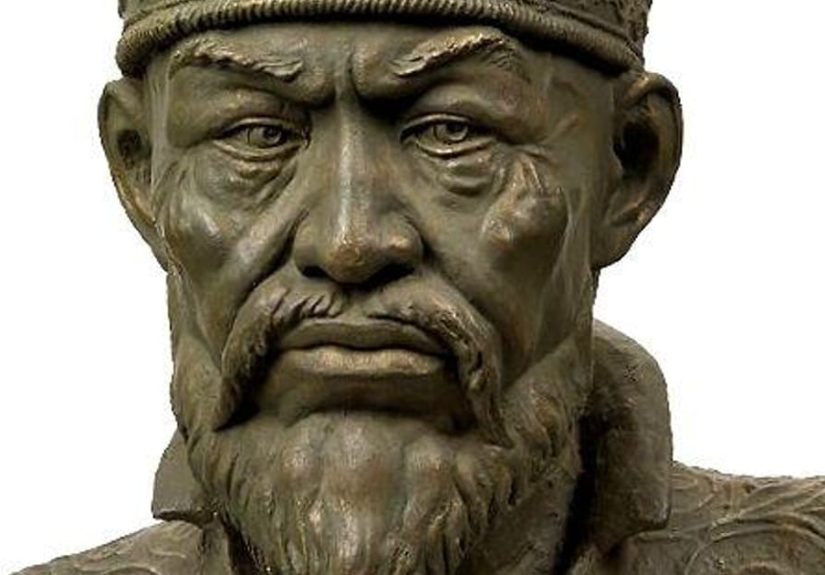
Timurbetter known in the West as Tamerlaneis one of those historical figures who can start an argument faster than a group chat deciding where to eat. Was he a military genius? Yes. A brutal conqueror? Also yes. A patron of art who helped set the stage for a cultural “renaissance” in Central Asia? Somehow, yes again. That mix is exactly why “Timur rankings and opinions” can feel like trying to rate a tornado for its interior design.
This article does two things: (1) it ranks Timur across the categories people actually debatecampaigns, tactics, legacy, and cultural impactand (2) it maps the major opinions historians and modern readers tend to hold, from “strategic mastermind” to “walking catastrophe.” No hero-worship, no cartoon villain editjust a clear, useful framework (with a few jokes, because we’re alive and we deserve nice things).
Who Was Timur (and Why Do People Still Talk About Him)?
Timur (c. 1336–1405) rose from the political chaos of post-Mongol Central Asia and built an empire that stretched across large parts of Central Asia, Iran, the Caucasus, Mesopotamia, and into the Indian subcontinent. He ruled as an emir, leaned heavily on Mongol-era legitimacy claims, and ran his empire like a high-speed merger-and-acquisition machineexcept the “acquisition” part was done with cavalry.
Timur’s story doesn’t end at “he conquered a lot.” His dynasty (the Timurids) later became famous for extraordinary achievements in art, architecture, manuscript production, and scholarshipespecially in cities like Samarkand and Herat. So the debate isn’t whether he mattered. It’s what we should do with a legacy that includes both dazzling cultural patronage and extreme violence.
The Ranking System (So This Isn’t Just Vibes)
To keep the rankings honest, each category uses a simple 10-point scale. Think of it like a historical report cardbut the teacher is trying to be fair, and the student is a 14th-century conqueror who definitely did not bring a permission slip.
- Strategic Impact: Did it change regional power dynamics or future empires?
- Military Execution: Planning, logistics, adaptability, battlefield outcomes.
- Longevity: Did results outlive Timur’s lifetime, or evaporate immediately?
- Human Cost: High impact here is… bad. This category lowers overall “greatness.”
- Cultural Footprint: Architecture, arts, institutions, and downstream influence.
Ranked: Timur’s Most Consequential Campaigns
#1: The Ottoman Shock (Ankara, 1402) “History’s Sudden Plot Twist”
Impact: 10/10 | Execution: 9/10 | Longevity: 7/10 | Human Cost: High | Cultural Footprint: Indirect
Timur’s defeat of Ottoman Sultan Bayezid I at Ankara (1402) is one of the biggest “Wait, that happened?” moments in medieval history. It disrupted Ottoman momentum and reshaped regional calculations. Even if the Ottomans later recovered, the battle became a permanent example of how quickly a rising power can get body-checked by an unexpected rival.
#2: The Delhi Raid (1398–1399) “The Most Infamous Trip He Ever Took”
Impact: 9/10 | Execution: 8/10 | Longevity: 6/10 | Human Cost: Extremely high | Cultural Footprint: Mostly destructive
Timur’s invasion of North India culminated in the sack of Delhi. It’s remembered not as a neat conquest that turned into stable administration, but as a devastating strike that wrecked a major city and shook the Delhi Sultanate. This campaign fuels many of the harshest opinions about Timur because it puts the human cost right up frontno “but the architecture” can un-burn a city.
#3: Consolidation of Transoxiana (1370s) “The Foundation Everyone Skips to Get to the Chaos”
Impact: 8/10 | Execution: 9/10 | Longevity: 7/10 | Human Cost: High | Cultural Footprint: Strong
Before the famous long-distance campaigns, Timur had to secure power at home. His consolidation of the region around Samarkand created the base that made later expansions possible. This is the “boring” part that isn’t boring at allbecause without it, the rest of the story doesn’t happen.
#4: The Western Push into the Middle East (Late 1390s–Early 1400s) “Empire-Building at Sprint Speed”
Impact: 8/10 | Execution: 8/10 | Longevity: 5/10 | Human Cost: Very high | Cultural Footprint: Mixed
These campaigns strengthened Timur’s reputation as a terrifying mobile power. But they also show the tradeoff in his model: conquest could be rapid and overwhelming, while governance and stability were harder to sustain after his death.
#5: The China Plan That Never Launched (1404–1405) “The Campaign That Became a What-If”
Impact: 6/10 | Execution: 4/10 | Longevity: N/A | Human Cost: Avoided by history | Cultural Footprint: Mostly speculative
Timur reportedly prepared for a campaign eastward late in life, but he died in 1405 before it played out. Historians love a counterfactual, but rankings hate themso this one lands here as a famous “almost,” not an achieved outcome.
Ranked: Timur’s “Greatest Strengths” (and Why They Worked)
#1: Operational Mobility The Fastest Problem on the Map
Timur’s forces could move fast, strike hard, and appear where opponents weren’t ready. Mobility isn’t just “horses go brrr.” It’s intelligence, supply planning, and choosing the timing that makes enemies feel like they’re always late to their own defense.
#2: Psychological Warfare Reputation as a Weapon
Timur’s brutality wasn’t random; it often functioned as strategy. The message was clear: resist and you might not get a second chance. That reputation could reduce future resistance (and therefore shorten campaigns), but it also created lasting trauma and hatredfuel for modern condemnation and historical backlash.
#3: Legitimacy Engineering “I’m Not Genghis Khan, Gives Me Time”
Timur wasn’t a direct descendant of Genghis Khan in the straight-line way Mongol political culture often preferred, but he worked around italliances, titles, court messaging, and symbolic claims. He understood that empires are built in the mind as much as on the battlefield.
#4: Talent Aggregation Bringing Craftsmen (Voluntarily or Not)
Samarkand’s monumental building projects didn’t come from vibes alone. Timur’s empire captured wealth and pulled skilled artisans into the capital. That helped produce lasting artistic achievementsbut the methods behind it remain morally and historically controversial.
Ranked: Timur’s Legacy (Where Opinions Split the Hardest)
#1: Cultural Patronage and the Timurid “Renaissance”
Legacy Score: 9/10
Many people who study Islamic art and architecture point to the Timurid period as a major high pointespecially in manuscript arts, architecture, and scholarship. Even if much of the flourishing is most visible under Timur’s successors, Timur’s conquest-driven concentration of wealth and labor helped set conditions for that cultural flowering.
#2: The Blueprint for Later Central and South Asian Dynasties
Legacy Score: 8/10
The Timurids didn’t just vanish into a footnote. Timur became part of the lineage story that later rulers used to claim prestige. Most famously, Baburfounder of the Mughal Empireclaimed descent from Timur. This matters because lineage wasn’t trivia; it was political currency.
#3: The Violence Problem (Yes, It’s a Problem)
Legacy Score: 10/10 for impact, 0/10 for human decency
Here’s the part that makes rankings uncomfortable: Timur’s campaigns caused devastating death and destruction across multiple regions. Some historians emphasize the structural violence of medieval conquest broadly, while others stress that Timur’s actions could be exceptionally brutal even by contemporary standards. Either way, the moral gravity doesn’t disappear because time passed.
#4: Modern Political Rebranding
Legacy Score: 7/10
In modern times, Timur has been celebrated in some national narratives as a symbol of strength, statecraft, or cultural prideespecially connected to Central Asian heritage and monuments. This produces a new layer of debate: are we studying Timur, or the modern uses of Timur?
The Big Opinions People Hold About Timur
Opinion A: “Timur Was a Strategic Genius”
Supporters of this view point to his undefeated reputation in many battles, his ability to defeat major powers, and his political skill in assembling legitimacy. They argue that “greatness” in his era often looked like decisive force plus sophisticated state messaging.
Opinion B: “Timur Was Primarily a Destroyer, Not a Builder”
This camp emphasizes that Timur’s empire fragmented quickly after his death and that many campaigns looked more like punitive raids than stable expansion. In this reading, the long-term brilliance belongs more to later Timurids who built institutions, libraries, and enduring cultural centers.
Opinion C: “You Can’t Separate the Art from the Atrocity”
Here the argument is ethical as much as historical: celebrating the architecture without confronting the violence is dishonest. This view doesn’t deny Timurid cultural achievement; it challenges the tendency to use beauty as a historical “delete key.”
Opinion D: “Timur Is a Mirror: We’re Ranking Ourselves, Too”
Some readers note that every era recreates Timur in its own imagemonster, genius, national hero, cautionary tale. That doesn’t mean truth is impossible; it means interpretation is always happening, even when we pretend it isn’t.
So… Where Does Timur Rank Overall?
If you force a single composite rating (and history teachers everywhere just sighed), a fair summary looks like this:
- Military and tactical effectiveness: Elite-tier
- Durable governance: Mixed; weaker than his conquests suggest
- Cultural downstream impact: Extremely high (especially via the Timurid period)
- Human cost: Catastrophic, central to any honest evaluation
In plain English: Timur ranks among the most consequential conquerors of the late medieval world, but any “greatest” label collapses if it ignores the scale of suffering. He is historically important and morally fraughtboth at once, not alternating weeks.
FAQ: Quick Answers for Common Searches
Was Timur the same as Tamerlane?
Yes. “Tamerlane” is a Western rendering associated with “Timur the Lame.” “Timur” (or “Temür”) is the name most used in historical contexts connected to Central Asia.
Did Timur build Samarkand?
He made Samarkand a capital showcase and drove major construction and artistic activity there. Many iconic Timurid-era associations with the city connect to Timur and his dynasty, though different monuments reflect different rulers and time periods.
Did Timur influence the Mughals?
Indirectly and symbolically, yesespecially through lineage claims and political prestige. Babur, founder of the Mughal Empire, claimed descent from Timur, and Timurid cultural traditions shaped later courtly styles.
Experiences: How “Timur Rankings And Opinions” Shows Up in Real Life (500+ Words)
Even if you never planned to think about a 14th-century conqueror, Timur has a way of sneaking into modern life through experiencesmuseum visits, travel photos, classroom debates, and the odd “Wait, why is this guy on a statue?” moment. These encounters are where “Timur rankings and opinions” stop being abstract and start feeling personal (in the sense of intellectual impact, not “I also conquered Persia on my lunch break”).
1) The Museum Experience: Beauty That Comes With Questions
One of the most common modern entry points is Islamic art collections. You might walk into a gallery expecting calm aesthetic joyglazed ceramics, illuminated manuscripts, and tilework that looks like geometry got a scholarship. Then you notice the label: “Timurid.” That’s when the brain does the complicated thing: How can something so beautiful come from an empire with such a violent reputation?
This is where opinions tend to split. Some visitors rank Timur’s legacy higher because the Timurid world produced remarkable cultural achievements. Others feel the label should come with a moral footnote the size of a billboard. The experience becomes a lesson in historical complexity: art doesn’t erase violence, but violence also doesn’t prevent art from existing. It just means the story is heavier than the display lighting suggests.
2) The Travel Experience: Standing in Samarkand’s Shadow
Another vivid “Timur moment” comes from travel writing and traveler photos from Samarkand. Even through a screen, the architecture hits hard: towering portals, domes, and tilework that makes modern minimalism look underdressed. People often describe a sense of scale that’s almost theatricallike the city was designed to make visitors feel small in the nicest possible way.
And then the second thought arrives: these monuments are tied to conquest, forced movement of labor, and empire resources. For some travelers, that knowledge changes the emotional ranking: the architecture becomes both awe-inspiring and unsettling. For others, it creates a “two-column” experienceadmire the craft, interrogate the power behind it. Either way, the travel experience pushes people into more nuanced opinions than a simple “good/bad” take.
3) The Classroom Experience: Debates That Actually Matter
In world history classes, Timur often becomes a case study in how we define “greatness.” Students are asked to rank him against other conquerors and rulers: Who changed the map most? Who built durable systems? Who left the deepest cultural footprint? And then: what do we do with mass suffering in the scoring?
Classroom discussions frequently split into two teams. One team argues from strategy: “He defeated major powers and reshaped regions; that’s historical impact.” The other argues from ethics: “If the human cost is central, it can’t be treated like a side stat.” What’s interesting is that the most thoughtful answers usually blend bothrecognizing his strategic effect while refusing to romanticize the violence.
4) The “Modern Reputation” Experience: Statues, Names, and National Stories
Finally, many people encounter Timur through modern reputationpublic monuments, national narratives, and cultural pride. In some places, Timur is framed as a symbol of strength and statecraft. In other contexts, he’s remembered primarily as a devastator. That contrast can be jarring if you’ve only heard one version. It also explains why online “rankings and opinions” about Timur can look like completely different people are being discussed. Often, they are: one is the historical Timur, the other is the Timur constructed by memory, politics, and identity.
Put all these experiences together and the pattern is clear: most modern “Timur rankings” aren’t really just about Timur. They’re about how we weigh power versus legacy, beauty versus brutality, and facts versus mythmaking. The best outcome isn’t agreeing on a single scoreit’s learning to ask better questions while keeping the human reality in view.
Conclusion
Timur ranks high in military impact and historical consequence, and he sits at the center of a cultural legacy that shaped art and dynastic identity for centuries. At the same time, the violence of his conquests isn’t a footnoteit’s core data. The most responsible “Timur rankings and opinions” don’t dodge either side. They hold both truths at once: immense influence, immense harm. If history is a mirror, Timur is the part that forces us to look longer than we want to.