Table of Contents >> Show >> Hide
- What Are Tire Planters, and Why Do Gardeners Love Them?
- Are Tire Planters Safe?
- How to Make a Tire Planter the Right Way
- The Best Soil and Drainage Setup for Tire Planters
- Best Plants for Tire Planters
- Tire Planter Ideas That Actually Look Good
- Common Tire Planter Mistakes to Avoid
- Why Tire Planters Still Appeal to DIY Gardeners
- Real-World Experiences With Tire Planters
- Conclusion
- SEO Metadata
Tire planters live in that glorious corner of gardening where thriftiness, creativity, and a tiny bit of backyard chaos all shake hands. One day an old tire is collecting dust and bad decisions in the garage; the next day it is painted sunflower yellow, packed with petunias, and suddenly acting like it has always belonged in your garden. That is the charm of tire planters: they turn something overlooked into something cheerful, useful, and surprisingly stylish.
But let’s not pretend every garden hack deserves a standing ovation. Tire planters are practical, yes, but they also raise real questions about drainage, heat, safety, and what you should actually grow in them. The smart approach is not to treat them like a magical Pinterest miracle. It is to use them thoughtfully. Done well, tire planters can become colorful focal points, budget-friendly flower beds, and clever upcycled containers. Done poorly, they become mosquito motels with commitment issues.
This guide walks through what tire planters are, why gardeners use them, how to build them the right way, which plants work best, and what mistakes to avoid. It also takes a balanced view: tire planters are best suited for ornamental gardening, not edible crops. So if you want a fun DIY garden project with personality, a painted tire may be your next favorite container.
What Are Tire Planters, and Why Do Gardeners Love Them?
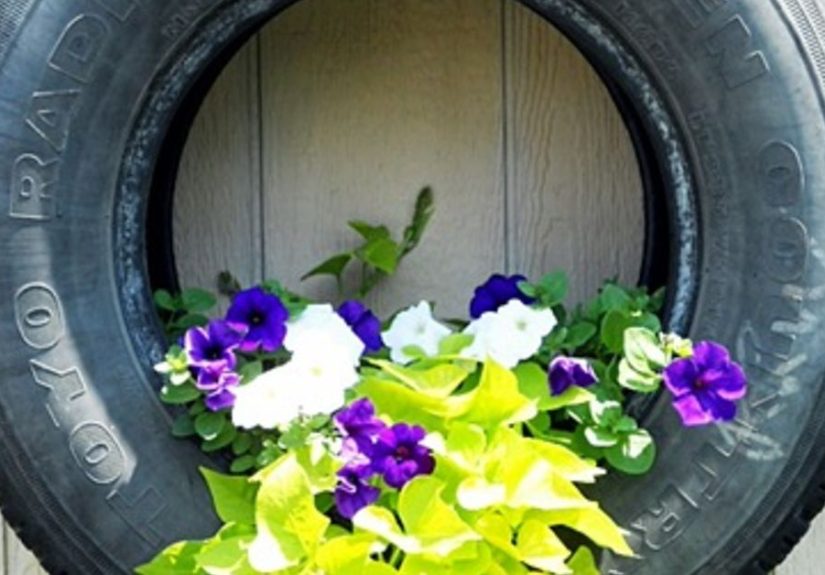
Tire planters are exactly what they sound like: repurposed vehicle tires used as planting containers. Some gardeners set a single tire flat on the ground and fill the center with potting mix and flowers. Others stack two or three tires to create a raised effect. Some hang them like oversized basket planters. Some line walkways with them. Some paint them bright white, teal, coral, or whatever shade says, “Yes, this yard has personality.”
The appeal is easy to understand. First, old tires are often inexpensive or free. Second, they are durable. Third, they create a strong visual border around plants, which can make even a small planting look intentional. Tire planters can also help define outdoor spaces, edge pathways, and add height variation to a flat yard. In a school garden, a community garden, or a casual backyard, that kind of low-cost structure is useful.
There is also the upcycling factor. Plenty of gardeners enjoy the idea of reusing materials instead of sending them straight into the waste stream. Tire planters fit that mindset well. They can bring a playful, handmade vibe to a space and work especially well in cottage gardens, eclectic yards, kid-friendly gardens, and DIY-heavy landscapes where polished perfection is not the point.
In other words, tire planters are not about pretending your yard is a luxury resort. They are about making the most of what you have and turning it into something charming.
Are Tire Planters Safe?
This is the question that separates practical gardeners from reckless optimists. The honest answer is: tire planters are commonly used, but they are not the best choice for every garden purpose.
For ornamental flowers, many gardeners still use tire planters successfully. However, more cautious gardening guidance recommends avoiding tires for edible crops. That means flowers, foliage plants, and decorative displays are the better fit. If you are growing tomatoes, lettuce, peppers, strawberries, or herbs you plan to eat regularly, choose a different container material instead. Wood, resin, metal, glazed ceramic, and fabric grow bags are all better options for food gardening.
Why the caution? Tires are manufactured products, not garden-grade containers. As they age and break down over time, there is concern that they may release unwanted substances into the surrounding environment. That concern becomes more important when the plants are edible or when small children are in close contact with the material. For that reason, the best rule of thumb is simple: use tire planters for ornamental gardening only, and keep expectations grounded in common sense.
There is another safety issue people overlook: standing water. Tires are famous for trapping rainwater, and trapped water invites mosquitoes. A tire planter without proper drainage is basically a tiny insect resort with terrible customer reviews. Whether the planter is on soil, gravel, or a patio, it needs drainage holes and routine checks after rainfall.
How to Make a Tire Planter the Right Way
Making a tire planter is straightforward, but there is a right order to the work if you want the finished result to look good and function well.
1. Start with a clean tire
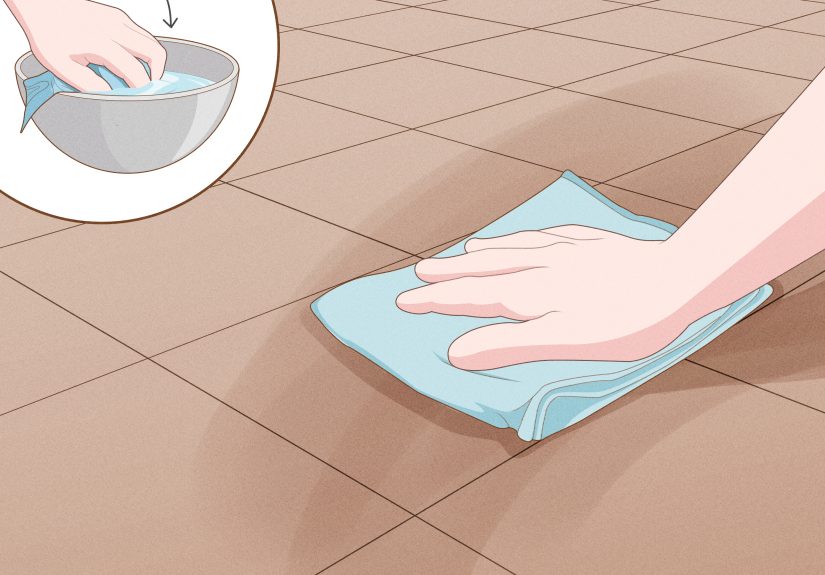
Wash the tire thoroughly with soap and water. If it is greasy or caked with road grime, use a degreaser. This step matters more than people think. Dirt and residue make paint less likely to stick, and nobody wants a planter that starts peeling like a bad sunburn three weeks into summer.
2. Choose the final location before filling
Set the tire where you want it before adding soil. Once filled, it becomes heavy and annoying to move. This is especially true for stacked tire planters or large tractor tires. If you are placing the planter on concrete or asphalt, consider lining the inside bottom with landscape fabric so the soil stays put while still allowing drainage.
3. Add drainage holes
Drill holes in the bottom or lower sidewalls so excess water can escape. This is non-negotiable. Drainage matters more than decorative flair. If water cannot leave, roots sit in soggy soil, plants sulk dramatically, and mosquitoes start planning their grand opening.
4. Prime and paint the exterior
Prime the outside of the tire if needed, then paint it with durable outdoor paint. Light colors are often the smartest choice because dark rubber absorbs heat. White, pale blue, soft green, butter yellow, and light gray are easier on plant roots than a black tire baking in July like a cast-iron skillet.
5. Fill with the right growing medium
Use quality potting mix or a light raised-bed blend with compost. Do not just scoop heavy garden soil into the center and call it a day. Container plantings need an airy, well-drained mix. Good structure helps roots get oxygen, helps water move properly, and makes it easier for plants to settle in.
6. Plant thoughtfully
For ornamental displays, think in layers. Add one taller focal plant, a few medium fillers, and one or two trailing plants to spill over the rim. That classic “thriller, filler, spiller” approach works beautifully in tire planters because the circular shape naturally frames a mixed arrangement.
7. Water and monitor
Tire planters can warm up quickly, especially in full sun. That means they may dry faster than in-ground beds. Check soil moisture often, especially in hot weather, and do not let water pool after rain.
The Best Soil and Drainage Setup for Tire Planters
If there is one secret to successful tire planters, it is not paint color. It is the growing medium. Tire planters behave like containers, and containers perform best with loose, well-drained mixes rather than dense yard soil.
A practical blend is high-quality potting mix plus compost. If you are building a larger stacked planter, you can save money by using lower-cost filler material in the very bottom, such as clean gravel or broken brick, but only in a deep stacked setup where you are reducing volume, not trying to “fix” drainage in a shallow planter. In a single container, adding a gravel layer at the bottom does not magically improve drainage. In fact, it often creates a perched water problem that keeps soil wetter than you intended. Good drainage holes matter more than a decorative layer of rocks.
Container size also matters. Bigger planters hold moisture more evenly and give roots more room. Smaller tires can work for annual flowers and shallow-rooted ornamentals, but larger stacked tire planters are better for fuller arrangements. Match the size of the planting to the size of the container so the roots are not cramped and the plant is not constantly stressed.
Finally, be realistic about watering. During warm weather, tire planters in full sun may need daily attention. On a patio or driveway, heat radiating from the surface can dry the container even faster. If the planting is on a deck or porch, empty any saucer or catchment area so water does not sit and stagnate.
Best Plants for Tire Planters
The best plants for tire planters are ornamental species that tolerate container life and, ideally, a little extra warmth. Think flowers, foliage, and decorative spillers rather than food crops.
Great choices for sunny tire planters
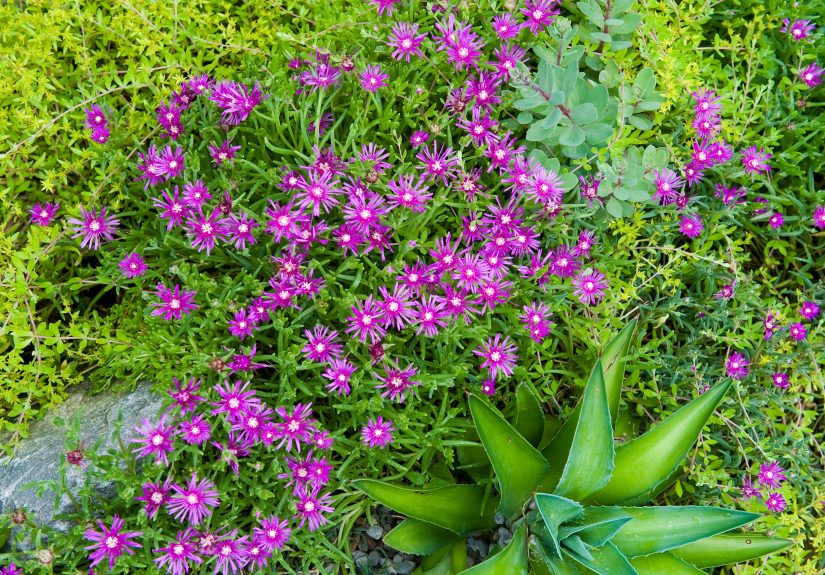
Petunias, calibrachoa, lantana, zinnias, vinca, marigolds, salvia, angelonia, and dwarf ornamental grasses all perform well in bright conditions. Succulents can also work in drier, hot locations if the planter has excellent drainage and you use the right soil mix.
Good options for partial shade
Coleus, impatiens, begonias, sweet potato vine, heuchera, and trailing ivy can all create a softer look in a partly shaded space. These plants are especially useful if your tire planter sits under a tree or beside a porch where afternoon sun is filtered.
Plants to avoid
Avoid large vegetables, fruiting crops, or anything you intend to eat. Also avoid plants that need consistently cool root zones if the tire will sit in intense sun. A black or dark-painted tire can get quite warm, and not every plant enjoys that kind of root-zone sauna.
Tire Planter Ideas That Actually Look Good
Yes, tire planters can look stylish. No, they do not have to scream “I found this behind a shed.” The trick is treating them like intentional design elements rather than random objects that accidentally met a begonia.
A single painted tire planter works well as a punch of color near a front porch, mailbox, or garden gate. Stacked tire planters create height and can define a corner planting bed. A row of matching tires painted in one muted color can edge a play garden or pathway without looking chaotic. Hanging tire planters work best with cascading flowers and a sturdy support. If you are making a stacked design, secure the tires together so the whole thing stays stable.
For the most polished look, repeat colors or plants instead of making every tire wildly different. One tire planter painted robin’s-egg blue is whimsical. Six tires painted six unrelated neon shades can look like a yard sale collided with a carnival. Coordination is your friend.
Common Tire Planter Mistakes to Avoid
Most tire planter failures are not mysterious. They come from a few predictable mistakes.
Mistake one: using tires for edible crops. Decorative planting is the safer lane here.
Mistake two: forgetting drainage holes. A container without drainage is a swamp wearing lipstick.
Mistake three: using dense garden soil. Heavy soil compacts, drains poorly, and makes roots miserable.
Mistake four: choosing the wrong site. A tire planter on blazing concrete in full afternoon sun needs heat-tolerant plants and closer watering.
Mistake five: ignoring standing water after storms. Tires can collect water fast, and mosquitoes do not need much to get comfortable.
Mistake six: overcrowding the planter. A beautiful container arrangement needs room to grow. Packing it like a bargain-bin bouquet rarely ends well.
Why Tire Planters Still Appeal to DIY Gardeners
Despite the cautions, tire planters remain popular for a reason. They are accessible. They are creative. They are inexpensive. They let gardeners experiment with color, form, and placement without investing in pricey urns or custom-built raised beds. For renters, budget gardeners, teachers, and weekend DIYers, that flexibility is appealing.
They also carry a certain rebellious charm. A tire planter says, “I garden with imagination, not just a catalog.” It is a project for people who enjoy turning ordinary materials into something useful. And when planted with bright annuals or trailing foliage, a humble tire really can become a standout feature.
The smartest way to think about tire planters is this: they are decorative containers with limits. Accept those limits, use them for ornamental displays, build them carefully, and they can be a fun part of your garden design.
Real-World Experiences With Tire Planters
One of the most interesting things about tire planters is how quickly they teach gardeners what matters in container growing. The first experience many people have is surprise: a plain old tire, once washed and painted, can look far better than expected. Gardeners often start with skepticism, half convinced the finished project will look too rustic or too homemade. Then the flowers go in, the color softens the rubber’s heavy shape, and suddenly the planter looks cheerful instead of clunky. That first visual transformation is usually what wins people over.
The second lesson is weight. An empty tire feels manageable. A tire filled with damp potting mix feels like it has joined a gym and developed strong opinions. Gardeners who place it in the wrong spot first usually do not make that mistake twice. After one awkward attempt at dragging a filled planter across the yard, most people learn to choose the final location before adding soil.
Heat is another common experience. In mild spring weather, a tire planter can seem ideal. In midsummer, especially in full sun, the planter can heat up fast. Gardeners notice that plants in dark tires may need more frequent watering than expected, and the difference becomes even more dramatic on concrete or stone. This is why painted tires, especially in lighter colors, often perform better in practical use than plain black ones. The garden may look prettier, and the roots are less likely to roast like they are attending a very unfortunate barbecue.
Watering habits also change quickly. People who are used to in-ground beds often underestimate how fast container soil dries. A tire planter can look perfectly fine in the morning and mildly offended by late afternoon. Over time, gardeners get better at checking soil moisture, watering deeply, and choosing plants that can handle warm conditions. Many say tire planters work best when planted with durable annual flowers rather than fussy specimens that demand spa-level treatment.
Another real-world experience is learning that design matters as much as construction. A single tire tossed into a corner can look accidental. But two or three coordinated planters, repeated with the same flower color or paint tone, start to feel deliberate. Gardeners who use tire planters successfully often treat them as part of a broader composition. They repeat shapes, echo colors, and place the planters where they frame a path, brighten a fence line, or soften a hard surface.
There is also the maintenance reality. Tire planters are not set-it-and-forget-it features. After heavy rain, they need a quick check for pooled water. After a long hot stretch, they need extra watering. After a season or two, they may need a cosmetic refresh. But most gardeners who stick with them say the upkeep is manageable as long as the original setup was done correctly. In practice, tire planters reward attention. They are not difficult, but they do appreciate a gardener who notices things.
Perhaps the most useful long-term experience is that tire planters help gardeners figure out what kind of DIY projects they actually enjoy. Some people fall in love with the upcycled look and keep adding more. Others decide one or two decorative planters are enough and move future food crops into more traditional containers. Either outcome is a win. The project teaches what works in a particular yard, climate, and routine. And honestly, any garden project that teaches good lessons while also producing a bright ring of flowers has earned at least a little respect.
Conclusion
Tire planters are not the fanciest containers in the gardening world, and that is part of their appeal. They are practical, playful, affordable, and full of DIY potential. They can add color, structure, and personality to a yard without demanding a huge budget. But the best results come from using them wisely: keep them ornamental, prioritize drainage, use quality potting mix, choose heat-tolerant plants, and stay vigilant about standing water.
If you approach tire planters with creativity and common sense, they can become one of those rare garden projects that is both resourceful and genuinely charming. Not bad for something that used to spend its life arguing with potholes.