Table of Contents >> Show >> Hide
- 1. Remakes: Bringing the Old Back to Life
- 2. Reboots: Starting Over from Scratch
- 3. Sequels and Prequels: Expanding the Story Universe
- 4. Spinoffs: Exploring Side Characters and New Perspectives
- 5. Book Adaptations: Mining Literary Gold
- 6. Reimagining Classic Genres: New Twists on Old Tropes
- 7. Live-Action Adaptations of Animated Classics
- 8. Reality TV and Movie Crossovers: Blending the Two Worlds
- 9. Franchise Building: The Power of the Brand
- 10. Nostalgia Marketing: Tapping into the Past
Hollywood has long been known for its innovation and creativity, but in recent years, a growing trend has emerged: the recycling of movies. Whether it’s remakes, reboots, or sequels, the movie industry is heavily invested in rehashing old ideas for modern audiences. But why does Hollywood keep going back to the well? Let’s take a look at the top 10 ways Hollywood recycles movies and explores this trend in more depth.
1. Remakes: Bringing the Old Back to Life
One of the most obvious ways Hollywood recycles movies is through remakes. These are new versions of old films, often updated with modern technology, better special effects, and contemporary actors. Some remakes, such as 2017’s “Beauty and the Beast” or 2019’s “The Lion King,” take the original concept and make it look shiny and new. But why remake a classic? Simple: name recognition. Studios are betting on the fact that audiences will flock to theaters for a familiar story told with a fresh twist.
2. Reboots: Starting Over from Scratch
While remakes involve retelling the same story, reboots take things a step further. Reboots often start from the ground up, reimagining the entire franchise or series. This can involve changing characters, storylines, or even the setting. For example, “Spider-Man” has been rebooted three times in the past two decades, each iteration offering a different version of the beloved superhero. While this strategy can be a hit or miss, it allows Hollywood to tap into existing fanbases while appealing to new audiences.
3. Sequels and Prequels: Expanding the Story Universe
Sequels and prequels are another way Hollywood recycles its films. By taking an existing story and expanding it, filmmakers can keep the momentum going, creating entire franchises around successful movies. The “Star Wars” franchise is perhaps the best example of this, with multiple sequels, prequels, and spin-offs all set in the same universe. While some argue that this tactic dilutes the original story, others are simply happy to keep coming back for more of the same.
4. Spinoffs: Exploring Side Characters and New Perspectives
Spinoffs are a creative way to keep a movie universe alive without directly continuing the main plot. Hollywood often takes side characters from popular movies and gives them their own films, exploring their backstory or adventures. For instance, “Minions” is a spinoff of the “Despicable Me” franchise, focusing on the hilarious sidekick characters. Spinoffs can be a great way to explore new angles and expand a movie universe while keeping the core story intact.
5. Book Adaptations: Mining Literary Gold
Another way Hollywood recycles ideas is by adapting books into films. This trend has been prevalent for decades, with everything from classic literature to contemporary bestsellers getting the Hollywood treatment. Films like “The Hunger Games” and “Harry Potter” are prime examples of successful book-to-movie adaptations. The appeal here is clear: popular books already have an established fanbase, and their cinematic versions often perform well at the box office. However, the challenge lies in staying true to the source material while still offering something new to moviegoers.
6. Reimagining Classic Genres: New Twists on Old Tropes
Hollywood also recycles movies by taking classic genres and reimagining them with a modern twist. This could mean taking a western and setting it in space (like in “Star Wars”) or reworking a horror film with new technology or cultural references. By staying within familiar genres, filmmakers can evoke nostalgia while offering something fresh and contemporary. For example, the resurgence of superhero movies, especially with franchises like the Marvel Cinematic Universe (MCU), has reinvigorated a genre that was once considered outdated.
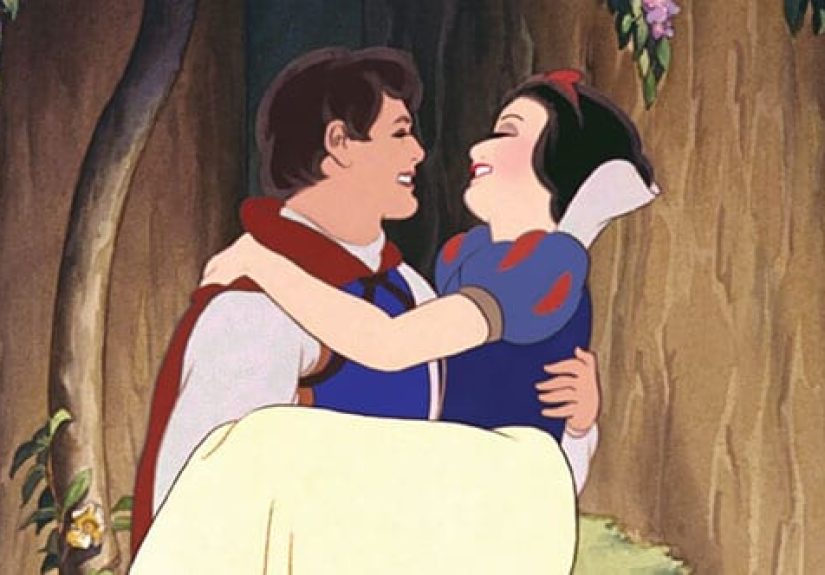
7. Live-Action Adaptations of Animated Classics
Live-action adaptations of animated films have become one of the most profitable ways Hollywood recycles its content. Disney, in particular, has embraced this trend with hits like “Aladdin,” “Cinderella,” and “The Jungle Book.” These films take the beloved animated classics and transform them into live-action versions with real actors and cutting-edge visual effects. The benefit is clear: it attracts both fans of the original movies and a younger audience that may not have experienced the animated versions.
8. Reality TV and Movie Crossovers: Blending the Two Worlds
In recent years, Hollywood has also ventured into blending the worlds of reality television and movies. A growing trend is the creation of movies based on reality TV shows or vice versa. For instance, the “Jersey Shore” franchise has spawned several spinoffs and a movie, capitalizing on the pop culture phenomenon of the original show. This type of crossover allows Hollywood to tap into existing fan bases and build upon the familiar, creating new content that feels both fresh and recognizable.
9. Franchise Building: The Power of the Brand
Franchise building is one of Hollywood’s favorite ways to recycle ideas. By creating a franchise around a successful movie, Hollywood can milk the brand for years or even decades. Films like “Fast & Furious” and “Jurassic Park” have not only given rise to multiple sequels, but they’ve also spawned merchandise, theme parks, and television series. Hollywood loves franchises because they are a guaranteed money maker, allowing them to keep audiences coming back for more with each new installment.
10. Nostalgia Marketing: Tapping into the Past
Finally, Hollywood often recycles movies by tapping into nostalgia. Many films and television shows are being revisited with a modern spin, aiming to capture the hearts of both new audiences and those who grew up with the originals. This includes sequels, remakes, and reboots of iconic movies and TV shows like “Ghostbusters,” “Top Gun,” and “The Matrix.” The goal is to evoke feelings of nostalgia while appealing to a new generation of moviegoers.
Conclusion: The Future of Movie Recycling
In conclusion, Hollywood’s recycling trend is not going away anytime soon. With a steady stream of remakes, reboots, and sequels, it’s clear that the film industry is looking for the safest route to success. While this may not always lead to groundbreaking or original work, it does show that Hollywood is not afraid to revisit the past in order to secure future success. The real question is: when will this recycling trend come to an end, and will audiences eventually crave something truly new and innovative?
Additional Experiences: The Recycling Trend in Hollywood
As a lifelong film enthusiast, it’s impossible to ignore the sheer volume of recycled movies flooding the market. Having grown up in an era where original stories were the gold standard, it’s been fascinating to watch how Hollywood has shifted gears. Personally, I find myself torn between enjoying the fresh takes on classics and feeling frustrated with the over-reliance on nostalgia. For example, when “Star Wars: The Force Awakens” was released, it felt like a reboot of the original trilogy, and while I loved the new characters, I couldn’t help but feel like it was just a rehash of what came before.
Similarly, the constant remakes of animated classics by Disney, like “The Lion King,” while visually stunning, leave me wondering whether the industry has lost its ability to innovate. But then again, these movies always find an audience, and I can’t deny the magic of seeing an old favorite come to life in new ways. I’m also interested in how these recycled films have sparked broader discussions about originality in Hollywood. As someone who watches films both for entertainment and for a deeper understanding of filmmaking, I’ve noticed that while recycled movies are abundant, they still offer moments of brilliance, often through the performances or updated special effects. It’s a bittersweet experience that speaks to Hollywood’s ongoing quest to strike a balance between familiarity and innovation.