Table of Contents >> Show >> Hide
- What Makes a Video Game Franchise Truly “Top”?
- 1. Super Mario
- 2. The Legend of Zelda
- 3. Grand Theft Auto
- 4. Pokémon
- 5. Call of Duty
- 6. Minecraft
- 7. Final Fantasy
- 8. The Elder Scrolls
- 9. Resident Evil
- 10. The Sims
- 11. Halo
- 12. Assassin’s Creed and Other Modern Epics
- Honorable Mentions
- How to Choose the Right Franchise for You
- Player Experiences: What These Franchises Feel Like to Play
- Conclusion: Your Personal Top List Matters Most
Some people measure their life in years. Gamers measure it in “the Mario era,” “my Skyrim phase,”
and “that six-month stretch when my social life was just Call of Duty lobbies.”
The best video game franchises aren’t just one-off hits. They’re ongoing worlds, characters,
and mechanics that keep pulling us back in with every new entry, remake, or remaster.
In this guide to the top video game franchises and series, we’ll look at the giants
that shaped the industry: the multi-billion-unit sellers, the critical darlings that redefine genres,
and the cult classics that turned small studios into legends. Whether you’re planning what to play next
or just love ranking things (be honest, you do), this list will help you understand why these series
keep dominating consoles, PCs, and group chats.
What Makes a Video Game Franchise Truly “Top”?
There are thousands of video game series out there, but only a handful become franchises that everyone,
gamer or not, recognizes. For this list, we’re blending a few key factors:
- Sales and longevity: franchises that have sold tens or hundreds of millions of units over decades.
- Critical acclaim: series that consistently score high on review aggregators and year-end lists.
- Cultural impact: games that show up in memes, movies, merch, eSports, and Halloween costumes.
- Innovation: series that push genres forward instead of playing it safe every time.
- Variety and accessibility: franchises that welcome newcomers while rewarding longtime fans.
This isn’t a rigid “top 10 only” ranking. Think of it as a curated tour of the strongest, most influential
video game franchises and what makes each one special.
1. Super Mario
Why Mario Still Rules the Industry
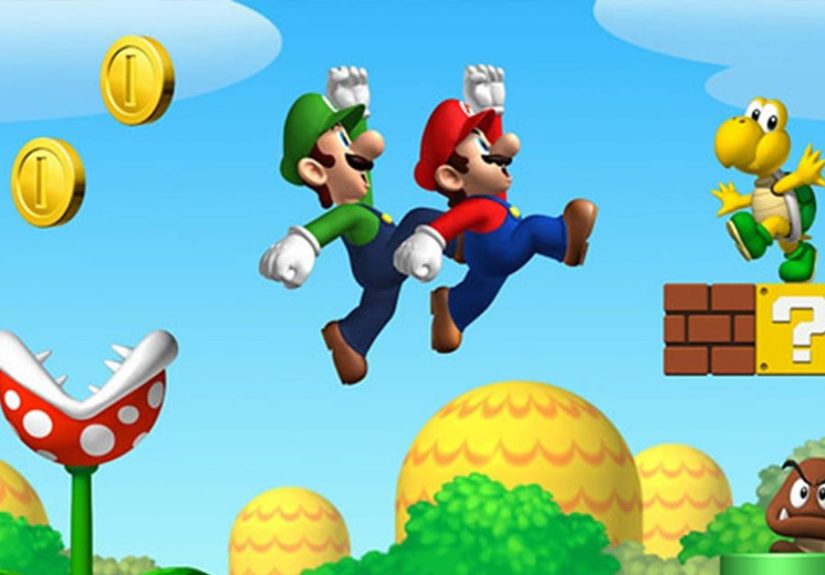
When you think “video game,” you probably picture a mustached plumber in red overalls.
Super Mario isn’t just one of the best-selling game franchises in history;
it’s the blueprint for modern platforming, level design, and character branding.
From the side-scrolling perfection of Super Mario Bros. to the mind-bending galaxies on the Wii
and the sandbox playgrounds of Super Mario Odyssey, the series has reinvented itself more times than
most characters get costume changes. Mario also refuses to be boxed into one genre: kart racing, party games,
sports, RPGsyou name it, he’s probably jumped on it.
Best Entry to Start With
If you’re new, Super Mario Odyssey (Switch) is a great place to start thanks to its open-ended
exploration and forgiving difficulty. Retro fans can dive into classic titles via modern collections and
online libraries for a crash course in gaming history.
2. The Legend of Zelda
Epic Adventures and Genre-Defining Design
The Legend of Zelda is what happens when you combine adventurous exploration, clever puzzles,
and a surprising amount of emotional storytelling. Over the years, the franchise has repeatedly shaped what
“action-adventure” even means, from the time-bending Ocarina of Time to the open-world revolution of
Breath of the Wild.
The newer entries ditch rigid dungeon order in favor of “go anywhere, climb everything” design. Players can glide
off a cliff, surf down a mountain on a shield, or accidentally discover a solution the developers never intended.
It’s not just a game; it’s a sandbox for creativity.
Best Entry to Start With
For modern players, Breath of the Wild or Tears of the Kingdom offer huge worlds and flexible
playstyles. If you want a more classic structure, Ocarina of Time or A Link Between Worlds give
you a traditional Zelda experience with tight pacing.
3. Grand Theft Auto
Open-World Chaos, Satire, and Record-Breaking Sales
The Grand Theft Auto series is the poster child for open-world games. Each major release feels
less like a sequel and more like a cultural event. With sprawling cities, biting satire, and endlessly replayable
side activities, it’s no surprise that GTA V alone has sold an eye-watering number of copies and stayed in
the charts for years.
GTA’s secret sauce is freedom. You can follow the story, go racing, play in-game mini-games, or just see how long
you can outrun the cops. Online modes add another layer, turning the sandbox into a never-ending multiplayer
playground.
Best Entry to Start With
GTA V is the most approachable and feature-rich, especially with its online component. For story purists,
GTA IV offers a more grounded, character-driven narrative.
4. Pokémon
Gotta Catch ’Em All (Again and Again)
Pokémon is a multimedia empire, but at its heart it’s about one thing: collecting adorable
creatures and making them battle like tiny gladiators with friendship bracelets. It’s one of the
best-selling video game series of all time, and for many players, it was their gateway into RPGs.
Each generation brings new regions, new monsters, and new mechanicsbut the core loop remains satisfying:
explore, catch, train, and challenge gyms or major bosses. Competitive battling, trading, and community events
keep older players hooked long after the credits roll.
Best Entry to Start With
Newer players often start with recent Switch-era titles for streamlined systems and modern graphics. If you love
nostalgia, remakes of classic generations offer familiar stories with quality-of-life upgrades.
5. Call of Duty
The Blockbuster FPS Machine
Whether you love it or love to roll your eyes at it, Call of Duty is unavoidable in gaming.
It’s a yearly fixture that helped define the modern first-person shooter formula, especially in online multiplayer.
The franchise jumps between grounded historical campaigns, near-future tech, and battle royale arenas. Fast time
to kill, responsive controls, and endlessly tweakable loadouts keep matches intense and addictive. Add in
co-op zombie modes, and you’ve got a franchise that refuses to leave the spotlight.
Best Entry to Start With
Pick a recent mainline entry for the smoothest experience, or jump into the franchise’s battle royale installments
if you prefer large-scale chaos and constant updates.
6. Minecraft
Building, Surviving, and Literally Re-Shaping the World
Minecraft is less a game and more a creative platform. On paper, it’s a blocky survival-sandbox;
in reality, it’s a massive ecosystem where players build cities, re-create other games, or teach kids how
to code. Its long-term sales place it among the most successful titles ever released.
What makes Minecraft such an important “franchise” is its flexibility. Survival mode appeals to players
who like crafting, resource management, and combat. Creative mode is a digital Lego set with no limits. Community
servers, mods, and content creators turned it into a never-ending fountain of ideas.
Best Entry to Start With
Honestly, just start with the base game on any platform. It’s accessible, endlessly scalable, and perfect for
short sessions or marathon builds.
7. Final Fantasy
Reinventing the RPG, One Number at a Time
With each numbered entry, Final Fantasy feels like a soft reboot: new world, new mechanics,
new cast, same oversized swords. That constant reinvention is precisely why the series has remained relevant
for decades while other RPGs came and went.
You’ll find everything from turn-based classics to action-heavy combat, sci-fi fantasy hybrids, MMOs, and
heartfelt character dramas. The franchise is known for soaring soundtracks, wild fashion choices, and stories
that swing from melodramatic to genuinely moving.
Best Entry to Start With
Final Fantasy VII (classic or remake) is a fan favorite and accessible starting point. Modern action fans
might prefer later entries with real-time combat and flashier visuals.
8. The Elder Scrolls
Do Anything, Be Anyone, Get Lost for 300 Hours
The Elder Scrolls series is famous for its sprawling open worlds and “go wherever, poke whatever”
design. Titles like Morrowind, Oblivion, and especially Skyrim gave players worlds so
large and detailed that even the side quests have side quests.
Its greatest strength is freedom. Want to be a stealth archer? A lightning-slinging mage? A warrior who spends
more time stealing cheese wheels than fighting dragons? Totally valid. Mods extend the life of these games even
further, keeping them popular years after launch.
Best Entry to Start With
Skyrim is still the most approachable choice for new players, balancing accessibility and depth while
running on everything short of smart refrigerators.
9. Resident Evil
From Fixed Cameras to High-Definition Horror
Resident Evil is survival horror royalty. It started with clunky controls and fixed camera angles
and grew into a franchise that helped define horror pacing, resource management, and monster design.
The series took a detour into action-heavy territory for a while, then swung back into truly terrifying horror with
first-person and modern over-the-shoulder remakes. It’s rare for a long-running franchise to reinvent itself so
many times while still feeling like itself.
Best Entry to Start With
Newer remakes of early titles are ideal for beginners: they deliver modern controls and visuals while preserving
the core survival-horror DNA. If you like first-person scares, recent mainline installments offer a more intimate
kind of terror.
10. The Sims
Life Simulation, Drama, and “Accidental” Pool Ladder Removal
The Sims takes everyday lifecareers, relationships, home décorand turns it into a strangely
compelling loop of micromanagement and chaos. Players build houses, shape personalities, and then “just see what
happens” (spoiler: fires, breakups, and promotions).
The series thrives on emergent storytelling. Your Sim might start as a struggling artist and wind up a vampire
celebrity. Expansion packs add new layers: pets, college, weather, supernatural twists, and more. It’s a franchise
that appeals equally to hardcore gamers, casual players, and people who just want to design dream houses.
Best Entry to Start With
The latest main entry plus a few carefully chosen expansion packs is usually enough to lose track of time
(and possibly your real-life schedule).
11. Halo
Console-Selling Sci-Fi and Multiplayer Mayhem
Halo helped define modern console shooters and online multiplayer. Its campaign mixes cinematic
storytelling with large-scale sci-fi battles, while its competitive modes shaped how many players think an
arena shooter should feel.
Beyond gameplay, Halo built a full universenovels, TV adaptations, and a sprawling lore that fans
love dissecting. For many players, couch co-op through a Halo campaign is a core gaming memory.
Best Entry to Start With
The Master Chief Collection is the perfect on-ramp, bundling multiple campaigns and multiplayer options in
one package.
12. Assassin’s Creed and Other Modern Epics
Open Worlds, Historical Tourism, and Franchise Evolution
Assassin’s Creed began as a historical stealth series and gradually evolved into massive
open-world action-RPGs. Each entry lets players time-travel into different erasRenaissance Italy, ancient Egypt,
Viking-age England, feudal Japanblending parkour, conspiracy, and historical tourism.
It represents a broader trend in top franchises: games that blend story-heavy single-player campaigns with
RPG systems, side content, and expansive DLC. Alongside other modern franchiseslike the Soulsborne series and
story-rich RPGs that dominate award circuitsit shows how “franchise” now often means “ongoing platform” rather
than “one-and-done release.”
Honorable Mentions
There are far more iconic series than we can dive into in detail, but no list of top game franchises would feel
complete without at least nodding to:
- Street Fighter and Mortal Kombat for defining the fighting game scene.
- Monster Hunter for co-op boss hunts and gear grinding that borders on lifestyle choice.
- Metroid and Castlevania for inspiring generations of “Metroidvania” designers.
- FromSoftware’s Soulsborne / Elden Ring titles for ushering in a new era of “tough but fair” design.
- Baldur’s Gate and other modern RPG series pushing narrative depth to new heights.
How to Choose the Right Franchise for You
With so many top video game series out there, picking where to invest your time can feel like
choosing a streaming platformoverwhelming, but also kind of fun. A few quick tips:
-
Love story and characters? Try The Legend of Zelda, Final Fantasy, or
narrative-heavy RPG franchises. - Crave fast action? Call of Duty, Halo, and Souls-style games keep your reflexes busy.
-
Prefer creativity and freedom? Minecraft, The Sims, and open-world series
like The Elder Scrolls let you set your own goals. - Want to play with friends? Look for series with co-op modes, shared worlds, or strong online scenes.
Your “best” franchise might not be at the top of any sales chart. The real win is finding the series that fits
your schedule, your playstyle, and your tolerance for difficultyand maybe lets you share a few unforgettable
moments with friends.
Player Experiences: What These Franchises Feel Like to Play
Lists and rankings are fun, but the real magic of top video game franchises is in the experiences they create.
Think about how different these series feel when you’re actually holding the controller or keyboard.
In a Super Mario game, every jump has a satisfying rhythm. You learn to “feel” the arc of a leap
over time, to the point where you can bounce from enemy to enemy without touching the ground. Even failures are
lightheartedthe level resets, the music restarts, and you go again, convinced you’ll get it right this time.
Zelda experiences lean into curiosity. You might set out to reach a big story objective and end up
spending an hour experimenting with physics, puzzles, or side quests. That sense of “I wonder what happens if…”
is what makes its open worlds stick in players’ minds years later.
With Grand Theft Auto, a simple idea like “drive to this mission marker” can spiral out of control.
Maybe you get distracted by a street race, a random encounter, or a radio station bit that makes you laugh.
Many players remember not just the main plot, but the bizarre detours and unscripted chaos that happened along the way.
Pokémon turns into a social experience, even in single-player form. Friends debate starter choices,
trade version-exclusive creatures, and compare team strategies. You’re not just beating a game; you’re building a
tiny personal roster that reflects your taste and playstyle.
Jump into Call of Duty or Halo, and the tone shifts. Your hands tighten on the
controller; you’re focused on motion, sound cues, and map awareness. Every match is a puzzle of positioning,
timing, and loadout choices. Victory feels earned, especially in close games where one clutch play turns the tide.
Minecraft and The Sims tilt toward relaxation and creativity. One minute you’re
mining for diamonds or arranging furniture; the next, you’ve realized it’s 2 a.m. and you’ve spent three hours
building a house you’ll probably remodel tomorrow. These series are perfect for players who like low-pressure,
high-imagination play.
Meanwhile, franchises like Final Fantasy, The Elder Scrolls, and Souls-style
games lean into immersion. Long character arcs, detailed worlds, and complex systems encourage you to sink deep:
reading in-game books, experimenting with builds, and talking with other players about hidden mechanics or secret
endings. Progress feels especially satisfying because you’ve invested time in understanding how everything fits.
Across all of these series, one pattern stands out: the best franchises don’t just occupy your hands; they live
in your head. You think about strategies in the shower, story twists while commuting, or your next in-game project
when you should be answering emails. That lingering mental presence is one of the strongest signs that you’ve found
a truly great video game franchise.
If you’re exploring new series, pay attention to how they make you feel, not just what reviewers say. Do you look
forward to getting back to the game? Do you find yourself telling friends about a wild moment that happened? Do you
finish the credits and immediately wonder what else you can do or which entry to try next? Those are the experiences
that turn a good game into “your” franchiseand put it, at least personally, at the top of your list.
Conclusion: Your Personal Top List Matters Most
The franchises above earned their place through sales, critical acclaim, and worldwide recognition, but the true
top video game series are the ones that matter most to you. Maybe your personal list is heavy on indie
darlings or cozy life sims instead of blockbusters. That’s the beauty of modern gaming: there’s a franchise, world,
or series for every kind of player.
Use this list as a roadmap, not a rulebook. Try a platforming classic, an open-world RPG, a life sim, and a
multiplayer shooter. Pay attention to which ones you keep returning toand don’t be surprised if one of these
franchises becomes part of your own life story, measured in hours played, expansions bought, and memories made.