Table of Contents >> Show >> Hide
- What Makes Sernik Different From American Cheesecake?
- Ingredients
- Equipment You’ll Want (No Weird Gadgets, Promise)
- Before You Start: Choosing the Right Cheese
- Step-by-Step: Traditional Sernik
- 1) Prep the Pan and Oven
- 2) Make the Optional Shortcrust Base
- 3) Smooth the Cheese (This Is the “No Grainy Cheesecake” Button)
- 4) Mix the Filling
- 5) Whip Egg Whites and Fold (Light Texture, No Concrete Vibes)
- 6) Bake
- Optional: Water Bath (Extra Insurance)
- 7) Cool Like a Pro (The Secret to Fewer Cracks)
- How to Tell If It’s Done (Without Guessing and Hoping)
- Serving Ideas (Traditional and “Why Not?”)
- Troubleshooting (Because Cheesecake Loves Plot Twists)
- Make-Ahead and Storage
- Recipe Summary (Printable-Style)
- Experiences With Sernik (The Real-Life Part)
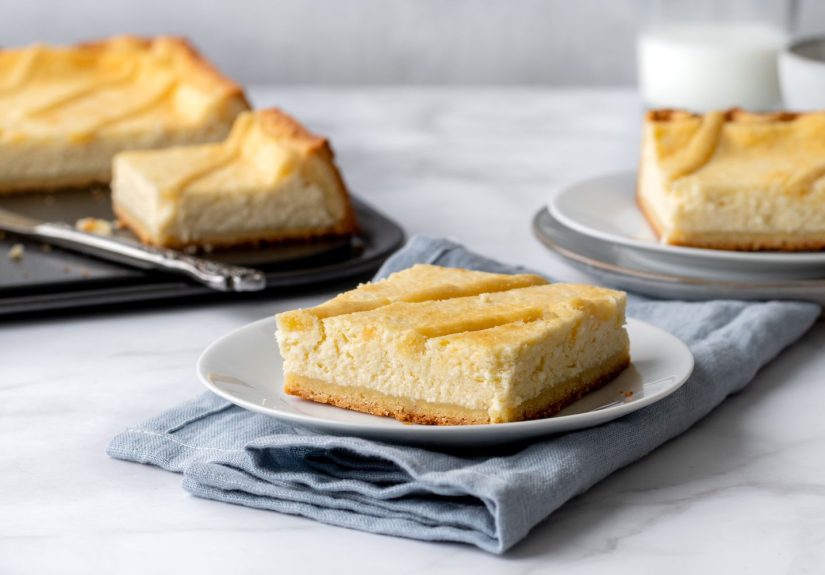
If American cheesecake is the loud, sparkly cousin who shows up in a sequined outfit and demands a spotlight, Polish sernik is the elegant relative who
quietly steals the show by simply being ridiculously good. It’s creamy, lightly tangy, gently sweet, and often perfumed with vanilla and citrus.
The real magic is the cheese: Polish-style farmer’s cheese (twaróg/curd cheese), which bakes up with a tender, not-too-heavy texture that feels like
cheesecake’s “I woke up like this” era.
This recipe is a classic baked sernik with a simple shortcrust base (optional, but traditional). You’ll get a cheesecake that’s not cloying, not gummy,
and not the size of a phone book. It’s just rightlike Goldilocks, if Goldilocks was Polish and carried a whisk.
What Makes Sernik Different From American Cheesecake?
The headline difference is the cheese. Traditional sernik uses twaróg (often sold in the U.S. as farmer’s cheese, dry curd cottage cheese, or “quark”
depending on brand and region). It’s fresher and tangier than cream cheese, and it can be a little grainy unless you smooth it outso we do.
The second difference: sweetness. Sernik is usually less sweet, which means you actually taste dairy and vanilla instead of “sugar with a side of sugar.”
The third difference: texture. Many sernik recipes whip egg whites and fold them in for a lighter crumbthink “cheesecake meets cloud,” but the cloud
still has responsibilities.
Ingredients
Cheese Filling
- 2 pounds (908 g) farmer’s cheese / twaróg (see notes for substitutes)
- 8 tablespoons (113 g) unsalted butter, softened
- 1 cup (200 g) granulated sugar
- 6 large eggs, separated
- 1 cup (240 g) sour cream (full-fat for best texture)
- 2 tablespoons potato starch (or cornstarch)
- 1 tablespoon all-purpose flour (optional, for extra stability)
- 2 teaspoons vanilla extract
- Zest of 1 lemon (and/or 1 orangeyour call)
- Pinch of salt
- 1/2 cup (75 g) golden raisins (optional)
- 2 tablespoons chopped candied orange peel (optional, very traditional)
Traditional Shortcrust Base (Optional but Classic)
- 2 cups (240 g) all-purpose flour
- 1/2 cup (100 g) granulated sugar
- 3/4 teaspoon baking powder
- 8 tablespoons (113 g) unsalted butter, cold and cubed
- 2 large egg yolks
- 3 tablespoons sour cream
- Pinch of salt
Simple Finish
- Powdered sugar for dusting or a thin sour-cream glaze (ideas below)
Equipment You’ll Want (No Weird Gadgets, Promise)
- 9-inch springform pan (or a deep 9-inch cake pan lined very well)
- Parchment paper
- Food processor, blender, or hand mixer (for smoothing the cheese)
- Large mixing bowls
- Roasting pan (only if you choose a water bath)
- Instant-read thermometer (optional but confidence-boosting)
Before You Start: Choosing the Right Cheese
If you can find twaróg at a Polish/Eastern European market, grab it. If not, U.S. “farmer’s cheese” works well. The goal is a curd-style
cheese that tastes fresh and slightly tangy.
If your farmer’s cheese is dry or crumbly: that’s normaljust process it until smooth. If it still seems very stiff, the sour cream in
this recipe helps bring it into a creamy, spreadable batter.
Smart Substitute (If You Can’t Find Farmer’s Cheese)
Not traditional, but practical: use ricotta + cream cheese to mimic tang and body. Replace the farmer’s cheese with:
24 oz whole-milk ricotta (drained) + 16 oz cream cheese. The result won’t be identical, but it’s still a lovely “sernik-inspired”
cheesecake.
Step-by-Step: Traditional Sernik
1) Prep the Pan and Oven
- Heat oven to 325°F.
- Grease the springform pan lightly. Line the bottom with parchment.
- If you’re nervous about leaks, set the springform pan on a sheet pan. (Sernik is polite, but springform pans are sometimes drama.)
2) Make the Optional Shortcrust Base
- In a bowl, whisk flour, sugar, baking powder, and salt.
- Cut in cold butter until the mixture looks like coarse sand with a few pea-size bits.
- Add egg yolks and sour cream. Mix just until a soft dough forms.
- Press dough evenly into the bottom of the pan (and about 1/2 inch up the sides if you want). Prick with a fork.
- Bake 10–12 minutes, just until it looks set and lightly matte. Cool while you make the filling.
3) Smooth the Cheese (This Is the “No Grainy Cheesecake” Button)
- Process the farmer’s cheese in a food processor until very smooth. If needed, do it in batches. Scrape the bowl often.
- You’re aiming for a thick, creamy texturelike a spreadable ricotta, not like wet cement.
4) Mix the Filling
- In a large bowl, beat butter + sugar until fluffy, about 2 minutes.
- Beat in egg yolks one at a time. Add vanilla, citrus zest, salt.
- Mix in the smoothed farmer’s cheese, then blend in sour cream.
- Sprinkle in potato starch (and flour if using). Mix gently until just combined.
- Fold in raisins and/or candied orange peel if using.
5) Whip Egg Whites and Fold (Light Texture, No Concrete Vibes)
- In a clean bowl, whip egg whites to soft peaks (they should hold shape but still look glossy).
- Fold the whites into the cheese mixture in 2–3 additions. Use a spatula, and keep it gentlethink “tucking in a baby,” not “stirring drywall.”
6) Bake
- Pour filling over the crust (or directly into the pan for crustless sernik). Smooth the top.
- Bake at 325°F for 15 minutes, then reduce to 300°F and bake another 45–60 minutes.
- The cheesecake is done when the edges are set and the center has a gentle wobble (about a 2–3 inch circle in the middle).
Optional: Water Bath (Extra Insurance)
Sernik can bake beautifully without a water bath, especially at lower heat. But if your oven runs hot or you fear cracks like a cat fears cucumbers,
you can use one:
- Wrap the springform pan tightly in 2 layers of heavy-duty foil.
- Set it in a roasting pan and add hot water halfway up the sides.
- Bake as directed.
7) Cool Like a Pro (The Secret to Fewer Cracks)
- Turn off the oven and crack the door open.
- Let the cheesecake sit in the oven 45–60 minutes.
- Remove and cool at room temperature 1–2 hours.
- Chill at least 6 hours, ideally overnight, before slicing.
How to Tell If It’s Done (Without Guessing and Hoping)
The jiggle test works: the edges should look set, while the center still trembles slightly when you nudge the pan. If you like extra certainty, an
instant-read thermometer can help. Egg-and-dairy desserts are generally safe when cooked adequately; many food-safety sources use 160°F
as a benchmark for egg mixtures.
Serving Ideas (Traditional and “Why Not?”)
Classic Polish-Style
- Powdered sugar dusting (simple and elegant)
- Citrus zest over the top for aroma
- Tea or coffeeespecially if someone’s aunt is visiting
Light Glaze (Sour Cream Finish)
Stir together 1/2 cup sour cream, 2 tablespoons powdered sugar, and a splash of vanilla. Spread a thin layer over the chilled
cheesecake.
Fruit Toppings
- Warm berry compote (raspberry, cherry, blueberry)
- Thinly sliced strawberries with a squeeze of lemon
- Plum jam warmed and brushed on top
Troubleshooting (Because Cheesecake Loves Plot Twists)
My Cheesecake Cracked
Usually one of three things: too much air (overmixing), too much heat (overbaking), or too much temperature shock (fast cooling). The good news: powdered sugar,
fruit, or a sour-cream glaze turns cracks into “rustic charm” in about 10 seconds.
It’s Grainy
The cheese wasn’t smooth enough. Next time, process it longer or push it through a sieve. Farmer’s cheese is worth the effortlike a good playlist, it needs a little
curation.
It’s Too Dense
Egg whites may have been folded too aggressively (deflated), or the batter may have been mixed too long after adding starch. Keep folding gentle and stop mixing when
everything looks evenly combined.
Make-Ahead and Storage
- Make ahead: Sernik is better the next day. Chill overnight for the cleanest slices and best texture.
- Fridge: Store covered for up to 4–5 days.
- Freeze: Freeze slices (wrapped well) up to 2 months. Thaw overnight in the fridge.
Recipe Summary (Printable-Style)
Traditional Polish Cheesecake (Sernik)
Yield: 1 (9-inch) cheesecake | Time: ~25 minutes prep, ~60–75 minutes bake, plus cooling/chilling
- Preheat oven to 325°F. Prepare pan with parchment and light grease.
- (Optional) Make shortcrust and pre-bake 10–12 minutes. Cool.
- Process farmer’s cheese until smooth.
- Cream butter + sugar. Add yolks, vanilla, zest, salt.
- Mix in cheese, sour cream, starch (and flour if using). Add raisins/orange peel if desired.
- Whip whites to soft peaks; fold gently into batter.
- Bake 15 minutes at 325°F, then 45–60 minutes at 300°F until edges set and center wobbles slightly.
- Cool gradually: 45–60 minutes in cracked-off oven, then room temp, then chill 6+ hours.
- Dust with powdered sugar or add a sour cream glaze. Slice and enjoy.
Experiences With Sernik (The Real-Life Part)
Sernik has a funny way of becoming “the dessert people talk about,” even when it’s sitting quietly on the table looking almost too simple. In many Polish and
Polish-American homes, it’s the kind of cake that shows up for holidays (especially Easter), family birthdays, and “someone is visiting and we must prove we love them”
weekends. And unlike some desserts that require a new set of tools and a motivational speech, sernik mostly asks for patience: smooth the cheese, bake gently, cool slowly.
That’s it. It’s not flashyit’s dependable. Like the friend who brings you soup when you’re sick and doesn’t post about it.
One of the most common first-time sernik experiences is the “cheese quest.” Bakers go to a regular grocery store, see three things labeled “farmer cheese,” and realize
labels are not always helpful. Some farmer cheeses are moist and spreadable; others are dry and crumbly; some are salted; some are not. The best approach is to taste a
tiny bit: you want mild tang, not sharp saltiness. If it’s very dry, you can still make it workprocessing and the sour cream in the filling usually rescue the texture.
Many bakers also discover Eastern European markets for the first time while hunting twaróg, and suddenly they’re leaving with pickles, poppy seed rolls, and a new
personality trait: “I know where to get the good cheese.”
Then comes the mixing moment. If you grew up on American-style cheesecake, you may expect a thick, glossy cream-cheese batter. Sernik batter can look a little differentmore
like a rich custard-meets-whipped-cheese situation. The egg whites especially change the vibe: once folded in, the batter gets airy and lighter, and you can almost
feel it promising a softer crumb. This is also where many people learn the difference between “folding” and “stirring like you’re angry at a math problem.”
Fold gently, and the cake bakes up tender. Stir aggressively, and you’ll still get cheesecakebut it won’t have that classic sernik lift.
Baking sernik is also a lesson in emotional maturity, because you have to stop opening the oven every seven minutes like you’re checking on a sleeping toddler.
Cheesecakeany cheesecakelikes steady heat. And sernik, in particular, rewards low-and-slow baking and a gradual cool-down. The first time someone follows the
“turn the oven off and crack the door” advice, it can feel suspiciously simple. But it works: slow cooling helps the cake settle without dramatic shrinking or cracking.
The result is a top that looks calm and collectedlike it has its life together, even if the rest of us do not.
Finally, there’s the serving. Sernik is often best with minimal toppingpowdered sugar, maybe fruit, maybe a thin glazebecause the flavor is already layered:
tangy cheese, vanilla, citrus, sometimes raisins or candied peel. It’s the kind of dessert that makes people pause mid-bite and say, “Wait… what is in this?”
in a happy, slightly confused tone. And if you’re the baker, that’s the best part. Sernik doesn’t need fireworks. It just needs a fork, a cup of coffee,
and someone nearby who will insist on taking “just a tiny second slice.”