Table of Contents >> Show >> Hide
- First, a quick refresher: what are we preventing?
- The new study’s “recipe”: Mediterranean + calorie control + movement + support
- Your practical “recipe card” to lower type 2 diabetes risk
- Optional but powerful “spices” that make the recipe work better
- Who should pay the most attention to this “recipe”?
- Build your own week: a realistic “diabetes-risk-lowering” template
- When to talk with a professional
- Bottom line
- Experiences: what it’s like to follow the “recipe” in real life (about )
If you’ve ever searched for a single “magic food” to prevent type 2 diabetes, I have good news and mildly annoying news.
The good news: you don’t need kale-flavored destiny. The mildly annoying news: it’s not one ingredientit’s a whole
recipe.
A large, long-running clinical trial found that a Mediterranean-style eating pattern worked best when it came with two
side dishes: modest calorie reduction and regular physical activity, plus structured support. Together, that combo
lowered the odds of developing type 2 diabetes compared with following a Mediterranean diet alone.
Below is an evidence-based “recipe card” you can actually useno food scales carved from marble, no “detox teas,” and
definitely no shame if your first brisk walk is actually… a brisk walk to the mailbox.
First, a quick refresher: what are we preventing?
Type 2 diabetes in plain English
Type 2 diabetes happens when your body becomes less responsive to insulin (often called insulin resistance)
and can’t keep blood sugar (glucose) in a healthy range. Over time, blood sugar runs higher than it should, which can
damage blood vessels and nerves and raise the risk of heart, kidney, and vision problems.
Prediabetes: the “check engine” light
Prediabetes means blood sugar is higher than normal but not yet in the diabetes range. It’s commonand it’s a big
opportunitybecause lifestyle changes can prevent or delay progression for many people.
The new study’s “recipe”: Mediterranean + calorie control + movement + support
The standout finding from a large trial (following thousands of older adults at high risk for years) was this:
a Mediterranean-style diet helped most when participants also reduced calories modestly, increased physical activity,
and received structured weight-loss support. In that study, the combined approach reduced the risk of developing type 2
diabetes by about 31% compared with a Mediterranean diet without the added lifestyle program.
That’s the key point: the Mediterranean pattern isn’t “weak.” It’s just not always a solo act. Add a small calorie
deficit, consistent movement, and coaching/accountabilityand the results get meaningfully better.
Think of it like a real recipe
A great chili isn’t just beans. It’s beans plus spices plus simmer time plus someone tasting it
halfway and saying, “Needs more cumin.” Diabetes prevention works the same way.
Your practical “recipe card” to lower type 2 diabetes risk
Ingredient 1: A Mediterranean-style plate (most days)
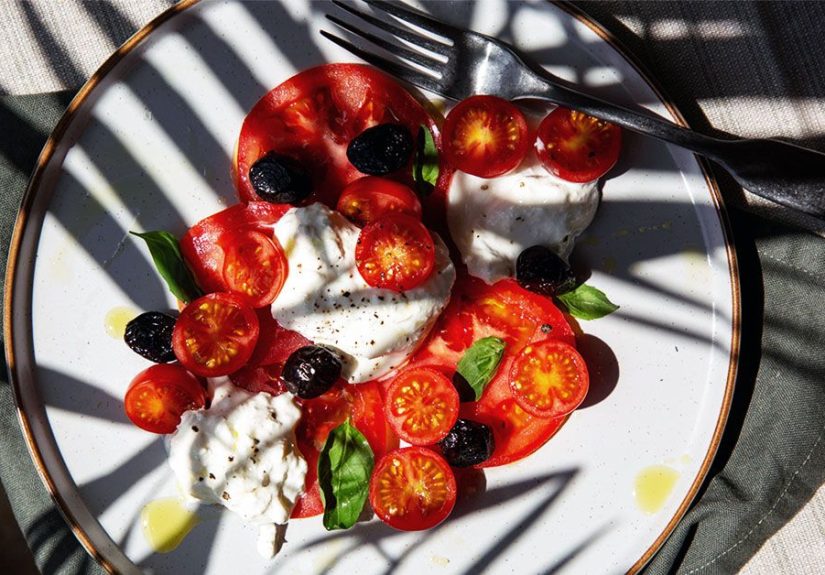
A Mediterranean pattern emphasizes vegetables, fruits, beans, lentils, whole grains, nuts, seeds, and healthy fats
(especially olive oil), with moderate fish and poultry and less red/processed meat and sweets.
Use this simple plate formula:
- ½ plate: non-starchy vegetables (salad, broccoli, peppers, greens, zucchini, cauliflower)
- ¼ plate: protein (fish, chicken, tofu, eggs, beans, Greek yogurt)
- ¼ plate: high-fiber carbs (beans, oats, quinoa, brown rice, whole-wheat pasta, sweet potato)
- + 1–2 thumbs: healthy fats (olive oil, nuts, seeds, avocado)
Why it helps: meals built this way often have more fiber, better fat quality, and fewer ultra-refined carbssupporting
steadier post-meal blood sugar and better satiety.
Ingredient 2: Modest calorie reduction (not misery)
In the trial that sparked the “recipe” headlines, the intervention included reducing daily calories by roughly a few
hundred (about 600 per day). You don’t need perfection; you need a repeatable, mild deficit if weight loss is a goal.
Three painless ways to create a small deficit:
- Downsize the “energy extras”: sugary drinks, fancy coffee calories, chips, pastries, “just a handful” snacks that are actually three handfuls.
- Keep protein steady: it helps fullness and supports muscle while losing weight.
- Make fiber your wingman: beans, lentils, oats, vegetables, berriesthese add volume without a calorie explosion.
Evidence repeatedly shows that losing a relatively small amount of body weightoften around 5–7% for people
with prediabetescan significantly reduce the risk of developing type 2 diabetes.
Ingredient 3: Movement you can actually keep doing
Many guidelines converge on a simple target: about 150 minutes per week of moderate-intensity activity
(think brisk walking) plus 2 days per week of muscle-strengthening activity.
Translation: the “30 minutes, 5 days” plan works. But it also works as:
- 3 × 10-minute walks per day
- 50 minutes, 3 days per week
- “Walking meetings” + weekend errands on foot
Add strength training because muscle is a glucose-using powerhouse. You don’t need a gym membership and a “beast mode”
playlist. You can start with sit-to-stands from a chair, wall push-ups, resistance bands, or light dumbbells.
Ingredient 4: Support (a.k.a. the secret sauce)
The new study didn’t just hand participants a pamphlet and wish them luck. It included professional guidance and ongoing
support. That matters because behavior change is a skill, not a personality trait.
Support can look like:
- A structured lifestyle program (like evidence-based diabetes prevention programs)
- Check-ins with a registered dietitian
- A walking buddy or group class
- Tracking (steps, meals, or weight) if it helps youno moral scoring allowed
Optional but powerful “spices” that make the recipe work better
Sleep: the most underrated blood-sugar tool
Most adults do best with roughly 7–9 hours of sleep. Large observational research also suggests that
habitual short sleep is associated with higher risk of developing type 2 diabeteseven among people who otherwise eat
well. In other words, you can’t always “salad” your way out of sleep deprivation.
Try a low-drama sleep upgrade:
- Keep wake time consistent (even on weekends, within reason)
- Dim screens 30–60 minutes before bed
- Cut caffeine earlier in the day if sleep is fragile
Stress: not “just in your head”
Chronic stress can nudge people toward less sleep, more cravings, and fewer workoutsso it can indirectly raise risk.
The goal isn’t to become a stress-free monk; it’s to build a small “reset” habit you’ll actually use.
- Two minutes of slow breathing
- A short walk after meals
- “If-then” plans (If I’m stressed after work, then I’ll do a 10-minute walk before dinner)
Added sugar, ultra-processed foods, and the “liquid calories” trap
You don’t have to ban sugar like it’s a villain in a superhero movie. But health guidance commonly recommends keeping
added sugars relatively low (often framed as less than about 10% of daily calories). A practical place to start is
swapping sugar-sweetened drinks for water, sparkling water, or unsweetened tea.
Smoking and alcohol: risk isn’t just about carbs
Lifestyle risk isn’t only food and exercise. Avoiding nicotine and keeping alcohol moderate (or skipping it entirely)
supports metabolic and cardiovascular healthboth tightly linked with diabetes risk.
Who should pay the most attention to this “recipe”?
Anyone can benefit from healthier habits, but it’s especially worth prioritizing if you have:
- Prediabetes
- Overweight/obesity or increasing waist circumference
- A family history of type 2 diabetes
- A history of gestational diabetes
- High blood pressure, abnormal cholesterol, or other metabolic risk factors
If you’re unsure where you stand, ask a clinician about screening (often a fasting glucose, A1C, or oral glucose
tolerance test). Knowing your numbers is not a judgment; it’s a map.
Build your own week: a realistic “diabetes-risk-lowering” template
A simple grocery list (Mediterranean style)
- Vegetables: leafy greens, peppers, cucumbers, broccoli, onions, frozen veggie mixes
- Fruits: berries, apples, oranges (whatever you’ll eat before it turns into compost)
- Proteins: salmon/tuna, chicken, eggs, tofu, beans/lentils, plain Greek yogurt
- High-fiber carbs: oats, brown rice, quinoa, whole-wheat pasta, sweet potatoes
- Fats & flavor: olive oil, nuts, seeds, olives, herbs, garlic, lemon
One day of meals (example, not a commandment)
- Breakfast: oatmeal + berries + walnuts (or eggs + veggies + whole-grain toast)
- Lunch: big salad + chickpeas + olive oil & lemon + whole-grain pita
- Snack (if needed): Greek yogurt + cinnamon, or an apple + peanut butter
- Dinner: baked fish or tofu + roasted vegetables + quinoa, drizzle of olive oil
- After-dinner move: 10–15 minute walk (small habit, big consistency win)
Movement plan for beginners (no heroics required)
- Week 1: 10 minutes walking after one meal daily
- Week 2: 20 minutes walking, 5 days/week
- Week 3: 30 minutes walking, 5 days/week
- Add strength: 2 days/week (10–15 minutes): squats-to-chair, wall push-ups, band rows
The point isn’t to “go hard.” The point is to make your future self quietly say, “Wow, we’re the kind of person who
does this now.”
When to talk with a professional
If you already have prediabetes, take medications that affect blood sugar, have symptoms like frequent urination or
unusual thirst, or you’re trying to lose weight with medical conditions in the mix, partner with a clinician.
A registered dietitian can help tailor the “recipe” to your culture, budget, schedule, and preferencesbecause the
best plan is the one you’ll still be doing three months from now.
Bottom line
The newest headline-friendly takeaway is refreshingly un-magical: a Mediterranean-style way of eating helps, and it
helps even more when combined with modest calorie reduction, regular physical activity, and ongoing support. That’s
the “recipe”and it’s built from ordinary, repeatable steps.
You don’t need to overhaul your identity. You need a handful of habits you can repeat on your worst Tuesday. Do that
consistently, and the risk math starts moving in your favor.
Experiences: what it’s like to follow the “recipe” in real life (about )
Most people don’t struggle with the idea of lowering diabetes risk. They struggle with the Tuesday-at-6:40-p.m.
reality of it: you’re hungry, your brain wants convenience, and your couch is giving a motivational speech about
“rest and recovery.”
One common experience in week one is realizing how many calories sneak in through “liquid decisions.” A person might
swap a daily sweetened coffee drink for unsweetened iced coffee with a splash of milk, or replace soda with sparkling
water and citrus. The first few days can feel like your taste buds are filing a formal complaint. Then something
funny happens: cravings often get quieter, especially when meals include enough protein and fiber to keep you full.
Another experience: the Mediterranean pattern feels easier when it’s treated like “mix and match” instead of
“gourmet performance.” People do well with repeatable lunches: a big salad kit upgraded with canned beans, leftover
chicken, or tuna; olive oil and vinegar; and a piece of fruit. It’s not glamorous, but it’s dependablelike the
friend who actually shows up to help you move.
Movement is where expectations can get hilariously unrealistic. Many people start thinking exercise must be dramatic
to “count.” Then they try a 10-minute walk after dinner and notice it’s doableeven on busy days. Some report that
post-meal walks become a “mental off-ramp” from stress: they sleep a bit better and snack less at night. Others like
“stacking” movement onto routines they already have: parking farther away, taking stairs for one flight, or doing
squats-to-chair during TV time. The surprising part is how quickly consistency builds confidence. You stop negotiating
with yourself because the habit becomes normal.
Calorie reduction often works best when it’s subtle. People describe success not from tiny portions, but from
switching the default: more vegetables, fewer ultra-processed snacks, and slightly smaller servings of refined
carbs. Instead of “no pasta,” it becomes “pasta with a mountain of veggies and a real protein.” Instead of “no dessert,”
it becomes “dessert a few times a week, and fruit the other nights.” This is where the plan starts feeling like a life,
not a punishment.
Finally, support is the underrated experience-changer. People who join a program or enlist a friend often say the
biggest benefit is not informationit’s follow-through. Someone checks in. You set small goals. You troubleshoot
setbacks without spiraling into “I blew it.” And that may be the most realistic recipe of all: not perfect eating,
not perfect workoutsjust steady improvements, repeated until they stick.