Table of Contents >> Show >> Hide
- What Is a Low-Fat Diet, Exactly?
- Do Low-Fat Diets Work for Weight Loss?
- The Best Foods to Include on a Low-Fat Weight Loss Plan
- Foods That Quietly Sabotage a “Low-Fat” Diet
- How to Build a Low-Fat Diet That Actually Helps You Lose Weight
- Sample One-Day Low-Fat Meal Plan for Weight Loss
- Common Mistakes People Make on Low-Fat Diets
- Who Might Benefit Most From a Low-Fat Diet?
- Conclusion: The Real Truth Behind a Video on Low-Fat Diets for Weight Loss
- Experiences Related to “Video on Low-Fat Diets for Weight Loss”
- SEO Tags
If you clicked on a video about low-fat diets for weight loss, you were probably hoping for one of two things: a simple answer or a magical food list that somehow includes nachos and still leads to abs. Life, unfortunately, is rarely that cinematic. But here is the good news: a well-designed low-fat eating plan can absolutely help with weight loss. The catch is that it has to be a smart low-fat diet, not a “fat-free cookies and sadness” diet.
Low-fat diets have been around for decades, and they still matter because they can lower calorie intake, improve food quality, and help many people feel satisfied on fewer calories when meals are built around vegetables, fruit, whole grains, beans, lean protein, and low-fat dairy. At the same time, modern research has made one thing clear: low-fat is not a magic word. If a diet is low in fat but high in sugar, ultra-processed snacks, and giant portions, the scale will not send you a thank-you note.
This article breaks down what a low-fat diet really means, whether it works for weight loss, what to eat, what to avoid, and how real people tend to experience this approach in everyday life. Think of it as the article version of the video you actually wanted: informative, practical, and free of dramatic background music.
What Is a Low-Fat Diet, Exactly?
A low-fat diet does not mean eliminating fat entirely. Your body needs fat for hormone production, cell function, and absorption of vitamins like A, D, E, and K. In practical nutrition terms, a low-fat diet usually means keeping total fat intake relatively modest while especially limiting saturated fat. That usually translates into meals centered on lower-energy-dense foods: produce, whole grains, legumes, lean proteins, and low-fat or fat-free dairy.
In plain English, a smart low-fat meal looks like oatmeal with fruit and low-fat yogurt, a turkey sandwich on whole-grain bread with a pile of crunchy vegetables, or a rice bowl with beans, grilled chicken, salsa, and roasted vegetables. It does not mean pretending buttered croissants are a vegetable because they contain “wheat.”
Do Low-Fat Diets Work for Weight Loss?
Yes, they can. A low-fat diet can support weight loss because fat is calorie-dense, providing more calories per gram than carbohydrate or protein. When people reduce high-fat foods and replace them with foods rich in fiber and water, they often lower total calorie intake without feeling like they are eating birdseed off a windowsill.
That said, the best evidence does not show that low-fat diets always beat every other strategy. Long-term research suggests that low-fat diets usually help people lose more weight than simply eating their usual diet, but they are not consistently superior to other structured approaches, especially when those competing diets are equally well-designed and equally well-followed. Translation: the winner is often the eating pattern you can stick with, not the one with the loudest internet fan club.
There is also an important nuance. Some controlled feeding research found that people eating a low-fat, plant-based diet naturally consumed fewer calories and lost body fat, even when they were allowed to eat as much as they wanted. Why? Foods like potatoes, beans, fruit, vegetables, and whole grains often deliver more volume for fewer calories than cheese-heavy, oil-heavy, or meat-heavy meals. In everyday life, that matters a lot.
Why Low-Fat Diets Can Be Effective
Low-fat diets often work well for weight loss for four main reasons. First, they can reduce calorie density, meaning you can eat a larger volume of food for fewer calories. Second, they tend to encourage more whole foods, especially fruits, vegetables, beans, and whole grains. Third, they can make portion control easier when high-fat extras like creamy sauces, fried coatings, and buttery toppings are reduced. Fourth, many low-fat staples are simple, affordable, and easy to repeat, which helps with consistency.
And consistency is the part of weight loss most people hate hearing about because it is less exciting than “melt belly fat by Tuesday.” But consistency is the whole ballgame.
The Best Foods to Include on a Low-Fat Weight Loss Plan
1. Fruits and Vegetables
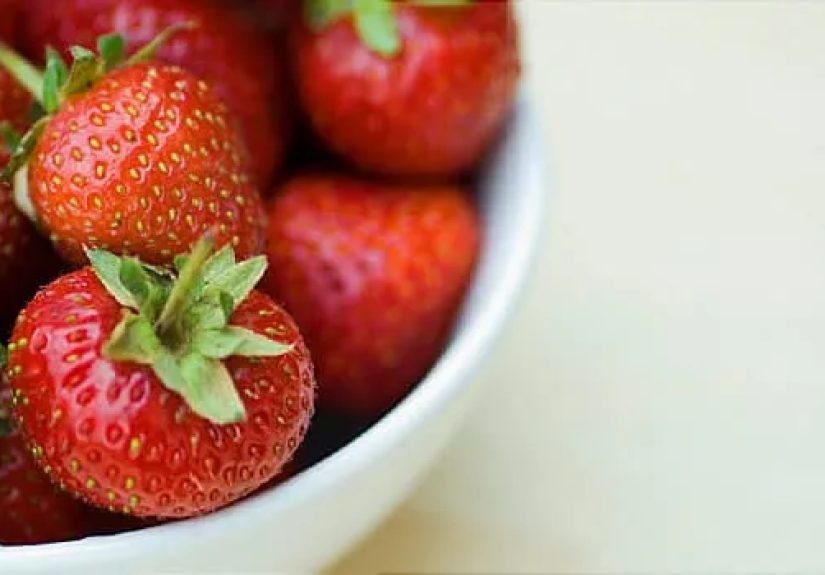
These are the all-stars of a low-fat diet. Most fruits and vegetables are naturally low in fat and calories while being high in fiber, water, vitamins, and minerals. They add bulk to meals, which helps you feel full without sending your calorie intake into orbit. Great options include berries, apples, oranges, leafy greens, broccoli, carrots, cauliflower, squash, tomatoes, and peppers.
2. Whole Grains
Whole grains provide fiber and steady energy. Oats, brown rice, quinoa, whole-wheat bread, and whole-grain pasta can fit beautifully into a low-fat plan. The trick is not to drown them in butter, cream sauce, or enough cheese to qualify as a dairy parade.
3. Beans, Lentils, and Peas
If low-fat diets had a secret weapon, it would be legumes. They are filling, rich in fiber, and provide plant-based protein. They work in soups, salads, chili, burrito bowls, and pasta dishes. They are also budget-friendly, which is good news because your grocery bill should not need its own financial advisor.
4. Lean Protein
Chicken breast, turkey, fish, egg whites, tofu, edamame, and very lean cuts of meat can help preserve muscle while you lose weight. Protein also improves fullness, which is especially helpful when you are eating fewer calories overall.
5. Low-Fat or Fat-Free Dairy
Low-fat milk, yogurt, and cottage cheese can provide protein and calcium without as much saturated fat as full-fat versions. Plain Greek yogurt is especially useful because it can double as breakfast, snack, or even a creamy ingredient in dips and dressings.
Foods That Quietly Sabotage a “Low-Fat” Diet
Here is where many people get tricked. A food can be labeled “low-fat” and still be a nutritional prank. Some packaged low-fat foods make up for missing fat by adding sugar, refined starches, or enough sodium to make your taste buds file a complaint. Others are simply easy to overeat because they feel “safe.”
Common troublemakers include:
- Low-fat cookies, snack cakes, and frozen desserts
- Sugary cereals marketed as healthy
- Fat-free coffee drinks loaded with syrup
- Massive smoothies that are basically melted dessert with a banana cameo
- Oversized portions of refined grains like white pasta, white bread, and crackers
The lesson is simple: low-fat works best when it is built from whole or minimally processed foods, not from a shopping cart full of “diet” products wearing clever packaging.
How to Build a Low-Fat Diet That Actually Helps You Lose Weight
Start With Volume
Begin meals with foods that add fullness: vegetable soup, salad with light dressing, fruit, or cooked vegetables. This can help reduce how much of the richer foods you eat later.
Keep Protein in Every Meal
Many failed low-fat diets were really just low-fat, low-protein, high-hunger diets in disguise. Include protein at breakfast, lunch, dinner, and snacks so you do not spend your afternoon fantasizing about drive-thru fries.
Watch the Sugar Trade-Off
If you remove fat but replace it with sugar, you have not improved much. Check labels, especially on yogurt, granola bars, cereal, sauces, and “healthy” snacks.
Use Small Amounts of Healthy Fats Intentionally
A low-fat plan is not a no-fat plan. A little olive oil, some avocado, or a small portion of nuts can improve flavor and make meals more satisfying. The goal is moderation, not culinary punishment.
Sample One-Day Low-Fat Meal Plan for Weight Loss
Breakfast
Oatmeal cooked with low-fat milk, topped with blueberries, sliced banana, and cinnamon. Add a side of plain Greek yogurt.
Lunch
Whole-grain wrap with grilled chicken, lettuce, tomato, cucumber, mustard, and a spoonful of hummus. Serve with baby carrots and an apple.
Snack
Low-fat cottage cheese with pineapple, or air-popped popcorn with fruit.
Dinner
Baked salmon or seasoned tofu, brown rice, roasted broccoli, and a side salad with a light vinaigrette.
Dessert
Fresh berries with a spoonful of low-fat yogurt, or a square of dark chocolate if you want something sweet without turning dessert into a side quest.
Common Mistakes People Make on Low-Fat Diets
The first mistake is cutting fat so aggressively that meals become bland and unsatisfying. That usually ends with late-night snacking, because hunger has a way of sending follow-up emails.
The second mistake is eating too many refined carbohydrates. A plate of white pasta with fat-free sauce and no protein is technically lower in fat, but it may leave you hungry again fast.
The third mistake is ignoring portion size. Even healthy foods can stall weight loss if portions are huge. Brown rice is great. A mountain of brown rice the size of a toddler beanbag chair is a separate issue.
The fourth mistake is forgetting that exercise, sleep, and routine matter. Nutrition does the heavy lifting for weight loss, but movement, sleep, and stress management help keep appetite and habits under control.
Who Might Benefit Most From a Low-Fat Diet?
A low-fat diet may be a great fit for people who enjoy higher-volume meals, like fruit, vegetables, grains, beans, and lean proteins, and who do well with structured, familiar food choices. It can also suit people trying to lower saturated fat intake for heart health while losing weight.
Still, not everyone loves this style of eating. Some people feel better with a slightly higher-fat pattern that still emphasizes healthy foods. Others do better when carbohydrate intake is more controlled. The most effective plan is one that supports your health, fits your preferences, and does not make you feel like you are trapped in an endless breakup with lunch.
Conclusion: The Real Truth Behind a Video on Low-Fat Diets for Weight Loss
If a video on low-fat diets for weight loss promises instant results, dramatic before-and-after photos, and a fridge full of “miracle” snacks, it is probably more entertainment than education. The real story is less flashy but much more useful. Low-fat diets can work. They can help people lower calories, feel full on fiber-rich foods, improve food quality, and lose weight in a sustainable way. But they work best when they focus on real food, balanced meals, enough protein, and realistic habits.
So no, you do not need to fear all fat. And no, you do not need to live on rice cakes that taste like recycled packing material. A practical low-fat diet is not about eating less joy. It is about eating with enough strategy that your calories stop freelancing.
Experiences Related to “Video on Low-Fat Diets for Weight Loss”
In real life, people’s experiences with low-fat diets are usually far more ordinary and more revealing than flashy internet transformations. One common experience is that the first week feels easy because the plan seems clear: eat more fruit, more vegetables, lean protein, and less fried food, butter, creamy sauces, and heavy snacks. The fridge looks healthier almost overnight. There is a sense of momentum. Many people say they immediately feel less sluggish simply because fast food meals and random snacking get replaced with more structured eating.
Then comes the second phase, which is where the real lessons begin. Some people discover that low-fat eating helps them naturally cut calories because their meals contain more volume. A bowl of vegetable soup, a big salad with grilled chicken, fruit, low-fat yogurt, and rice with beans can physically fill the stomach without packing the same calorie load as burgers, pastries, chips, and creamy pasta. These people often say, “I was surprised that I wasn’t starving.” That is usually the moment when the plan starts feeling realistic instead of theoretical.
Other people have a different experience. They cut obvious fats, but they accidentally replace them with refined carbs and sweet snacks. Suddenly breakfast becomes low-fat cereal, lunch becomes a giant bagel, and snacks become pretzels, granola bars, and frozen yogurt. Technically, the diet is lower in fat, but hunger sneaks back quickly. These people often feel frustrated and say the diet “didn’t work,” when the real issue was not the concept of low-fat eating but the quality and balance of the food choices.
Another common experience involves taste. In the beginning, some meals seem bland because fat carries flavor. People who succeed long term usually learn to rely on herbs, spices, salsa, vinegar, citrus, mustard, garlic, onion, and cooking techniques like roasting or grilling. Once that shift happens, meals stop feeling like punishment. They start feeling normal again, which is a huge victory in any weight-loss effort.
Busy adults often report that meal prep becomes the difference between success and takeout. When low-fat staples are ready to go, such as cooked rice, chopped vegetables, fruit, beans, yogurt, and lean protein, staying on plan becomes much easier. Without preparation, hunger tends to make executive decisions, and those decisions are not always Nobel Prize material.
Many people also notice that the best results come when low-fat eating is paired with walking, strength training, and better sleep. The diet works better because the whole routine works better. Over time, the most successful experience is usually not dramatic. It is steady. Clothes fit better. Energy improves. Restaurant choices get easier. The person learns what a satisfying, lower-fat plate actually looks like. And perhaps most importantly, the plan starts to feel like regular life instead of a temporary food identity crisis.