Table of Contents >> Show >> Hide
- What Is the Vitra Cité Chair, Exactly?
- At-a-Glance Specs (Because Tape Measures Deserve Respect)
- The Design Story: Why This Chair Isn’t Trying Too Hard
- What Makes the Cité Instantly Recognizable
- Comfort and Ergonomics: Low Seat, High Payoff
- Fabric vs. Leather: How to Choose Without Regretting It Later
- Where the Cité Chair Works Best
- Styling Tips: Make It Look Expensive (Without Trying Too Hard)
- Care and Maintenance: Keep the Icon Looking Like an Icon
- Buying Guide: What to Know Before You Click “Add to Cart”
- Is the Vitra Cité Chair “Worth It”?
- FAQ
- Conclusion
- : Living With the Cité Experience Notes (Real-World, Not Showroom Fantasy)
Some furniture pieces whisper. The Vitra Cité chair doesn’t whisperit does that calm, confident “I was engineered, not styled”
thing… and then casually steals the best seat in the room. Known variously as the Cité Armchair and the
Cité Lounge Chair (retailers love their own naming conventions), this Jean Prouvé design has a rare superpower:
it looks like a clean-lined modern sculpture, but it’s built for actual humans who sit, slump, read, nap, scroll, and occasionally
argue over what counts as “just one more episode.”
In this guide, we’ll break down what the Cité is, why it became an icon, what you’re really paying for, how it feels to live with,
and how to choose the right version for your spacewithout turning your living room into a museum where nobody’s allowed to breathe.
What Is the Vitra Cité Chair, Exactly?
The Cité chair is a lounge-forward armchair originally designed in 1930 by French engineer-designer Jean Prouvé. It was created for
student residences at the Cité Universitaire in Nancy, Franceyes, a lounge chair made with dorm-life durability in mind. That origin
story matters, because it explains the whole vibe: sturdy, easy to understand, and focused on function before flair.
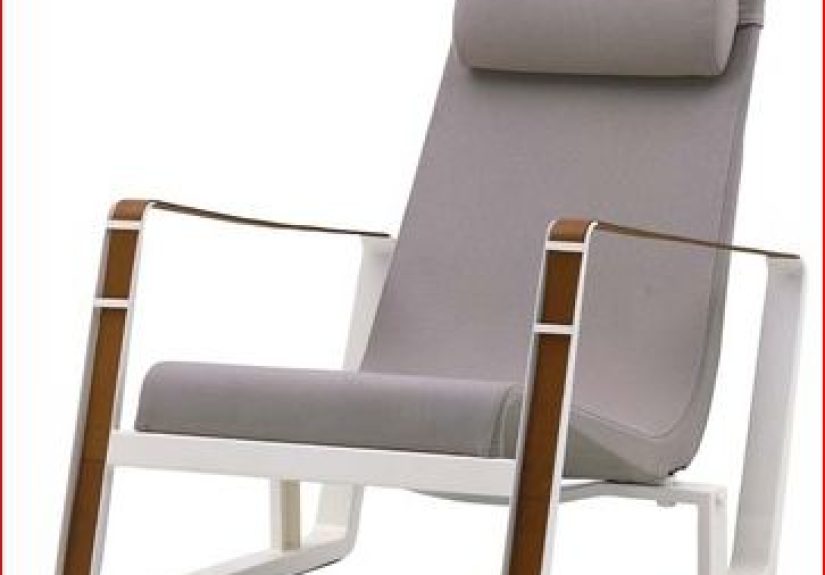
Today, Vitra produces the authorized edition of the Cité. The chair’s identity is instantly recognizable: angled sheet-steel arms and
runners, wide leather strap armrests, a single-piece upholstered seat/back, and a height-adjustable neck cushion that makes the chair
feel more “ahhh” than “ahem.”
At-a-Glance Specs (Because Tape Measures Deserve Respect)
- Overall size: about 26.75″ wide × 37.5″ deep × 33″ high (height varies by how the head/neck cushion is positioned)
- Seat height: often listed around 13.25″, but the seat compresses under load and can feel closer to “low lounge” territory
- Signature materials: powder-coated/bent sheet steel frame; upholstery in fabric or leather; saddle leather strap armrests
- Comfort features: generous seat/back cushions + adjustable neck support
- Style category: modernist, industrial-leaning, warm-minimal when upholstered in soft textiles
Note on measurements: different sellers report slightly different heights depending on whether they measure with the neck cushion set high
(and whether they measure “unloaded” or “with applied load”). For shopping, treat the width and depth as the non-negotiables and confirm
the height range for your chosen configuration.
The Design Story: Why This Chair Isn’t Trying Too Hard
Prouvé approached furniture like an engineer. Instead of asking, “How do I make this look fancy?” he asked, “What needs to carry weight?
What needs to flex? What can be produced reliably?” That mindset shows up all over the Cité chair.
The base and arms form an open, angular structure that looks almost like a clever bridge truss turned into seating. The chair’s lines are
clean, but not coldbecause the upholstery and leather straps bring in softness. It’s the classic Prouvé move: industrial logic plus
human comfort, without extra drama.
What Makes the Cité Instantly Recognizable
1) The Angled Steel Runners and Arms
Those sweeping sheet-steel elements do two jobs at once: they create the silhouette (hello, visual icon) and they act as the structural
backbone. Because the chair is low and lounge-friendly, the frame needs to feel planted without becoming bulky. The Cité pulls that off
by being openly structuralno fake “decorative” bits pretending to help.
2) Leather Strap Armrests (A.K.A. The Most Honest Luxury)
The broad leather straps aren’t delicate. They’re thick, practical, and meant to age. Over time, natural leather can soften and deepen
in color, which gives the chair more personality instead of less. It’s one of those details that makes the Cité feel “designed” rather
than “styled for a photo shoot.”
3) A Continuous Upholstered Seat/Back
The seat and back are typically wrapped in a continuous cover. Translation: it looks clean, tailored, and intentionallike a single
upholstered gesture instead of a bunch of cushions stacked on a metal frame. If you like furniture that feels visually calm, this is
one of the Cité’s biggest wins.
4) The Adjustable Neck Cushion
This is where the chair quietly flexes on other “pretty but punishing” modern classics. The neck support is height-adjustable, which means
the chair can work for different bodies and different lounging moodsupright reading, relaxed scrolling, or full “do not disturb.”
Comfort and Ergonomics: Low Seat, High Payoff
The Cité sits low enough to feel lounge-y, but it’s not a beanbag disguised as furniture. The proportions are generous, and the back is
tall enoughespecially with the neck cushionto support long sits. Think: reading marathons, coffee-and-conversation sessions, or that
magical hour when you’re “resting your eyes” but somehow it’s 90 minutes later.
If you’re used to higher, more upright seating (traditional armchairs, dining chairs, task chairs), the Cité can feel like a lifestyle
change. It encourages you to settle in. That’s a benefit if you want a true lounge chair. It’s a drawback if you’re looking for a
“pop up quickly and answer the door” seat. (Although, let’s be honest: sometimes the door can wait.)
Fabric vs. Leather: How to Choose Without Regretting It Later
Fabric Upholstery
Fabric tends to make the Cité feel warmer, softer, and more “living room friendly.” It can also visually downplay the industrial steel
frame, which is great if you like the structure but don’t want your room to feel like a cool factory loft. Textured fabrics can hide
everyday use better than you’d expectespecially in mid-tones.
Leather Upholstery
Leather leans into the chair’s modernist roots and makes the Cité feel more classic-collector. It can also read more formal. If you want
the chair to feel like the centerpiece (and you’re okay with leather’s “it shows life” personality), this can be a stunning choice.
The Wildcard: Those Leather Strap Arms
Regardless of seat material, the arm straps are often natural leather. Expect variation in tonenatural leather is rarely identical from
piece to piece. If you’re the kind of person who wants perfect uniformity, choose a darker strap color or embrace the fact that your chair
will have a little individuality. (It’s not a flaw. It’s a backstory.)
Where the Cité Chair Works Best
Living Room Anchor
The Cité can act as an “instant architecture” pieceespecially in minimalist rooms where you want one object with strong form. Pair it
with a simple side table and a good lamp, and it becomes a ready-made reading corner that looks deliberate without looking staged.
Bedroom Lounge Spot
If your bedroom has space for one serious chair, the Cité is a strong candidate. It’s comfortable enough to read or unwind, and visually
clean enough not to clutter the room. Bonus: it’s an excellent “I’m folding laundry but also emotionally processing my entire week” chair.
Office or Studio “Thinking Chair”
In a home office, the Cité can be a great counterpoint to a desk chair: a place to read, brainstorm, and step away from screens. In a studio
or creative space, it reads as design-forward without screaming for attention.
Hospitality/Waiting Areas (Done Tastefully)
The chair’s origins in institutional/residential environments make it surprisingly appropriate for reception areas, lounges, and boutique
hospitalityespecially when you want something durable that doesn’t look like generic contract furniture.
Styling Tips: Make It Look Expensive (Without Trying Too Hard)
- Let the frame breathe: Don’t crowd it with bulky side tables. The negative space is part of the design.
- Use contrast wisely: A dark frame + light upholstery reads crisp and architectural; a light frame + warm textile reads softer and more casual.
- Add one “softening” element nearby: A wool rug, a linen curtain, or a wood side table keeps the steel from feeling too sharp.
- Skip the fussy pillows: The chair already has its own geometry. One small lumbar pillow is plentyif any.
Care and Maintenance: Keep the Icon Looking Like an Icon
Steel Frame
Treat the powder-coated steel like you would a high-quality appliance finish: gentle cleaning, avoid harsh abrasives, and wipe spills
quickly. The frame is robust, but you don’t want to scratch up what makes the chair look so crisp.
Leather Strap Arms
Leather likes consistency: keep it out of extreme heat, avoid soaking it, and condition occasionally if your climate is dry. Expect
patinait’s part of the charm. If you want the straps to stay closer to “new,” handle them with clean hands and avoid heavy oils/lotions
transferring over time.
Upholstery
Your best friend is the upholstery code and the manufacturer’s care guidance for your specific fabric or leather. In real life, a soft
brush, a vacuum with an upholstery attachment, and quick attention to spills go a long way. If you’re choosing a light textile, consider
your household realities: kids, pets, red wine, and that one friend who treats white furniture like a personal challenge.
Also worth noting: Vitra offers a manufacturer’s warranty on selected products (details vary by region and program), which is a nice
signal that the chair is intended for long-term ownershipnot “replace in three trend cycles.”
Buying Guide: What to Know Before You Click “Add to Cart”
1) Confirm the Name (Armchair vs Lounge Chair)
If you see “Cité Armchair” and “Cité Lounge Chair” with matching dimensions and features (steel frame, leather straps, adjustable neck
cushion), you’re likely looking at the same core design. Different retailers use different product naming, so focus on specs and materials.
2) Order Lead Times Can Be Real
This is not always a “ships tomorrow” item. Many configurations are made-to-order, and lead times can stretchespecially for specific
upholstery choices. If you need a chair for a deadline (new house, big event, “my in-laws are coming”), ask about availability first.
3) Measure Like You Mean It
The Cité is compact-ish in width but generous in depth. That depth is what makes it lounge-worthyalso what can make it feel large in a
tight room. Tape out the footprint. Then tape out the footprint again, because optimism is not a measurement system.
4) Authenticity and the Secondary Market
Prouvé pieces have collector demand, which means the resale market existsand so do vague listings. If you buy secondhand, look for clear
provenance, detailed photos, and seller credibility. For peace of mind, authorized retailers (and reputable museum stores) are the easiest
path to an authentic, current-production chair.
Is the Vitra Cité Chair “Worth It”?
If you want a lounge chair that’s genuinely comfortable, historically significant, and built with materials that feel purposeful, the Cité
is a strong value in the “investment design” category. You’re paying for engineering, authorized production, and details that don’t get
cheaper to do well (hello, steel construction and leather strap work).
The Cité is less compelling if you need a high, upright chair for frequent getting up and down, or if you prefer plush, sink-in softness
over structured lounging. But if you’re shopping for a chair that can be the one “forever piece” you move from apartment to house to
“why do I suddenly own a ladder?” era, it’s hard to argue against it.
FAQ
Does it work in small spaces?
Often, yesbecause it’s relatively narrow. The depth is the main consideration. If you can handle the footprint, the open frame keeps it
from feeling visually heavy.
Is it comfortable without the neck cushion?
Comfortable, yes, but the adjustable cushion is a major part of the long-sit experience. If you love head support, you’ll use it.
Is it more “modern” or “mid-century”?
It’s modernist at heart, which means it can read as mid-century in the right room and contemporary in another. Your upholstery and styling
choices will decide the mood.
Conclusion
The Vitra Cité Arm/Lounge Chair is what happens when a designer-engineer decides comfort and structure can coexist with beautywithout
adding unnecessary noise. It’s a chair with a backstory, a chair with real materials, and a chair that doesn’t need constant “look at me”
energy to be the most interesting object in the room. Choose your upholstery thoughtfully, give it enough breathing room, and it will pay
you back with decades of good sitting (and a surprising number of compliments from people who don’t even “care about chairs”).
: Living With the Cité Experience Notes (Real-World, Not Showroom Fantasy)
Here’s the part nobody tells you in a product listing: the Cité doesn’t just “sit” in a roomit changes how the room gets used. In many
homes, the first week looks like this: someone claims it for reading… then someone else tries it “just for a second”… and suddenly it’s
the chair that’s always occupied, like it has an invisible reservation system.
The low lounge posture is the main reason. You don’t perch on a Cité. You commit. It’s the chair you pick when you want to slow down:
coffee that you actually taste, a book you actually finish, a playlist that turns into a full-on “background soundtrack to my main
character moment.” Because the seat feels lower once you’re in it, you naturally lean back, and the adjustable neck cushion becomes the
difference between “this is nice” and “why don’t all chairs do this?”
In a real living room, it shines as a corner chair. Put it near a window or next to a floor lamp, and it becomes the default spot for
quiet time. The chair also works surprisingly well for conversation because the open steel sides keep it visually lightso even if it’s
a deep chair, it doesn’t block sightlines like a chunky recliner would. It feels like a lounge chair that still respects the room.
If you choose fabric upholstery, the day-to-day experience can feel softer and more relaxedlike the chair is inviting you to use it.
Textured fabric also tends to feel less precious, which encourages normal life: sitting in sweatpants, sharing the seat with a cozy
throw, letting a friend sink in without giving them the “don’t move” speech. If you choose leather upholstery, the experience shifts:
it can feel a little more “tailored” and intentional, and the chair often reads as the hero piece. Leather can also be easier to wipe
down quickly, but it will show its story over timecreases, subtle sheen, the kind of wear that signals actual use.
The leather strap armrests are a daily interaction detail you notice more than you expect. They’re comfortable, slightly springy, and
they warm up in a way metal never does. Over time, they can gain characterespecially where hands land most often. That’s not a defect;
it’s proof the chair is being used as designed.
The only “surprise” for some owners is the depth. In a smaller room, the chair can feel like it reaches out farther than you expected.
The fix is simple: let it be what it is. Don’t squeeze it into a tight traffic path. Give it a clear zone with a small side table and
a little negative space. The chair rewards that setup by looking cleaner, feeling more intentional, and making the room seem calmer.
The most telling long-term experience note is this: the Cité tends to age well visually. Trends shift, rooms get repainted, rugs get
replaced, and the chair still looks like it belongsbecause it wasn’t designed to chase trends in the first place. It’s a “keep forever”
piece that also happens to be the chair people race toward when they visit. Which is flattering. Until you want your seat back.