Table of Contents >> Show >> Hide
- What This Genius Tech Actually Is
- Why Walking a Floor Plan Beats Staring at One
- The Smartest Things to Test Before You Build
- Why This Matters So Much Before Construction Starts
- How Homeowners, Architects, and Builders Benefit
- What the Future of Home Design Looks Like
- What It Feels Like to Walk Your Floor Plan Before You Build
- Final Thoughts
For years, building a home worked like this: you stared at a floor plan, nodded as if you totally understood it, and hoped your future kitchen island would not turn out to be the architectural equivalent of an airport runway. Then construction began, reality arrived, and suddenly everyone discovered that the hallway felt tight, the pantry door collided with the mudroom door, and the “spacious primary bath” somehow felt like a very ambitious closet.
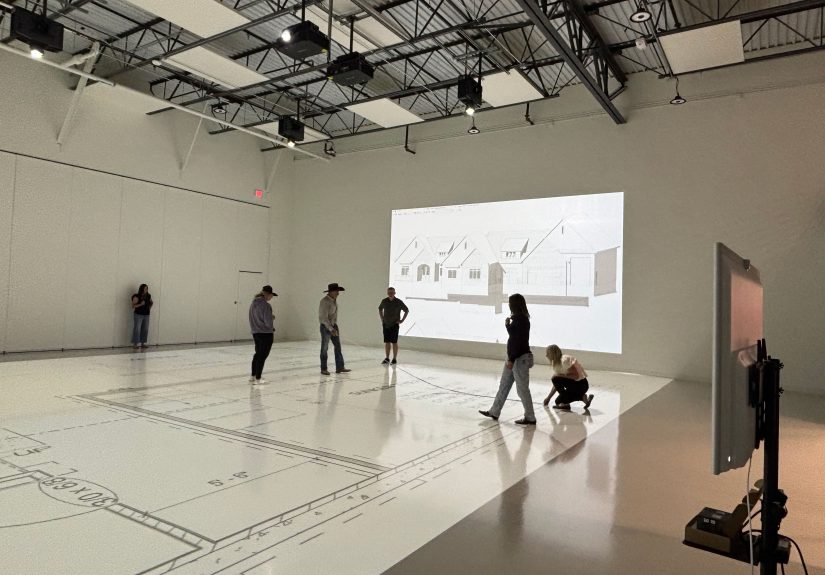
That old workflow is starting to look gloriously outdated. A new generation of home design technology now lets homeowners, architects, and builders walk through a floor plan before construction begins. In some cases, that means visiting a life-size projection studio where your plans are displayed at full scale across the floor and walls. In others, it means using 3D home design software, augmented reality floor plan tools, or mixed-reality headsets to move through a virtual version of your future home.
And honestly? It makes a shocking amount of sense. A blueprint can tell you dimensions, but it cannot always tell you how a room feels. A virtual walkthrough can. That difference matters because good design is not just math. It is movement, sight lines, furniture clearance, storage logic, natural light, and the small daily habits that make a house either delightful or deeply annoying.
If you are planning a custom build, a major renovation, or even a serious addition, this “genius tech” is less about showing off and more about making smarter decisions earlier. Here is why it works, how people are using it, and what you should test before a single wall goes up.
What This Genius Tech Actually Is
The phrase sounds futuristic, but the idea is simple: instead of interpreting a floor plan from paper or a laptop screen, you experience it at a more realistic scale before construction starts. There are a few main ways this happens.
1. Life-Size Floor Plan Projection
This is the crowd-pleaser. A company takes your architectural plans and projects them at full scale into a large studio space. You can physically walk from the entry to the kitchen, stand in the hallway, test how far the island sits from the range, and figure out whether your “great room” is truly great or just generously described.
This approach is especially useful because it strips away guesswork. You are not pinching and zooming on a screen. You are using your body to understand the home. If a room feels narrow, you know it instantly. If a doorway seems awkward, you feel it in about two steps. If your dining area looks fine on paper but weirdly cramped once you imagine chairs pulled out, the problem becomes obvious before the framing crew ever shows up.
2. 3D Walkthrough Software
The second category includes digital tools that convert plans into a virtual walkthrough home design experience. These platforms allow users to create or import a floor plan, view it in 3D, and move through rooms from a human perspective. Some are geared toward professionals, while others are friendly enough for homeowners who can operate a phone without accidentally opening seventeen browser tabs.
The big advantage here is accessibility. You can test layouts, share options with family members, compare finishes, and revisit decisions multiple times without booking studio time. For many projects, this is the easiest first step because it lets you identify broad issues before moving to a more immersive review.
3. Augmented Reality and Mixed Reality
This is where home design starts flirting with science fiction. Augmented reality floor plan tools can overlay a design onto a real space, while mixed-reality devices can place digital walls, cabinetry, and rooms around you in a way that feels surprisingly tangible. Instead of just viewing a model, you interact with it in your environment.
That matters because some design questions are not really about dimensions alone. They are about context. How does a new kitchen wall change the feeling of the room? Does a proposed addition connect naturally to the existing structure? Does the bathroom vanity feel oversized once you stand “in” the room? Spatial computing and AR make those questions easier to answer.
4. Digital Twins and Pre-Construction Visualization
In more advanced workflows, builders and design teams use digital twins, scan-to-model systems, and visualization tools as part of broader pre-construction planning. This is especially useful for remodels, complex additions, and projects where the relationship between the existing house and the new work really matters.
Think of it as moving from “What does this room look like?” to “How will this whole project perform, connect, and evolve?” That is a bigger conversation, and it is one reason these tools are becoming more common in the design-build world.
Why Walking a Floor Plan Beats Staring at One
Traditional plans are essential. They are precise, technical, and necessary. But they are also a little sneaky. A beautiful drawing can hide a clumsy layout. A dimension can be technically correct and still feel wrong in real life. That is why immersive design review has such an advantage: it reveals the difference between something that fits and something that actually works.
Scale Becomes Real Instantly
A 42-inch hallway may sound perfectly adequate until you imagine two people passing through it while carrying laundry baskets. A bedroom may technically accommodate a king bed, but once you account for nightstands, walking clearance, and a dresser, that “large suite” may suddenly look less luxurious and more like a furniture traffic jam.
Walking the plan helps people understand scale without needing architect-level visualization skills. And that is important because most homeowners are not trained to read drawings like pros. They are trying to picture breakfast routines, guests arriving at Thanksgiving, kids dropping backpacks by the door, and whether there is enough room to open the dishwasher without trapping someone in the kitchen.
Flow Problems Show Up Fast
The best homes feel intuitive. You move through them naturally. The path from the garage to the pantry makes sense. The mudroom catches clutter before it spreads like a glitter bomb through the house. The kitchen connects to the dining area without turning dinner into an obstacle course.
Flow is difficult to judge from a flat plan alone. Once you walk it, though, awkward transitions jump out. You notice doors that fight each other, corners that pinch circulation, and rooms that technically connect but do not feel connected. That is the kind of issue that is cheap to fix on a drawing and expensive to fix once the drywall arrives.
Sight Lines Start Mattering
Homeowners often focus on room count and square footage. Then they move in and realize what they really care about is where they look when they stand at the sink, walk through the front door, or sit on the sofa. Do you see the backyard? A blank wall? The laundry pile? A toilet? An argument with your own design choices?
When you experience a floor plan more realistically, sight lines become part of the conversation. That can improve privacy, natural light, visual calm, and the emotional feel of the house. Good floor planning is not just about where walls go. It is about what daily life feels like between those walls.
Decision-Making Gets Faster and Better
One of the quiet superpowers of this technology is alignment. A homeowner, spouse, architect, and builder can all stand in the same projected or virtual space and discuss the same issue in real time. No one has to say, “Wait, which wall are we talking about?” for the twelfth time.
That shared understanding can reduce revision cycles, prevent miscommunication, and make approvals happen faster. Which, in home building terms, is basically romance.
The Smartest Things to Test Before You Build
If you get the chance to walk through your plan before construction begins, do not waste the session admiring imaginary crown molding. Focus on the things that most often cause regret.
Kitchen Layout
Test aisle widths, island size, appliance landing space, pantry access, and traffic flow. Can two people cook without elbow-checking each other into next Tuesday? Can someone unload groceries without blocking every major route through the house? Does the refrigerator door make sense where it is placed?
Furniture Fit
Do not assume a room works just because a bed or sofa technically fits. Test the walkways around it. Make sure there is usable wall space. Confirm that chairs can pull out, doors can open, and the room still functions after real furniture enters the chat.
Bathrooms
Bathrooms are sneaky. A layout can look perfectly efficient on paper and still feel cramped when you imagine towel bars, swing clearances, vanity overhangs, and two adults trying to exist in the same room at the same time. Test circulation, storage, privacy, and the relationship between toilet, shower, and vanity zones.
Storage and Utility Spaces
Pantry, mudroom, laundry, linen storage, broom closets, and drop zones are not glamorous, but they are where everyday life either works or unravels. These spaces deserve as much attention as the pretty ones. Sometimes more.
Natural Light and Daily Patterns
If your software or walkthrough tool allows it, study how rooms orient to outdoor views and likely light exposure. Think about morning routines, evening quiet, and how your family actually uses the house. The smartest floor plans are not designed for a fantasy version of life. They are designed for the real one, with backpacks, pets, half-finished coffee, and a charger that is somehow never where you left it.
Why This Matters So Much Before Construction Starts
The phrase pre-construction planning sounds boring. It is not. It is where budgets are protected, design confidence is built, and future headaches are politely shown the door.
Every meaningful change becomes harder once construction is underway. Once framing, plumbing, electrical, and cabinetry are tied to the original layout, even a “small tweak” can ripple outward. That is why immersive review tools are gaining traction: they help people catch the expensive stuff while it is still cheap.
They also improve confidence. Building or remodeling a home is emotional. People worry about making the wrong call, especially when the investment is large and the design is highly personal. A realistic walkthrough reduces that anxiety because it replaces abstract guessing with informed decision-making.
In short, this technology is not genius because it is flashy. It is genius because it moves uncertainty earlier in the process, where uncertainty is far less dangerous.
How Homeowners, Architects, and Builders Benefit
For Homeowners
You get clarity. You understand scale, flow, and room function before you commit. You can compare options more confidently, communicate better with your design team, and stop nodding politely at plans you do not fully understand.
For Architects and Designers
You get better feedback. Clients can respond to real spatial experiences instead of vague discomfort. That means fewer fuzzy comments like “Something feels off” and more useful ones like “The island should shift six inches” or “This doorway interrupts the sight line from the entry.”
For Builders
You get smoother coordination, more confident clients, and fewer surprises. Visualization tools can support sales, approvals, planning, and collaboration. They help buyers feel connected to the project and help teams resolve issues before they become costly construction drama.
What the Future of Home Design Looks Like
The future is not one magical platform that does everything. It is a smarter stack of tools. A homeowner might start with a 3D floor plan app, move into a more advanced virtual walkthrough, then book a life-size projection session for final validation. A builder might pair that with digital twin technology, site scans, and collaborative review software. A designer might use augmented reality to help a client understand cabinetry height or room proportions in context.
In other words, the future of home design technology is not about replacing architects or builders. It is about making their expertise easier to experience. The best tools do not eliminate professional judgment. They make it more visible, more collaborative, and more useful to the people paying for the house.
That is a meaningful shift. It suggests a future where fewer homeowners build from blind faith, fewer teams get trapped by avoidable revisions, and more people end up with homes that actually support the way they live.
What It Feels Like to Walk Your Floor Plan Before You Build
There is also a human side to this technology that is easy to miss if you only talk about software features and workflow improvements. Walking a floor plan before you build is not just practical. It is weirdly emotional in the best possible way.
The first surprise is usually how quickly paper stops feeling trustworthy. A room you thought was huge may feel merely fine. A hallway you barely noticed on the blueprint suddenly becomes one of the most important spaces in the house because you realize you will use it fifty times a day. The kitchen island you proudly approved may look like a monument to overconfidence. None of this means the design is bad. It just means your body is giving you information the drawing could not.
The second surprise is how often small details become the big story. People go in expecting to debate dramatic features like vaulted ceilings, statement staircases, or giant sliders to the backyard. Then they end up talking about whether the mudroom bench should move twelve inches, whether the powder room entry feels too exposed, or whether there is enough clearance beside the bed for someone to walk comfortably without doing a sideways crab shuffle.
That is exactly why the experience is so valuable. Homes are not lived in as overhead diagrams. They are lived in through routines. You carry groceries in. You pivot around corners. You stop to talk in the kitchen. You unload backpacks. You open cabinet doors while someone else reaches for a coffee mug. When you physically or virtually test those moments, the house becomes more than a design concept. It becomes a sequence of everyday experiences.
There is also a collaboration benefit that people rarely appreciate until they are in the room. Suddenly, the architect, builder, and homeowner are all reacting to the same thing at the same time. A spouse who could not visualize the plan before may finally say, “Oh, now I get it.” A builder may spot a better route for circulation. A designer may catch a furniture conflict early. That kind of clarity saves more than money. It saves patience, trust, and momentum.
And maybe the best part is this: the process can make people more excited about the home, not less. Yes, it reveals problems. That is the point. But it also makes the design feel real. You can stand where the dining table will go. You can imagine the morning light in the breakfast area. You can feel how the family room connects to the kitchen. You can notice that the view from the entry is calm, open, and exactly what you hoped for.
That emotional confidence is a big deal. Building a house is a major commitment, and uncertainty can quietly drain the joy out of it. Walking the plan restores some of that joy because you are no longer hoping your layout works. You are testing it. You are refining it. You are making choices with your eyes open.
So yes, this technology is smart. But the real genius is not the projector, the headset, or the rendering engine. It is the fact that it lets people experience a future home before it becomes expensive to change. That is not a gimmick. That is good design, finally speaking a language more people can understand.
Final Thoughts
If you are building or remodeling, do yourself a favor: do not let your floor plan live and die as a flat drawing. Walk it, test it, challenge it, and ask annoying questions now while those questions are still cheap.
Because once a house is built, every awkward corner becomes very committed to the bit.
The smartest homeowners today are not just choosing finishes and fixtures. They are using immersive tools to understand how their home will function before the build begins. Whether that happens through a life-size floor projection studio, a 3D walkthrough app, AR visualization, or a more advanced digital twin workflow, the goal is the same: fewer regrets, better decisions, and a home that feels right not just on paper, but in real life.