Table of Contents >> Show >> Hide
- The Easy Couch-Refreshing Method a Cleaning Pro Swears By
- Before You Clean Anything, Find the Upholstery Code
- Step 1: Vacuum First, Because Dirt Turns Into Mud Fast
- Step 2: Remove Hair, Fuzz, and Surface Gunk
- Step 3: Spot-Clean Stains the Right Way
- Step 4: Refresh Odors Without Drenching the Fabric
- What About Steam Cleaning?
- How to Refresh a Leather Couch
- The Biggest Couch-Cleaning Mistakes to Avoid
- How Often Should You Refresh Your Couch?
- When It Is Time to Call a Professional
- The Bottom Line
- What Refreshing a Dirty Couch Actually Feels Like in Real Life
- Conclusion
If your couch has started looking a little tired, a little dingy, and maybe a little too familiar with popcorn butter, you are not alone. Sofas work hard. They host movie nights, surprise naps, snack breaks, pet zoomies, and the occasional “I’ll just set my coffee here for one second” mistake. So it is no wonder they eventually lose that clean, fresh, just-bought charm.
The good news? According to cleaning pros, refreshing a dirty couch does not have to involve renting a machine, buying half the cleaning aisle, or entering into a dramatic emotional standoff with a mystery stain. In many cases, the best method is surprisingly simple: check the fabric code, vacuum thoroughly, spot-clean the right way, deodorize if needed, and let everything dry completely. That is it. No magic wand. No hazmat suit. No need to pretend the throw blanket is “part of the design” when it is really covering a suspicious spot.
Here is exactly how to refresh a dirty couch the easy way, plus the mistakes that can make a bad situation worse.
The Easy Couch-Refreshing Method a Cleaning Pro Swears By
When we looked at expert-backed cleaning advice, the same practical routine came up again and again. The method is simple because it works with your couch, not against it. Instead of soaking the fabric and hoping for the best, you start dry, use minimal moisture, and only bring in stronger cleaning methods when the upholstery label says it is safe.
Think of it as the “less drama, better sofa” plan:
- Check the couch’s cleaning code.
- Vacuum every surface and crevice.
- Remove hair, lint, and crumbs.
- Spot-clean stains by blotting, not scrubbing.
- Neutralize odor with baking soda if needed.
- Dry the couch thoroughly before using it again.
Simple? Yes. Effective? Also yes. And that is the kind of household win we can all get behind.
Before You Clean Anything, Find the Upholstery Code
This is the step people skip right before they accidentally turn a small stain into a large, expensive life lesson.
Most couches have a tag tucked under a cushion or attached to the frame. That tag usually includes a cleaning code that tells you what the fabric can handle. It matters because not every sofa should be cleaned with water, and not every stain remover belongs anywhere near your upholstery.
What the common couch cleaning codes mean
- W: Water-based cleaners are generally safe.
- S: Use solvent-based cleaners only. Water is not recommended.
- WS or SW: Either water-based or solvent-based cleaners may be used.
- X: Vacuum only. Professional cleaning is the safest move.
If the tag is missing, do not launch into DIY chemistry mode. Test any cleaner on a hidden area first, and use the gentlest possible method. A cleaning pro would rather see you move slowly than go full “internet hack” and end up with water rings, faded fabric, or a couch that now smells faintly of vinegar and regret.
Step 1: Vacuum First, Because Dirt Turns Into Mud Fast
The easiest couch-refresh trick is also the least glamorous: vacuum it thoroughly before doing anything wet. This step removes dust, crumbs, pet hair, skin cells, and all the little gritty particles that can grind into the fabric over time.
Use the upholstery attachment and go over:
- seat cushions
- back cushions
- armrests
- seams and piping
- under removable cushions
- the crack where snacks go to disappear forever
If your couch has removable cushions, lift them out and vacuum both sides. Rotate and fluff them while you are at it. That tiny extra effort can help the sofa wear more evenly and look better longer.
Many people assume their couch is stained when it is actually dusty. Once the loose debris is gone, the whole piece can look noticeably brighter. Not brand-new, perhaps, but definitely more “I have my life together” than “this sofa has seen things.”
Step 2: Remove Hair, Fuzz, and Surface Gunk
After vacuuming, tackle the layer of clingy stuff that vacuums often leave behind. Pet hair, lint, and fine fuzz love upholstery with the kind of commitment usually reserved for soulmates.
A cleaning pro’s easy trick is to use one of the following:
- a lint roller
- a dry rubber glove
- a barely damp microfiber cloth
- a soft upholstery brush
Run the tool lightly across the fabric, especially on armrests, corners, and cushion fronts. This can make a huge difference on microfiber and other tightly woven fabrics that trap fine hair.
It is also the part where you may discover your couch is approximately 12 percent golden retriever. Do not panic. You are making progress.
Step 3: Spot-Clean Stains the Right Way
Now that the couch is prepped, you can deal with visible stains or dingy areas. The big rule here is simple: blot, do not scrub.
Scrubbing can push a stain deeper into the fibers, rough up the fabric, spread the mess outward, and leave behind a telltale ring. Blotting lifts the stain more gently and helps protect the upholstery.
For W or WS couches: Try a mild soapy solution
For many water-safe couches, a small amount of clear dish soap mixed with warm water is enough for routine spot-cleaning. Some pros prefer dipping a white cloth into the suds rather than the water itself. That gives you cleaning power without soaking the fabric.
Here is the easy method:
- Mix a small amount of clear dish soap into warm water.
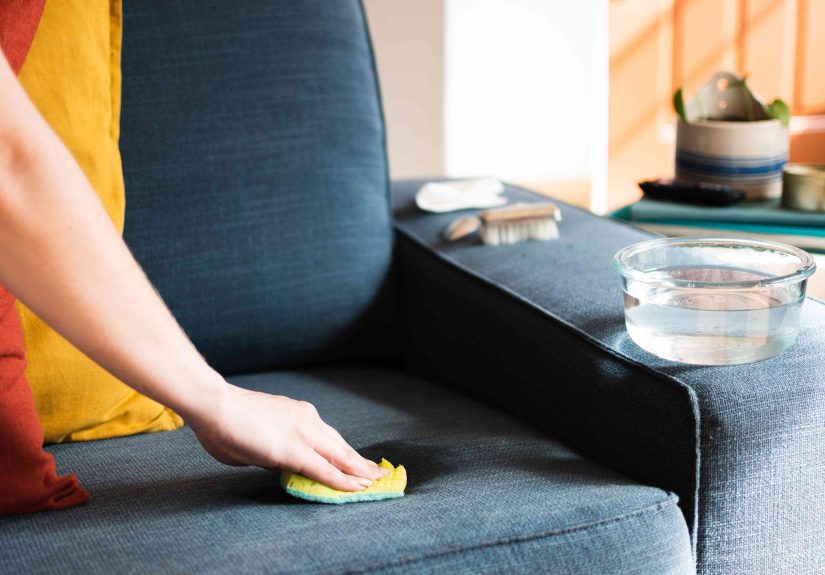
- Dip a clean white microfiber cloth into the suds.
- Blot the stained or dingy area gently.
- Follow with a second cloth lightly dampened with plain water.
- Blot dry with a towel.
Use white cloths whenever possible. Colored towels can transfer dye, and that is a plot twist no one needs on a beige sofa.
For S-coded fabrics: Use a solvent-safe product only
If your couch is labeled S, skip water-based DIY solutions. Use a cleaner specifically made for solvent-safe upholstery and follow the product directions carefully. Open windows, keep the room ventilated, and test a hidden area first.
For delicate fabrics, older furniture, or anything vintage, less is more. When in doubt, professional upholstery cleaning is usually cheaper than replacing a ruined sofa.
For X-coded couches: Stay dry
An X code means vacuuming and light brushing are your safest bets. If the couch is truly dirty or stained, call a pro. It is not the exciting answer, but it is often the smart one.
Step 4: Refresh Odors Without Drenching the Fabric
Sometimes a couch does not look terrible, but it smells vaguely like takeout, dog naps, and last winter. That is where a dry deodorizing step can help.
Baking soda is the classic couch refresher for a reason. Sprinkle a light layer over the fabric, let it sit for at least an hour, and then vacuum it thoroughly. On smellier couches, letting it sit longer can help absorb more odor.
This trick works best on fabric upholstery, not leather. And as always, a spot test is wise if your fabric is delicate or dark. The goal is fresh, not a powdery couch that looks like it survived a pastry explosion.
What About Steam Cleaning?
Steam cleaning can be helpful for some couches, but it is not an automatic yes. Heat and moisture can shrink natural fibers, leave marks, or over-wet padding if the fabric is not suited to steam.
If your couch is water-safe and the manufacturer allows it, steam can be a nice deeper-clean option. But for a simple refresh, it is often unnecessary. The vacuum-and-spot-clean routine handles a surprising amount of everyday grime without the added risk of overdoing it.
If you do use steam, work in light passes, avoid saturation, and increase airflow right away so the couch dries fully. Damp cushions are not cozy. They are just sneaky.
How to Refresh a Leather Couch
Leather needs a different approach. You do not want to sprinkle baking soda all over it or scrub it with a foamy dish-soap solution like it is a fabric sectional.
For routine leather refreshes:
- dust with a soft dry cloth
- vacuum seams and creases with a brush attachment
- wipe gently with a barely damp microfiber cloth
- use a leather-safe cleaner or conditioner when needed
Blot spills immediately, and avoid harsh cleaners, bleach, or soaking the surface. Leather responds best to gentle maintenance. Think polished, not punished.
The Biggest Couch-Cleaning Mistakes to Avoid
If your goal is to refresh a dirty couch easily, the fastest way to fail is to clean too aggressively. Here are the mistakes pros see most often:
1. Skipping the care tag
This is the number-one couch-cleaning error. Different fabrics need different methods. Treating them all the same is how mishaps begin.
2. Using too much water
Oversaturation can cause water rings, lingering odor, mildew issues, and longer drying times. Upholstery usually needs less moisture than people think.
3. Scrubbing stains
Scrubbing may feel productive, but it often spreads stains and damages fibers. Blotting is gentler and smarter.
4. Using the wrong cleaner
A powerful cleaner is not automatically a better cleaner. Bleach, ammonia, and random all-purpose sprays can discolor or weaken fabric.
5. Forgetting to dry thoroughly
Even a well-cleaned couch can end up smelling funky if it stays damp too long. Use towels, open windows, and run a fan to speed things up.
How Often Should You Refresh Your Couch?
The answer depends on how busy your living room is. A couch in a formal sitting room and a couch in a household with two kids, a dog, and a strong relationship with nachos are living very different lives.
A good general routine looks like this:
- Weekly or biweekly: Vacuum, especially if you have pets or eat on the couch.
- As needed: Blot spills immediately and spot-clean stains.
- Monthly: Deodorize with baking soda if odors build up.
- A few times a year: Do a more thorough refresh or professional cleaning, depending on fabric and use.
Keeping up with the small stuff is what prevents the giant “why does this sofa look 14 years older than the rest of the room?” moment.
When It Is Time to Call a Professional
Sometimes easy maintenance is enough. Sometimes your couch needs backup.
Consider bringing in a pro if:
- the upholstery code is X or S and you are unsure what is safe
- the couch has old, set-in stains
- there is a strong odor in the cushions
- the fabric is silk, velvet, suede, antique, or otherwise delicate
- you tried spot-cleaning and made exactly zero progress
There is no shame in outsourcing a deeply suspicious stain. Some battles are for professionals and people on detective shows.
The Bottom Line
If your couch is looking rough, you probably do not need a complicated 12-step cleaning ritual. The easiest pro-approved way to refresh a dirty couch is to start with the basics: check the care code, vacuum thoroughly, remove surface hair and lint, blot clean with the right solution, deodorize gently, and dry everything well.
That routine is easy because it focuses on what actually makes couches look and smell better without overcomplicating the process. It is practical, low-stress, and refreshingly realistic for real homes.
So yes, your couch may have lived a full and eventful life. But with the right refresh, it can absolutely look ready for its next chapter.
What Refreshing a Dirty Couch Actually Feels Like in Real Life
Here is the funny thing about couch cleaning: most people do not realize how dirty their sofa is until they start cleaning one section and suddenly notice the original color still exists. That “before and after” moment is usually less dramatic than a TV makeover reveal, but it is deeply satisfying. One armrest looks brighter. The seat no longer feels gritty. The room smells cleaner. And somehow the whole space seems more put together, even though you only cleaned one large piece of furniture.
The experience is especially relatable in homes where the couch does double or triple duty. It is not just seating. It is the reading nook, the snack station, the pet bed, the after-work collapse zone, and sometimes the unofficial guest bed. Over time, dirt builds so gradually that it becomes invisible. Then you vacuum the seams, blot a few spots, sprinkle on some baking soda, and suddenly you remember why you liked the couch in the first place.
One of the biggest surprises for many people is how much of the “dirty couch” problem is actually a “neglected maintenance” problem. A sofa can feel worn out simply because it is dusty, flattened, and holding onto odors. Once the cushions are rotated, the crumbs are gone, and the fabric is refreshed, it often looks dramatically better without a full deep-cleaning marathon. That is encouraging news if you have been avoiding the job because it sounded too complicated.
There is also a psychological payoff. Cleaning a couch is one of those chores that makes the whole room feel cleaner, even if nothing else has changed. You may still have a basket of laundry in the corner and a coffee table that needs help, but when the sofa looks fresher, the space feels calmer. It is the home-care version of washing your hair and suddenly becoming a new person.
And then there is the smell factor. People often focus on visible stains, but odor is what really makes a couch feel grimy. A quick deodorizing step can make a huge difference, especially in households with pets, kids, or frequent use. That is why the easy refresh method feels so effective. It is not just about looks. It changes how the room feels when you walk in.
Best of all, the process is approachable. You do not need an industrial machine, a cabinet full of specialty products, or a free weekend. You just need a little patience, the right method, and enough discipline not to soak the fabric like you are pressure-washing a driveway. In other words, couch refreshing is one of those rare home tasks that delivers a surprisingly big payoff for a fairly modest effort. And honestly, we love that for all of us.
Conclusion
Refreshing a dirty couch is one of the easiest ways to make your home feel cleaner, cozier, and more cared for without spending much money. The trick is not using more products or more elbow grease. It is using the right method for your upholstery. Start with the care tag, work dry first, clean gently, and resist the urge to over-wet the fabric. Whether you are tackling one mystery spot or giving the whole sofa a much-needed reset, a simple pro-approved routine can go a long way.
And once your couch is clean, maybe celebrate by not eating salsa on it for at least a day. Growth is beautiful.