Table of Contents >> Show >> Hide
- A healthcare professional hits a wall (and then finds a door)
- Contrave 101: what it is (and what it isn’t)
- How Contrave works: turning down cravings and “food noise”
- What results can look like: realistic expectations (with actual numbers)
- How you typically start Contrave: dosing that ramps up
- Side effects: common, serious, and “call your clinician” signals
- Who should avoid Contrave (or use extra caution)
- Contrave vs. GLP-1 meds: why someone might choose an “old-school oral” option
- What made the nurse practitioner’s results stand out
- Tips for making Contrave more tolerable (real-world practical stuff)
- Questions to ask your clinician before starting
- Bottom line
- Experience Add-On : What a Contrave journey can feel like in real life
If you’ve ever felt like your brain has a 24/7 snack commercial playing in the background (“Coming up next: chips! followed by… more chips!”),
you already understand why people talk about “food noise.” For some folks, willpower isn’t the issue the volume knob on cravings is.
And that’s where weight-loss medication can move from “taboo” to “tool.”
One story that’s made waves: a nurse practitioner who lost 100 pounds after starting Contrave, a prescription medication that combines
naltrexone and bupropion. Not a magic wand. Not a free pass. But for the right person, it can be the difference between
battling hunger all day and finally getting enough mental bandwidth to build healthier routines.
A healthcare professional hits a wall (and then finds a door)
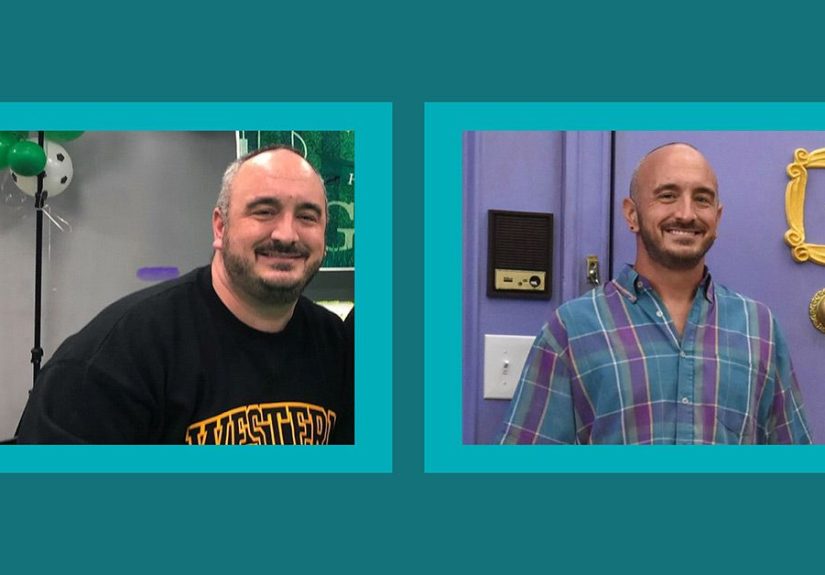
Tim Nicaise, a nurse practitioner, spent much of his earlier life at a stable weight. Then adulthood happened stress, work, parenting, convenience food,
and a relationship with eating that shifted from “fuel” to “coping strategy.” During the pandemic, the emotional load got heavier, and food became a reliable
comfort when everything else felt chaotic.
Eventually, he reached about 300 pounds and dealt with multiple health issues tied to weight, including prediabetes, sleep apnea, and high blood pressure
that required several medications. Like many people, he tried the usual suspects: structured diet programs, low-carb approaches, and intense motivation bursts
that didn’t stick. The results were discouraging not because he didn’t care, but because the biology and the environment were winning.
When his doctor recommended an anti-obesity medication, he hesitated. The stigma is real especially for medical professionals who’ve spent their careers
telling people to “eat better and exercise.” But when the alternative was escalating health risks, he decided medication wasn’t “cheating.” It was treatment.
Contrave 101: what it is (and what it isn’t)
Contrave is an FDA-approved prescription medication for chronic weight management in adults who:
- Have a BMI ≥ 30 (obesity), or
- Have a BMI ≥ 27 (overweight) plus at least one weight-related condition (like hypertension, type 2 diabetes, or dyslipidemia).
It’s meant to be used with a reduced-calorie eating plan and increased physical activity because the medication helps change the “drive,”
but habits still steer the car.
What Contrave is not
- Not a GLP-1 drug (like semaglutide or tirzepatide).
- Not a guarantee you’ll lose a certain number of pounds.
- Not a replacement for sleep, protein, movement, or mental health support.
- Not proven to reduce cardiovascular events (like heart attacks or strokes) the label notes that cardiovascular outcomes haven’t been established.
How Contrave works: turning down cravings and “food noise”
Contrave combines two medications that were originally used for other purposes:
bupropion (commonly used for depression and smoking cessation) and naltrexone (commonly used in alcohol or opioid use disorder).
Together, they influence brain pathways involved in appetite, reward, and cravings.
Here’s the simplified version:
- Bupropion affects dopamine and norepinephrine signaling, which can influence appetite regulation and motivation.
Some people describe this as getting fewer “eat now!” prompts from the brain. - Naltrexone blocks opioid receptors that are part of the reward loop. In plain English: it can reduce the “this feels amazing, do it again”
effect of certain foods for some people.
Put them together and you may see less compulsive snacking, fewer cravings, and earlier fullness which creates a realistic opportunity to build
a sustainable eating pattern instead of constantly wrestling your own brain.
What results can look like: realistic expectations (with actual numbers)
Weight-loss results vary a lot, but clinical trials give us a grounded ballpark. In one 56-week trial (COR-I), average weight loss in the intent-to-treat group
was about 5.4% with Contrave versus about 1.3% with placebo. Also, about 42% of people taking Contrave achieved at least
5% weight loss versus about 17% with placebo.
Those numbers might sound “modest” compared with the splashy GLP-1 headlines, but a 5–10% reduction in body weight can meaningfully improve blood pressure,
blood sugar, triglycerides, sleep apnea risk, mobility, and daily energy for many people.
The 12-week “checkpoint” that matters
Contrave has a built-in reality check: after you’ve reached the maintenance dose, clinicians evaluate progress at about 12 weeks.
If you haven’t lost at least 5% of your starting body weight, continuing is unlikely to produce clinically meaningful weight loss so many
prescribers stop it and discuss other options.
Example: If you start at 250 pounds, 5% is 12.5 pounds. That doesn’t mean you “failed” if you don’t hit it it means the medication
isn’t the right match for your biology, and you deserve a different plan.
How you typically start Contrave: dosing that ramps up
Contrave is usually increased gradually over about 4 weeks to help your body adjust:
- Week 1: 1 tablet in the morning
- Week 2: 1 tablet in the morning + 1 tablet in the evening
- Week 3: 2 tablets in the morning + 1 tablet in the evening
- Week 4 and onward (maintenance): 2 tablets in the morning + 2 tablets in the evening
Tablets shouldn’t be cut, chewed, or crushed. And it’s typically advised not to take Contrave with a high-fat meal, because it can increase
drug exposure in the body.
Side effects: common, serious, and “call your clinician” signals
Let’s be honest: many weight-loss medications come with a “getting used to it” phase. With Contrave, the most commonly reported side effects include:
- Nausea
- Constipation
- Headache
- Dizziness
- Dry mouth
- Trouble sleeping (insomnia)
- Vomiting
- Fatigue
Important safety warnings (don’t skip this part)
Because Contrave contains bupropion, it carries an antidepressant-class warning about suicidal thoughts and behavior in some people,
particularly younger individuals. Mood changes can happen in adults too, especially early in treatment or when the dose changes.
Contrave can also raise blood pressure or heart rate, particularly early in treatment, so monitoring matters especially if you already have
hypertension.
Serious side effects can include seizures (risk is higher in certain conditions), severe allergic reactions, severe skin reactions, liver injury,
and vision changes. This is why Contrave is not a DIY medication it belongs in a clinician-supervised plan.
Who should avoid Contrave (or use extra caution)
Contrave is not appropriate for everyone. Your clinician will screen for contraindications and risk factors. Common red flags include:
- Seizure disorder or conditions that increase seizure risk
- Uncontrolled high blood pressure
- Current or recent opioid use (naltrexone blocks opioids and can trigger withdrawal)
- Eating disorders like anorexia or bulimia
- Using other medications that contain bupropion (to avoid excess dosing)
- Recent use of MAOI medications (a washout period is typically required)
- Pregnancy (weight loss during pregnancy isn’t advised)
If you have diabetes, your care team may also want closer monitoring because changes in appetite and intake plus weight loss can affect blood sugar and
medication needs.
Contrave vs. GLP-1 meds: why someone might choose an “old-school oral” option
GLP-1 and GIP/GLP-1 medications can produce larger average weight loss for many people, but they aren’t always accessible due to cost, insurance coverage,
supply issues, or side effects. Contrave is an oral medication and may be more affordable or easier to obtain for some patients.
Another difference is where they act:
- GLP-1s heavily influence gut hormones, satiety, gastric emptying, and metabolic pathways.
- Contrave leans more on brain pathways tied to appetite and reward, which may be especially helpful when cravings and “food noise” are a major driver.
What made the nurse practitioner’s results stand out
The headline is “lost 100 pounds,” but the real story is the full system he built with medication as one support beam, not the whole building.
1) He treated the mind, not just the menu
He continued working with a therapist and described the process as deeply connected to mental well-being. Many people underestimate how much stress,
grief, burnout, and boundary problems can fuel eating patterns. Contrave helped lower the urge to self-soothe with food and therapy helped build
replacement coping skills.
2) He built daily movement into his identity
He walked every day (often hitting extremely high step counts) and later transitioned to running. This matters for more than calorie burn:
consistent movement improves sleep, mood, insulin sensitivity, and the “I’m someone who takes care of myself” narrative which is basically
rocket fuel for habit change.
3) He used a structured eating approach
He paired medication with a low-carb style of eating and intermittent fasting. That specific combo isn’t required for everyone (and it’s not appropriate for
all medical histories), but the principle is useful: reduce decisions. When your eating plan has structure, you spend less time negotiating with
yourself at 10 p.m. in front of the pantry like it’s a courtroom drama.
Tips for making Contrave more tolerable (real-world practical stuff)
If nausea shows up
- Expect it to be most noticeable early on or after dose increases.
- Eat balanced meals (protein + fiber) and avoid greasy/high-fat meals near dosing.
- Hydrate dehydration can make nausea feel worse.
If constipation shows up
- Increase fiber gradually (beans, chia, veggies, oats).
- Drink more water than you think you need.
- Walk after meals it helps gut motility.
If insomnia shows up
- Ask your clinician about timing; some people do better taking doses earlier.
- Limit caffeine after noon.
- Make sleep boring again: cool room, dim lights, consistent bedtime.
Questions to ask your clinician before starting
- Am I a good candidate based on my BMI and health conditions?
- Do any of my current meds interact with bupropion or naltrexone?
- What should I watch for in mood, sleep, or blood pressure?
- How will we decide whether it’s working by week 12?
- What lifestyle plan will we pair with the medication so results last?
- If Contrave isn’t effective, what are the next options?
Bottom line
Contrave isn’t the newest name in weight loss, but it fills an important lane: an oral option that can meaningfully reduce cravings and “food noise” for some
people especially when paired with lifestyle and mental health support.
The nurse practitioner who lost 100 pounds didn’t find a shortcut; he found a strategy that matched his physiology and his life. That’s the real takeaway:
the “right” plan is the one that’s medically appropriate, sustainable, and makes your health feel doable again.
Experience Add-On : What a Contrave journey can feel like in real life
Let’s talk about the part people don’t always say out loud: starting a weight-loss medication can be emotionally weird. Exciting, yes. Hopeful, yes.
But also loaded with guilt, skepticism, and that tiny voice that whispers, “Shouldn’t I be able to do this without help?”
In clinic conversations, the most common “before” story sounds like this: “I’m not hungry, exactly… I just think about food constantly.”
That’s food noise. It can show up as nightly pantry prowling, stress snacking between meetings, or a compulsive pull toward certain foods even when you’re
not physically hungry.
When Contrave works well for someone, the first noticeable change often isn’t the scale. It’s the mental quiet. People describe walking past
office donuts and realizing they forgot to care. Or they eat half their usual portion and feel satisfied without bargaining for “just a little more.”
That shift can feel like getting your hands back on the steering wheel after years of white-knuckling the passenger seat.
Week-to-week, the experience can look like this (and yes, it varies):
- Weeks 1–2: You’re ramping up the dose. Some people notice mild nausea or headache, and a surprising number report sleep changes.
This is the “my body has opinions” phase. It helps to keep meals simple, stay hydrated, and avoid testing your digestive system with deep-fried experiments. - Weeks 3–4: Appetite often starts to feel different. Not “I never want food again” (that’s not the goal), but “I can pause and choose.”
For people who eat from stress, this is when healthier coping tools finally have room to work: walking, journaling, therapy, calling a friend, even just
going to bed earlier instead of snacking through exhaustion. - Weeks 6–12: This is where patterns become visible. Early responders start seeing steady change not always dramatic week-to-week, but
consistent enough that clothes fit differently and labs may begin improving. Non-responders may feel disappointed, but it’s important to reframe:
the medication is giving data. “Not effective for me” is useful information, not a character flaw.
One especially practical real-world insight: Contrave can make it easier to follow an eating plan, but it doesn’t automatically teach you one.
People who pair it with a simple structure like protein at each meal, a planned afternoon snack, and a walking routine tend to feel more in control.
The nurse practitioner story stands out because the medication was paired with high daily movement and ongoing therapy. That combination doesn’t just
produce weight loss; it improves the odds of maintaining it.
Another common experience is learning to separate physical hunger from emotional hunger. If you’re used to eating whenever you feel
stressed, lonely, bored, or overwhelmed, Contrave may reduce the urgency and then you’re left with the real question: “Okay… so what do I do with this feeling now?”
That’s where counseling, stress management, and community support stop being “nice extras” and become the main event.
Finally, maintenance deserves respect. Some people stay on Contrave long-term; others stop after reaching a goal and transition to a different strategy.
What matters most is having a plan for the “after” phase: consistent movement, routine meals, sleep protection, and honest check-ins with your clinician.
The best success stories aren’t about perfection they’re about building a system that still works on your bad days.