Table of Contents >> Show >> Hide
Pickled beets are the colorful cousin who shows up to family dinner wearing a fuchsia coat
and stealing all the attention on the plate. They’re tangy, sweet, a little earthy, and
surprisingly versatile. But beyond turning your cutting board pink, are pickled beets
actually good for you – or are they just salad decoration with an attitude?
The short answer: yes, pickled beets can absolutely be part of a healthy eating pattern –
as long as you’re smart about the sugar and salt that sometimes sneak into the jar. Like
fresh beets, they still bring important nutrients, plant compounds, and fiber to the table,
and they can offer benefits for heart health, blood pressure, digestion, and even exercise
performance when you enjoy them in moderation.
Let’s dive into what’s really inside that jar of magenta goodness, what the research says
about the health benefits of pickled beets, and how to enjoy them without turning your diet
into a brine-based operation.
Pickled Beets 101: What’s Actually in the Jar?
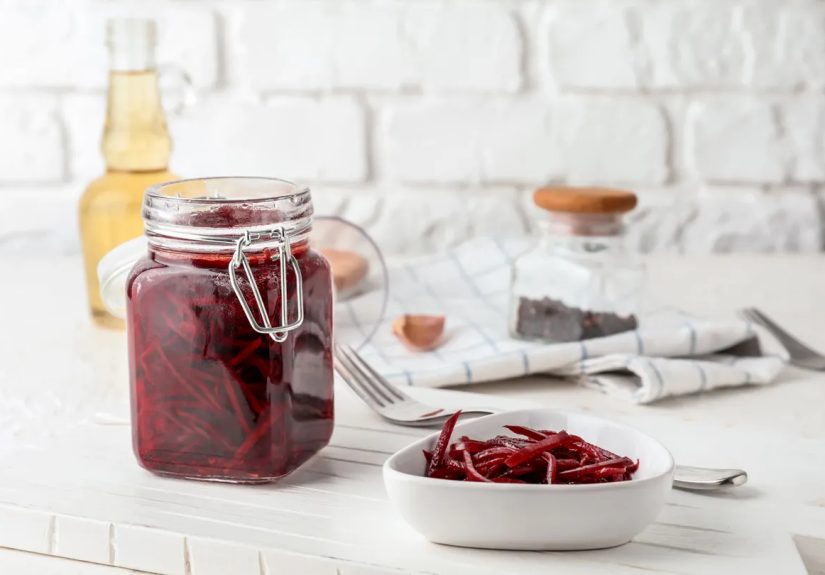
Pickled beets start as regular beets – root vegetables packed with fiber, vitamin C,
potassium, folate, iron, and manganese. These nutrients don’t magically disappear just
because you poured vinegar over them and put them in a cute glass jar. The pickling brine
usually includes vinegar, water, salt, and some kind of sweetener, plus flavorings like
peppercorns, cloves, or onions.
Nutritionally speaking, a typical serving of pickled beets:
- Is relatively low in calories, often around 50–75 calories per half-cup, depending on added sugar.
- Provides fiber to support digestion and help keep you full.
- Contains minerals like potassium, which supports healthy blood pressure and muscle function.
- Offers folate and other B vitamins important for red blood cell formation and metabolism.
- Retains beet pigments called betalains, which act as powerful antioxidants.
The “pickled” part mainly affects the flavor and adds some sodium and sugar. How much you
get depends heavily on the recipe or brand. Some pickled beets are fairly light on both;
others are basically beets soaking in dessert.
One more important distinction: most supermarket pickled beets are vinegar-pickled, not
fermented. That means they don’t usually contain probiotics like sauerkraut or kimchi, but
they still deliver fiber and plant compounds that help support a healthy gut.
Key Health Benefits of Pickled Beets
1. Heart Health and Blood Pressure Support
Beets are famous for their naturally occurring nitrates. Your body converts these nitrates
into nitric oxide, a molecule that helps relax and widen blood vessels. This process can
support healthier blood pressure and improve blood flow – especially when beets are eaten
regularly as part of an overall heart-healthy diet.
Most of the research has been done on beetroot juice and cooked beets, but pickled beets
are made from the same vegetable, so they still contain dietary nitrates. Enjoyed in
moderate portions, they can fit nicely into an eating pattern that supports:
- Healthy blood pressure levels
- Better circulation
- Reduced strain on the heart over time
The catch? Depending on the recipe, pickled beets can also be relatively high in sodium.
If you’re watching your blood pressure, you don’t want to cancel out the nitrate benefits
by drowning them in salt. Choosing lower-sodium options, draining some of the brine, or
making your own at home with less salt can help you get the good without so much of the bad.
2. Antioxidant Power from Betalains and Vitamin C
Beets get their signature deep red-purple color from pigments called betalains. These
compounds act as antioxidants and have been studied for their potential to reduce oxidative
stress and inflammation in the body. While we’re still learning exactly how this translates
into long-term disease prevention, a diet rich in colorful plant foods – beets included –
is consistently linked with better overall health.
Pickled beets still contain these pigments along with vitamin C and other antioxidants. This
combo helps:
- Neutralize free radicals that can damage cells over time
- Support immune function
- Potentially lower chronic inflammation, a contributor to heart disease and other conditions
Think of pickled beets as a tasty way to add “color therapy” to your plate. If your meal is
looking beige, they’re a fast fix.
3. Support for Digestive Health and a Happy Gut
Beets are naturally rich in fiber, and that fiber doesn’t disappear during pickling. Fiber
is essential for regular bowel movements, supporting a healthy gut microbiome, and helping
you feel pleasantly full instead of constantly snacky.
The vinegar in pickled beets may also provide a small side benefit: it can slow the rise of
blood sugar after meals when paired with carbohydrate-rich foods for some people. That
doesn’t mean pickled beets are a blood-sugar cure, but pairing them with starches like
potatoes, rice, or bread can be a smarter way to build your plate.
Just remember that some store-bought versions come with added sugar, which can work against
blood sugar management if you overdo it. If you’re living with diabetes or prediabetes,
portion size and label-reading are your best friends here.
4. Potential Boost for Exercise Performance
If you’ve ever seen someone chug beet juice before a workout, they’re not doing it just for
the dramatic red mustache. Dietary nitrates from beets have been studied for their ability
to improve exercise efficiency and endurance in some people, particularly in non-elite
athletes.
While most of these studies use beetroot juice or concentrated shots, pickled beets still
contribute nitrates to your diet. Enjoying them regularly – say, in salads or grain bowls
several times a week – can be one small piece of a performance-supporting eating pattern.
Will a forkful of pickled beets turn you into an Olympian? No. Could they be a colorful,
nitrate-rich sidekick to your training schedule? Absolutely.
5. A Nutrient-Rich, Low-Calorie Side Dish
For people watching their weight or trying to build more nutrient-dense meals, pickled
beets can be a smart addition. They bring:
- Flavor and color with relatively few calories per serving
- Fiber that helps with fullness and appetite control
- Micronutrients (like potassium, folate, and iron) that support energy and overall health
Compared with heavy, creamy sides or sugary desserts, a small serving of pickled beets is a
lighter way to satisfy a craving for something tangy and slightly sweet.
Possible Downsides and Who Should Be Careful
As much as we’d love to declare pickled beets the perfect food, there are a few caveats to
keep in mind, especially if you have certain health conditions.
Sodium Can Creep Up Fast
Many pickled foods are high in sodium because salt helps preserve texture and flavor. Some
recipes for pickled beets lean heavily on salt; others use relatively little, especially
vinegar-forward home recipes. If you have high blood pressure, heart failure, kidney
disease, or you’re simply trying to keep sodium in check, it’s worth:
- Checking the nutrition label for sodium per serving
- Draining some of the brine before serving
- Making your own batch with reduced salt if you eat them often
Added Sugar in Some Recipes
A touch of sugar helps balance vinegar’s sharpness, but some commercial pickled beets cross
the line into dessert territory. That’s not ideal if you’re watching added sugars for
weight, blood sugar, or general health reasons.
If you’re concerned about sugar, look for:
- “No added sugar” or “unsweetened” on the label
- Short ingredient lists where sugar is low on the list or absent
- DIY recipes that use modest amounts of honey, maple syrup, or sugar – or skip it entirely
Oxalates and Kidney Stone Risk
Beets are naturally high in oxalates, compounds that can contribute to kidney stone
formation in people who are prone to calcium-oxalate stones. Pickling doesn’t magically
remove oxalates. If you have a history of kidney stones or have been advised to follow a
low-oxalate diet, talk with your healthcare provider about how much beet (pickled or
otherwise) makes sense for you.
The “Why Is My Toilet Pink?” Effect
A harmless but surprising side effect: beets can temporarily turn your urine or stool red or
pink, a phenomenon called beeturia. Pickled beets can do the same. It can be
alarming if you’re not expecting it, but if you just ate a beet-heavy meal and feel
otherwise fine, it’s usually nothing to worry about. Of course, if you’re ever unsure,
a healthcare provider can help rule out other causes.
How to Add Pickled Beets to a Healthy Eating Pattern
The best way to enjoy the health benefits of pickled beets is to treat them as a flavorful
accent in a balanced meal, not the star of an all-beet crash diet. Here are some simple,
realistic ways to use them.
Smart Serving Sizes
A practical serving size for most people is about 1/4 to 1/2 cup of pickled beets at a
time. That’s enough to add color, flavor, and nutrients without overloading on sodium or
sugar if you’re choosing wisely.
Easy Ways to Eat More Pickled Beets
- Salads: Toss sliced pickled beets with mixed greens, goat cheese, walnuts, and a light vinaigrette.
- Grain bowls: Add them to quinoa or farro bowls with chickpeas, roasted veggies, and a dollop of hummus.
- Sandwiches and wraps: Use them in place of pickles on turkey, chicken, or veggie sandwiches.
- Charcuterie boards: Add pickled beets alongside olives, cheeses, and whole-grain crackers.
- Quick side dish: Serve them chilled next to grilled fish, chicken, or tofu.
Make-Your-Own, Lower-Sugar Pickled Beets
If you’re handy in the kitchen (or at least willing to own a saucepan), a simple
quick-pickled beet recipe lets you control the sugar and salt:
- Roast or steam sliced beets until tender.
- Simmer equal parts vinegar and water with a small amount of salt and just enough sweetener to balance the tang.
- Pour the warm brine over the beets in a jar, add spices or herbs, cool, then refrigerate.
No canning equipment required, and you get all the flavor with ingredients you recognize.
Real-Life Experiences: How People Actually Use Pickled Beets
Beyond the science and nutrition labels, it’s helpful to look at how people weave pickled
beets into everyday life. While everyone’s routine is different, certain themes pop up
again and again in kitchen “field reports.”
The Lunch-Box Upgrade
One common pattern is the person who’s bored out of their mind with the same rotation of
sandwiches and salads for lunch. Adding a small container of pickled beets suddenly turns
a very average desk meal into something that feels restaurant-level. A scoop on top of
leftover chicken and rice, or mixed into a bagged salad, adds color, crunch, and a bit of
sweetness without adding a ton of calories. The experience most people describe is simple:
they’re more satisfied and less tempted to go hunting for vending machine snacks in the
afternoon, because the meal feels complete and interesting.
The Former Beet Hater
Another recurring story: someone swore for years that they hated beets because they only
ever tried them boiled and bland. Then a friend served them pickled – chilled, sliced thin,
with a bright vinegar snap – and suddenly beets weren’t the enemy anymore. For this crowd,
pickled beets are the gateway version. Once they get used to the flavor, many start adding
roasted or fresh beets into other dishes, which expands the overall variety of vegetables
in their diet. More vegetable variety is usually linked to better overall health, so that
shift matters more than it might seem.
The Sunday Meal-Prep Hero
People who meal prep often lean on pickled beets as a “finish-anything” ingredient. During
a Sunday prep session, they’ll roast a batch of beets, pack most for roasting or salads,
and quick-pickle a portion in a jar. All week long, that jar becomes the secret weapon:
tossed into grain bowls, layered onto avocado toast, or used to brighten up leftovers.
The experience here is less about a dramatic, instant health transformation and more about
consistency. When healthy ingredients are prepped and ready, it’s easier to make good
choices on autopilot. Pickled beets fit perfectly into that “ready-to-go” category, right
next to pre-cut veggies and cooked beans.
The Active Lifestyle Booster
Some active people – from casual walkers to weekend cyclists – like to include beets in
their week with exercise in mind. They may not rely solely on pickled beets, but they’ll
use them alongside roasted beets or beet juice as part of a pattern aimed at supporting
blood flow and endurance. For example, someone might:
- Eat a grain bowl with pickled beets, leafy greens, and beans the night before a big hike.
- Use pickled beets as a side dish with a pre-race pasta meal.
- Rotate beet-based dishes into their weekly menu as a simple way to get more nitrate-rich foods.
Their feedback tends to be less “I shaved 20 minutes off my marathon because of beets” and
more “I feel good, my meals are colorful, and my heart-health habits are easier to stick
with.” That’s exactly how most realistic nutrition strategies work: small choices that add
up over time.
What These Experiences Have in Common
In all these scenarios, pickled beets are rarely treated as a miracle cure. Instead, they
function as a flavorful, nutrient-rich ingredient that:
- Makes healthy meals more exciting and visually appealing
- Adds fiber, vitamins, minerals, and antioxidants without a big calorie hit
- Fits easily into different eating styles, from Mediterranean-inspired to plant-forward
When people enjoy what they’re eating, they’re more likely to stick with habits that
support long-term health. That’s the real magic of pickled beets: not just what they bring
on paper, but how they make healthy food feel less like a chore and more like a treat.
Bottom Line: Are Pickled Beets Good for You?
Pickled beets are more than just a pretty face in a jar. They can support heart health,
contribute antioxidants, help you get more fiber and plant diversity, and potentially offer
modest benefits for blood pressure and exercise performance. At the same time, they can be
high in sodium or added sugar, depending on how they’re made.
If you enjoy the flavor, pickled beets are absolutely worth keeping in your rotation –
especially when you:
- Watch portion sizes
- Read labels for sodium and sugar
- Consider making your own lower-salt, lower-sugar versions
- Build them into balanced meals with plenty of other vegetables, whole grains, and lean proteins
In other words, think of pickled beets as a colorful, tangy, nutrient-rich sidekick – not
a superhero that can fix everything by itself. Add the jar to your fridge, not your list of
health worries.