Table of Contents >> Show >> Hide
- First, a quick translation: dependence vs. addiction
- The big-picture signs of oxycodone addiction
- Behavioral signs: what you can see from the outside
- Physical signs: what oxycodone addiction can look like in the body
- Emotional and mental signs: what’s happening on the inside
- Social and life-impact signs: the “fallout” category
- Warning: signs of overdose (urgent)
- Self-check: questions that can clarify what’s going on
- What to do if you suspect oxycodone addiction
- How oxycodone addiction can develop (a short, useful explanation)
- Conclusion: recognizing the signs is a strength, not a stigma
- Experiences Related to “What Are the Signs of Oxycodone Addiction?”
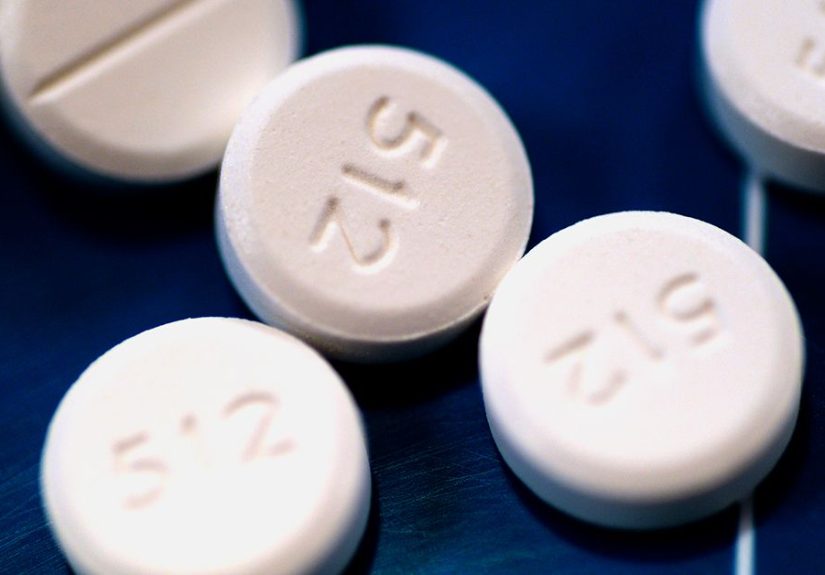
Oxycodone can be a lifesaver for severe pain. It’s also one of those medications that deserves a little healthy respectlike a power tool.
Used the right way, it does the job. Used the wrong way (or used a little too often “because it helps”), it can quietly take over.
If you’re here because you’re worried about yourself or someone you love: you’re not being dramatic. Oxycodone addiction can start subtly,
and the signs often show up in everyday life long before someone says, “I think I have a problem.” This guide breaks down the most common
warning signsphysical, behavioral, and emotionalplus what to do next.
First, a quick translation: dependence vs. addiction
People often use “addiction” as a catch-all word, but it helps to separate two related ideas:
Physical dependence (common, even with prescribed use)
If someone takes oxycodone regularly for a while, their body can adapt. That can lead to tolerance (needing more for the same effect)
and withdrawal (feeling sick when reducing or stopping). Dependence can happen even when someone takes the medication exactly as prescribed.
Addiction (opioid use disorder) (a pattern that disrupts life)
Addiction is less about “willpower” and more about a pattern of use that becomes hard to control and starts causing harmhealth problems,
relationship fallout, missed responsibilities, risky behavior, or continued use even when it’s clearly backfiring.
Think of it this way: dependence is your body adjusting. Addiction is your life getting rearranged around the drug.
The big-picture signs of oxycodone addiction
Oxycodone addiction usually shows up as a cluster of signs, not one single giveaway. Here are the categories to watch for:
- Loss of control: taking more than intended or using longer than planned
- Cravings and preoccupation: a lot of time spent thinking about, getting, using, or recovering
- Life impact: problems at work, school, home, or in relationships
- Risky use: mixing with other substances, unsafe situations, or ignoring medical advice
- Physical changes: tolerance, withdrawal, sedation, changes in sleep/appetite
Behavioral signs: what you can see from the outside
1) Taking more than prescribed (or “needing” extra doses)
A common early sign is dose creep. Someone starts taking an extra pill “just on tough days,” then tough days become… most days.
They may take doses closer together than directed, take larger doses, or keep using after the original pain issue improves.
Real-life example: A person is prescribed oxycodone after surgery for short-term pain. Weeks later, they’re still using it daily,
not because the incision hurtsbut because they feel anxious, restless, or “off” without it.
2) Running out early, “lost” prescriptions, or frequent refill requests
Needing early refills can happen for legitimate reasons (poor pain control, misunderstanding directions), but it’s also a classic sign of misuse
especially if it becomes a pattern or is paired with vague explanations.
3) Doctor shopping or pharmacy hopping
Seeking prescriptions from multiple providers or filling at different pharmacies can signal escalating dependence or addiction.
Some people do this because they’re afraid of withdrawal; others do it because cravings are calling the shots.
4) Secrecy, defensiveness, or “private” medication routines
People struggling with addiction often become protective of their supply: hiding pills, counting them repeatedly, getting upset if someone asks about them,
or taking doses in secret. You might notice a sudden “don’t touch my stuff” attitude toward the medicine cabinet.
5) Neglecting responsibilities and interests
Addiction doesn’t always look like chaos at first. It can look like slow erosion:
- missing work or school
- dropping hobbies
- forgetting commitments
- declining performance or motivation
6) Using despite obvious harm
One of the most telling signs is continuing to use even when it’s clearly causing problemshealth issues, family conflict, financial strain,
or repeated “I swear I’m stopping” moments that don’t stick.
Physical signs: what oxycodone addiction can look like in the body
Some physical effects overlap with normal opioid side effects. The difference is pattern, intensity, and impact.
If physical symptoms come with escalating use and life disruption, they matter more.
1) Tolerance (needing more for the same effect)
Tolerance can develop with regular opioid use. A person may say the medication “stopped working,” or they may chase the earlier sense of relief or calm.
Increasing dose without medical guidance is a major red flag.
2) Withdrawal symptoms when cutting back or missing a dose
Withdrawal can feel like a nasty flu plus anxiety turned up to eleven. Symptoms can include:
- restlessness, irritability, anxiety
- muscle aches, sweating, chills, goosebumps
- nausea, vomiting, diarrhea, stomach cramps
- runny nose, watery eyes, yawning
- trouble sleeping
- strong cravings
Withdrawal doesn’t automatically mean someone has addictionbut it does mean their body has adapted, and stopping suddenly can be rough.
A clinician can help taper safely and discuss treatment options.
3) Sedation, “nodding off,” and slowed reactions
Opioids can cause drowsiness, slowed thinking, and poor coordination. You might notice someone dozing unexpectedly, having slurred speech,
or seeming mentally foggy. This can become dangerous when driving, caring for children, or working with tools or machinery.
4) Pinpoint pupils, itching, constipation, nausea
These can occur even with prescribed use, but severe constipation, frequent nausea, or constant itching can be clues that opioid effects are piling up
especially if the person is taking more than directed.
Emotional and mental signs: what’s happening on the inside
1) Cravings and preoccupation
Cravings aren’t just “wanting.” They can feel like a mental spotlight that won’t move: thoughts looping around the next dose, worry about supply,
planning the day around medication, or feeling edgy until the drug is taken.
2) Mood swings, anxiety, or depression
Some people start using opioids not only for pain, but to soften stress, grief, or anxiety. Over time, mood can become more unstable
and when opioids wear off, irritability or low mood can hit hard.
3) Isolation and shame
Addiction often drags shame behind it like a noisy suitcase. People may withdraw from friends, avoid family events, or become emotionally distant.
They may also minimize or rationalize use: “I’m fine,” “I can stop anytime,” “You’re overreacting.”
Social and life-impact signs: the “fallout” category
When oxycodone use becomes the center of gravity, life starts orbiting it. Watch for:
- Relationship conflict: arguments about pills, trust issues, broken promises
- Financial strain: unexplained spending, borrowing money, missing bills
- Work/school problems: absences, performance drops, warnings or job loss
- Legal risks: possession issues, impaired driving, prescription fraud
Again, one sign alone doesn’t prove addiction. But multiple signs across categoriesbehavioral + physical + life impactraise the odds.
Warning: signs of overdose (urgent)
Opioid overdose is a medical emergency. If you suspect an overdose, call 911 immediately. Warning signs can include:
- very slow, shallow, or stopped breathing
- can’t wake the person up, extreme sleepiness or unconsciousness
- gurgling, choking, or snoring sounds that seem unusual
- blue/gray lips or fingertips; pale, cold, clammy skin
- pinpoint pupils
If naloxone (an opioid overdose reversal medicine) is available, use it as directed while waiting for emergency help.
Self-check: questions that can clarify what’s going on
If you’re wondering whether oxycodone is becoming a problem, these questions can help you spot patterns:
- Have I taken more than prescribed, or used it for reasons other than pain?
- Do I feel anxious, sick, or panicky if I miss a dose?
- Have I tried to cut back and couldn’t?
- Do I hide my use, downplay it, or get defensive when asked?
- Has oxycodone affected my work, relationships, sleep, or finances?
- Have I mixed it with alcohol or sedatives (even “just once”)?
If you answered “yes” to more than one, it’s worth talking to a healthcare professional. Not because you’re “bad,” but because your brain and body
may be getting stuck in a loop that’s hard to break alone.
What to do if you suspect oxycodone addiction
1) Don’t quit suddenly without medical guidance
Stopping opioids abruptly can cause significant withdrawal and increase relapse risk. A clinician can help plan a safer taper, treat withdrawal symptoms,
and discuss evidence-based options.
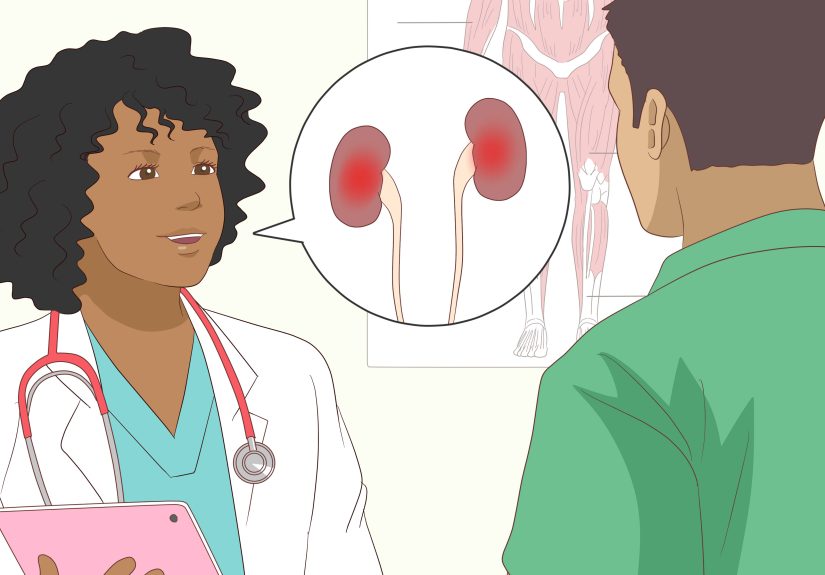
2) Talk to the prescribing clinician (or another trusted provider)
If oxycodone was prescribed, start there. Be honest about dose, frequency, and cravings. If you’re worried about judgment, you can say:
“I think my body is dependent and I’m scared to stop. I need a plan.” That’s a medical problem, not a moral failing.
3) Know that treatment works (and it’s not one-size-fits-all)
Many people recover with a combination of approaches, such as:
- Medications for opioid use disorder (MOUD): buprenorphine, methadone, or naltrexone (a clinician decides what fits best)
- Counseling/therapy: to address triggers, stress, trauma, and relapse prevention
- Support networks: peer support groups, recovery coaching, family support
- Practical safety steps: naloxone access, avoiding dangerous drug combinations, safe storage
4) If you’re supporting a loved one: lead with care, not a courtroom cross-exam
A helpful conversation is calm, specific, and focused on safety:
- Use observations: “I’ve noticed you’ve been running out early and sleeping a lot.”
- Use concern: “I’m worried about your health and safety.”
- Offer help: “Can we talk to a doctor together?”
- Avoid labels in the moment: “addict” tends to trigger defensiveness, not reflection.
And yeslockboxes for medications can be a smart move in any home. Your medicine cabinet shouldn’t feel like an escape room for curious teenagers
or visiting relatives with a history of substance issues.
How oxycodone addiction can develop (a short, useful explanation)
Opioids affect pain pathways and the brain’s reward system. For some people, the combination of pain relief and emotional relief becomes reinforcing.
Over time, the brain can learn: “This is the fastest way to feel okay.” That learning is powerfulespecially under stress, trauma, or untreated anxiety/depression.
This is why addiction often shows up as a pattern: not just taking a pill, but needing the pill to feel normal, handle emotions, sleep, work, or get through the day.
Conclusion: recognizing the signs is a strength, not a stigma
The signs of oxycodone addiction usually aren’t dramatic at first. They’re practical: dose creep, cravings, early refills, secrecy, withdrawal, mood shifts,
and life slowly being reorganized around a medication.
If any of this sounds familiar, help is availableand recovery is possible. A clinician can help you sort out whether you’re dealing with dependence,
opioid use disorder, or both, and guide you toward a safer plan. The earlier you act, the easier it is to reclaim your time, energy, and health.
Experiences Related to “What Are the Signs of Oxycodone Addiction?”
People’s experiences with oxycodone addiction often begin in a very ordinary place: a legitimate prescription after an injury, a dental procedure, or surgery.
Many describe an early phase that feels almost “too helpful.” The pain is quieter, surebut so is everything else. Stress feels muted. Sleep comes easier.
A person who’s been white-knuckling daily discomfort might think, “Finally, something works.” That sense of relief can be deeply reinforcing.
Over time, the experience some people report is less about chasing euphoria and more about avoiding the “crash” when the medication wears off.
They may notice a creeping irritability, restlessness, or low mood between doses. The first time they miss a dose and feel sweaty, achy, and anxious,
it can be confusing and scaryespecially if they still believe addiction only looks like extreme behavior. This is often the moment people start taking
oxycodone not just for pain, but to feel “normal.” In their words, it becomes less “I want it” and more “I need it.”
Loved ones often describe a different kind of experience: not one big incident, but a trail of small changes. Maybe the person seems sleepier than usual.
Maybe they start skipping meals or losing interest in hobbies. The family notices arguments that didn’t used to happenespecially around medication timing
or refill dates. Some caregivers say the house starts to feel tense, like everyone is tiptoeing around the subject. They might also notice secrecy:
pill bottles kept in unusual places, defensiveness when asked simple questions, or a strong reaction to anyone moving belongings.
A common experience for people trying to cut back is realizing how loud withdrawal can feel. The physical symptoms get the spotlightsweats, stomach upset,
muscle achesbut many describe the emotional side as the hardest: agitation, fear, and a sense that something is terribly wrong. That discomfort can push
someone back to using even when they genuinely want to stop. People who eventually seek treatment often say the most powerful shift was learning that they
weren’t “weak”their body and brain were adapting in predictable ways, and there were medical tools to help.
Another experience many people share is the moment they recognized the “life impact” signs. It might be a missed work deadline, a child’s event skipped,
a partner’s trust strained, or an uncomfortable realization that the day’s mood depended on a pill schedule. Some describe feeling as if the medication became
the boss of the calendar. That recognition can be painful, but it’s also a turning pointbecause it turns vague worry into a specific problem you can act on.
Families also talk about what helps: calm conversations, specific observations, and practical support. Not lectures. Not shame.
They describe progress happening when someone feels safe enough to be honestwhen the goal is “let’s keep you alive and get you well,” not “let’s prove you’re wrong.”
Many people say the best support sounded like: “I’m worried about you. I’m here. Let’s talk to someone who knows what to do next.”
If you’re reading this and seeing yourself in these experiences, you’re not alone. And if you’re reading it as a loved one, your concern matters.
The experience of opioid addiction is often quiet and privateuntil it isn’t. Catching it early can prevent a lot of harm, and reaching out for help
can be the first step back to a life that isn’t organized around a prescription bottle.