Table of Contents >> Show >> Hide
- HPV 101: A Quick Overview
- Why HPV Symptoms Can Be So Confusing
- Oral HPV Symptoms (Mouth, Tongue, and Throat)
- Genital HPV Symptoms
- Anal HPV Symptoms
- HPV Symptoms in Different People
- When HPV Has No Symptoms at All
- When to See a Doctor or Dentist
- How HPV Is Diagnosed
- Can HPV Symptoms Be Treated?
- Prevention Basics in One Quick List
- Real-Life Experiences: Noticing the Symptoms of HPV
- Conclusion: Listening to Your Body, Backed by Science
Human papillomavirus (HPV) is the most common sexually transmitted infection in the world, yet it’s also one of the sneakiest.
Most people who get HPV never notice a single symptom. No itch, no bump, no warning. But in others, HPV can show up as warts,
abnormal cell changes, or even cancers of the mouth, throat, anus, cervix, vulva, vagina, or penis.
If you’ve recently heard about HPV from a partner, a test result, or TikTok and you’re now inspecting every bump on your body,
you’re not alone. This guide breaks down the possible symptoms of HPV in three key areas: oral, anal, and genital.
We’ll walk through what’s typical, what’s worrisome, and when it’s time to call a doctor or dentist.
Important: This article is for educational purposes only and is not a substitute for medical advice, diagnosis, or treatment. If you’re worried about HPV or cancer, talk with a licensed healthcare professional.
HPV 101: A Quick Overview
HPV is a large family of viruses that love skin and mucous membranes (think mouth, throat, genitals, and anus).
Some types are called low risk because they tend to cause warts. Others are high risk because, over time,
they can lead to cancer. The same virus family, very different outcomes.
- Low-risk HPV types commonly cause genital warts and other benign growths.
- High-risk HPV types are strongly linked with cervical, anal, penile, vaginal, vulvar, and oropharyngeal (throat) cancers.
- Most HPV infections clear on their own within about two years as the immune system quietly takes care of business.
- HPV spreads mainly through intimate skin-to-skin contact, including vaginal, anal, and oral sex.
Because most infections are silent, symptoms (when they happen) are really your body’s way of waving a little flag that says,
“Hey, something’s going on hereplease get this checked.”
Why HPV Symptoms Can Be So Confusing
One of the most frustrating things about HPV is that symptom patterns don’t always match risk:
- Low-risk types may cause obvious genital warts but are unlikely to cause cancer.
- High-risk types often cause no early symptoms at all, even while slowly changing cells over years.
This means you might have visible warts and no cancer risk from that particular strain, or you might feel completely fine while
high-risk HPV is causing abnormal cell changes that only show up on screening tests like Pap or HPV tests.
Oral HPV Symptoms (Mouth, Tongue, and Throat)
Oral HPV affects the mouth, tongue, or throat. Most oral infections never cause a single noticeable sign.
When symptoms do show up, they usually fall into two categories: benign warts or growths, and
warning signs that may suggest cancer.
Common Signs of Oral HPV
Oral HPV can cause small growths on the soft tissues of the mouth. These can look or feel like:
- Small, hard bumps or growths on the tongue, gums, inner cheeks, or lips
- Lesions that are white, pink, or flesh-colored, sometimes with a rough, cauliflower-like surface
- Flat or slightly raised patches that don’t go away
- Growths that are usually painless and may be discovered by a dentist during a routine exam
These growths are often caused by low-risk HPV types and are usually benign, but they still deserve a professional look.
Anything new, persistent, or changing in your mouth should be checked.
Possible Warning Signs of HPV-Related Throat Cancer
High-risk HPV types can affect the oropharynxthe back of the tongue, base of the tongue, tonsils, and throat.
Early on, there may be no symptoms. As the disease progresses, possible signs can include:
- A sore throat that doesn’t go away
- Difficulty or pain when swallowing
- Feeling like something is stuck in your throat
- Hoarseness or voice changes lasting more than a few weeks
- Ear pain on one side without an obvious ear problem
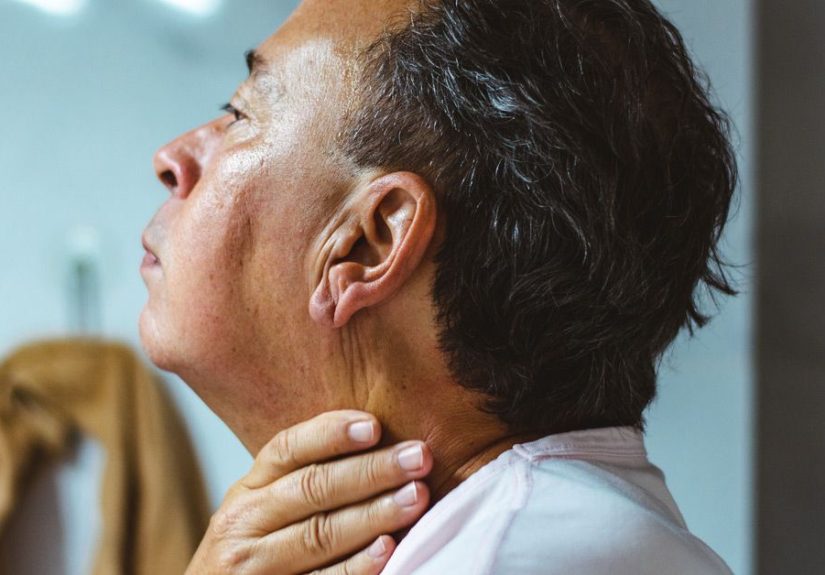
- A lump in the neck (swollen lymph node)
- Unexplained weight loss or fatigue
These symptoms don’t automatically mean you have HPV or cancerother conditions can cause thembut persistent changes like these
are a sign to schedule an exam with a doctor, dentist, or ENT (ear, nose, and throat specialist).
Genital HPV Symptoms
When people think “HPV,” they usually think “genital warts.” That’s one possible symptom, but not the only one.
HPV can affect the vulva, vagina, cervix, penis, scrotum, and groin area.
Genital Warts: The Symptom You Can See
Genital warts are usually caused by low-risk HPV types (especially types 6 and 11). They may appear:
- On the vulva, vagina, cervix, penis, scrotum, groin, or around the anus
- As single bumps or multiple clustered lesions
- Flat, raised, or with a mini–cauliflower appearance
- Flesh-colored, pink, or slightly darker than nearby skin
Most of the time, genital warts are painless, but they can sometimes cause:
- Itching or irritation
- Burning or discomfort during sex
- Bleeding if they’re rubbed, scratched, or injured
Warts can be tiny and hard to see, especially on the cervix or in skin folds. A healthcare professional can perform an exam
and may use tools like a speculum or magnification to look at areas you can’t easily see yourself.
Symptoms in the Cervix, Vagina, and Vulva
The cervix is sneaky: high-risk HPV infections in the cervix usually have no early symptoms at all.
That’s why regular cervical cancer screening (Pap tests and HPV tests) is so important.
If HPV progresses and causes more advanced disease (like high-grade precancerous changes or cervical cancer), symptoms can include:
- Abnormal vaginal bleeding (after sex, between periods, or after menopause)
- Unusual or persistent vaginal discharge
- Pain during sex
- Pelvic pain not clearly linked to your menstrual cycle
On the vulva (the external genital area), HPV-related changes may show up as:
- Visible warts
- Thickened or discolored patches of skin
- Persistent itching, burning, or tenderness
Symptoms on the Penis, Scrotum, and Groin
Many men and people with a penis who have HPV never notice symptoms. When symptoms do show up, they most often include:
- Genital warts on the shaft, head of the penis, or under the foreskin
- Warts on the scrotum or groin area
- Occasional itching or irritation in affected areas
HPV-related penile cancer is rare, but when it occurs, potential warning signs can include:
- A lump, sore, or thickened area on the penis that doesn’t heal
- Changes in the color or texture of the skin
- Persistent pain, discharge, or bleeding
Again, these symptoms don’t automatically equal cancer, but they do mean it’s time to see a healthcare professional promptly.
Anal HPV Symptoms
HPV can infect the skin around the anus and the lining of the anal canal. Anal infections are more common in people who engage in anal sex,
men who have sex with men, and people with weakened immune systems, but they can occur in anyone.
Anal Warts
Anal warts are usually caused by low-risk HPV types. They may appear:
- On the skin around the anus
- Just inside the anal canal (not visible without an exam)
- As small bumps or cauliflower-like clusters
- Flesh-colored or slightly lighter or darker than surrounding skin
People with anal warts may experience:
- Itching or irritation around the anus
- A feeling of fullness or something “there” when you wipe
- Occasional bleeding, especially with large warts
Having anal warts doesn’t automatically mean you have anal cancer, but it can indicate HPV infection in the area,
and healthcare providers may recommend additional screening in some cases.
Anal Cancer Warning Signs
High-risk HPV types are strongly linked with anal cancer. Possible symptoms of anal cancer can include:
- Bleeding from the anus or rectum (especially unrelated to hemorrhoids)
- Pain, burning, or pressure in or around the anus
- Persistent itching
- A lump or mass near the anus
- Changes in bowel habits, such as narrower stools or difficulty passing stool
- Swollen lymph nodes in the groin or anal area
These symptoms are not specific to HPV; they can also be caused by hemorrhoids, fissures, or other conditions.
Still, any new or persistent anal symptoms deserve a medical evaluation, especially if you have known HPV infection or risk factors.
HPV Symptoms in Different People
HPV doesn’t look the same for everyone. A few patterns:
- Women and people with a cervix: May have no symptoms at all until abnormal cells are found on a Pap or HPV test. Genital warts, if present, may be on the vulva, vagina, cervix, or around the anus.
- Men and people with a penis: Often have no symptoms, or may notice genital warts on the penis, scrotum, or anal area. High-risk HPV may quietly affect the throat or anus.
- Men who have sex with men (MSM): Have higher rates of anal HPV and may benefit from focused anal cancer screening in some clinical guidelines.
- People with weakened immune systems: Are more likely to have persistent infections, more extensive warts, and a higher risk of cancer related to HPV.
When HPV Has No Symptoms at All
Here’s the twist: the most common “symptom” of HPV is nothing. No wart, no lump, no sore throat.
Many people clear HPV without ever knowing they had it. The problem is that high-risk HPV can cause cellular changes long before any symptoms appear.
That’s why:
- Cervical cancer screening with Pap and HPV tests is recommended at specific ages and intervals.
- Some high-risk groups may be offered anal Pap tests or other screening tools.
- Regular dental and medical checkups can help catch oral or throat changes earlier.
When to See a Doctor or Dentist
You should consider seeing a healthcare professional if you notice:
- New or changing bumps, warts, or growths on the genitals, anus, or in the mouth
- Abnormal vaginal bleeding or unusual discharge
- Persistent anal pain, bleeding, or lumps
- Ongoing sore throat, difficulty swallowing, voice changes, or ear pain on one side
- Unexplained weight loss, fatigue, or swollen lymph nodes in the neck or groin
A provider can examine the area, decide whether testing is needed, and recommend follow-up or treatment.
Don’t try to self-diagnose based on photos onlinelighting, angles, and anxiety are a wild combination.
How HPV Is Diagnosed
There isn’t a single universal HPV test for every body part. Instead, testing and screening depend on the area involved:
- Cervix: Pap test, HPV test, or co-testing can detect abnormal cells and high-risk HPV types.
- Genital or anal skin: Warts or lesions are often diagnosed based on visual exam; sometimes a biopsy is taken.
- Anal canal: Some clinics use anal Pap tests or high-resolution anoscopy for high-risk groups.
- Mouth and throat: Dentists, primary care providers, or ENT specialists may examine the area and biopsy suspicious lesions.
Mild abnormalities don’t always mean cancer; many HPV-related cell changes resolve on their own. Your provider will guide you on monitoring versus treatment.
Can HPV Symptoms Be Treated?
There’s no pill that instantly “kills” HPV, but the symptoms and complications can be treated:
- Warts: Can be removed or reduced with prescription creams, freezing (cryotherapy), surgical removal, or other methods performed or supervised by a professional.
- Precancerous changes: Abnormal cervical or anal cells may be treated with procedures that remove or destroy affected tissue, helping reduce cancer risk.
- Cancers: If cancer develops, treatment might include surgery, radiation, chemotherapy, immunotherapy, or combinations of these, depending on the type and stage.
Even after treatment, follow-up is crucial. HPV can be stubborn, and monitoring helps catch any new changes early.
Prevention Basics in One Quick List
While this article is focused on symptoms, it’s impossible not to mention prevention:
- HPV vaccination can protect against many high-risk cancer-causing types and wart-causing types.
- Condoms and dental dams reduce (but don’t fully eliminate) HPV transmission by limiting skin-to-skin contact.
- No smoking or vaping and limiting alcohol can help your immune system and lower cancer risk.
- Regular screening (Pap and HPV tests, and other tests when recommended) catches problems earlier, when they’re more treatable.
Real-Life Experiences: Noticing the Symptoms of HPV
HPV can sound abstract until it suddenly becomes very personal. While everyone’s experience is different, the following composite stories
(based on common scenarios reported in clinics and patient communities) can give you a sense of what HPV symptoms might look and feel like in everyday life.
“I thought it was just a skin tag.”
Jordan noticed a tiny bump on the shaft of his penis while showering. It didn’t hurt, it didn’t itch, and it looked harmlessalmost like a skin tag.
Over a few weeks, a couple more small bumps appeared in the same area. He did what many people do: he googled photos, panicked, and then hesitated to see anyone.
After finally visiting a clinic, the provider explained that these bumps were genital warts likely caused by a low-risk HPV type. The warts were treated in-office,
and Jordan was reassured that while warts can recur, this type of HPV was very unlikely to cause cancer. The scariest part for him wasn’t the treatmentit was
the weeks of worrying alone and imagining the worst.
“My Pap test caught changes before I felt anything.”
Mia felt perfectly healthy. No pain, no unusual discharge, regular periods. She went in for a routine Pap and HPV test because her provider kept reminding her
it was due. The results came back showing high-risk HPV and abnormal cervical cells. She was shocked; she had no symptoms and felt betrayed by her own body.
After a colposcopy and biopsy, her doctor explained that she had precancerous changes, not cancer, and that these could be treated. Mia later said she felt
“annoyed but grateful”annoyed that HPV had moved in without an invite, but grateful that screening found changes early, before symptoms like bleeding or pain ever appeared.
“I blamed my sore throat on allergiesuntil it didn’t go away.”
Alex had a scratchy throat that came and went for months. He assumed it was allergies, dry air, or talking too much at work. Then he noticed that his voice
sounded hoarse, especially in the evenings. A friend finally pushed him to see a doctor, who referred him to an ENT. After an exam and biopsy, Alex learned
that he had an early HPV-related cancer in his throat. It was terrifying news, but it was also caught early enough for treatment with a good chance of cure.
Looking back, Alex wishes he’d taken his body’s “this is not normal” signals more seriously instead of powering through.
“I thought my anal symptoms were just hemorrhoids.”
Priya started noticing a bit of blood on the toilet paper and some itching around her anus. She chalked it up to hemorrhoids from sitting a lot at work
and didn’t mention it to anyone. After several months, the itching worsened, and she started to feel a small lump. That finally pushed her to see a provider.
The exam showed anal warts and some abnormal tissue that needed further evaluation. Priya’s story is common: anal symptoms are easy to dismiss or feel embarrassed about,
but they’re worth discussing openly with a clinician who has truly seen it all.
“My partner’s diagnosis made me check in with my own health.”
Sam’s girlfriend told him she’d tested positive for high-risk HPV on a cervical screening test. She didn’t have symptoms, but the news left both of them anxious.
Sam booked a physical, asked questions about his own risk, and learned that there’s no routine HPV test for men, but he could watch for genital or anal symptoms
and stay up to date on other screenings. They also discussed HPV vaccination and safer sex tools like condoms and dental dams. For them, HPV became less of a
relationship-ending crisis and more of a “this is a common virus, we’ll deal with it as a team” moment.
These stories highlight a few important truths about HPV symptoms:
- Symptoms can be subtle, painless, or easily mistaken for something else.
- Screening tests often catch HPV-related changes long before you feel anything.
- Embarrassment frequently delays carebut the professionals you see are trained to help, not judge.
- Finding HPV is not a moral failing or proof of infidelity; it’s a sign of how common this virus is.
If any of these experiences sound familiarwhether it’s a strange bump, stubborn sore throat, or abnormal bleedingconsider it your friendly nudge to
get checked. Getting answers is almost always less scary than staying in the dark.
Conclusion: Listening to Your Body, Backed by Science
HPV is incredibly common, often silent, and sometimes serious. Most infections clear on their own without causing symptoms,
but when HPV does show itself, it may appear as oral, anal, or genital warts; persistent lumps or sores; or abnormal bleeding and discomfort.
High-risk HPV types can quietly change cells over time, which is why regular screening, vaccination when appropriate, and paying attention
to new or persistent symptoms matter so much.
You don’t need to become an HPV expert overnight, but you do deserve clear information and compassionate care. If something feels offwhether
it’s in your mouth, throat, genitals, or anusreach out to a healthcare professional. Your body is sending you data; you get to decide not to ignore it.
SEO Summary
sapo:
HPV infections are incredibly common and often symptom-free, which can make them confusing and a little scary.
This in-depth guide explains what HPV is and what its symptoms can look like in three key areas: the mouth and throat (oral HPV),
the anus (anal HPV), and the genitals. You’ll learn how to recognize genital warts, which subtle changes might hint at high-risk HPV or cancer,
and when it’s time to schedule a checkup, Pap test, or other screening. We’ll also walk through how symptoms can differ between men, women, and
people with higher risk, plus real-life stories that show how HPV can show up in everyday life. If you’re worried about a new bump, bleeding, or
persistent sore throat, this article will help you know what to watch forand why getting evaluated sooner is always better than waiting.