Table of Contents >> Show >> Hide
- What Does Monter au Beurre Literally Mean?
- Why Chefs Use This French Butter Technique
- How Monter au Beurre Actually Works
- Monter au Beurre vs. Beurre Monté: Not the Same Thing
- When Should You Use Monter au Beurre?
- How to Monter au Beurre the Right Way
- Common Mistakes That Ruin a Butter-Mounted Sauce
- Examples of Dishes That Benefit from Monter au Beurre
- Does Monter au Beurre Make Food Better?
- Kitchen Experiences That Teach You What Monter au Beurre Really Means
- Conclusion
- SEO Tags
If you have ever followed a French recipe and suddenly hit the phrase monter au beurre, you may have paused mid-stir and thought, “Excuse me, did my saucepan just switch languages on me?” Fair question. French culinary terms have a way of sounding intimidating, even when they describe something gloriously simple. In this case, monter au beurre means finishing a sauce by whisking or swirling in cold butter at the end of cooking.
That tiny move does a lot of heavy lifting. It gives sauces a glossy look, a richer taste, and a smoother, silkier texture. It can turn a decent pan sauce into something that tastes restaurant-worthy, the kind of sauce that makes people drag bread through the plate with zero shame. If you want to understand what monter au beurre means, how it works, when to use it, and how not to accidentally create a greasy puddle, you are in the right kitchen.
What Does Monter au Beurre Literally Mean?
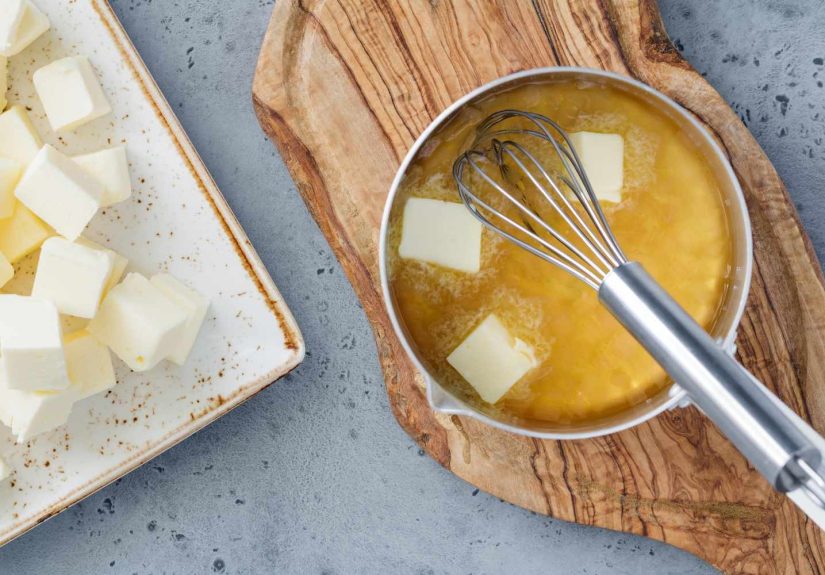
In literal terms, monter au beurre translates to “mount with butter.” In practical cooking terms, it means adding cold butter to a warm sauce at the very end, usually off the heat or over very low heat, and whisking until the butter melts into the sauce as an emulsion.
That sounds fancy, but the technique itself is beautifully down to earth. You are not building a croquembouche while wearing a towering chef’s hat. You are simply using butter as a finishing ingredient rather than a starting fat. Instead of frying onions in butter at the beginning, you add small cubes of chilled butter at the end so the sauce becomes glossy, slightly thicker, and more luxurious.
So when a recipe says to monter au beurre, it is telling you: do not boil the sauce into oblivion, do not dump in half a stick all at once, and definitely do not wander off to answer a text. Stay with the pan, add cold butter gradually, and whisk until the sauce turns smooth and shiny.
Why Chefs Use This French Butter Technique
There is a reason chefs love this move. Butter is not just there to make everything taste better, although it does that with suspicious efficiency. It also helps create texture. When cold butter is worked into a hot liquid the right way, the fat disperses in tiny droplets throughout the sauce. That creates a temporary emulsion, which gives the sauce body and a velvety mouthfeel.
In plain English, monter au beurre can help a sauce do three important things:
1. It adds shine
A butter-mounted sauce has that polished, glossy look that makes food seem more expensive than it is. This is why restaurant pan sauces often look smooth and elegant instead of dull and watery.
2. It softens and rounds out flavor
Butter mellows sharp edges. If your sauce has wine, lemon juice, mustard, shallots, or stock, butter helps those flavors feel more balanced. Acidity still comes through, but it lands more gracefully.
3. It gives the sauce a slightly thicker texture
This technique does not thicken a sauce the way flour or cornstarch would. It is subtler than that. Instead of making the sauce heavy, it gives it a light viscosity and a silky coating quality that clings beautifully to meat, vegetables, and fish.
How Monter au Beurre Actually Works
The science is simple enough to understand without turning dinner into chemistry class. Butter contains fat, water, and milk solids. When you add cold butter to a warm reduced sauce and whisk it in slowly, the butter melts gradually and the fat gets suspended in the liquid. That creates a smooth, emulsified finish.
The keyword here is gradually. If the sauce is too hot, the butter can separate and turn oily. If the sauce is over-reduced and does not have enough water left, it can also break. The sweet spot is a warm sauce with enough moisture remaining to hold the butter in suspension.
This is why many recipes tell you to remove the pan from the heat before adding butter. Residual heat is often enough. Think of it as persuading the butter into the sauce, not bullying it.
Monter au Beurre vs. Beurre Monté: Not the Same Thing
These two phrases look like they should be best friends, and in a way they are, but they are not identical. This distinction trips up a lot of home cooks, so let’s make it crystal clear.
Monter au Beurre
This is the finishing technique. You whisk cold butter into an already-made sauce, gravy, jus, soup, or puree at the end of cooking. The goal is to add richness, shine, and a silky texture.
Beurre Monté
This is an actual butter emulsion made by whisking butter into a small amount of water. It becomes a warm, emulsified butter sauce or poaching medium. Chefs use it for lobster, seafood, vegetables, and delicate meats.
So, if monter au beurre is “finish the sauce with cold butter,” then beurre monté is “make a butter-based emulsion that is itself the sauce.” Same family, different jobs.
When Should You Use Monter au Beurre?
This technique is most useful when a sauce is basically done but still needs that final professional touch. It works especially well in the following situations:
Pan sauces
After searing chicken, pork chops, steak, or fish, you can deglaze the pan with wine, stock, or juice, reduce it, then finish with cold butter. This is classic monter au beurre, and it is one of the easiest ways to make dinner feel elevated.
Gravies and jus
If your gravy tastes good but looks slightly flat, a little cold butter whisked in at the end can improve both appearance and texture.
Soup finishing
Some soups benefit from a small amount of butter added right before serving. The result is extra silkiness without a heavy cream overload.
Vegetable purees
Carrot puree, cauliflower puree, celery root puree, and potato-adjacent creations all become smoother and glossier when mounted with butter.
Classic French-style sauces
White wine sauces, lemon-butter sauces, reduced stock sauces, and many restaurant-style reductions all rely on this technique to achieve their final texture.
How to Monter au Beurre the Right Way
Here is the simple method:
Step 1: Reduce the sauce first
Build your sauce fully before the butter goes in. Deglaze the pan, simmer, and concentrate the flavor. You want the seasoning and consistency to be close to finished.
Step 2: Lower the heat or remove the pan from heat
This part matters. If the liquid is boiling hard, the butter is more likely to separate. Let the sauce calm down.
Step 3: Add cold butter in small pieces
Use butter straight from the refrigerator. Cut it into small cubes or pats so it melts gradually and evenly.
Step 4: Whisk or swirl constantly
Keep the butter moving. This encourages emulsification and prevents oily streaks.
Step 5: Stop once the sauce is glossy
You are looking for a smooth, slightly thickened finish. Once it gets there, serve it. This is not a “let it boil for five more minutes and see what happens” situation.
Common Mistakes That Ruin a Butter-Mounted Sauce
Even though monter au beurre is simple, it is not indestructible. Here are the mistakes that most often turn elegance into kitchen confusion.
Using warm butter
Cold butter is essential. Warm or softened butter melts too quickly and is harder to emulsify properly.
Adding butter over high heat
If the sauce is boiling aggressively, the butter may split. Gentle heat is your friend.
Adding too much butter at once
A sauce can only absorb so much at a time. Small additions work better than a butter cannon blast.
Reducing the sauce after adding butter
Once the butter is in, the sauce is basically done. If you keep boiling it, the emulsion can break.
Over-reducing before you start
If there is not enough liquid left, the butter has nothing to emulsify with. The sauce can become greasy or separated instead of silky.
Examples of Dishes That Benefit from Monter au Beurre
Still wondering what this looks like in real life? Here are a few familiar examples:
Chicken with white wine pan sauce
You sear the chicken, deglaze with white wine, add stock, reduce, then whisk in cold butter. Suddenly your weeknight chicken tastes like it charges valet parking.
Steak with shallot sauce
After cooking the steak, you build a pan sauce from drippings, wine, and stock. A pat or two of cold butter at the end gives the sauce body and sheen.
Fish with lemon-butter sauce
Butter softens lemon’s brightness and helps the sauce coat the fish instead of pooling sadly around it.
Asparagus soup or vegetable puree
A little butter right before serving can make the texture noticeably smoother and richer without changing the core flavor too much.
Does Monter au Beurre Make Food Better?
In many cases, yes. Not because butter is magical, though let’s be honest, it has a suspiciously good résumé. It works because it improves both texture and flavor at the same time. A sauce that is buttery but balanced feels finished. A sauce without that final step can taste slightly sharp, thin, or incomplete.
That said, this technique should be used thoughtfully. Not every dish needs it. A bright tomato sauce, a rustic braise, or a heavily reduced barbecue-style glaze may not benefit from extra butter. But if you are making a classic pan sauce, a French-style reduction, or a smooth puree, monter au beurre is often the difference between “good” and “who made this?”
Kitchen Experiences That Teach You What Monter au Beurre Really Means
The funniest thing about learning monter au beurre is that the phrase sounds dramatic, but the lesson usually arrives through very ordinary kitchen moments. It often starts when someone follows a recipe, sees the French instruction, and assumes it means adding butter whenever the spirit moves them. Then they toss a big chunk into a boiling pan, the sauce splits, and dinner becomes an unexpected seminar on emulsions.
One of the most common experiences is making a pan sauce after cooking chicken. The chicken looks great, the fond on the skillet smells amazing, and confidence is high. You add wine, scrape up the browned bits, pour in stock, and reduce it until the kitchen smells like competence. Then comes the butter. The first time, many home cooks leave the pan over medium-high heat and wonder why the sauce looks oily instead of glossy. The second time, they take the pan off the heat, swirl in two small cubes of cold butter, and suddenly the sauce looks smooth, shiny, and far more expensive than the ingredients suggest. That is usually the moment the technique clicks.
Another experience happens with soup. A vegetable soup may already taste good, but after you stir in a small piece of cold butter right before serving, the texture changes in a subtle but unmistakable way. It is not heavier, exactly. It is rounder. Softer. More polished. People at the table may not say, “Ah yes, I detect a properly mounted finish,” because that would be an exhausting dinner party, but they do notice that the soup tastes extra silky.
There is also the very real experience of overdoing it. A lot of cooks learn the hard way that monter au beurre is a finishing step, not a dare. Add too much butter and the sauce can slide from elegant to overly rich. Keep boiling after the butter goes in and the emulsion may break. In other words, the technique rewards restraint. It is a flourish, not a cannonball.
Then there is the confidence boost that comes with mastering it. Once you understand monter au beurre, restaurant-style sauces stop feeling mysterious. You start looking at a simple steak, pork chop, or roasted fish and thinking, “I can make a pan sauce for that.” And you can. It does not require a culinary degree or a French grandmother glaring silently from across the stove. It just requires timing, cold butter, and a little attention.
For many cooks, that is what this technique really becomes: a small kitchen upgrade with a big psychological payoff. It teaches patience, helps you trust your senses, and shows how one tiny finishing move can transform a dish. That is the experience people remember. Not the translation itself, but the first time a homemade sauce turned glossy in the pan and looked like something worth bragging about.
Conclusion
Monter au beurre means finishing a sauce with cold butter so it becomes glossier, richer, and silkier. It is one of those classic French cooking techniques that sounds intimidating but is actually incredibly practical. Once you know the purpose, the process, and the difference between monter au beurre and beurre monté, you can use it to improve pan sauces, gravies, soups, and purees with very little effort.
In short, it is not just a translation to memorize. It is a technique worth using. Learn it once, and suddenly your sauces stop tasting merely homemade and start tasting intentional. Which, in cooking, is often the difference between a regular dinner and a very smug one.