Table of Contents >> Show >> Hide
- What Is a Ham Hock?
- What Does a Ham Hock Taste Like?
- Ham Hock vs. Ham Bone vs. Pork Shank
- Why Southern Cooks Love Ham Hocks
- 3 Southern Chefs Explain Ham Hock Best by the Way They Cook It
- How to Cook With Ham Hocks at Home
- Best Dishes for Ham Hocks
- Can You Eat the Ham Hock Itself?
- What If You Can’t Find a Ham Hock?
- Is Ham Hock Healthy?
- Common Ham Hock Mistakes to Avoid
- The Real Magic of Ham Hock
- Extra Kitchen Experience: What Cooking With Ham Hock Really Feels Like
If you have ever eaten a pot of collard greens so good it made you briefly consider calling your grandmother to apologize for ever doubting her, there is a decent chance a ham hock was involved. This humble cut of pork does not arrive with the glamorous reputation of bacon, the swagger of barbecue, or the dinner-party confidence of prosciutto. A ham hock is more like the quiet Southern aunt of the meat world: practical, flavorful, and somehow responsible for making everything around it better.
So, what is a ham hock exactly? Why do Southern cooks love it so much? And why do chefs keep reaching for this inexpensive, collagen-rich cut when they want beans, greens, soups, and stews to taste like they have been cooking since sunrise? Let’s dig in.
What Is a Ham Hock?
A ham hock, also called a pork knuckle, is the joint at the lower end of a pig’s leg, right above the foot and below the main ham portion. In plain English, it is the tough, hardworking part near the ankle. It is not the meaty ham you slice for sandwiches, and it is not quite the foot either. It sits in that in-between zone where flavor lives and tenderness goes on vacation until you cook it long enough to coax it back.
That structure explains almost everything about how ham hocks behave in the kitchen. They are packed with bone, skin, connective tissue, tendons, and a small amount of meat. At first glance, they do not exactly scream “luxury ingredient.” But once simmered low and slow, all that collagen melts into the cooking liquid and transforms it into something silky, savory, and deeply porky.
In other words, a ham hock is less about huge chunks of meat and more about building flavor. It is the culinary equivalent of background music done right: you may not always notice it immediately, but remove it and the whole scene feels flat.
What Does a Ham Hock Taste Like?
Most ham hocks sold in American grocery stores are cured and smoked, which means they bring a salty, smoky, bacon-adjacent flavor to a dish. Not identical to bacon, though. Ham hocks usually have more body, more gelatin, and less crisp-fat drama. They taste rich, savory, and a little rustic, which is exactly why they work so well in Southern cooking.
Fresh ham hocks exist too, and they are worth knowing about. A fresh hock gives you pork flavor without the built-in smoke and cure. That makes it useful in braises where you want a cleaner pork taste or plan to build your own seasoning profile. Smoked ham hocks, on the other hand, are the shortcut to an all-day flavor profile without actually standing over the stove all day looking noble.
Ham Hock vs. Ham Bone vs. Pork Shank
This is where plenty of home cooks get tripped up. A ham hock is not the same thing as a leftover ham bone, though the two sometimes overlap in use. A ham bone usually comes from a cooked ham and may have more attached meat, while a ham hock comes from the lower shank area and tends to deliver stronger smoked flavor and more connective tissue.
Then there is pork shank, which is closely related and often confused with ham hock. In some kitchens and butcher cases, the terms get used loosely. Generally speaking, a ham hock refers to the lower shank end with skin and connective tissue, while pork shank can be a slightly meatier cut from the leg. For slow braises, soups, beans, and greens, they can often stand in for each other, but the ham hock is the one that brings the classic Southern pot-liquor personality.
Why Southern Cooks Love Ham Hocks
Southern cooking has always known how to make the most of ingredients that deliver maximum flavor for a modest price. Ham hocks fit that tradition perfectly. They are affordable, widely available, and incredibly effective at turning simple pantry staples into dishes with depth and soul.
Think about the classics: collard greens, mustard greens, turnip greens, black-eyed peas, pinto beans, lima beans, split pea soup, navy bean soup, and Hoppin’ John. These dishes are not built around flashy ingredients. They are built around patience, layering, and using a pot of simmering liquid to pull flavor out of every ingredient. Ham hocks thrive in that environment.
As they cook, they season the liquid, enrich the texture, and offer little bits of tender meat to pull off the bone and stir back into the pot. Even when the hock itself is not the star on the plate, it is usually the reason the whole dish tastes complete.
3 Southern Chefs Explain Ham Hock Best by the Way They Cook It
You can learn a lot about ham hocks from butcher diagrams and ingredient guides, but chefs tell the real story through practice. When Southern chefs cook with ham hocks, they reveal what the ingredient is really for.
1. Mashama Bailey: Ham Hock Is About Braising Power
Savannah chef Mashama Bailey treats pork shank and ham hock as the kind of hard-working cut that rewards slow cooking. In her teaching on Southern cooking, she highlights the ankle area’s fat, marrow, and toughness as exactly the qualities that make it ideal for braising. That is a smart chef’s way of saying this cut is not trying to win a beauty contest. It is trying to make your pot taste incredible.
Bailey’s approach helps explain why ham hocks matter so much in Southern food. The point is not speed. The point is transformation. A cut that starts out tough becomes deeply tender, while marrow and collagen bring body to sauces and braising liquid. If you have ever wondered why a pot of greens or beans made with ham hock tastes fuller and rounder than one made with broth alone, this is the answer.
2. Emeril Lagasse: Ham Hock Anchors Greens, Gumbo, and Big-Pot Cooking
Louisiana cooking offers one of the clearest lessons in ham hock utility, and Emeril Lagasse’s recipes show it beautifully. He uses ham hocks with wild greens and in gumbo-style preparations because they can handle long cooking while giving the entire pot a smoky backbone. Ham hocks do not just sit there like decorative pork paperweights. They actively season the water, the greens, the aromatics, and the broth.
That is the genius of the cut. Put it into a pot with onions, celery, peppers, greens, and herbs, and it behaves like an edible flavor engine. The result is not merely “meaty.” It is layered. The pork softens the bitterness of greens, enriches the stock, and gives the finished dish that deep, old-school Southern character many cooks chase but do not always achieve.
3. Frank Stitt: Ham Hock Can Be Refined, Not Just Rustic
If you think ham hocks belong only in bean pots and humble suppers, Birmingham chef Frank Stitt offers a useful correction. His cooking has shown that ham hock flavor can also move into restaurant territory, bringing depth to more elegant dishes like red snapper with ham hock-red wine sauce. That matters because it proves the ingredient is not one-note.
Ham hocks can be rustic, yes. They can also be refined. They can enrich a fish dish, elevate a sauce, and add savory gravity without turning everything into a smoke bomb. Stitt’s style reminds home cooks that ham hocks are not just for “country” food in the narrow sense. They are for smart food. Food with backbone. Food that knows flavor is rarely born from expensive ingredients alone.
How to Cook With Ham Hocks at Home
The easiest way to think about ham hocks is this: they are flavor builders first and meat portions second. That mindset will save you from disappointment and turn you into a better cook.
Best Methods
Simmering: This is the classic. Add a ham hock to a pot of beans, peas, greens, or soup and let it cook slowly until the broth becomes rich and the meat loosens from the bone.
Braising: Fresh or meaty ham hocks can be braised with onions, garlic, stock, herbs, and aromatics until tender enough to shred.
Slow cooker cooking: Ham hocks are made for low-and-slow appliances. Add them to greens or beans and let time do the heavy lifting.
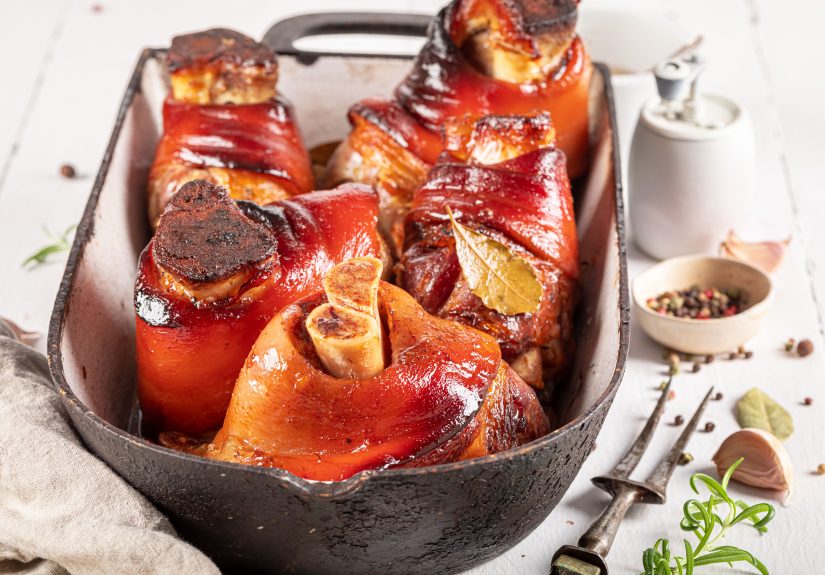
Roasting or finishing: In some traditions, ham hocks are boiled or braised first, then roasted to crisp the skin. That is less common in everyday Southern home cooking, but it is a great move when you want the hock itself to be the star.
When to Add Salt
This is important enough to mention before your soup accidentally turns into a liquid salt lick. If your ham hock is smoked or cured, it is already bringing sodium to the party. Taste late in the cooking process before adding extra salt. Beans and greens absorb seasoning differently over time, and the liquid can concentrate as it simmers.
What to Do After Cooking
Once the hock is tender, remove it from the pot and let it cool just enough to handle. Pull off any usable meat, chop or shred it, and stir it back into the dish. Discard the skin, bone, and any parts that remain tough or overly fatty. Some ham hocks yield more meat than others, so do not measure success by volume. Measure it by the flavor in the pot.
Best Dishes for Ham Hocks
Ham hocks shine brightest in recipes where the cooking liquid matters as much as the solid ingredients. A few favorites include:
Collard greens: The bitterness of the greens softens, the pot liquor turns savory and smoky, and the whole thing becomes cornbread’s best friend.
Pinto beans or white beans: A ham hock can make a basic bean pot taste like someone in the kitchen knows what they are doing, even if that someone is you in sweatpants.
Black-eyed peas and Hoppin’ John: The cut adds body and depth without needing a long ingredient list.
Split pea or navy bean soup: The collagen helps create a richer broth, while the smoky flavor makes the soup taste longer-cooked than it may actually be.
Green beans, cabbage, or mixed greens: Any vegetable that benefits from smoky pork flavor tends to get along very nicely with ham hocks.
Can You Eat the Ham Hock Itself?
Yes, absolutely, though it depends on how it was cooked. In many Southern dishes, the hock is mainly there to season the pot, and the meat is picked off in small pieces rather than served as a grand centerpiece. In other cuisines, especially some European preparations, the whole ham hock is braised, roasted, or fried and served as the main event.
If your ham hock is especially meaty and you cook it until fork-tender, it can be wonderful on its own. Just remember that it is a working cut. It needs time, moisture, and patience. If you rush it, you will get toughness. If you respect it, you will get flavor.
What If You Can’t Find a Ham Hock?
No panic is necessary. A few substitutes can get you close, though each one changes the dish a little.
Pork shank: Usually the best substitute if you still want bone, connective tissue, and pork richness.
Smoked bacon or smoked sausage: Great for adding smoky pork flavor, but they do not bring the same gelatinous body.
Leftover ham bone: Useful in soups and beans, though often less collagen-rich and not always as smoky.
Smoked turkey: A solid option for cooks avoiding pork but still wanting that slow-cooked, savory depth.
Vegetarian workaround: You will not recreate a ham hock exactly, but extra olive oil, a strong broth, smoked paprika, and umami-rich ingredients can move the dish in a satisfying direction.
Is Ham Hock Healthy?
Like many cured pork products, ham hocks are best thought of as a flavoring ingredient rather than an everyday lean protein. They offer protein, iron, and plenty of savory satisfaction, but smoked versions can also be high in sodium and saturated fat. That does not make them forbidden. It just makes them a “use wisely” ingredient.
One of the smartest ways to enjoy ham hocks is exactly how Southern cooks have long used them: to season a big pot of beans or greens rather than as an oversized serving of meat. That way, the flavor stretches across several portions, and the whole meal still feels balanced.
Common Ham Hock Mistakes to Avoid
Expecting a giant serving of meat: Ham hocks are not pork chops. The real value is in flavor, broth, and texture.
Cooking too fast: This cut wants gentle heat and time. Trying to rush it is like trying to teach a cat to file taxes.
Over-salting early: Smoked hocks can season the whole dish as they simmer. Taste first, salt later.
Skipping the pick-over step: Always remove the hock and separate meat from bone and skin before serving.
Using too much smoke on top of a smoked hock: If the hock is already cured and smoked, be careful not to pile on so many smoky ingredients that the dish starts tasting like a campfire in a salt mine.
The Real Magic of Ham Hock
Ham hocks are a reminder that some of the best ingredients are not glamorous. They are useful. They reward patience. They turn simple food into memorable food. Southern cooks have understood this forever, and Southern chefs keep proving it in different ways, whether through braised greens, gumbo, beans, or elegant sauces.
So, what is a ham hock? It is a lower-leg pork cut with bone, skin, collagen, and just enough meat to matter. But that definition only gets you halfway there. In practice, a ham hock is a flavor foundation. It is how a humble pot of beans starts tasting like a recipe somebody has been perfecting for 40 years. And honestly, that is a lot of power for one funny-looking little pork knuckle.
Extra Kitchen Experience: What Cooking With Ham Hock Really Feels Like
The first time many home cooks buy a ham hock, there is usually a brief moment of uncertainty in the grocery store. You look at this compact, rugged little cut of pork and think, “This? This is supposed to make dinner exciting?” It does not look like much. It is not glossy, neatly trimmed, or social-media glamorous. It looks like an ingredient with stories. And that is exactly the charm.
Bringing a ham hock home feels a little like joining an older kitchen tradition. You are choosing an ingredient that asks you to slow down. You are not throwing it into a skillet for a quick weeknight sear and moving on. You are building a pot. You are making something that improves by the hour. You are entering a very specific kind of cooking mood: less “celebrity chef sprint,” more “let the house smell amazing and pretend you planned this all along.”
When the ham hock first hits simmering water or broth, the transformation is subtle. Then the aroma starts to bloom. Onion, garlic, herbs, beans, or greens begin to mingle with that smoky pork scent, and the whole kitchen shifts into comfort-food mode. It is the kind of smell that suggests somebody is cooking with intention. Even if you are just wearing mismatched socks and hoping the beans soften on schedule, the room says otherwise.
There is also something deeply satisfying about what happens to the pot liquor. At the start, it is just liquid. After an hour or two, it becomes richer, silkier, and more savory. By the end, you can taste the difference that bone, collagen, and smoke make together. The broth clings a little more to a spoon. The greens taste less sharp and more rounded. The beans go from plain to deeply seasoned. It is one of those kitchen moments where technique and ingredient work together so well that the result feels almost unfair.
And then comes the small but rewarding ritual of lifting the hock out, letting it cool, and picking off the meat. It is not glamorous work, but it is satisfying in the way shelling peas or shredding roast chicken can be satisfying. You know you are finishing something properly. You are making sure the best bits get back into the dish. You are giving the pot its final layer of texture and richness.
Most of all, cooking with ham hock feels generous. It is an ingredient that stretches. One hock can flavor a big pot, feed a crowd, and make leftovers taste even better the next day. It is economical without tasting frugal. It is old-fashioned without feeling outdated. And once you see what it does for greens, beans, soups, and stews, you start to understand why Southern cooks never really stopped reaching for it. Ham hock is not trendy. It is better than trendy. It works.