Table of Contents >> Show >> Hide
- What Is FaceTite?
- How Does FaceTite Work?
- What Areas Can FaceTite Treat?
- Who Is a Good Candidate for FaceTite?
- What Happens During the FaceTite Procedure?
- FaceTite Recovery: What to Expect
- How Long Does It Take to See Results?
- How Long Do FaceTite Results Last?
- FaceTite vs. Facelift: What Is the Difference?
- Risks and Side Effects of FaceTite
- How Much Does FaceTite Cost?
- Is FaceTite Worth It?
- Patient Experiences: What FaceTite Often Feels Like in Real Life
- Final Thoughts
- SEO Tags
There comes a point in the mirror relationship when your jawline starts acting like it has its own independent foreign policy. Maybe the lower face looks a little softer, the neck a little less crisp, and the jowls begin making uninvited appearances in selfies. That is usually when people start hearing about FaceTite.
FaceTite is often described as the middle ground between fully noninvasive skin tightening and a traditional facelift. In plain English, it is a minimally invasive radiofrequency-assisted facial contouring procedure designed to tighten skin and reduce small pockets of fat in the lower face and neck. It is not magic, it is not a true facelift replacement, and it is definitely not a “lunchtime facial.” But for the right candidate, it can create noticeable improvement with less downtime than major surgery.
If you are wondering what FaceTite actually does, how the procedure works, what recovery is like, and whether the results are worth the investment, here is the deep dive.
What Is FaceTite?
FaceTite is a cosmetic treatment that uses radiofrequency-assisted lipolysis, often shortened to RFAL. The technology delivers controlled heat beneath the skin while also heating the surface in a monitored way. The goal is twofold: tighten loose tissue and address localized fat in areas such as the jawline, jowls, and under-chin region.
Unlike a classic facelift, FaceTite does not rely on long incisions, major tissue repositioning, or extensive skin removal. Instead, a provider uses a small internal probe placed under the skin and an external electrode on top of the skin. The energy passes between the two, heating the treatment zone in a controlled way. That heat can help contract tissue, stimulate collagen remodeling, and improve contour.
So no, FaceTite is not “just fancy heat.” It is more involved than a standard surface treatment, but it is still far less invasive than traditional facial surgery. That in-between status is exactly why it gets so much attention.
How Does FaceTite Work?
The science behind FaceTite comes down to thermal remodeling. Radiofrequency energy generates heat in the tissue. When carefully controlled, heat can trigger collagen contraction and encourage the body to lay down new collagen and elastin over time. That matters because collagen is one of the main things that helps skin stay firm, springy, and less likely to puddle around the jawline.
FaceTite also has a fat-targeting component. In patients with mild submental fullness or small fat deposits around the lower face, the device can help coagulate and liquefy fat, which may then be suctioned or otherwise reduced as part of the procedure. This is why FaceTite tends to work best for people who have both mild to moderate skin laxity and a little extra fullness, not just loose skin alone.
Think of it this way: if your concern is mostly early sagging with some softness under the chin, FaceTite may be in the conversation. If you have substantial skin excess, deeper folds, or significant neck banding, a surgical facelift or neck lift may still deliver the more dramatic result.
What Areas Can FaceTite Treat?
FaceTite is most commonly used on the lower third of the face and upper neck. The sweet spots usually include:
- Jowls
- Jawline softness
- Submental fullness, also known as a double chin
- Early neck laxity
- Mild lower-cheek heaviness
Some providers combine FaceTite with related treatments, especially RF microneedling such as Morpheus8, to address both deeper tissue tightening and more superficial skin texture. That combo approach is common because one treatment can help contour while the other can target surface quality, fine lines, or crepey texture.
Who Is a Good Candidate for FaceTite?
The best FaceTite candidates are usually adults with mild to moderate signs of facial aging who want more improvement than topical products, fillers, or fully noninvasive tightening can realistically provide, but who are not ready for a full facelift.
You may be a reasonable candidate if you:
- Have early jowling or a less-defined jawline
- Notice loose skin under the chin or along the upper neck
- Have mild to moderate fat under the chin
- Want less downtime than traditional surgery
- Understand that subtle to moderate improvement is more realistic than dramatic transformation
You may be a poor candidate if you:
- Have severe skin laxity or a great deal of excess skin
- Expect facelift-level lifting from a minimally invasive procedure
- Have untreated medical issues that affect healing
- Smoke and are unwilling to follow strict pre- and post-procedure instructions
- Want a bargain procedure done by someone whose credentials are fuzzier than an overfiltered selfie
One more important point: this is an elective cosmetic procedure. It should be chosen thoughtfully, not impulsively, and not as a cure for self-esteem, boredom, or a bad lighting setup in your bathroom.
What Happens During the FaceTite Procedure?
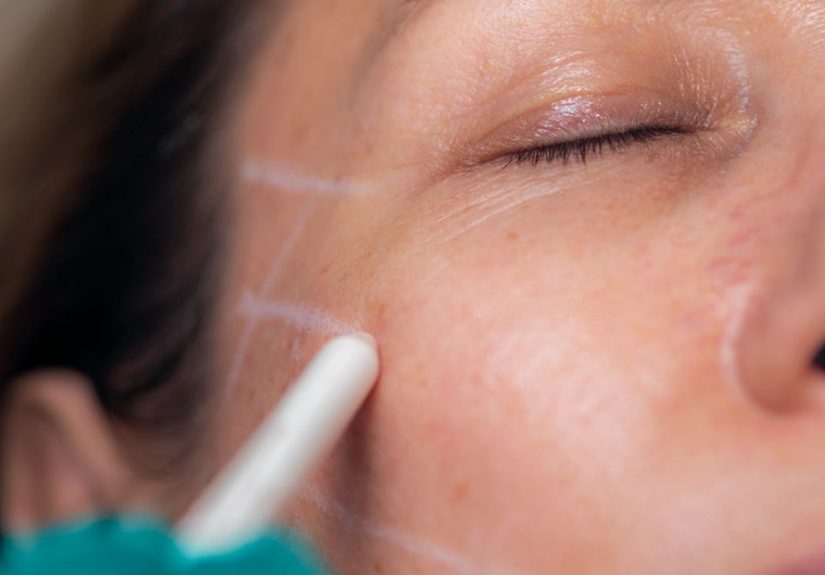
A FaceTite procedure usually starts with consultation, photos, and treatment mapping. Your provider will evaluate skin laxity, facial fat distribution, neck contour, and bone structure. A good consultation should include a realistic conversation about what FaceTite can do, what it cannot do, and whether another procedure would make more sense.
Before the treatment
You may be asked to stop certain medications or supplements that increase bleeding risk. Smoking cessation is usually strongly recommended. Your provider may also discuss whether FaceTite will be done alone or combined with another treatment.
Anesthesia
FaceTite is often performed under local anesthesia, sometimes with oral sedation or light IV sedation depending on the treatment plan and the areas involved. Some combined procedures may call for deeper anesthesia, but that varies by surgeon and setting.
During the treatment
Small entry points are created in discreet locations. A thin internal cannula is placed beneath the skin, while an external electrode glides along the surface. Radiofrequency energy passes between them, heating the targeted tissue. If fat reduction is part of the goal, suction may also be used. The lower face can take a relatively short amount of time, while treating both face and neck may take longer.
After the treatment
Patients usually go home the same day. A compression garment is commonly recommended, at least for the early recovery period. You will not leave looking red-carpet ready. You will leave looking like someone who has recently made a very deliberate life choice.
FaceTite Recovery: What to Expect
Recovery after FaceTite is usually easier than recovery after a facelift, but it is not zero-downtime. That distinction matters. A lot of disappointment in cosmetic procedures starts when people hear “minimally invasive” and mentally translate it to “I will be brunch-ready by Tuesday.” Not always.
The first 24 to 72 hours
Swelling, tightness, tenderness, and bruising are common. You may also feel numbness or firmness in treated areas. Some surgeons recommend wearing a compression garment continuously for the first couple of days, then part-time afterward, depending on the extent of treatment.
The first week
Most of the social downtime tends to happen here. You may look puffy, slightly uneven, or bruised. Makeup may camouflage some discoloration, but not all of it. Many people take several days to a week away from major social events or camera-heavy obligations.
Weeks two to six
Swelling gradually improves, though some residual puffiness and firmness can linger longer than patients expect. This is one reason patience is part of the recovery package, whether anyone ordered it or not. Temporary hardness or contour irregularity can happen during healing and often settles over time.
Longer-term healing
Collagen remodeling continues for months, so final results are not judged the week after the procedure. Early contour changes may show up first, while skin tightening continues to evolve over time. In real life, that means you often see a progression rather than a dramatic overnight reveal.
How Long Does It Take to See Results?
Some improvement may be visible once early swelling begins to settle, especially if excess fat was reduced. But the more meaningful tightening effect often develops gradually. This is because collagen remodeling is a biological process, not a software update.
Many patients notice that their face looks more defined over the course of several weeks to months. Full improvement may continue building for months, especially when FaceTite is combined with other collagen-stimulating treatments.
How Long Do FaceTite Results Last?
FaceTite results are generally considered long-lasting but not permanent. The procedure can improve contour and skin tightness, but it does not stop aging. Gravity remains undefeated, and time remains extremely committed to its job.
How long your results last depends on several factors, including your age, skin quality, genetics, sun exposure, smoking history, weight stability, and whether you pair the procedure with good skin care or complementary treatments. A stable weight and realistic expectations usually help people feel happier with the outcome.
FaceTite vs. Facelift: What Is the Difference?
This is the comparison people care about most, and the honest answer is simple: FaceTite is not a facelift.
A facelift physically repositions and tightens deeper facial tissues and can remove excess skin. It is better for significant sagging, deeper folds, and more advanced aging changes. It also comes with more downtime, more swelling, more bruising, and higher surgical risk.
FaceTite is better understood as a bridge procedure. It may suit patients who are not yet surgical facelift candidates, or who want improvement with smaller incisions and shorter recovery. It can fill a treatment gap, but it does not eliminate the difference between minimally invasive contouring and actual surgical lifting.
Risks and Side Effects of FaceTite
Every cosmetic procedure has trade-offs, and FaceTite is no exception. Common temporary side effects can include:
- Swelling
- Bruising
- Tenderness or soreness
- Numbness
- Firmness or nodules during healing
- Temporary asymmetry while swelling resolves
Less common but more serious risks may include burns, infection, bleeding, prolonged swelling, contour irregularities, and temporary nerve irritation or neuropraxia. This is one reason provider skill matters so much. A board-certified plastic surgeon or facial plastic surgeon with real experience in energy-based facial contouring is not a luxury detail. It is the whole ballgame.
How Much Does FaceTite Cost?
FaceTite is usually paid for out of pocket because it is an elective cosmetic procedure. The cost can vary widely based on geography, provider expertise, how many areas are treated, the type of anesthesia used, and whether it is combined with another procedure. In the real world, the final quote may also include facility fees, garments, follow-up visits, and any add-on treatment your provider believes will improve the result.
If you are comparing prices, do not shop as though you are choosing between phone chargers. A lower quote from an inexperienced injector or a non-core specialist may cost more in the long run if the result is weak, uneven, or complicated.
Is FaceTite Worth It?
That depends on what you want. FaceTite can be worth it for patients who want a more defined lower face and neck, accept moderate rather than dramatic improvement, and prefer less downtime than a facelift. It may not feel worth it to someone expecting a surgical result without surgery, or to someone whose facial aging is advanced enough that excisional surgery is the more logical option.
In short, FaceTite tends to work best when expectations are calibrated correctly. It is not a miracle. It is not a gimmick either. It is a tool, and like most tools, the result depends on the right job and the right hands.
Patient Experiences: What FaceTite Often Feels Like in Real Life
The most useful way to talk about FaceTite experiences is not through dramatic before-and-after promises, but through the small details patients often remember.
Before the procedure, many people describe a mix of excitement and skepticism. They usually are not trying to look like a different person. They want to look a little tighter, a little sharper, and a little less tired in the jawline and neck. A common emotional theme is that they are bothered by one part of the face that seems out of sync with the rest. For example, someone may feel that their skin still looks decent overall, but the area under the chin suddenly appears heavier in every video call. Others say they are not ready for a facelift, either mentally or financially, but want something stronger than creams, facials, or “hope and hydration.”
During recovery, the experience can be more emotionally uneven than the brochures suggest. Day one often feels manageable because the area is numb and the decision has already been made. By days two through five, the swelling and tightness can make patients second-guess themselves. Some say they look more puffy before they look better. Others notice odd firmness, temporary numbness, or little asymmetries that trigger a spiral of mirror inspections. This is one reason good pre-procedure counseling matters. Patients who are told to expect swelling, bruising, compression garments, and patience usually cope better than people who imagined they were booking a slightly upgraded facial.
Then comes the slow phase. That is where a lot of FaceTite stories sound similar. At first, the results can feel subtle. Then one morning, usually weeks later, the jawline starts looking cleaner in photos. The neck may appear less heavy. Makeup sits differently. Video calls become less offensive. Friends often do not say, “Did you get FaceTite?” They say, “You look refreshed,” which is exactly the kind of compliment many patients were hoping for.
The happiest patients are often the ones who wanted refinement, not reinvention. They tend to appreciate that they still look like themselves, just with less blur around the edges. Patients who expected a surgical lift without surgery are more likely to feel underwhelmed. That gap between expectation and outcome shapes the experience as much as the procedure itself.
In practical terms, the lived experience of FaceTite is usually less about one dramatic reveal and more about gradual confidence. The improvement may unfold quietly, but for the right person, that quiet improvement is the whole point.
Final Thoughts
FaceTite occupies a very specific lane in cosmetic medicine. It is best viewed as a minimally invasive option for mild to moderate lower-face and neck laxity, especially when a person wants more than a noninvasive treatment can offer but is not ready for a full facelift.
The procedure can tighten tissue, improve contour, and reduce small pockets of fat, but it also comes with downtime, cost, and real risks. The best outcomes usually happen when patients are carefully selected, well-informed, and treated by an experienced, board-certified specialist who is honest about what FaceTite can and cannot do.
If your goal is natural-looking refinement rather than dramatic transformation, FaceTite may be worth exploring. If your skin laxity is more advanced, a facelift may still be the better tool. Either way, the smartest move is not chasing a trend. It is getting an expert evaluation and choosing the procedure that matches your anatomy, goals, and tolerance for recovery.