Table of Contents >> Show >> Hide
- What Does HVAC Actually Stand For?
- Core Parts of a Typical Home HVAC System
- How Home Ventilation Systems Work
- HVAC and Indoor Air Quality: Why Ventilation Matters
- How Air Moves Through a Home HVAC System
- Basic HVAC and Ventilation Maintenance for Homeowners
- Real-World Experiences: Living with an HVAC and Ventilation System
- Bottom Line: HVAC Is Your Home’s Comfort and Breathing System
If you’ve ever stood in front of a floor vent on a hot day whispering “thank you” to the cold air, congratulationsyou’ve already experienced the magic of HVAC. But what exactly is HVAC, and how do home ventilation systems keep your indoor air comfortable, clean, and breathable all year long?
Understanding your home’s heating, ventilation, and air conditioning isn’t just for contractors and building nerds. A basic grasp of how HVAC works can help you save money on energy bills, improve indoor air quality, and avoid expensive breakdowns at the worst possible time (looking at you, July heatwave).
What Does HVAC Actually Stand For?
HVAC stands for Heating, Ventilation, and Air Conditioning. In many homes, the HVAC system is a single integrated setup that:
- Heats your home in winter (furnace, heat pump, boiler).
- Cools it in summer (central air conditioner or heat pump).
- Moves and refreshes air through ventilation, helping manage humidity and indoor air quality.
In other words, HVAC is your home’s comfort and breathing system. According to the U.S. Department of Energy, heating and cooling together make up a large portion of household energy use, often around a third or more of total consumption, so it’s a big deal for your comfort and your budget.
Core Parts of a Typical Home HVAC System
Not every house has the exact same HVAC setup, but most forced-air systems share a few key ingredients:
1. Heating Equipment
The “H” in HVAC usually comes from one of these:
- Gas or oil furnace – Burns fuel to heat air, then a blower pushes that warm air through ductwork into rooms.
- Electric furnace – Uses electric resistance coils to heat air, similar to a giant hair dryer for your house.
- Heat pump – Works like a reversible refrigerator, moving heat into your home in winter and out of it in summer.
- Boiler with radiators – Heats water and circulates it through radiators or radiant floors (not technically “forced air,” but still part of the broader HVAC world).
2. Cooling Equipment
For cooling, many homes rely on:
- Central air conditioner – Uses a refrigerant loop and compressor to pull heat out of indoor air and release it outdoors.
- Heat pump – Same device as above, just running in cooling mode instead of heating mode.
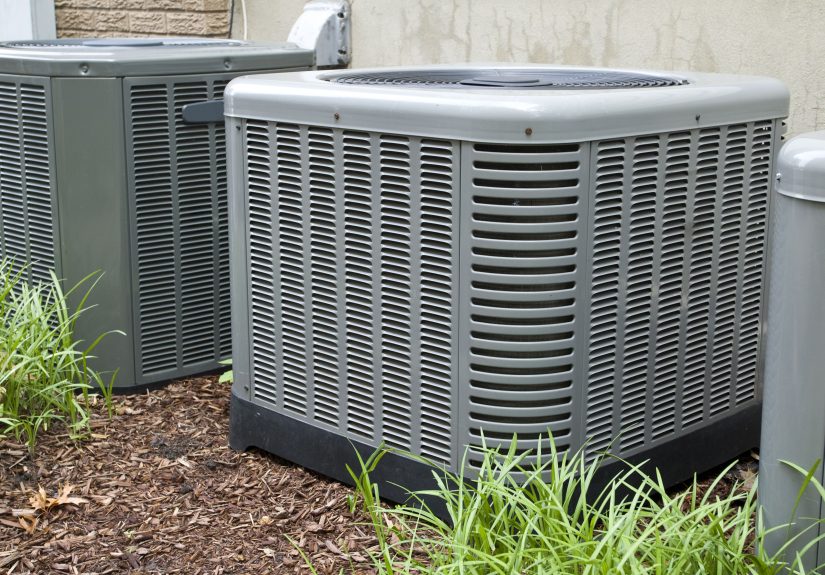
Both systems use an indoor coil (evaporator coil) and an outdoor unit (condenser) connected by refrigerant lines. Keeping that outdoor unit clear of debris and vegetation is critical for performance.
3. Ductwork, Supply Vents, and Return Vents
Imagine your HVAC equipment as the “heart” and your ductwork as the “arteries and veins” of the system:
- Supply ducts and vents deliver heated or cooled air into rooms.
- Return ducts and vents pull used air back to the HVAC unit to be filtered, conditioned, and recirculated.
When everything is balanced, air flows smoothly: it’s pushed into rooms through supply vents and pulled out through returns. Closing vents or blocking them with furniture can throw off that balance, increase pressure in the system, and stress components over time.
4. Filters and Air Cleaning Components
Before air reaches your HVAC equipment, it usually passes through a filter. Filters:
- Capture dust, pet hair, and larger particles.
- Protect the blower and coil from getting caked in debris.
- Help improve indoor air quality when properly sized and maintained.
Some systems also include higher-efficiency filters, air cleaners, or UV lights, but a correctly installed and regularly replaced basic filter is still your first line of defense.
How Home Ventilation Systems Work
The “V” in HVACventilationoften gets the least attention, but it’s the part that helps your home actually breathe. Ventilation does three big things:
- Brings in fresh outdoor air.
- Removes stale, polluted indoor air.
- Helps control humidity, which affects both comfort and mold risk.
In older, leakier homes, cracks, gaps, and drafts provided “natural” ventilation (plus a nice bonus of higher energy bills). Modern homes are much tighter and more energy-efficient, which is great for your wallet but not so great for indoor air quality unless you add controlled ventilation.
Spot vs. Whole-House Ventilation
Mechanical ventilation systems for homes generally fall into two categories:
- Spot ventilation – Focused on specific areas that generate moisture or pollutants, such as:
- Bathroom exhaust fans
- Kitchen range hoods
- Laundry room exhaust fans
- Whole-house ventilation – A system designed to ventilate the entire home on a controlled schedule, usually connected to the ductwork or a dedicated network of small ducts.
Spot fans handle bursts of humidity and odors; whole-house ventilation handles the baseline need to dilute indoor pollutants like CO₂, VOCs from cleaning products, and moisture from daily life.
Four Main Types of Mechanical Whole-House Ventilation
Industry groups and building experts typically describe four main types of mechanical whole-house systems:
- Exhaust-only systems
These use one or more fans to pull air out of the home (often from bathrooms), relying on leaks and passive vents for makeup air. They’re relatively simple but can depressurize the home, which may be a concern in very tight buildings. - Supply-only systems
These bring outdoor air inusually into the return side of the HVAC systemallowing the conditioned air to be distributed throughout the house. However, without balanced exhaust, they can increase indoor pressure and potentially push moist air into wall cavities. - Balanced systems
Balanced systems bring in and exhaust roughly equal amounts of air. They often use two fans and may include filters on the supply air. - Energy recovery systems (HRV/ERV)
Heat Recovery Ventilators (HRVs) and Energy Recovery Ventilators (ERVs) transfer heat (and with ERVs, some moisture) between outgoing stale air and incoming fresh air. This helps keep indoor temperature and humidity more stable while still providing controlled ventilation.
In colder climates, HRVs help recover heat that would otherwise be lost with exhaust air. In more humid climates, ERVs help keep some of the outdoor moisture from entering with the fresh air, easing the load on your cooling system.
HVAC and Indoor Air Quality: Why Ventilation Matters
Your heating and cooling equipment can make your home feel cozy, but ventilation is what helps it feel healthy. Without proper ventilation:
- Moisture from cooking, showering, and breathing can build up, increasing mold risk.
- Odors, allergens, and pollutants can linger.
- CO₂ levels can climb, which may leave you feeling groggy and headachy.
Organizations like ASHRAE (the American Society of Heating, Refrigerating and Air-Conditioning Engineers) publish standards that set minimum ventilation rates for acceptable indoor air quality in homes and other buildings.
While you don’t need to memorize those standards, it’s worth knowing that:
- Running bathroom and kitchen fans during and after use helps remove moisture and pollutants.
- A well-designed whole-house ventilation system can quietly maintain better indoor air quality with minimal energy penalty, especially when combined with HRV/ERV technology.
How Air Moves Through a Home HVAC System
Let’s walk through a typical heating or cooling cycle in a forced-air system:
- Return air is pulled from rooms through return grills and ducts.
- Air passes through a filter, which catches dust and debris.
- Air is conditioned:
- Heated by the furnace or heat pump in winter, or
- Cooled and dehumidified by the AC or heat pump in summer.
- The blower fan pushes the conditioned air into the supply ducts.
- Air exits through supply vents into each room.
- The cycle repeats, creating continuous circulation and mixing of air throughout the home.
When ventilation is integrated, outdoor air is introduced at some point in this loopoften into the return sidethen mixed, filtered, and delivered to rooms, while stale air is exhausted outdoors.
Basic HVAC and Ventilation Maintenance for Homeowners
You don’t need to be an HVAC pro, but a little routine maintenance goes a long way toward comfort, efficiency, and system life.
1. Change Filters Regularly
Most experts recommend checking filters monthly and replacing them every 1–3 months, depending on:
- Whether you have pets
- How often the system runs
- Dust levels in your home
Energy efficiency programs and manufacturers agree that dirty filters restrict airflow, increase energy use, and can damage equipment over time.
2. Keep Vents and Outdoor Units Clear
Make sure furniture, rugs, or curtains aren’t blocking supply or return vents. Blocked vents can throw off airflow and make rooms uncomfortable. Outdoors, keep at least 1.5–2 feet of clearance around the condenser or heat pump so it can “breathe” properly.
3. Schedule Professional Tune-Ups
Annual or biannual professional maintenance helps catch:
- Refrigerant issues
- Electrical problems
- Dirty coils and blower assemblies
- Safety issues with gas furnaces
Skipping maintenance is one of the most common HVAC mistakes homeowners make, often leading to higher energy bills and premature breakdowns.
4. Consider Duct and Ventilation Checkups
Over time, ducts can develop leaks, become obstructed, or accumulate dust. Experts often recommend cleaning ducts every few years, especially if you’ve had remodeling work, pets, or visible dust and debris around registers.
A ventilation professional can also review whether your home has adequate spot ventilation and whether a whole-house system or HRV/ERV would improve comfort and indoor air quality.
Real-World Experiences: Living with an HVAC and Ventilation System
On paper, HVAC and ventilation systems sound neat and tidy: air goes here, energy savings happen there, everyone is comfortable. In real life, things are a bit messierliterally and figuratively. Here are some lived-in lessons and experiences that homeowners and pros often share about how HVAC and home ventilation really work day-to-day.
When You Ignore the Filter…
Many homeowners admit they didn’t even know where their HVAC filter was until something went wrong. A common story goes like this: the system starts running nonstop, some rooms feel stuffy, the power bill spikes, and then a technician pulls out a filter that looks like a felt blanket made of dog hair and dust.
That one tiny component can make your blower work overtime, reduce airflow, and even cause the evaporator coil to freeze up in cooling season. People are often shocked at how fast comfort improvesand how quickly bills droponce they get in the habit of swapping filters regularly. Setting a calendar reminder or linking filter changes to a holiday (“new filter on the first of every month” or “every time the season changes”) is a small habit with big payoff.
The Myth of Closing Vents in Unused Rooms
Another common experience: someone decides to “save money” by closing vents in guest rooms or rarely used spaces. Instead of lower bills, they end up with odd whistling noises, hot and cold spots, or even shortened equipment life.
People are often surprised to learn that HVAC systems are designed with a particular airflow range in mind. Closing vents changes the pressure in the ducts, so the blower has to work harder. Over time, that extra strain can lead to noisier operation, reduced comfort, and potentially more repairs. Homeowners who switch from vent-closing to more thoughtful solutionslike zoning systems, smart thermostats, or simply improving insulation and sealingusually report more even comfort and fewer system “moods.”
Ventilation and Humidity: Comfort Is More Than Temperature
Many folks only look at the temperature on the thermostat and wonder why the house still feels “clammy” or “stuffy.” Once they start paying attention to humidity and ventilation, the lightbulb goes on.
A common real-world pattern: after installing a good bathroom exhaust fan, running it during and after showers, and improving kitchen range hood use, people notice fewer foggy mirrors, less musty smell, and reduced mildew around caulk and grout lines. In homes that add HRVs or ERVs, homeowners often talk about the air feeling “fresher” even when the house is closed up in winter or peak summer.
The big realization is that comfort isn’t just “72°F.” It’s temperature plus humidity plus clean, moving air.
The Outdoor Unit Nobody Looks At
Drive through a neighborhood in summer and you’ll see a familiar sight: outdoor AC units surrounded by tall grass, shrubs growing right up against the cabinet, maybe even a pile of leaves or a forgotten kiddie pool leaning on the side.
People rarely think about the outdoor unit until a tech explains that it needs room to breathe. That metal box is rejecting heat from inside your home; when it’s clogged with debris or jammed into a tight corner, it has to work much harder to throw that heat outside. Homeowners who take a few minutes each season to clear a couple of feet around the unit, gently rinse the coils, and keep landscaping in check often notice quieter operation and better cooling performance.
Discovering the Power of a Good Ventilation Strategy
For many homeowners, the game changer comes when someone finally looks at the house as a whole systemheating, cooling, and ventilation working together. Maybe they bring in a contractor who runs a blower-door test, checks duct leaks, and evaluates existing fans and ventilation.
After sealing obvious air leaks, improving attic insulation, upgrading to quieter and more effective bath fans, and possibly installing a balanced or energy-recovery ventilation system, people often report a few consistent changes:
- Less dust settling on furniture.
- Fewer allergy flare-ups or musty smells.
- More consistent comfort from room to room.
- Lower or more stable energy bills, even with better ventilation.
The experience drives home an important point: HVAC isn’t just about making hot air or cold air. It’s about managing how air moves, how clean it is, and how much energy you spend to keep it all in balance.
What This Means for You
You don’t have to become your own HVAC technician, but taking a little ownership over your systemlearning where the filter is, keeping vents clear, using exhaust fans, and considering better ventilation solutionscan transform how your home feels and how much it costs to run.
Your HVAC system is quietly working almost every day of the year. When you understand how heating, ventilation, and air conditioning fit together, you’re not just a passenger in your home’s comfortyou’re the co-pilot.
Bottom Line: HVAC Is Your Home’s Comfort and Breathing System
HVAC isn’t just a mysterious metal box in your basement or backyard. It’s an interconnected system of heating, cooling, and ventilation that:
- Keeps temperatures comfortable through changing seasons.
- Maintains healthy indoor air quality and humidity.
- Circulates air through supply and return ducts to every room.
- Uses filters and ventilation strategies to protect both you and the equipment.
By understanding how home ventilation systems work, changing your filters on schedule, keeping vents and outdoor units clear, and paying attention to humidity and fresh air, you can help your HVAC system do its job betterfor longer and for less money.
Think of it this way: if your home could talk, its HVAC system would be the lungs and circulatory system. Treat it well, and the entire “body” of the house feels better.