Table of Contents >> Show >> Hide
- Malted milk powder, in plain English
- How it’s made: the quick food-science tour
- Malted milk powder vs. malt powder vs. malt syrup vs. powdered milk
- What does malted milk powder taste like?
- A quick history: from “health food” to soda-fountain icon
- Classic uses: drinks, desserts, and candy
- Why bakers love it: flavor + browning + “dessert depth”
- How to avoid clumps (and other small kitchen tragedies)
- Buying, storing, and substituting malted milk powder
- Dietary and allergy notes
- FAQ: quick answers to common questions
- Conclusion
- Real-world experiences with malted milk powder (the 500-word “what it’s like” section)
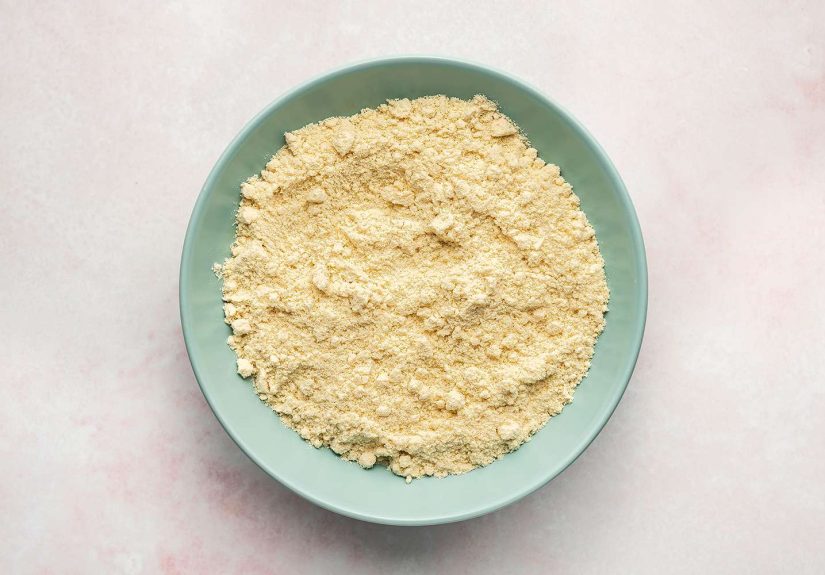
Malted milk powder is the culinary equivalent of finding a jukebox that still works: nostalgic, a little magical,
and weirdly powerful for something that looks like beige sand. It’s the key ingredient behind old-school “chocolate
malts,” the toasty sweetness in certain cookies and frostings, and that unmistakable soda-fountain vibe that tastes
like a time machine with whipped cream.
But what is malted milk powder, exactly? Is it just powdered milk? Is it the same “malt” that shows up in
bagel recipes? Will it turn your kitchen into a 1950s diner (results may vary, but your blender will feel important)?
Let’s break it down.
Malted milk powder, in plain English
Malted milk powder is a shelf-stable mix that typically combines malt (usually from barley),
wheat flour, and milk solids. Many classic grocery-store versions also include a pinch of
salt and a small amount of baking soda to round out flavor and improve how it dissolves.
The result is a powder that tastes toasty, gently sweet, and creamylike caramel’s quieter, nuttier cousin.
In the U.S., you’ll most often see it sold as “malted milk powder” (sometimes “malt powder” in casual conversation),
and it’s usually found near hot cocoa mixes, powdered milk, or baking ingredients.
How it’s made: the quick food-science tour
The “malted” part starts with grainmost commonly barley. Barley is soaked to start sprouting (germination).
During sprouting, the grain naturally develops enzymes that can break starch into sugars. Then it’s dried (often gently
kilned) to lock in flavor and stop the sprouting process.
For malted milk powder, the goal isn’t to power bread fermentation (more on that in a second). Instead, the
malt component is used mainly for its flavor and browning-friendly sugars. That malt is then blended
with milk solids and flour to create a powder that dissolves into drinks and behaves beautifully in desserts.
Translation: it’s engineered for comfort, not for bread sciencethough it can still show up in baking in very delicious ways.
Malted milk powder vs. malt powder vs. malt syrup vs. powdered milk
This is where people get trickedbecause “malt” is one of those words that can mean several different things depending on
the aisle you’re standing in.
1) Malted milk powder
- What it is: Malt (usually barley-based) + wheat flour + milk solids (often with salt/baking soda).
- What it does: Adds a toasty, creamy sweetness and helps certain baked goods brown nicely.
- Best for: Milkshakes, cookies, frostings, ice cream, pancakes, pudding, and dessert “depth.”
2) Diastatic malt powder (the bread baker’s secret weapon)
- What it is: Ground malted barley with active enzymes still intact.
- What it does: Helps yeast dough by turning flour starch into sugars yeast can eatsupporting rise, color, and crust.
- Best for: Bagels, pizza dough, sandwich loavesrecipes that specifically call for it.
3) Non-diastatic malt powder
- What it is: Malt powder that’s been heated so enzymes aren’t active.
- What it does: Adds malt flavor and color, but won’t speed fermentation.
- Best for: Flavoring and browning when you don’t want enzymatic action (many sweets fall here).
4) Barley malt syrup (or malt extract syrup)
- What it is: A thick, sweet syrup made from malted grains (often barley).
- What it does: Adds sweetness, malt flavor, and shine; common in bagels and candy.
- Best for: Glazes, sweeteners, bagel boiling water, granola, and chewy baked goods.
5) Powdered milk (nonfat dry milk, whole milk powder, etc.)
- What it is: Dehydrated milk, plain and simple.
- What it does: Adds dairy richness and improves texture; useful in bread, sauces, and desserts.
- Best for: Any situation where you want milk solids without extra liquid.
Bottom line: malted milk powder is its own thing. It has milk in it, but it’s not just milk. It has malt flavor,
but it’s not the same as the malt powders used in bread formulas.
What does malted milk powder taste like?
If you’ve ever eaten a malted milk ball candy or had a classic malt at a diner, you already know the vibe:
toasty, caramel-ish, creamy, and slightly savory. Some people describe it as “butterscotch-adjacent.”
Others call it “the missing flavor note that makes chocolate taste more chocolatey.”
That little savory edge matters. Malted milk powder isn’t just sugarit’s a blend that can make desserts taste
rounder and more complex, like someone turned up the “cozy” setting by two clicks.
A quick history: from “health food” to soda-fountain icon
Malted milk’s story starts in the late 1800s, when the Horlick brothers developed a malt-and-milk-based product that
was marketed as a nourishing drinkespecially for infants and people who needed an easy-to-digest food. Over time,
it traveled far beyond its practical origins and became a familiar name in American soda fountains.
By the early-to-mid 1900s, malted drinks had become part of diner and drugstore culture. One famous twist in the tale:
in the 1920s, a Walgreens employee is often credited with blending ice cream into a malted milk drinkhelping popularize
the thick, creamy milkshake style many people think of today.
So yes: malted milk powder is not only an ingredient. It’s also a cultural artifactlike a jukebox song you can taste.
Classic uses: drinks, desserts, and candy
1) The malted milkshake (“a chocolate shake’s cooler cousin”)
The classic formula is simple: ice cream + milk + malted milk powder (plus chocolate syrup if you want a chocolate malt).
Malted milk powder brings sweetness and a toasted depth that makes the whole thing taste more “old-school.”
Practical tip: start smallabout 1 to 2 tablespoons per servingthen adjust. Malted milk powder can be sweet,
and too much can turn a shake from “diner perfection” into “why is this aggressively beige?”
2) Hot drinks and “malt beverages”
Malted milk powder can be stirred into warm milk like hot cocoaespecially if you buy a chocolate variety or blend it with cocoa.
It’s also related to malted drink mixes like Ovaltine-style products (though those often include extra sugar, cocoa, and added vitamins).
3) Malted milk balls (the candy with the crunch heard ’round the movie theater)
Malted milk powder isn’t only for sipping. It’s also the signature flavor in malted milk ball candies. The malted center has that
airy crunch, and the flavor reads as sweet, toasted, and unmistakably “malt.”
Why bakers love it: flavor + browning + “dessert depth”
Malted milk powder shows up in modern baking because it does two things extremely well:
- Boosts flavor complexity (toasty, caramel-like notes that play well with chocolate, vanilla, and brown sugar).
- Encourages beautiful browning in baked goods, thanks in part to the milk sugars (like lactose) and proteins.
This is why you’ll see it in recipes like malted chocolate chip cookies, malted brownies, puddings, frostings, and even pancakes.
It’s a small addition that makes people ask, “What is that flavor?” in the best way.
How much should you use in baking?
A reliable starting point is 1 tablespoon per cup of flour in batters and doughs. For bold malt flavor, some recipes go
higher (2–3 tablespoons per cup of flour), but it’s smart to work up gradually.
- Cookies: Add 1–3 tablespoons to the dough; consider reducing granulated sugar slightly if the dough tastes too sweet.
- Cakes/cupcakes: Whisk into dry ingredients; it pairs especially well with chocolate and espresso.
- Frosting: Beat a few tablespoons into buttercream for a malt-shop flavor that tastes fancy but friendly.
- Pancakes/waffles: Add 1 tablespoon per cup of flour for diner-style aroma and browning.
- Ice cream: Blend into the base to get that classic “malt shop” profile.
Does it change texture?
It can. Malted milk powder contains milk solids and flour, which can subtly affect thickness and tenderness. In cookies, it may add
a slightly more “substantial” bite. In ice cream, it can enhance body and that creamy chew people love. In pancakes, it can help you
get a golden surface without pushing the heat too high.
How to avoid clumps (and other small kitchen tragedies)
Malted milk powder likes to clump if it’s dumped into cold liquid like it owns the place. A few tricks keep it cooperative:
For baking
- Whisk it with the dry ingredients before adding wet ingredients. This distributes it evenly and prevents pockets of powder.
- Sift if needed (especially if your powder has been sitting a while).
For drinks
- Make a paste first: Stir the powder with a small splash of milk, then add the rest.
- Use warm liquid: Warm milk helps it dissolve faster (then chill if making an iced drink).
- Blend it: If you own a blender, this is its moment of glory.
One more practical note: some malted milk powders contain a noticeable amount of sodium. If you’re using a lot in a recipe (especially in baking),
you may want to taste and slightly reduce added salt.
Buying, storing, and substituting malted milk powder
Where to find it
In many U.S. grocery stores, malted milk powder lives near instant drink mixes, hot cocoa, or baking ingredients. If you don’t see it,
check the “old-school pantry” zones: powdered milk, pudding mixes, and sometimes coffee add-ins.
How to store it
Keep it airtight and dry. Moisture is the enemy; it turns your fluffy powder into a beige brick with ambitions.
If the container is unopened, it can last a long time. Once opened, treat it like other dry pantry goods: sealed well, away from humidity and heat.
Substitutions (when you want the vibe but not the exact ingredient)
-
Ovaltine-style malt drink mix: Works in a pinch for flavor, but it’s usually sweeter and may include cocoa and added nutrients.
Adjust sugar accordingly. - Non-diastatic malt powder + milk powder: A closer DIY approach. It won’t be identical, but it gets you malt flavor plus dairy notes.
- Toasted milk powder: Not malty, but it delivers a similar “toasty dairy” depth that can mimic part of the effect in desserts.
Dietary and allergy notes
Malted milk powder is usually a “contains everything delicious” ingredient, which also means it can be a problem for some diets.
Most standard malted milk powders contain:
- Milk (dairy)
- Wheat (gluten)
- Barley (gluten)
If you avoid gluten, malted milk powder is typically not safe unless clearly labeled gluten-free and made from gluten-free grains.
If you avoid dairy, it’s also usually off the table because milk solids are a core component.
FAQ: quick answers to common questions
Is malted milk powder the same as diastatic malt powder?
No. Diastatic malt powder has active enzymes meant to help yeast dough. Malted milk powder is used mainly for flavor and dessert applications.
Can I add malted milk powder to bread dough?
You can add it for flavor, but it won’t behave like diastatic malt powder in fermentation. Also, because it contains milk solids and flour,
it can change browning and sweetnessso use modest amounts and keep notes.
What’s the easiest first recipe to try?
A chocolate malt is the fastest victory: blend vanilla ice cream, milk, chocolate syrup (optional but recommended), and a spoonful of malted milk powder.
After that, try adding a tablespoon to pancake batter or whisking it into frosting.
Conclusion
Malted milk powder is a deceptively simple ingredient that brings big personality: toasted sweetness, creamy richness, and a little hit of diner nostalgia.
It’s not the same as bread-baking malt powders, and it’s not just powdered milkit’s a blend that’s tailor-made for desserts, shakes, and baked goods
that taste like you meant to impress people.
If you’ve never used it before, start with something easy: a malted milkshake, a pancake upgrade, or a small spoonful in cookie dough. You’ll taste the
difference immediatelyand you might find yourself keeping it next to the vanilla extract, where the “flavor MVPs” live.
Real-world experiences with malted milk powder (the 500-word “what it’s like” section)
People’s first experience with malted milk powder is often a mix of curiosity and mild confusion, because the label sounds like it belongs in a 1920s
apothecary. Then they open the container, take one whiff, and suddenly they’re thinking about diners, milk bars, and candy aisle memories they didn’t
realize were still living in their brain rent-free.
In drinks, the most common “aha” moment happens with a chocolate malt. Home cooks expect “chocolate shake,” but the malt adds a toasted, almost
butterscotch-like depth that makes the flavor feel more layeredless like sugar-on-sugar and more like a dessert with a backstory. A lot of people
also notice that malted milk powder can be sweet on its own, so their second attempt usually involves dialing back other sweeteners. The result is
a shake that tastes richer without necessarily tasting sweeter, which is a rare and satisfying trick.
In baking, the experience is usually described as “I don’t know what changed, but something definitely changed.” Cookies can taste more rounded and
“grown-up,” even if the cookie is still loaded with chocolate chips. That’s because malted milk powder doesn’t just add sweetnessit adds toasted notes
that play really well with brown sugar, vanilla, cocoa, and espresso. People who bake regularly often end up using it the way they use cinnamon or instant
coffee: not always, but when they want a specific kind of warmth and complexity.
Pancakes and waffles are another place where malted milk powder earns fans quickly. The common report is better aroma and prettier browning, especially
when the batter already has a buttery or vanilla-forward profile. Some cooks say it gives “diner pancakes” energylike the flavor you get when the griddle
is seasoned and the cook has been doing this since before you were born. Again, the usual tweak after the first try is adjusting sweetness: a spoonful of
malt can let you reduce sugar while still making the batter taste indulgent.
Frosting is where the ingredient becomes a quiet flex. People add a few tablespoons to buttercream and suddenly the frosting tastes like a specialty bakery
version of itselfmore nostalgic, less one-note. It pairs especially well with chocolate cake, banana cake, and anything that already leans caramel-y
(think brown butter, brown sugar, or toasted nuts). The “experience” here is that guests often ask what the secret ingredient is, and the baker gets to
pretend it’s a family heirloom recipe instead of a powder from aisle seven.
The one consistent caution from real kitchens: malted milk powder clumps if you dump it into cold liquid, and it can pick up humidity if stored loosely.
Once people learn to whisk it into dry ingredients or blend it into drinks, it becomes a low-effort stapleone of those ingredients that makes everyday
treats feel a little more special without requiring extra technique.