Table of Contents >> Show >> Hide
- Gout 101: Why Food Matters (But Isn’t Everything)
- Big Picture: Principles of a Gout-Friendly Diet
- Best Foods to Eat to Treat and Prevent Gout
- Foods and Drinks to Limit or Avoid With Gout
- Simple One-Day Gout-Friendly Meal Plan
- Lifestyle Habits That Boost Your Gout Diet
- Real-World Experiences: What Actually Works Day to Day (About )
- Conclusion: Eating Smart So Gout Shouts Less
If you live with gout, you know the pain is no joke. One minute you’re fine, the next minute your big toe feels like it’s auditioning for a horror movie. While medication is the main hero of gout treatment, what you put on your plate can absolutely play a powerful supporting role.
The good news: a gout-friendly eating plan doesn’t have to be joyless or weird. You don’t have to live on lettuce and sadness. With a few smart swaps and a better understanding of how food affects uric acid, you can help treat flares and reduce your risk of future attacks.
Let’s walk through what to eat to treat and prevent gout, which foods to limit or avoid, and how to build a realistic, tasty gout diet you can actually stick with.
Gout 101: Why Food Matters (But Isn’t Everything)
Gout is a type of inflammatory arthritis caused by too much uric acid in the blood. When uric acid levels stay high, sharp crystals form in joints, most famously in the big toe, but also ankles, knees, and fingers. That’s when you get the sudden, red, hot, swollen, “do not even breathe near my foot” flare.
Your body makes uric acid when it breaks down substances called purines, which come from two places:
- Inside your body (normal cell turnover, genetics, kidney function)
- From your diet (especially certain meats, seafood, and alcohol)
Modern gout guidelines are clear on one thing: diet alone usually isn’t enough to control gout. Many people need medications to lower uric acid long-term. But diet can help you:
- Reduce how often flares happen
- Lower uric acid a bit more, especially alongside medication
- Improve weight, blood pressure, and blood sugar, which all affect gout risk
Think of your gout diet as a “pressure reducer” for your joints. It doesn’t replace meds, but it can make their job easier and your life more comfortable.
Big Picture: Principles of a Gout-Friendly Diet
Regardless of your favorite cuisine, a gout-friendly way of eating usually follows these principles:
- Lower purine intake from certain meats, seafood, and alcohol.
- Limit sugary drinks and high-fructose corn syrup, which can raise uric acid.
- Emphasize plant-based foods like fruits, veggies, whole grains, and beans (with a few caveats).
- Choose low-fat dairy, which is linked with lower gout risk.
- Maintain a healthy weight, or lose weight slowly if needed.
- Stay hydrated so your kidneys can flush out uric acid.
Now, let’s get specific and talk about what to pile on your plateand what to keep as “occasional guest stars” in your menu.
Best Foods to Eat to Treat and Prevent Gout
1. Low-Fat Dairy: Protein Without the Uric Acid Drama
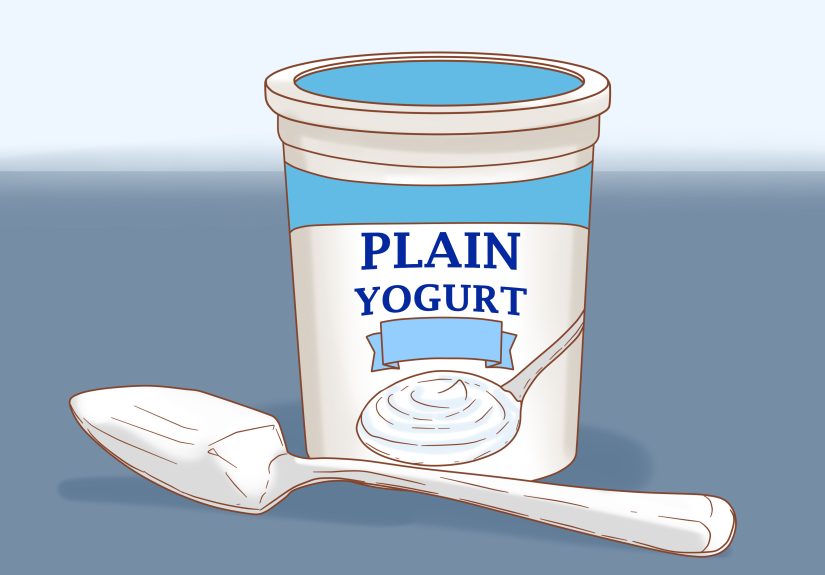
Low-fat dairy products like skim or 1% milk, yogurt, and cottage cheese are some of the most gout-friendly protein sources you can choose. Studies suggest they may even help lower uric acid levels and reduce flares, possibly by increasing uric acid excretion in urine.
How to use them:
- Start your day with oatmeal cooked in low-fat milk instead of water.
- Snack on plain yogurt with berries instead of chips or pastries.
- Use cottage cheese as a side instead of processed meats.
2. Fruits (Especially Cherries and Vitamin C Superstars)
Most fruits are naturally low in purines and high in antioxidants. Some fruits, especially cherries, have been linked to fewer gout flares. Cherries and cherry juice seem to have urate-lowering and anti-inflammatory effects in several studies.
Fruits that may be especially helpful include:
- Cherries (fresh, frozen, or unsweetened juice)
- Citrus fruits like oranges and grapefruit (unless your meds say otherwise)
- Berries such as strawberries and blueberries
- Pineapple and kiwi for extra vitamin C
One note: while fruit is generally good, huge amounts of very sweet fruit (like big fruit juices or fruit smoothies with added sugar) can push up your fructose intake, which isn’t ideal. Whole fruit in normal portions is your friend.
3. Vegetables and Whole Grains: The Everyday Backbone
Vegetables and whole grains help with weight control, heart health, and blood sugarall important in gout. For years, people with gout were told to avoid certain veggies (like spinach, asparagus, and mushrooms) because they contain moderate purine levels. Newer evidence shows that plant purines don’t seem to increase gout risk the way purines from meat and seafood do.
In other words: for most people with gout, vegetables are back on the menu.
Great gout-friendly picks:
- Leafy greens: spinach, kale, lettuce
- Colorful veggies: bell peppers, carrots, eggplant, zucchini, tomatoes (unless they’re your personal trigger)
- Whole grains: oats, brown rice, quinoa, barley, whole-wheat bread
If you notice a specific vegetable seems to trigger you (it happens for a small number of people), treat it like your own personal “red flag” and adjust.
4. Plant Proteins and Lean Animal Proteins
Protein is essential, but some sources are better than others for gout.
Gout-friendlier options include:
- Plant proteins: tofu, tempeh, lentils, beans in moderate portions
- Eggs: low in purines and easy to use
- Skinless poultry: chicken or turkey in moderate amounts
- Occasional low-purine fish: such as salmon (in moderation, and if tolerated)
Legumes (beans, lentils, chickpeas) do contain moderate purine levels, but they also bring fiber and help you cut back on red meat. Many experts now consider them okay in sensible portions unless you personally find they trigger flares.
5. Drinks That Help (or At Least Don’t Hurt)
What you drink all day matters almost as much as what you eat.
Best choices:
- Water: aim for enough so your urine is light yellow most of the time.
- Coffee: moderate coffee intake has been associated in some studies with lower gout risk.
- Unsweetened tea: herbal or green tea can be helpful hydration.
- Low-fat milk: again, a win for protein and uric acid.
Try to avoid sugary sodas, energy drinks, and sweetened teas, which often contain high-fructose corn syrupa known uric-acid booster.
Foods and Drinks to Limit or Avoid With Gout
1. High-Purine Meats and Organ Meats
Some meats are purine bombs and can spike uric acid levels, especially when eaten regularly or in large portions.
These are the top troublemakers to avoid or strictly limit:
- Organ meats: liver, kidney, heart, sweetbreads
- Game meats: venison, wild boar
- Large portions of red meat: beef, lamb, pork
- Meat gravies and meat extracts
You don’t have to be perfect, but keeping these foods as rare treats (or cutting them out entirely) is one of the most powerful diet changes you can make for gout.
2. Certain Seafood
Seafood is healthy in many ways, but several types are very high in purines and can be risky for gout-prone joints.
Seafoods to limit or avoid:
- Sardines, anchovies
- Mussels, scallops
- Trout, tuna, mackerel
- Shrimp and other shellfish (in large amounts)
If you love seafood, talk to your provider about how much is reasonable for you and whether certain fish are safer choices in small portions.
3. Alcohol (Especially Beer and Spirits)
Alcohol raises uric acid and makes it harder for your kidneys to get rid of it. Beer is especially strongly linked with gout flares, but spirits (liquor) are also a concern. Wine in modest amounts appears to be less risky than beer or liquor, but it’s still not completely neutral.
General gout-friendly alcohol tips:
- Avoid alcohol completely during a gout flare.
- Between flares, ask your doctor what “moderation” should look like for you.
- If you do drink, keep portions small and skip binge drinking.
4. Sugary Drinks and High-Fructose Corn Syrup
Fructose is the only sugar known to directly increase uric acid production. That’s why sugary sodas and drinks with high-fructose corn syrup are such a problem for gout.
Common sources to avoid or greatly limit:
- Soda and fruit punch
- Sweetened iced tea and lemonades
- Energy drinks
- Packaged sweets with high-fructose corn syrup (cookies, pastries, candies)
If your taste buds are used to lots of sugar, try gradually dialing back sweetness. Mix sparkling water with a splash of 100% juice or add fresh fruit slices to water for flavor.
5. “Sneaky” or Individual Triggers
Some foods aren’t universally bad but can be problematic for certain people with gout. Examples include:
- Tomatoes and tomato-based products for a minority of people
- Very large portions of legumes (lentils, chickpeas, beans)
- Moderate-purine veggies like asparagus, mushrooms, spinach (if you personally notice a pattern)
The best way to figure this out is to keep a simple gout diary: jot down what you ate and drank, then note when flares happen. Over time, patterns often show up. If you see the same food “starring” in the flare episodes, it may be your personal trigger.
Simple One-Day Gout-Friendly Meal Plan
Here’s what a realistic, gout-conscious day of eating might look like:
Breakfast
- Oatmeal cooked with low-fat milk, topped with cherries and sliced almonds
- One small orange
- Coffee or tea (unsweetened or lightly sweetened)
Lunch
- Grilled chicken breast (small portion) over a big mixed salad with spinach, carrots, tomatoes, cucumbers, and olive oil–lemon dressing
- Slice of whole-grain bread
- Water infused with lemon slices
Snack
- Low-fat plain yogurt with a handful of berries
Dinner
- Stir-fry with tofu, mixed vegetables, and brown rice, cooked in a small amount of olive oil
- Side of steamed broccoli
- Herbal tea or water
Is this the only way to eat with gout? Absolutely not. But it shows how you can get protein, flavor, and variety while keeping purines and sugar in check.
Lifestyle Habits That Boost Your Gout Diet
Food is powerful, but it works best as part of a bigger strategy. To really give gout less power over your life, consider:
- Gradual weight loss if needed: crash diets and fasting can actually increase uric acid, so aim for slow, steady changes.
- Staying active: walking, swimming, and low-impact exercise help with weight, blood sugar, and joint health.
- Taking medications exactly as prescribed: diet supports your meds; it doesn’t replace them.
- Checking in with your doctor or dietitian: for personalized advice based on your other health conditions.
And always remember: if you’re in the middle of a severe flare, that’s a job for your healthcare team. Use diet as a long-term ally, not an emergency treatment.
Real-World Experiences: What Actually Works Day to Day (About )
Ask people who live with gout what really helps, and you’ll hear the same themes over and overalong with a few surprises.
1. The “I Didn’t Realize My Drinks Were Doing That” Moment
One of the most common lightbulb moments is realizing just how much sugar and alcohol sneak into daily life. People often say things like, “I thought my biggest problem was steak, but the real villains were my sodas and weekend beers.” Once they swap soda for water or unsweetened tea, and cut way back on beer and liquor, they often notice fewer or milder flares over time.
This doesn’t mean you can never enjoy a drink again, but for many people, moving alcohol from “every weekend” to “special-occasion-only” makes a noticeable difference.
2. Small Swaps Beat Giant Overhauls
Almost nobody succeeds long-term with an all-or-nothing, “I will now become a perfect health robot” plan. People who do well with gout often describe gradual, realistic changes:
- Cutting red meat from five nights a week down to one or two
- Switching from full-fat to low-fat milk and yogurt
- Choosing baked or grilled options instead of fried foods
- Replacing dessert with cherries or fruit most nights
These tweaks feel doable, and over months they add up to a much more gout-friendly lifestyle without feeling like punishment.
3. Cultural Foods and Family Traditions
Gout doesn’t care what country you’re frompurines exist everywhere. Many people worry they’ll have to give up beloved cultural dishes completely. In practice, it’s usually more about how often and how much than about never again.
For example, if your family loves rich meat stews or seafood-heavy feasts, you might:
- Enjoy those dishes in smaller portions
- Balance them with extra vegetables and whole grains
- Limit them to special occasions instead of weekly meals
Talking openly with family members can help them understand why you might say, “Yes, I’ll have somebut not as much as before.” Many families are surprisingly supportive once they realize it’s about preventing serious pain.
4. Travel, Eating Out, and Social Life
Travel and restaurant meals are trickymenus rarely say, “Warning: this dish may bother your uric acid.” People who navigate this well tend to have a few go-to strategies:
- Looking for grilled chicken or fish, veggie-forward bowls, or stir-fries
- Skipping appetizers like wings, organ meats, or heavy meat platters
- Choosing water, coffee, or unsweetened tea instead of sugary drinks
- Sharing rich dishes rather than ordering a full portion
Is it perfect? No. But it strikes a balance between enjoying life and keeping gout in check.
5. The Power of Tracking
Almost everyone with long-term success describes some form of trackingwhether it’s a phone note, a paper journal, or even a mental log. They note what they ate, what they drank, how they slept, and when flares happened.
Over time, patterns emerge: “Every time I have three beers and a steak in one weekend, I pay for it on Monday,” or “Cherries seem to be my secret weapon.” This turns your diet from guesswork into a personal toolkit.
6. Being Kind to Yourself
Finally, people who manage gout well long-term aren’t perfect. They slip up, have a party weekend, or grab fast food on a busy day. The difference is that they don’t treat that as failurethey treat it as feedback. They reset, drink more water, get back to their usual pattern, and keep moving forward.
If you’re working on what to eat to treat and prevent gout, give yourself room to be human. Progress beats perfection every time.
Conclusion: Eating Smart So Gout Shouts Less
Gout can feel unfair, but it’s not unbeatable. By focusing on low-purine proteins like low-fat dairy and plant proteins, loading up on fruits and vegetables (especially cherries and vitamin C–rich options), cutting back on red meat, seafood, alcohol, and sugary drinks, and staying hydrated, you give your joints a calmer, less inflammatory environment.
Combine those habits with your prescribed medications and regular check-ins with your healthcare team, and you have a strong plan to treat existing gout and help prevent future flares. Your big toeand the rest of your jointswill thank you.